Overview of Acute Hiccup Remedy Solutions Medicines
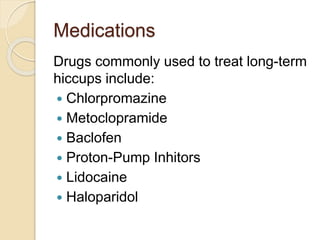
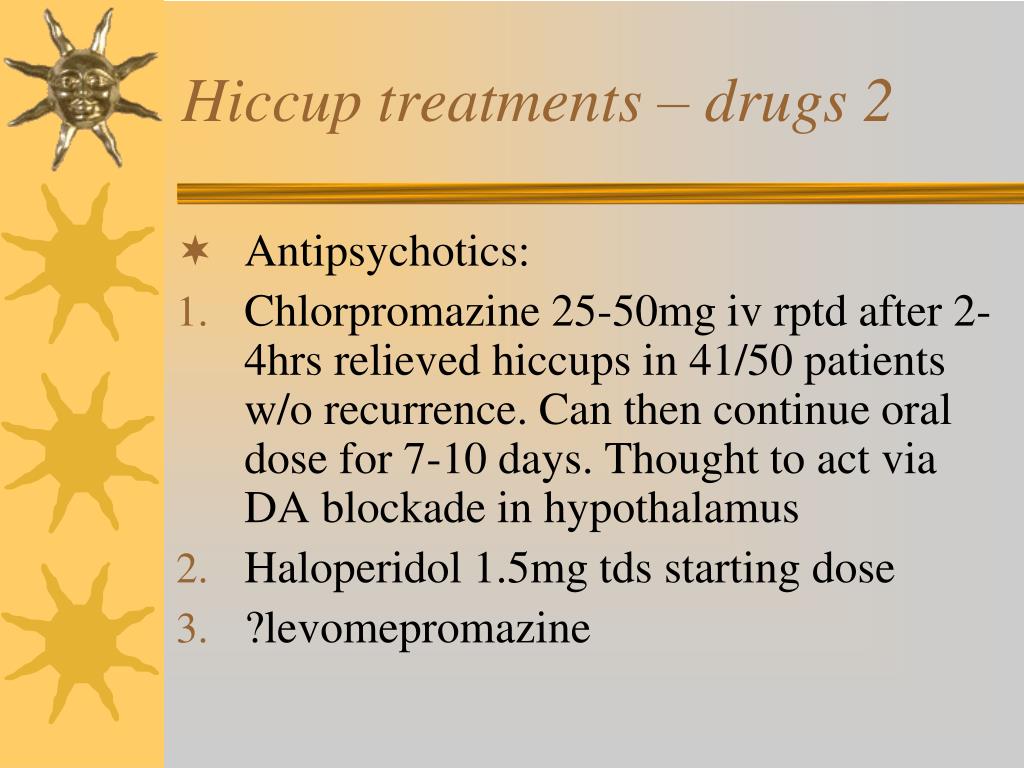
Treatment Most cases of hiccups go away on their own without medical treatment. If an underlying medical condition is causing your hiccups , treating that condition may stop the hiccups . If your hiccups last longer than two days, medicines or certain procedures may be needed. Medicines Drugs used to treat long-term hiccups include baclofen, chlorpromazine and metoclopramide. Procedures If less ...
Medications for hiccups can be prescribed by the doctor for hiccups that are persistent and chronic, lasting for more than 2 days, Learn about which medicines your doctor can prescribe to stop hiccups in mild and severe cases, as well as other home remedies to get rid of and prevent hiccups
List of drugsmedicines used for Hiccups (Hiccups ...
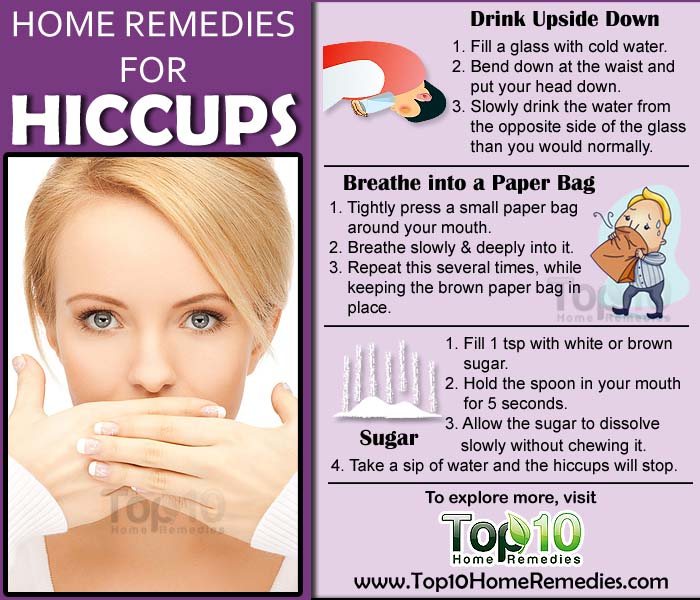
Such details provide a deeper understanding and appreciation for Acute Hiccup Remedy Solutions Medicines.
Medications for Hiccups For intractable hiccups , chlorpromazine 25-50 mg orally three to four times daily remains the only FDA-approved medication, though baclofen (5-10 mg three times daily) and metoclopramide (10-20 mg every 4-6 hours) are effective alternatives with potentially better tolerability profiles. 1, 2
List of 4 Hiccups Medications Compared
Compare risks and benefits of common medications used for Hiccups . Find the most popular drugs, view ratings and user reviews.

Moving forward, it's essential to keep these visual contexts in mind when discussing Acute Hiccup Remedy Solutions Medicines.
Care guide for Hiccups . Includes: possible causes, signs and symptoms, standard treatment options and means of care and support.
Hiccups Medication
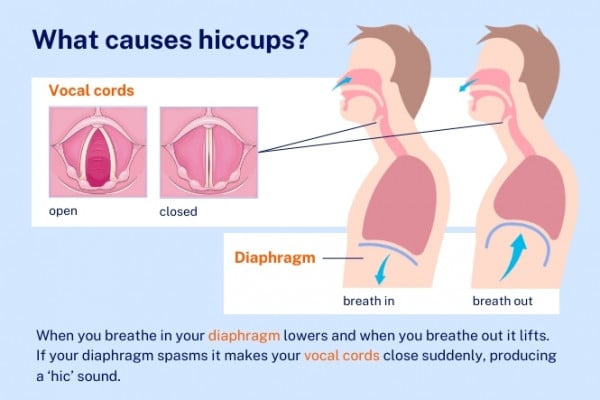
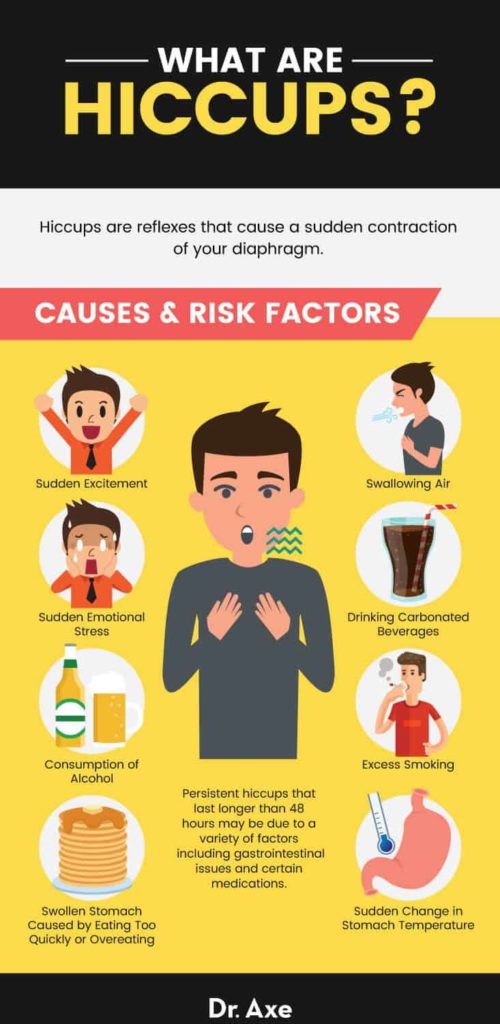
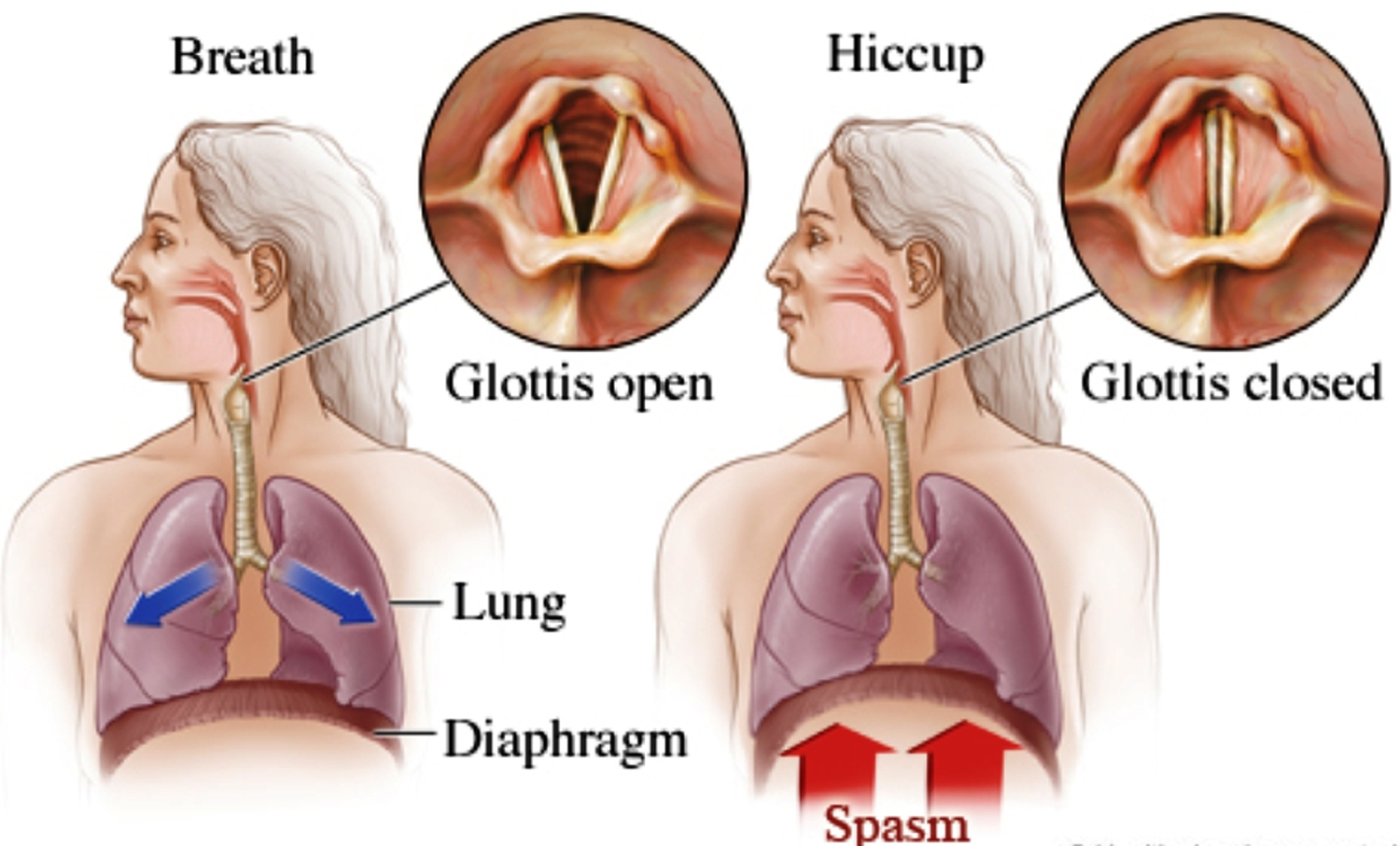
Medication: The term hiccup derives from the sound of the event; the alternative spelling hiccough erroneously implies an association with respiratory reflexes. Brief episodes of hiccups , which often induce annoyance in patients and merriment in observers, are a common part of life.

Such details provide a deeper understanding and appreciation for Acute Hiccup Remedy Solutions Medicines.
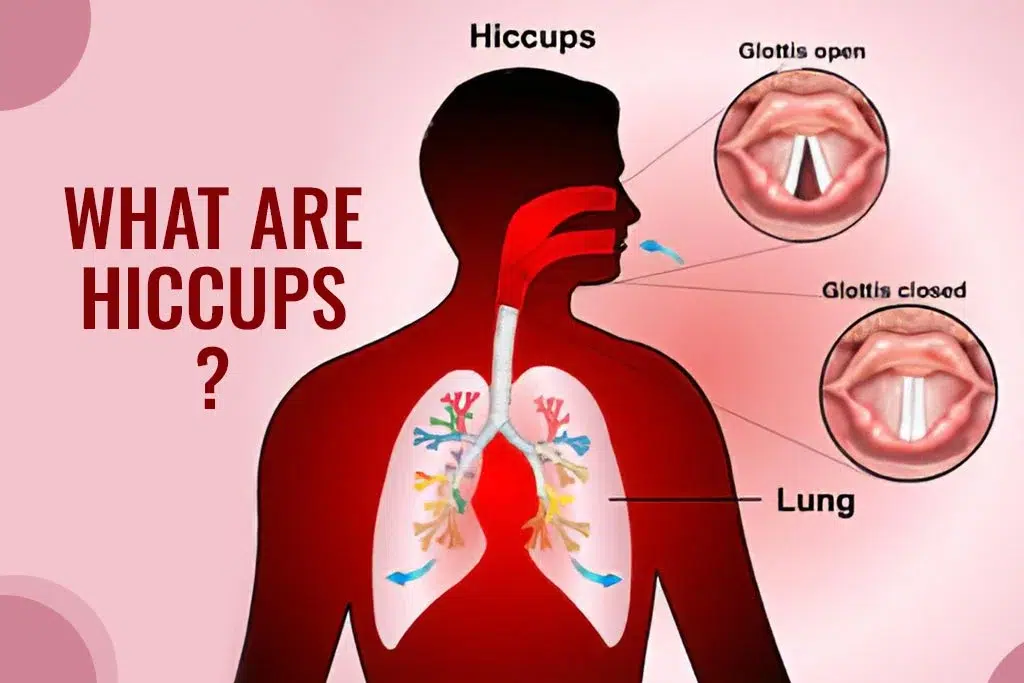
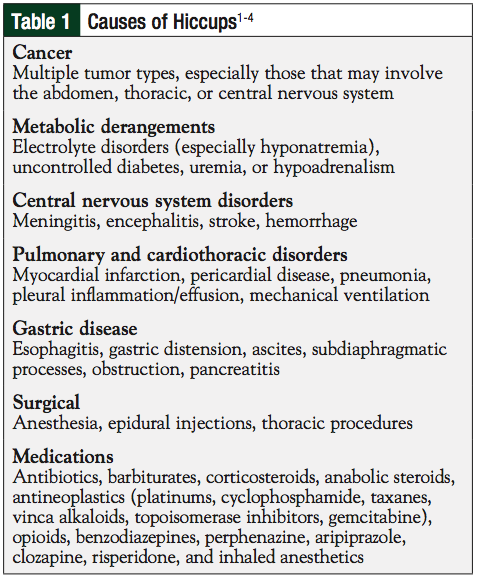
In contrast, persistent hiccups can be uncomfortable for the patient, lead to health consequences, signal serious pathology, and warrant symptomatic management. Historically, hiccups have been called singultus, from the Latin for sobbing [1]. This topic will discuss the pathophysiology, etiology, evaluation, and treatment of hiccups in adults.
What is the recommended medication treatment for hiccups
Continuing ineffective treatments without trying alternative approaches 1 The stepwise approach from physical maneuvers to pharmacological therapy with chlorpromazine as the first-line medication provides the most evidence-based strategy for managing hiccups , with alternative medications available for cases that don't respond to initial treatment.