Diabetes Medication For Weight Loss
Aussie Health Doctor Prescribed Weight Loss Treatment With Follow Up Consultations. Weight loss Solution Sent Directly To Your Phone. Backed By Aussie Health Doctors.
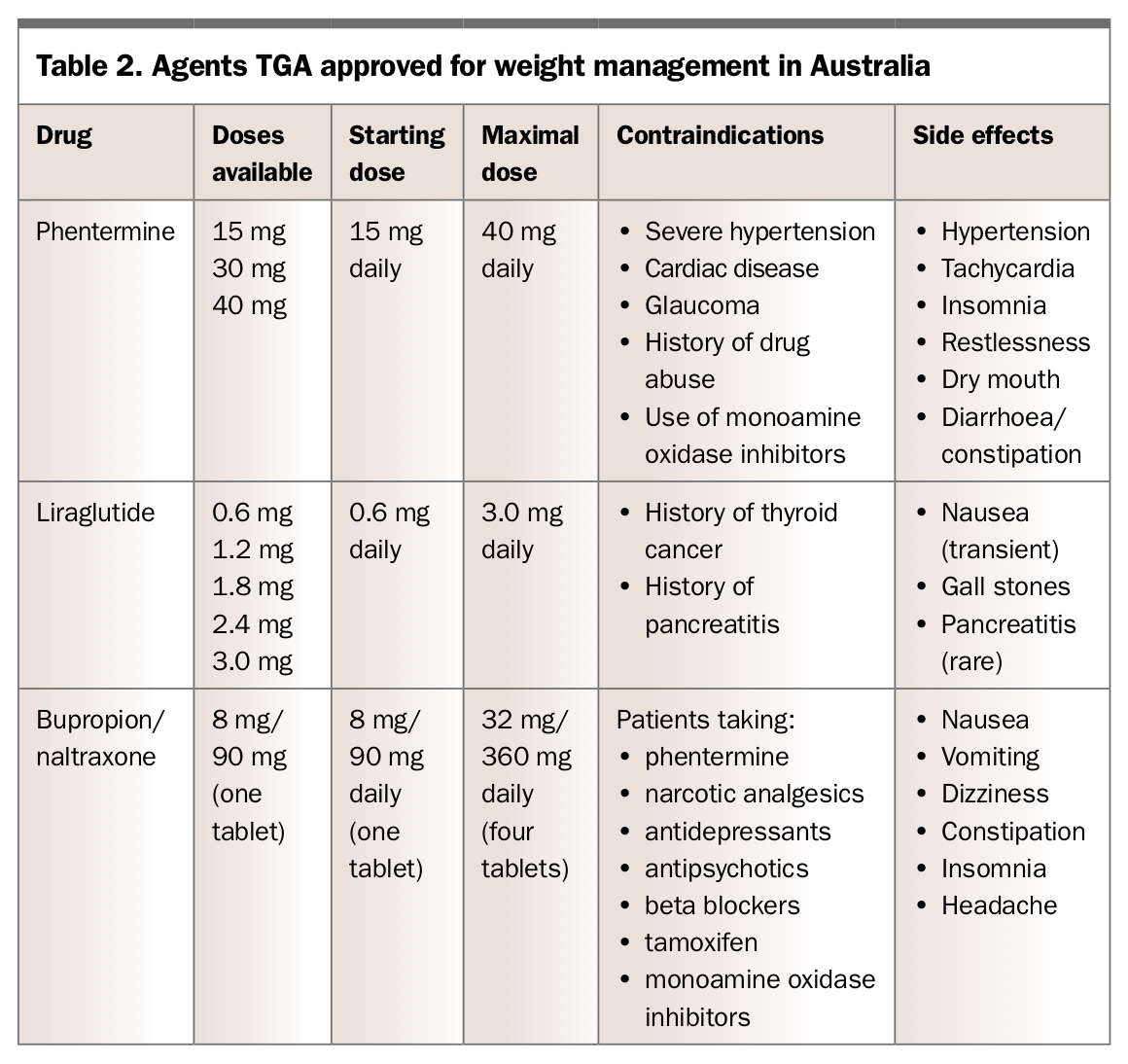
Prescription weight loss medication has become a serious consideration for many Australians who struggle with obesity or weight -related health conditions.
8. Obesity and Weight Management for the Prevention and Treatment of ...
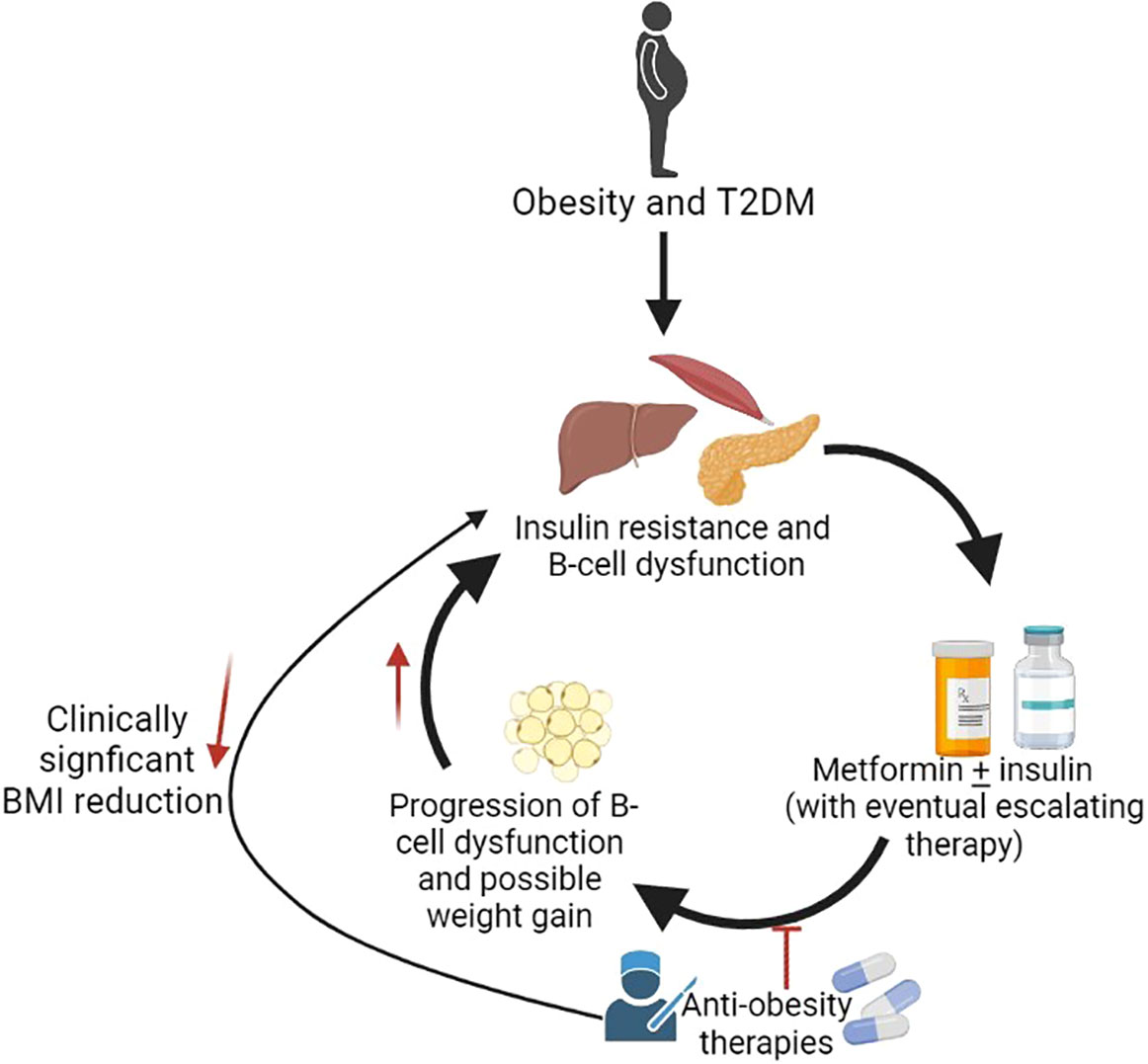
In people with type 2 diabetes and overweight or obesity, modest weight loss improves glycemia and reduces the need for glucose-lowering medications , particularly insulin (7, 16, 17), and greater weight loss substantially reduces A1C and fasting glucose and may promote sustained diabetes remission (9, 18-21).
Eat small, frequent meals; avoid greasy, sugary foods and strong odors. Stay hydrated; use anti-nausea medication if needed.1 Engage in 15¤20 minutes of resistance activities 20 or more times a week in addition to aerobic exercises to prevent loss of muscle mass. Consume at least 30g of protein per meal, focus on plant-based sources.
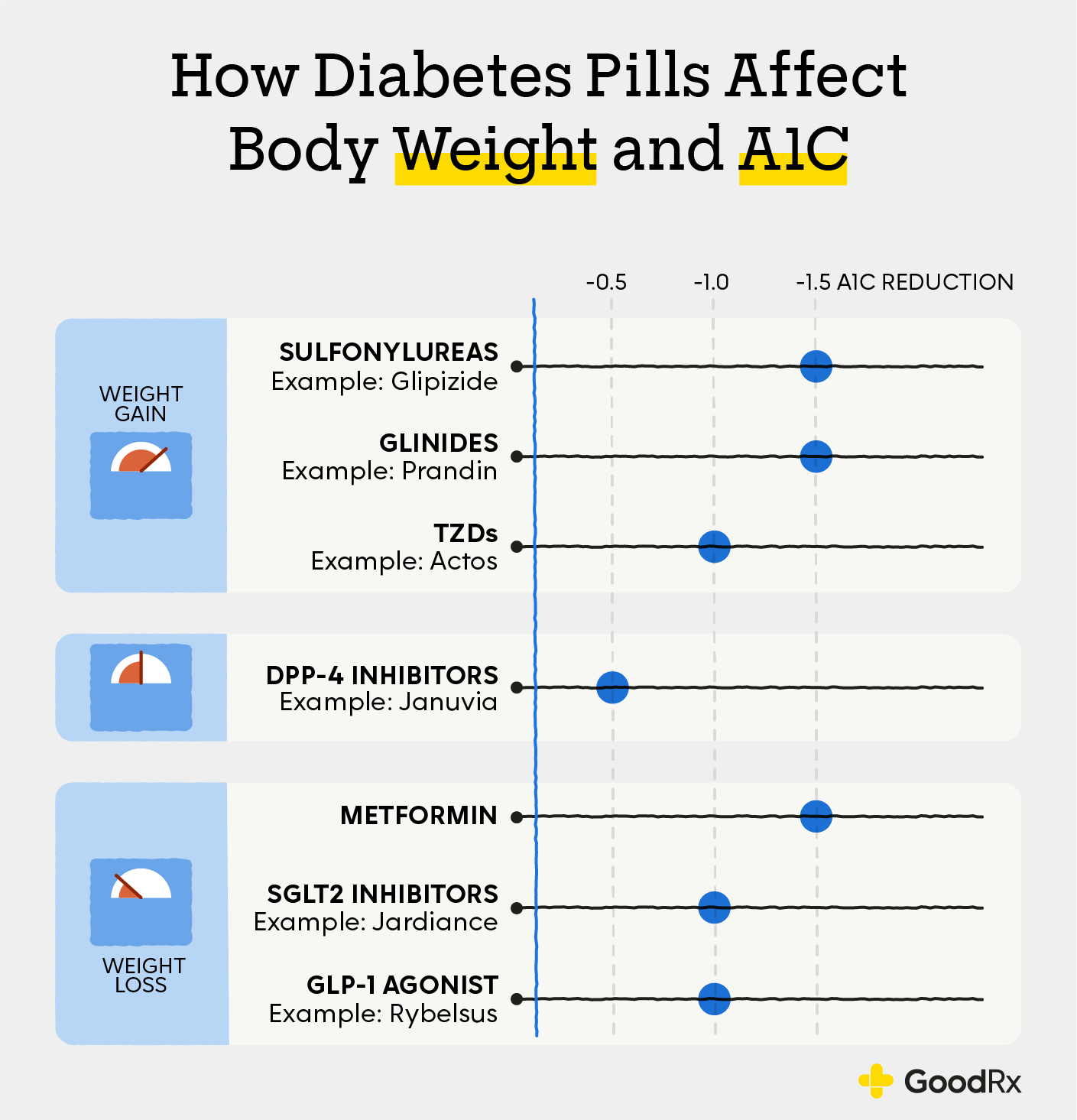
Type 2 Diabetes Medications That Induce Weight Loss
Type 2 diabetes medications can also induce weight loss , but some medication classes are better fits for patients with kidney or heart disease.
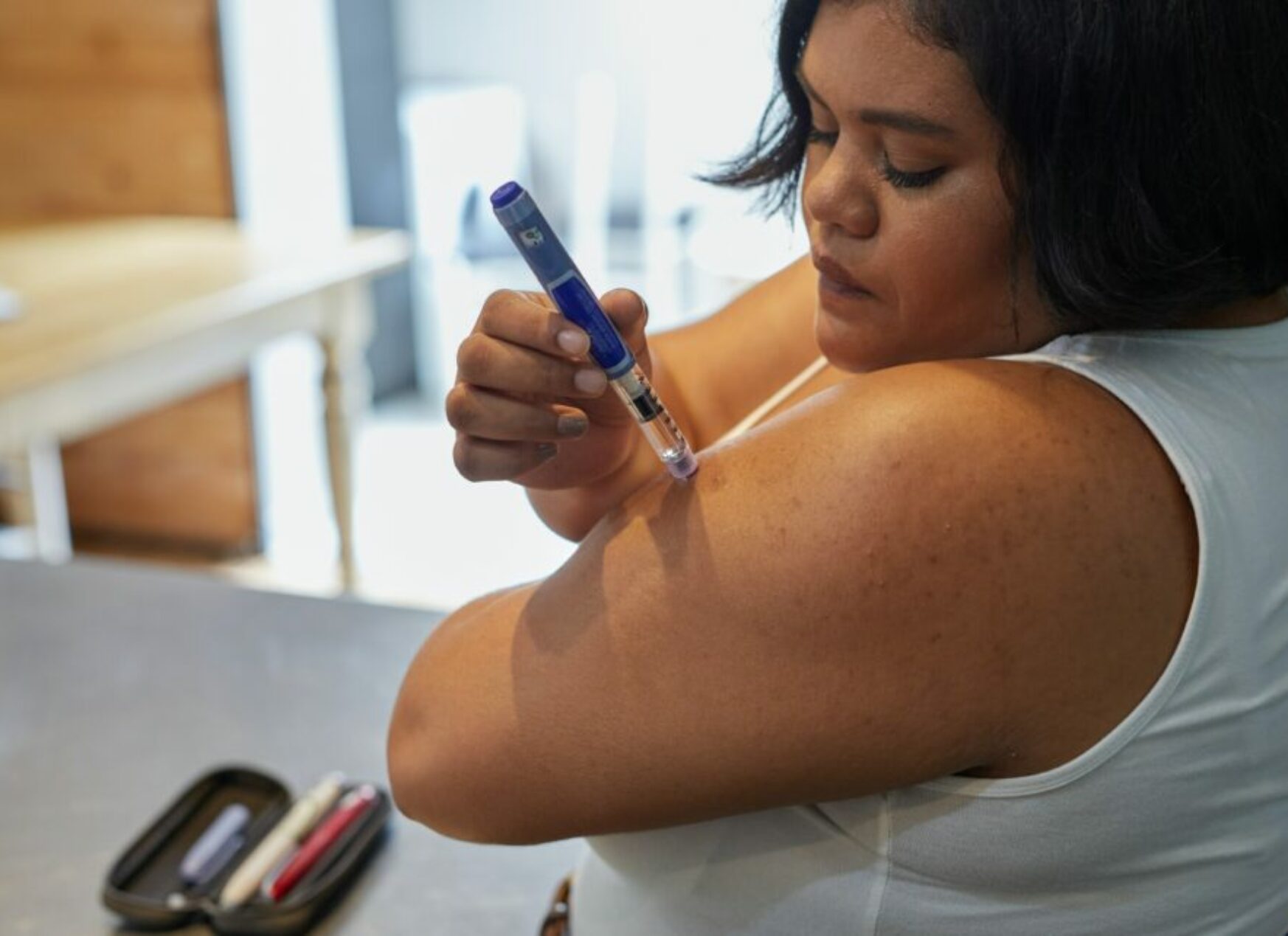
You've probably heard of semaglutide or Ozempic, the diabetes medication being used for weight loss . So what are the risks and benefits? And who should have access to it?
New diabetes and weight loss medicines
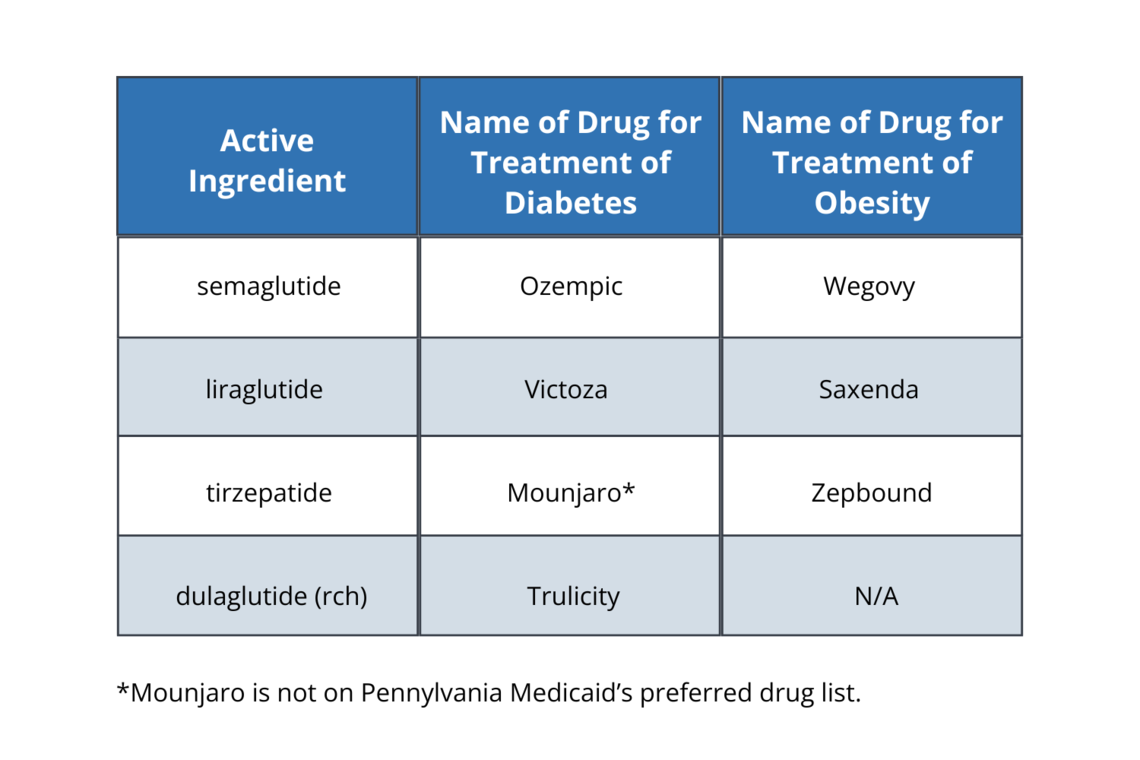
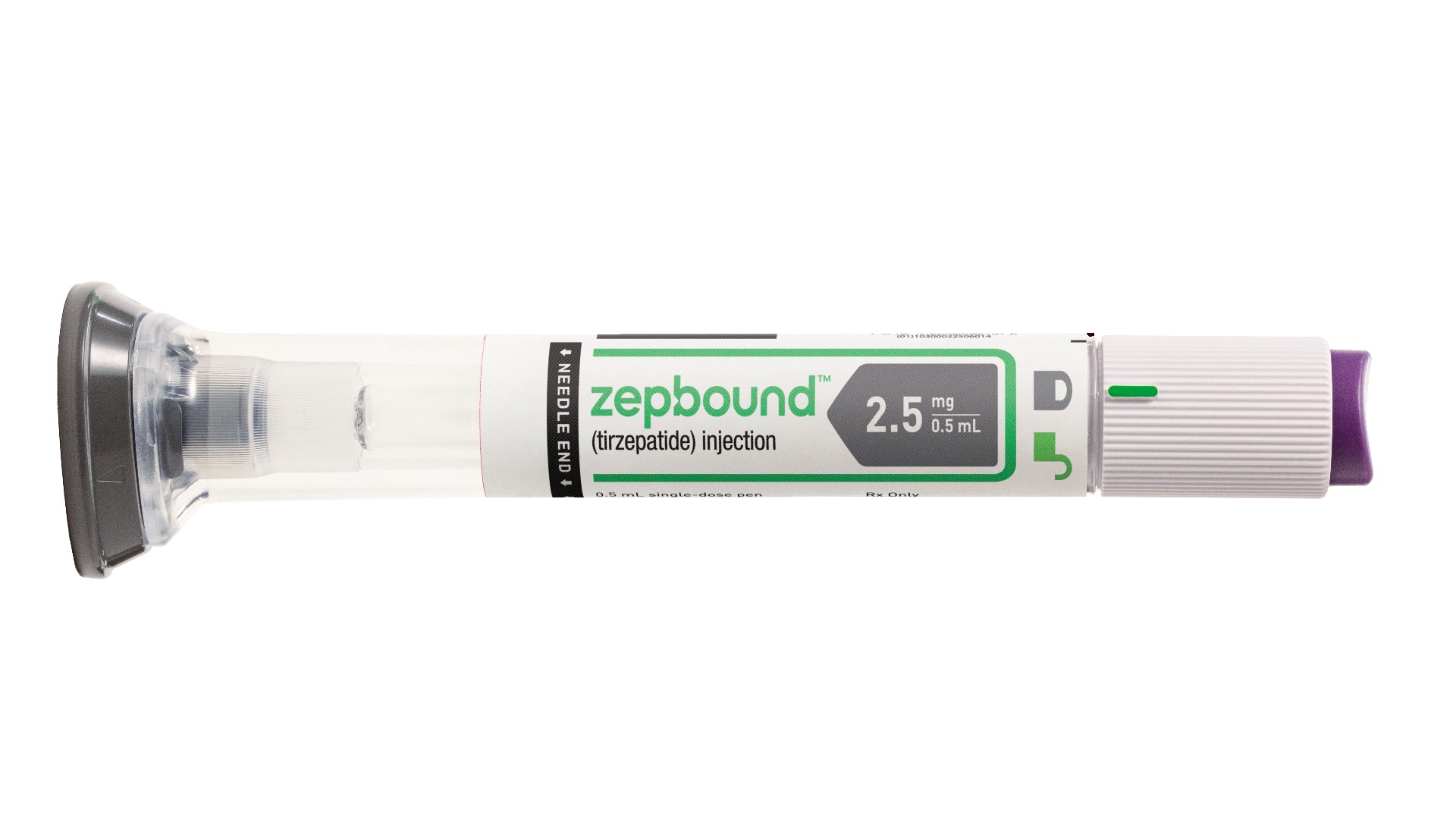
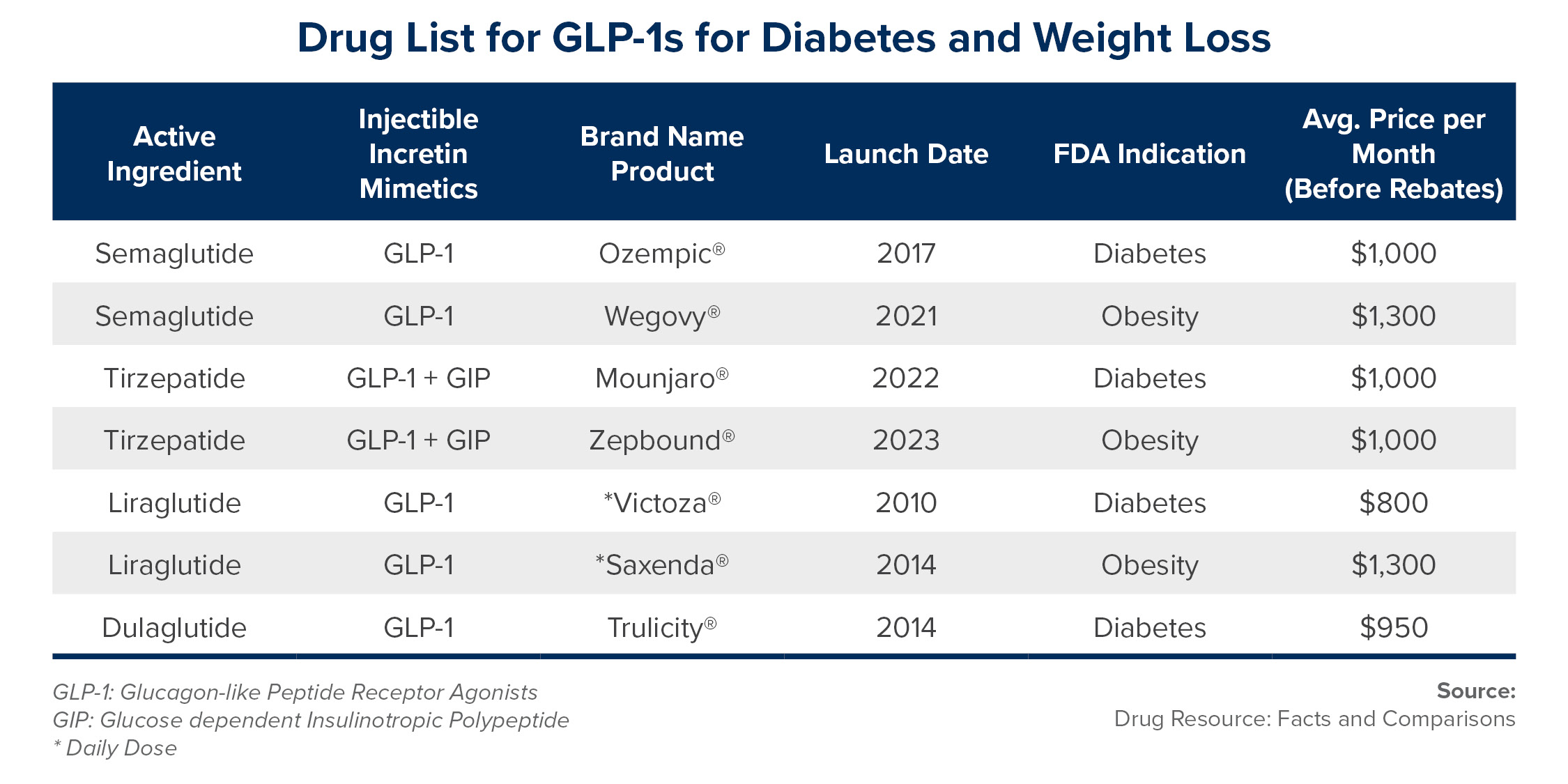
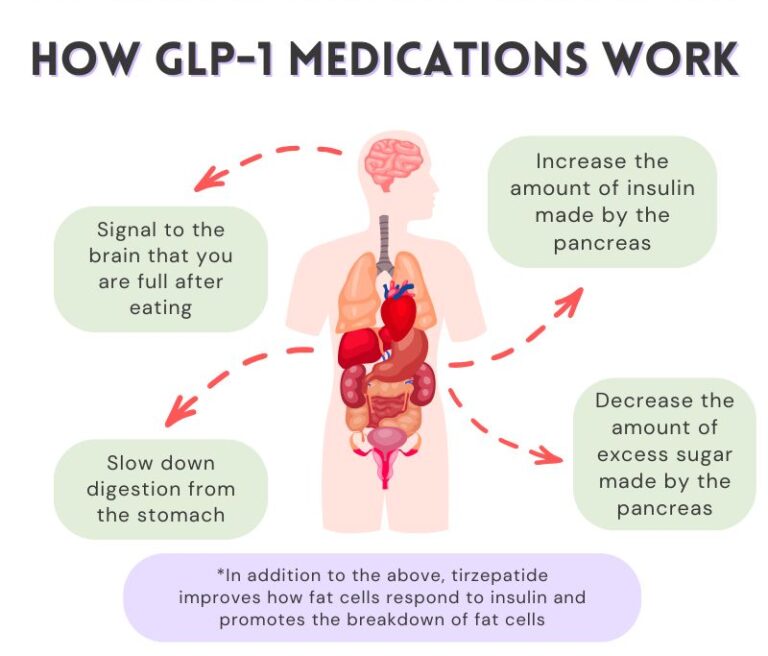
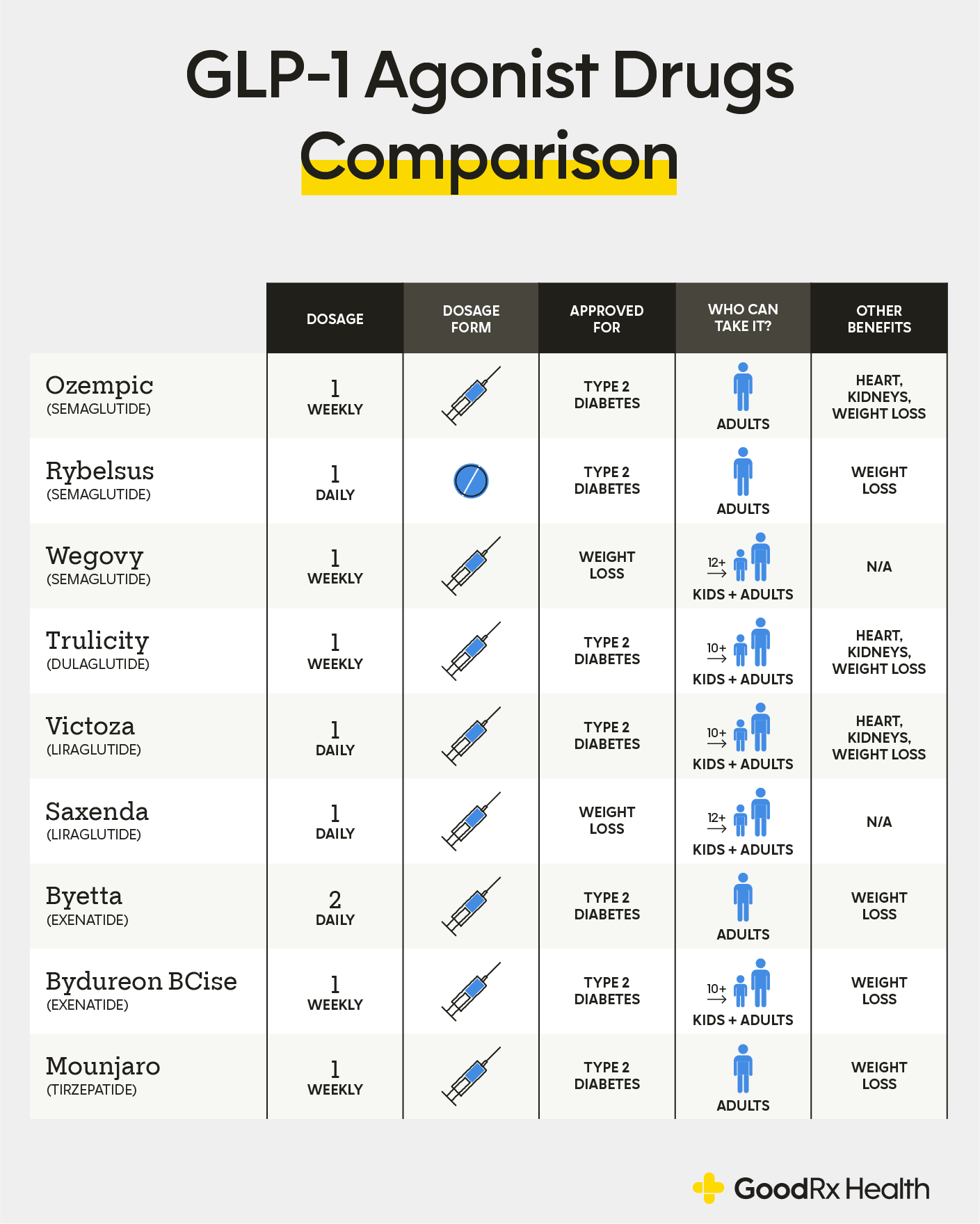
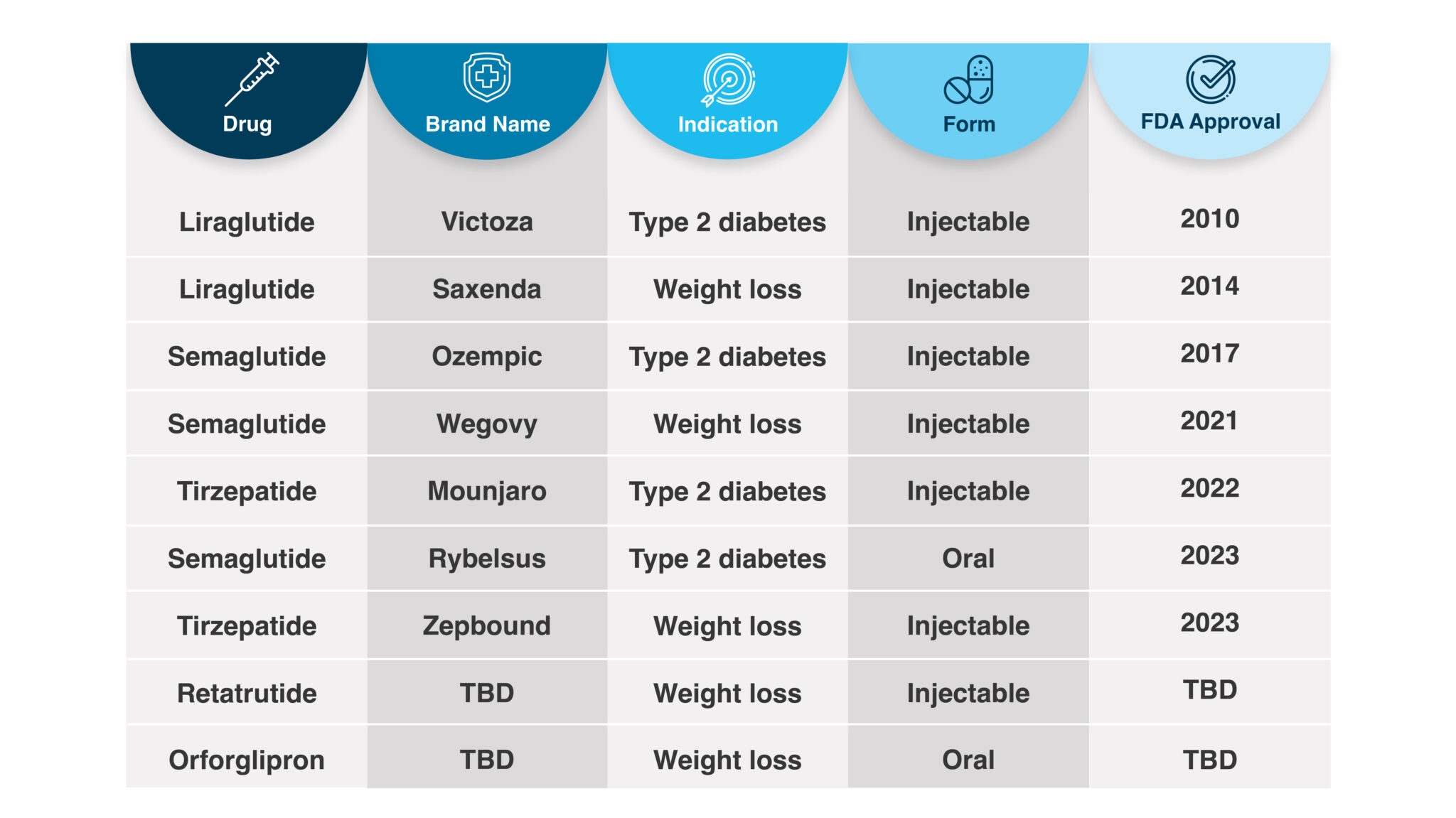
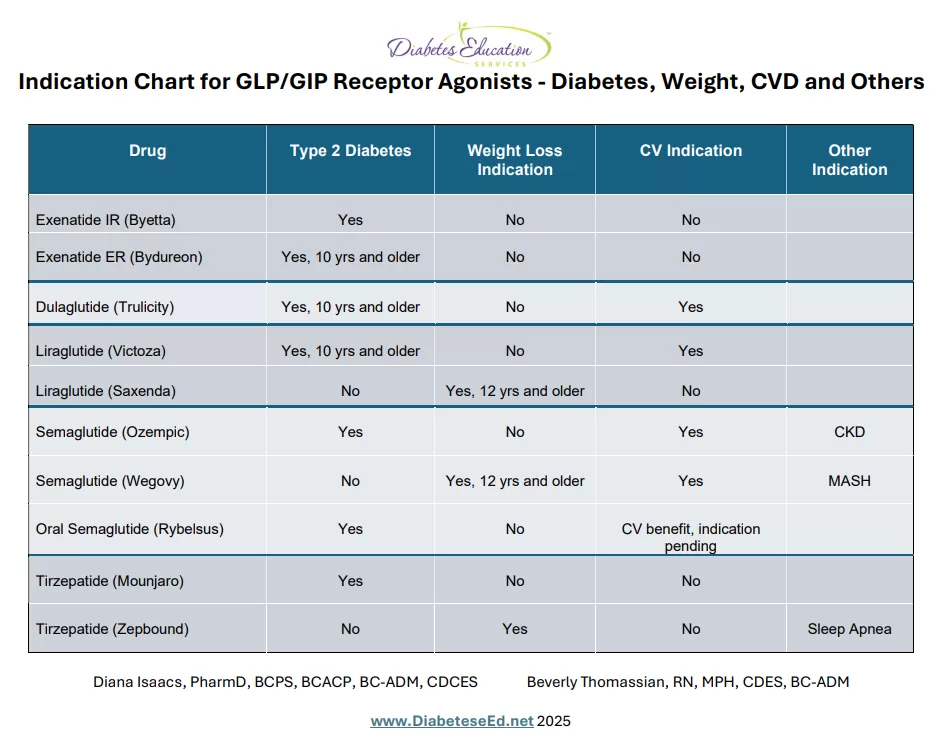
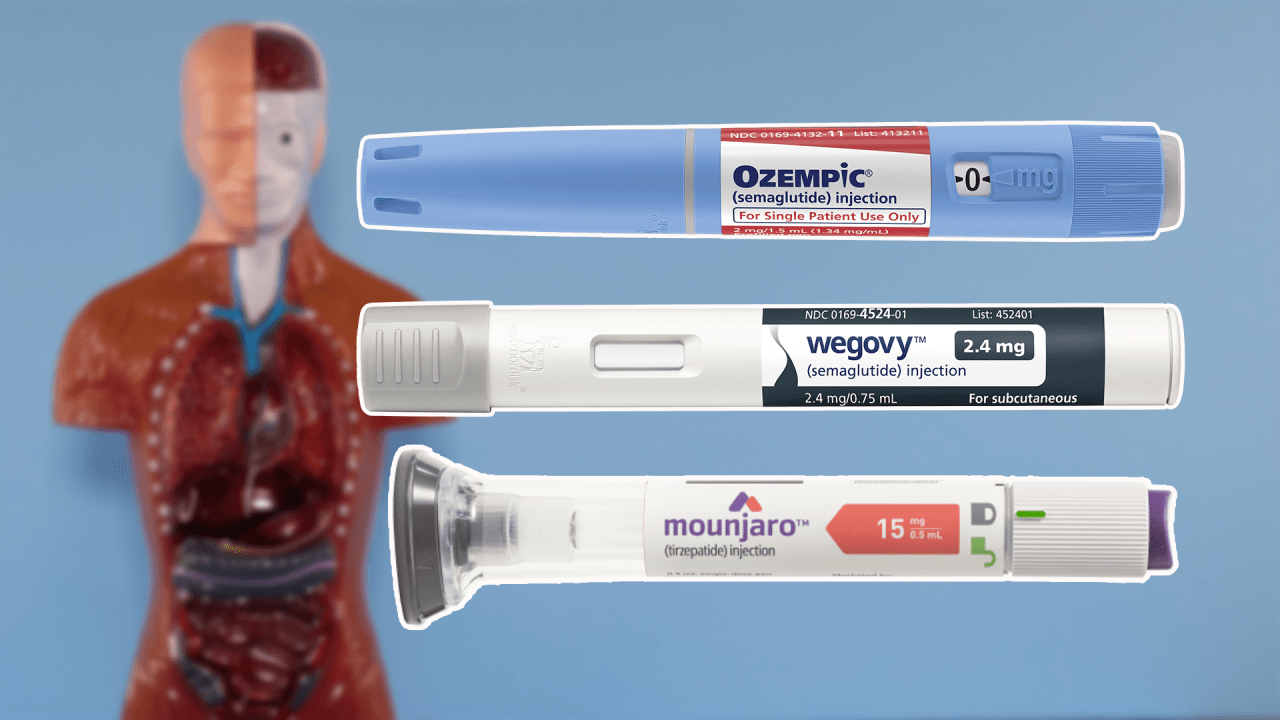
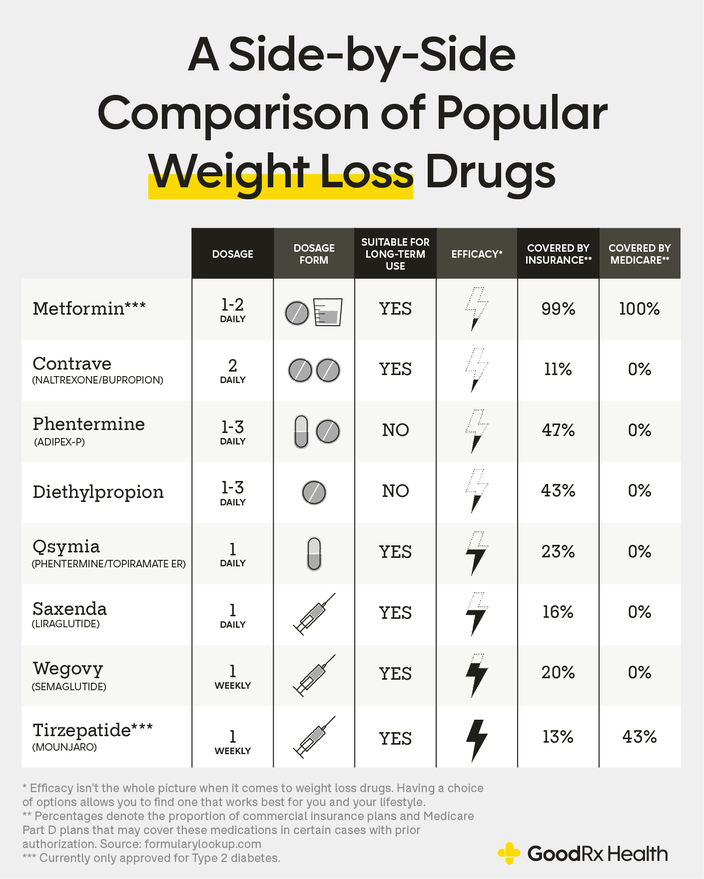
Saxenda (liraglutide) and Wegovy (semaglutide), which are approved for chronic weight management in patients who are obese or overweight. Mounjaro (tirzepatide) which is approved for both diabetes and chronic weight management. There is a known potential for all these medicines to delay passage of food through the stomach (gastric emptying).
As we can see from the illustration, Association Of Weight Loss Medication For Diabetics has many fascinating aspects to explore.
For people with type 2 diabetes who are overweight or obese, even modest weight loss (5-10%) may provide clinical benefits, including improved glycaemic management, blood pressure and lipid profiles, especially early in the disease process
Injectable drugs are transforming management of overweight and obesity. This article compares currently available drugs and describes their use in the complex context of weight management, including efficacy, adverse effects and limitations, and the need for long-term use to sustain weight loss .
Useful Notes on Association Of Weight Loss Medication For Diabetics
Similarly, close monitoring of blood glucose levels is required in those with diabetes and consideration should be given to reduction in glucose-lowering medications , particularly insulin and sulfonylureas. As obesity is a chronic condition, most individuals require lifelong therapy.