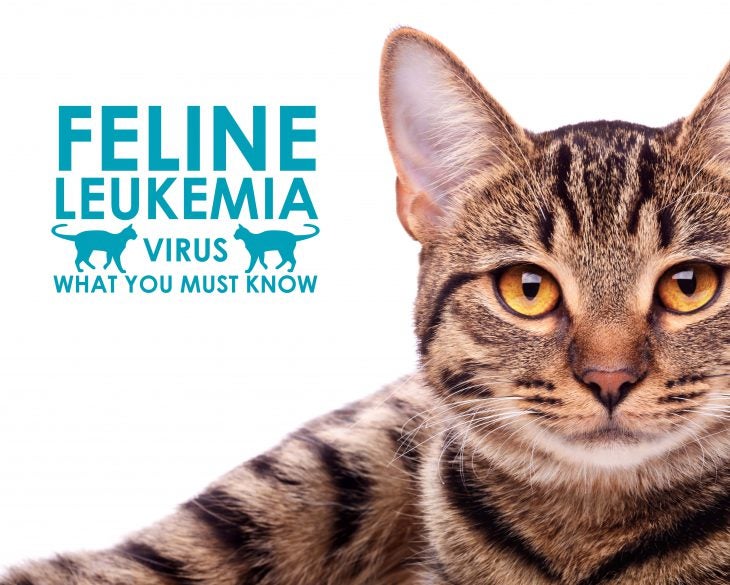
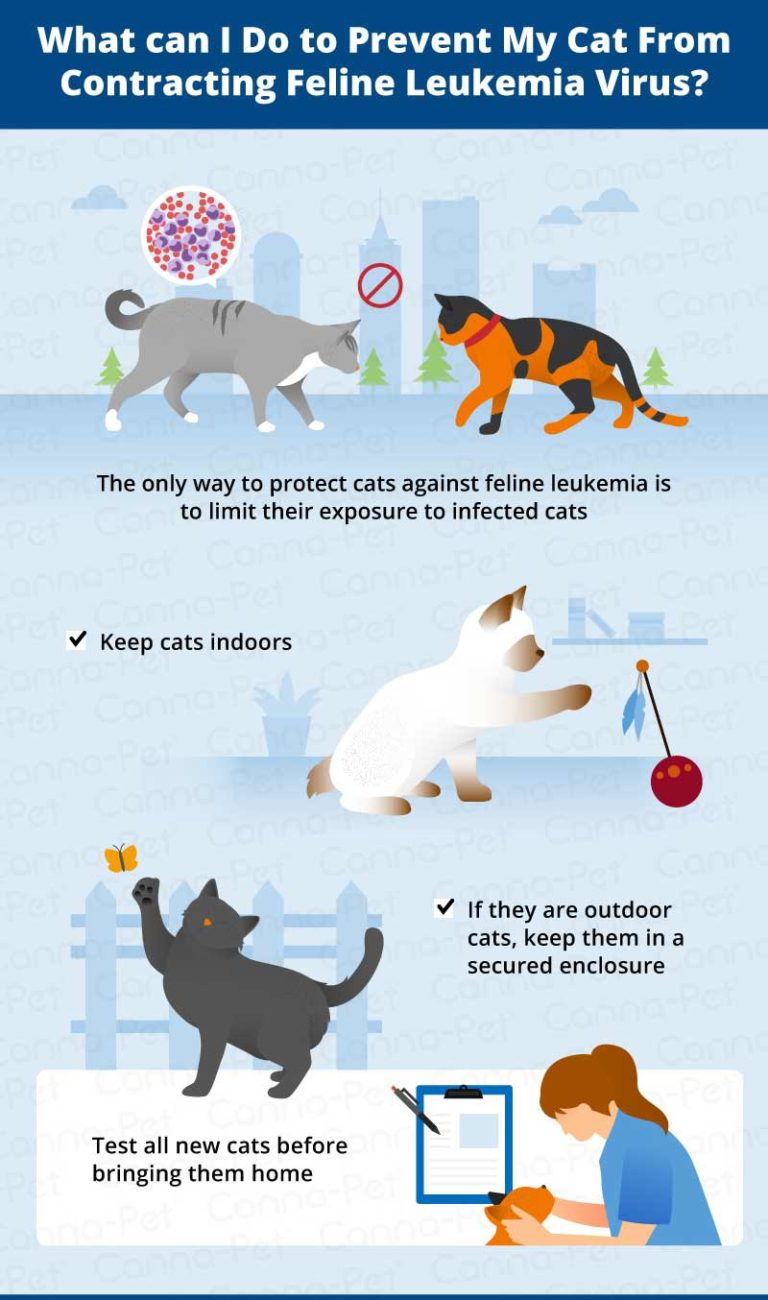
Feline Leukemia Virus
Suggested Articles Lymphoma Feline Vaccines: Benefits and Risks Diarrhea Neurological Disorders Feline Vision Problems: A Host of Possible Causes Feline leukemia virus (FeLV) is one of the most common and important infectious diseases in cats, affecting between 2-3% of all cats in the United States and Canada. Infection rates are significantly higher (up to 30%) in cats that are ill or ...
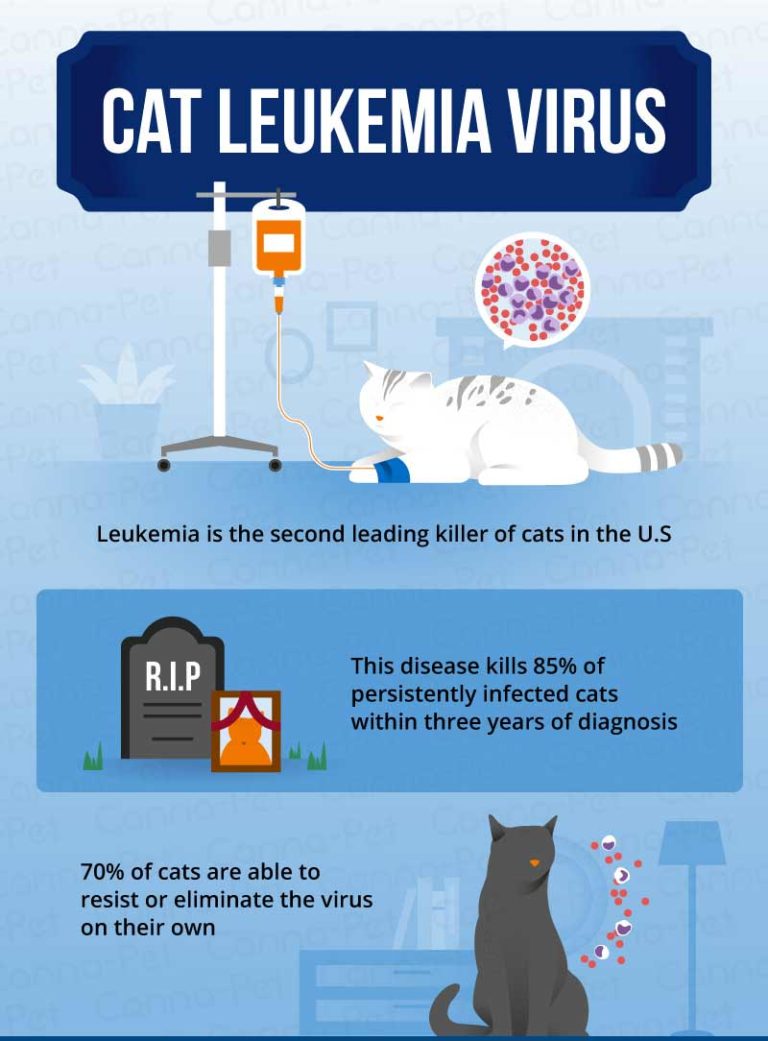
Feline leukemia virus (FeLV) is second only to trauma as the leading cause of death in cats, killing 85% of persistently infected felines within three years of diagnosis. The virus commonly causes ...
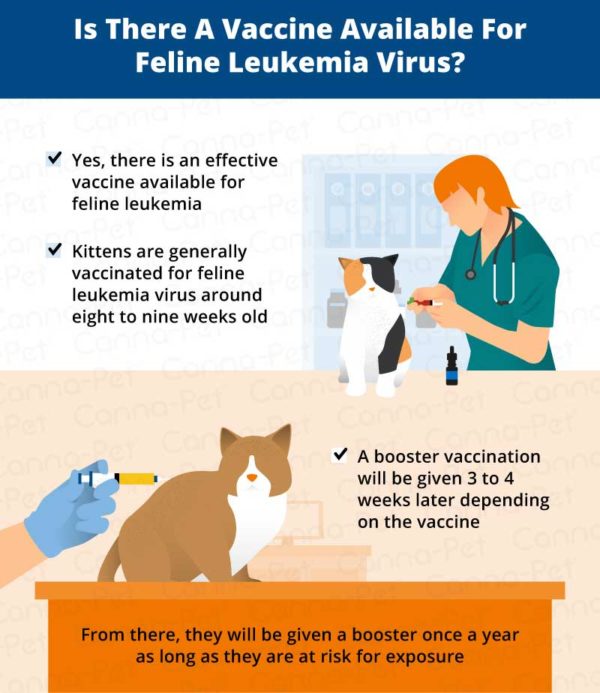
Feline leukemia virus (FeLV) is one of the most common infectious causes of disease of cats globally. Infection with FeLV can cause a variety of clinical signs, impacting a cat's longevity and quality of life. Vaccination and identification of infected cats is important in preventing disease transmission.
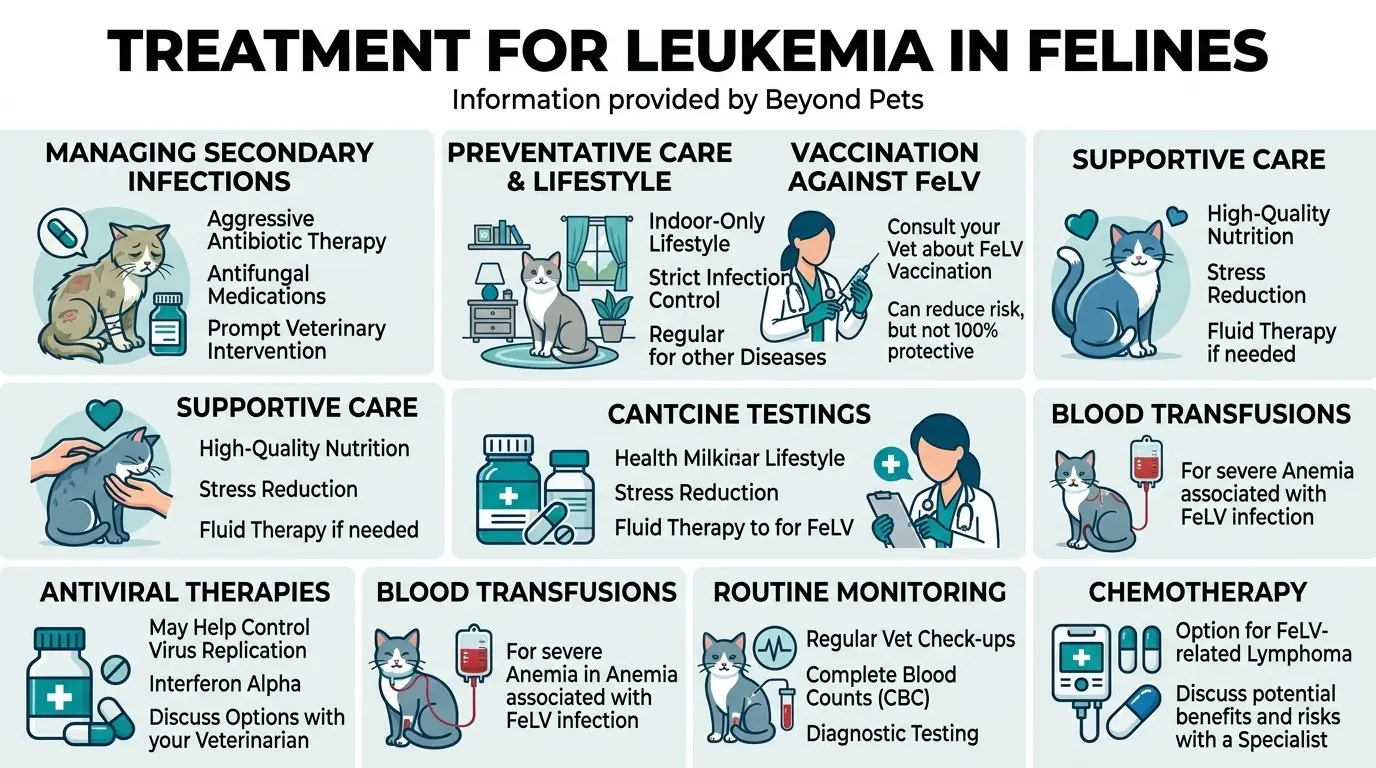
Feline Leukemia Virus Infection
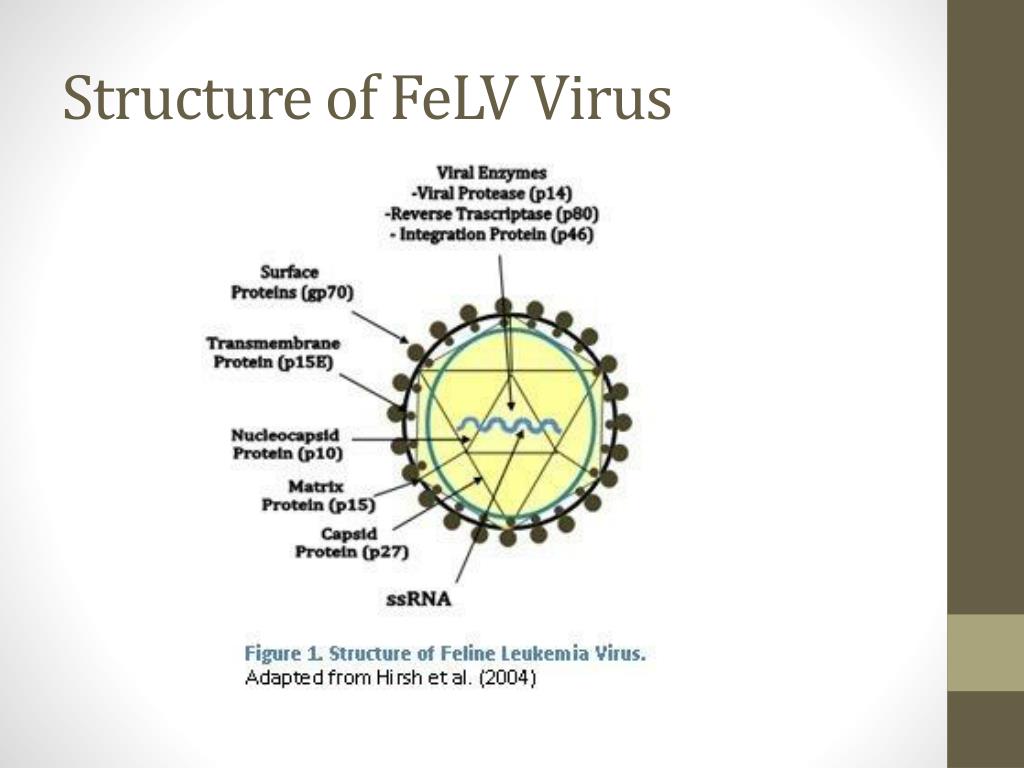
Overview of Feline Leukemia Virus Infection. First Described: Scotland, 1964 (Jarrett et al.) 1 Cause : Feline leukemia virus (family Retroviridae, subfamily Orthoretrovirinae, genus Gammaretrovirus) Affected Hosts: Domestic and some wild Felidae Geographic Distribution: Worldwide Mode of Transmission: Prolonged close contact with salivary secretions; to a lesser extent biting, transplacental ...
What is feline leukemia virus (FeLV)? Feline leukemia virus (FeLV) is a virus that infects cats. It was first identified in cats that had a form of leukemia (cancer of the white blood cells), but it is now known to cause a range of serious health problems. FeLV depresses the immune system, making infected cats more prone to infections, anemia, and certain cancers. Like all viruses, FeLV can ...
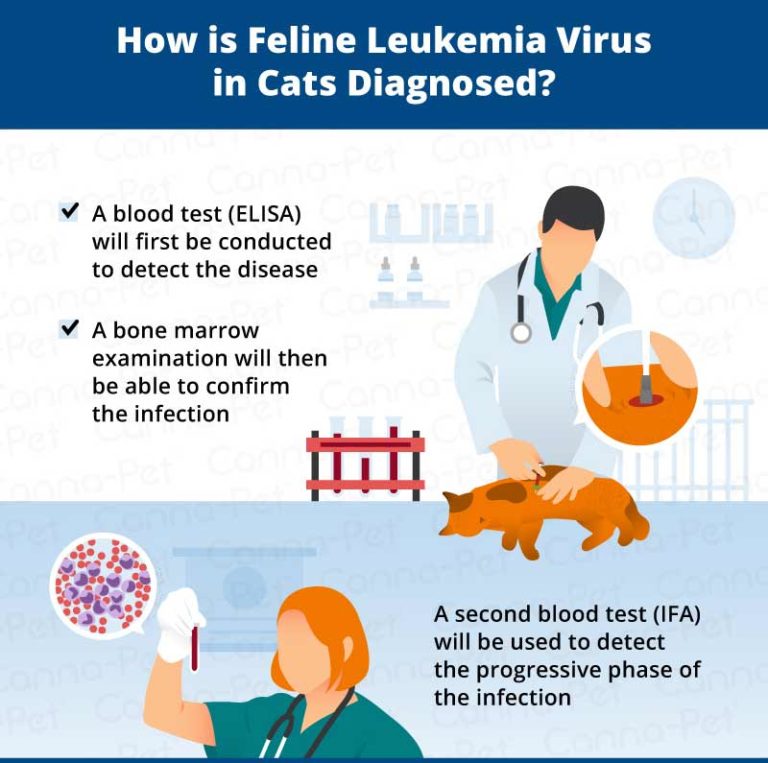
Feline Leukemia Virus (FeLV)
Feline leukemia virus (FeLV) is one of the most important infectious diseases of cats worldwide. Affected cats can develop anemia (a low red blood cell level), cancers, and/or suppression of the immune system. The disease worsens over time and is usually fatal. The virus can infect domestic and wild cats (such as lions). Widespread testing and vaccination efforts have helped to reduce the ...
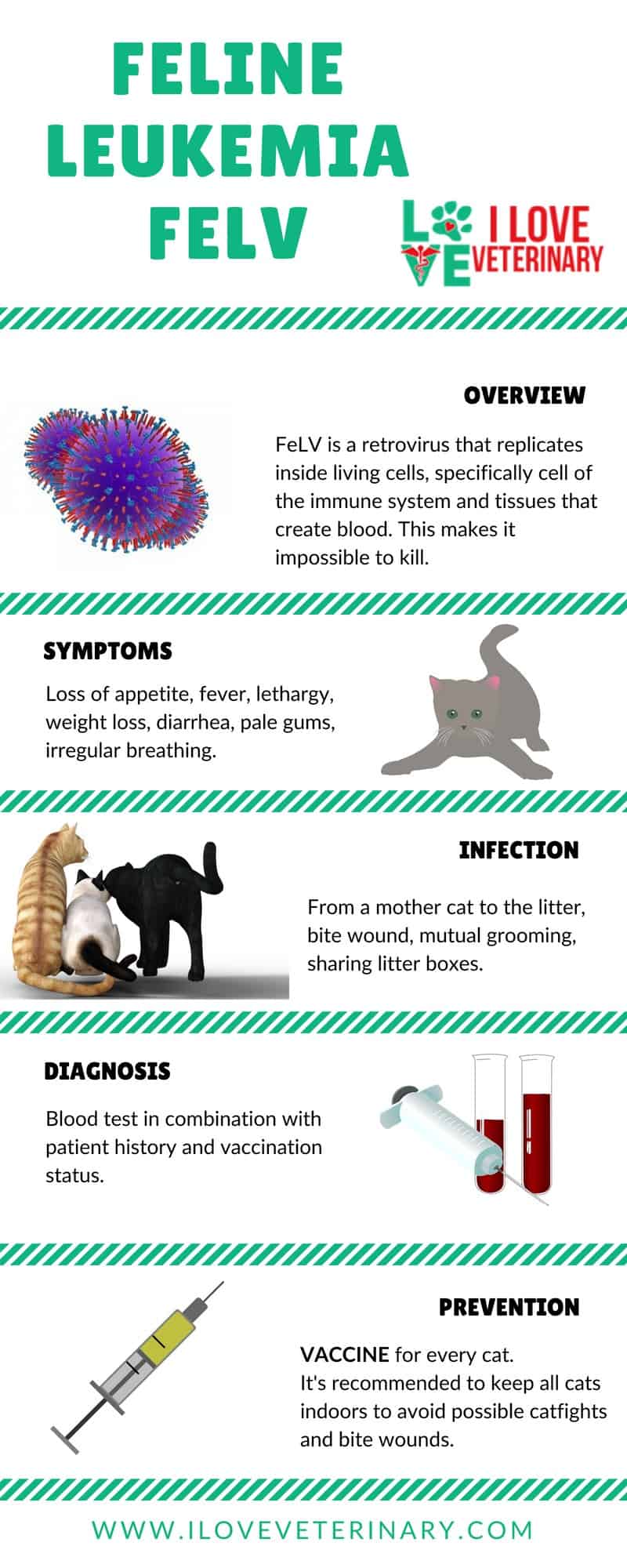
Feline leukemia virus , also known as "FeLV," is a contagious retrovirus that only infects cats. With progression of infection, it is known to cause a variety of diseases. Specifically, FeLV invades and replicates in cells of the cat's immune system and tissues that create blood cells. How does FeLV harm a cat?
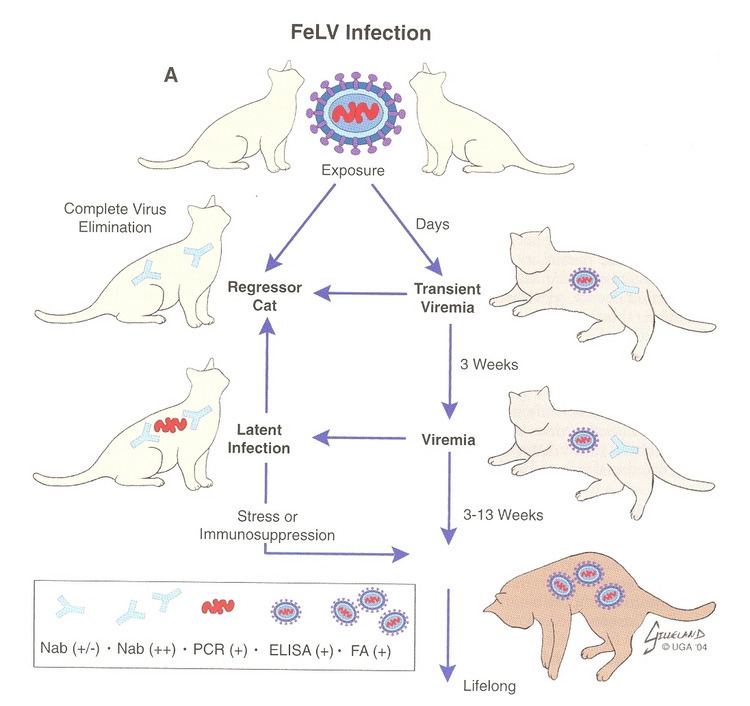
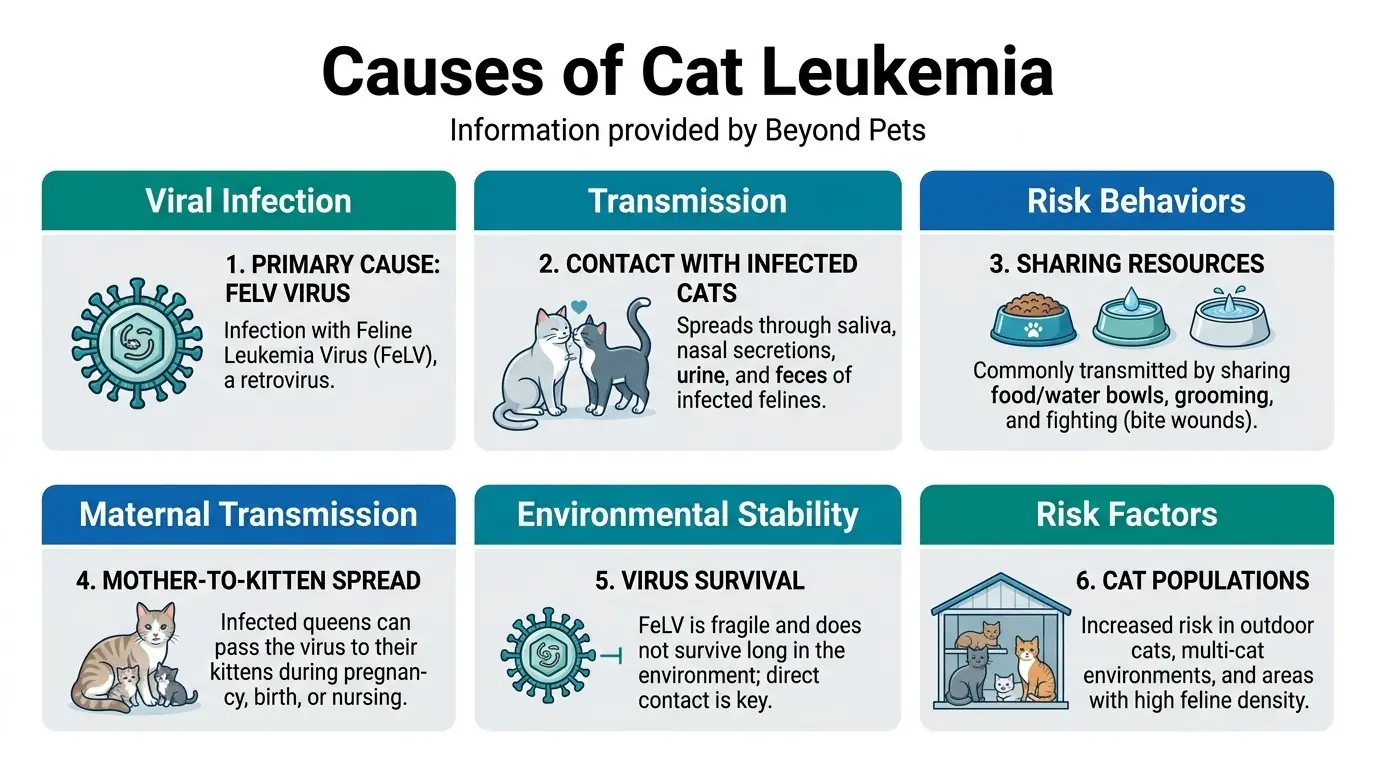
Such details provide a deeper understanding and appreciation for Causes Of Feline Leukemia Virus.
Feline leukemia virus
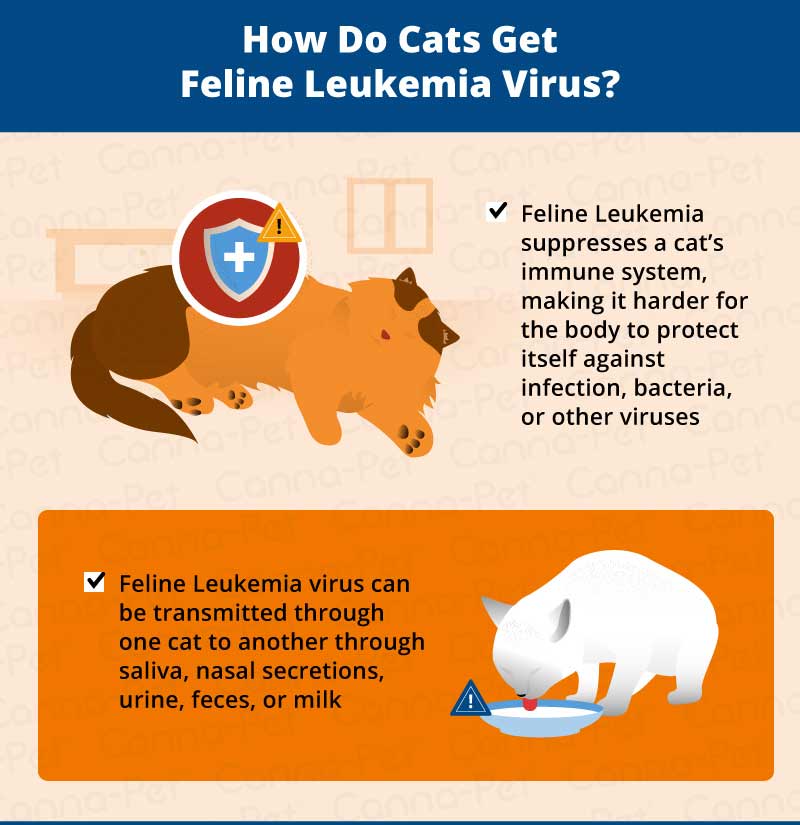
Feline leukemia virus (FeLV) is a retrovirus that infects cats. FeLV can be transmitted by infected cats via the transfer of saliva or nasal secretions. If the animal's immune system fails to neutralize the virus , it may become severely weakened by it, potentially leading to lethal disease. Because FeLV is cat-to-cat contagious, FeLV+ cats should only live with other FeLV+ cats. FeLV is ...
What is Feline Leukemia Virus (FeLV)? Feline Leukemia Virus is one of the most common infectious diseases in cats, affecting 2-3% of all cats in the U.S. The virus can cause cancer, blood disorders, and immune deficiency, which makes cats more susceptible to other infections. Cats that test positive for FeLV tend to have shorter lifespans, however during the early stages of infection, cats may ...