Feline Leukemia Virus (FeLV)
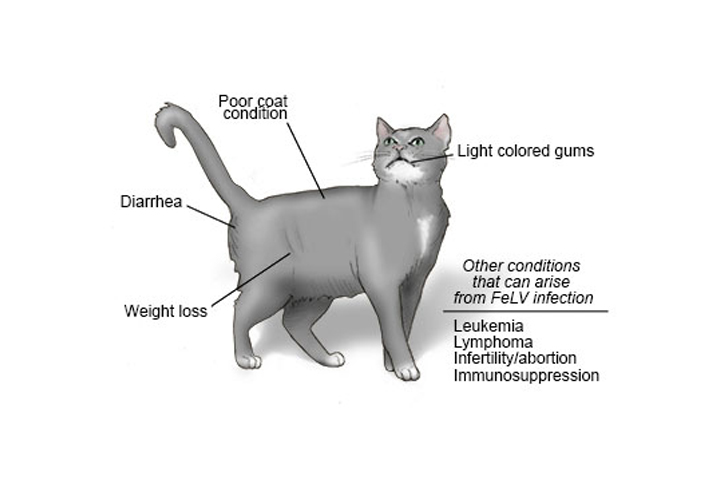
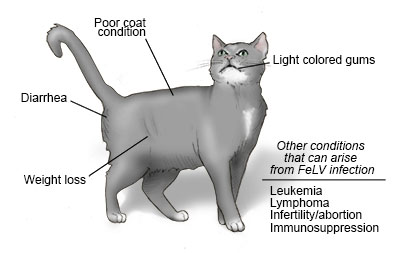
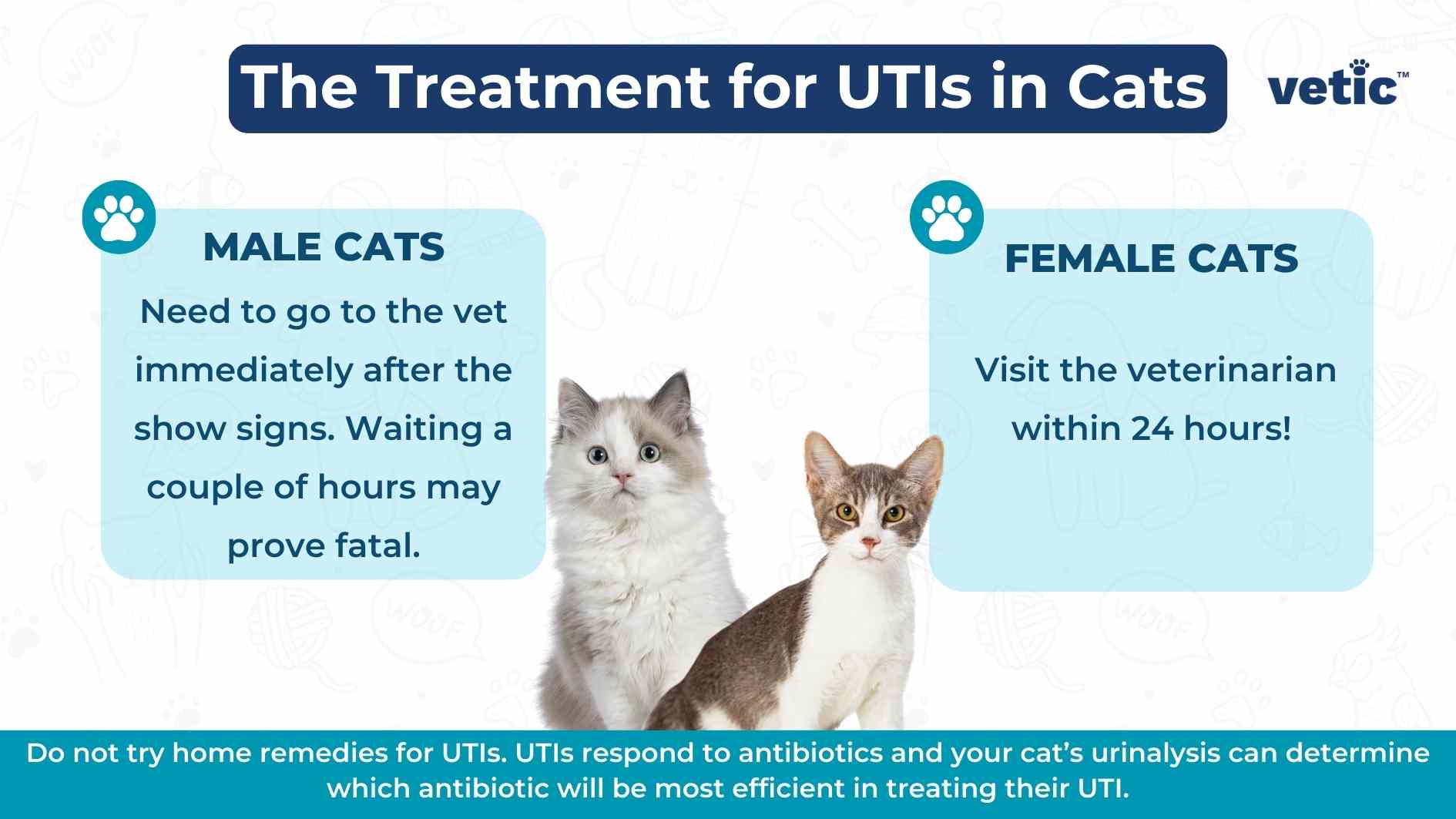
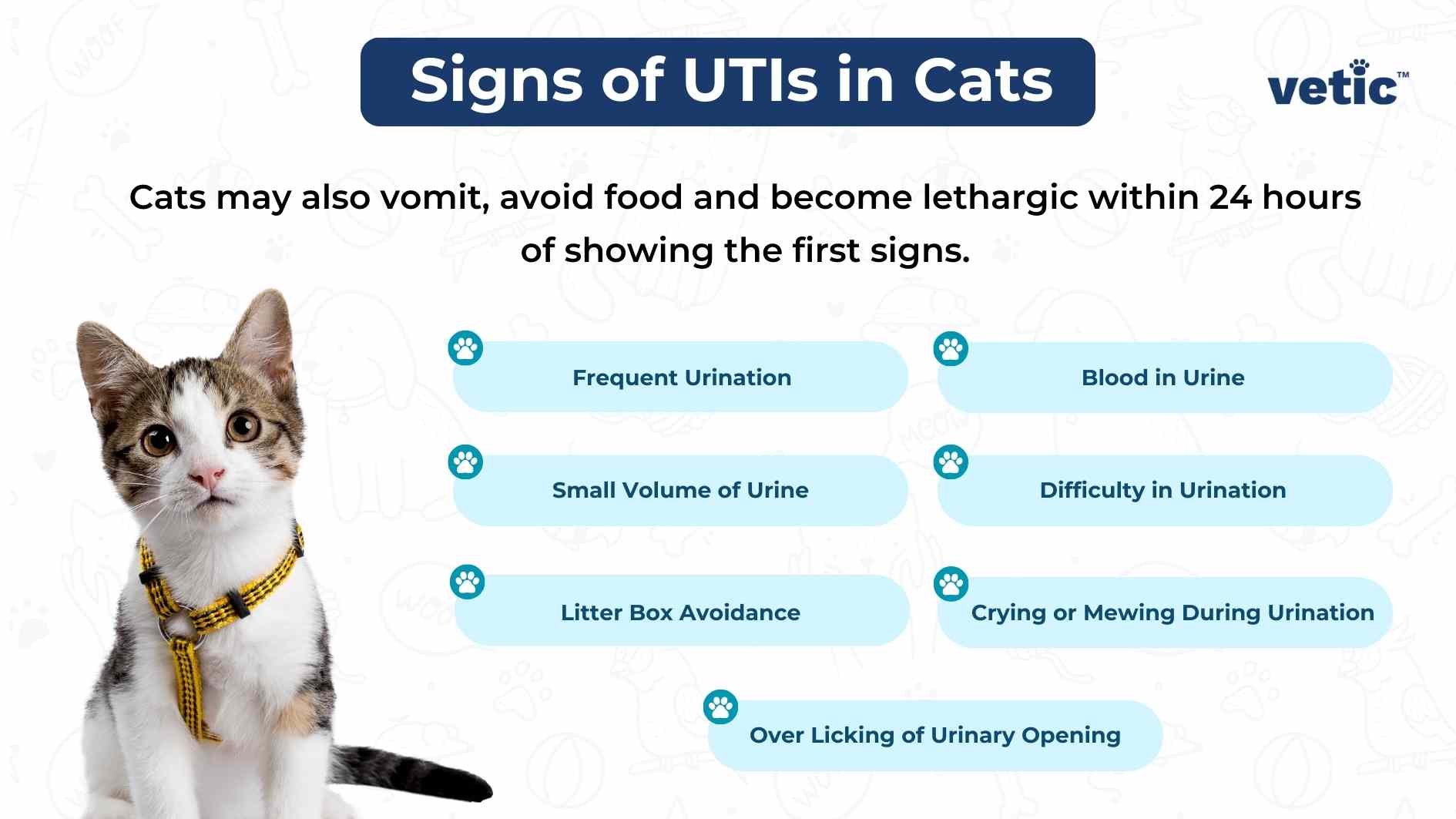
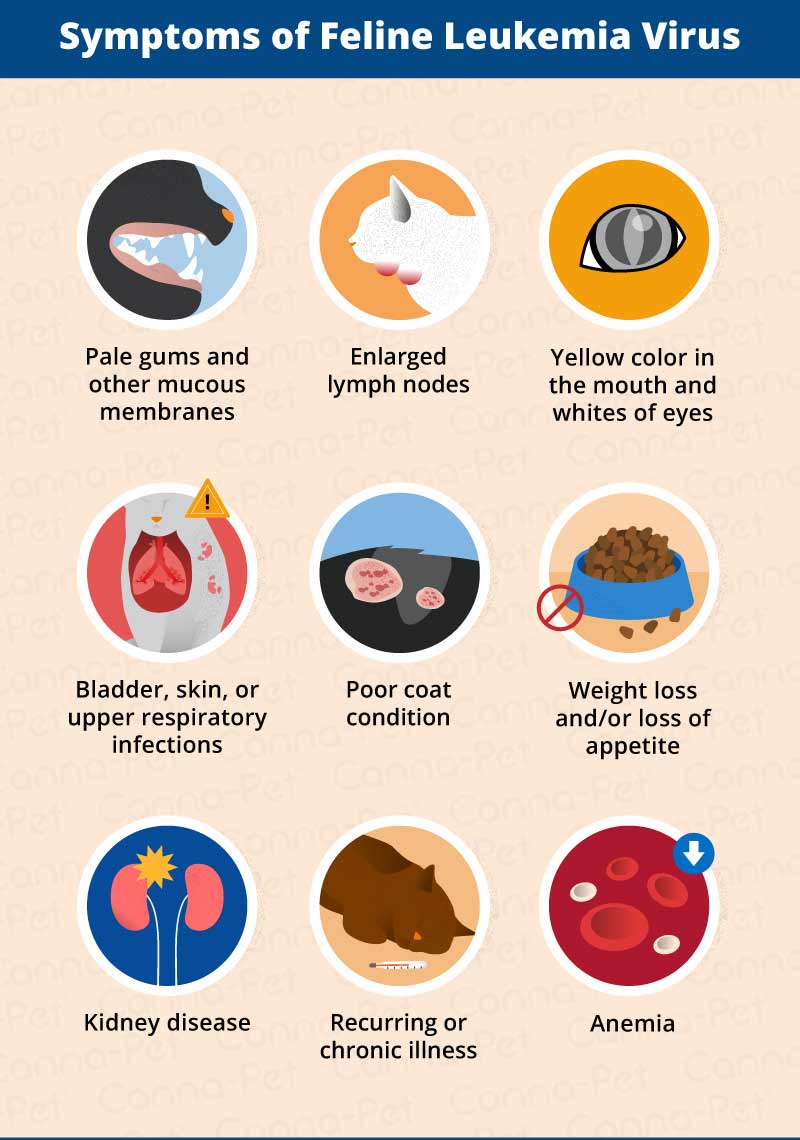
Cats infected with feline leukemia virus often develop secondary skin, upper respiratory tract , eye, or urinary tract infections due to their immune system being compromised.
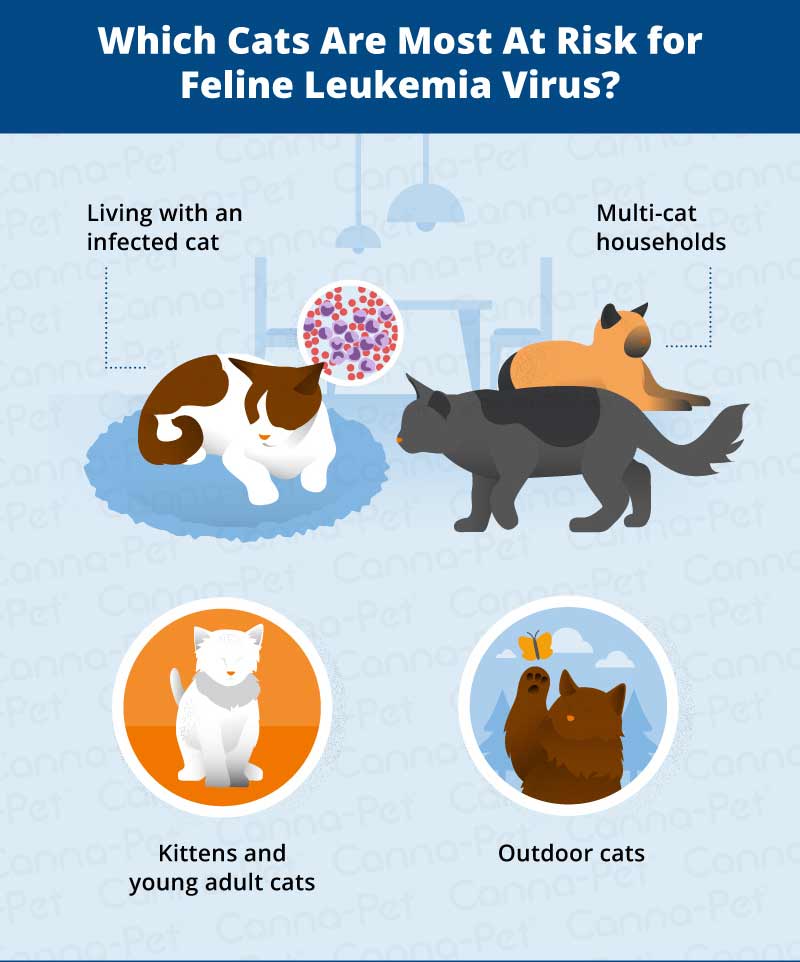
Understanding Feline Leukemia Virus (FeLV) Feline Leukemia Virus (FeLV) is a retrovirus that weakens a cat's immune system. This makes them highly vulnerable to various infections and diseases, including certain types of cancer. It spreads through saliva, nasal secretions, urine, feces, and milk. Mutual grooming, shared food and water bowls, and even bites can transmit the virus.
2025 iCatCare consensus guidelines on the diagnosis and management of ...
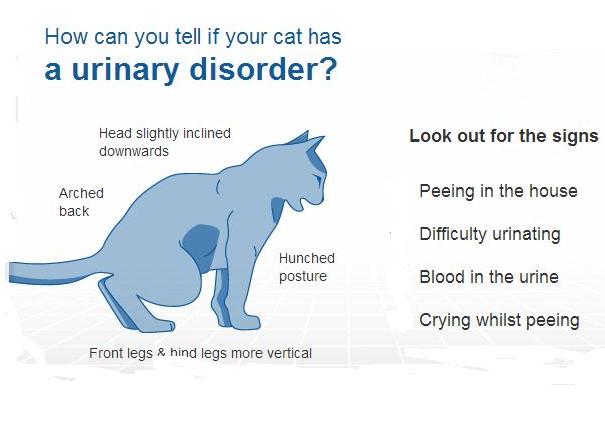
The '2025 iCatCare consensus guidelines on the diagnosis and management of lower urinary tract diseases in cats' provide an overview of the common presenting signs caused by underlying feline lower urinary tract (LUT) diseases in cats , which often are indistinguishable between different underlying causes . The Guidelines set out a diagnostic approach to affected cats before focusing on the most ...
The Guidelines set out a diagnostic approach to affected cats before focusing on the most common causes of LUTS: feline idiopathic cystitis (FIC), urolithiasis, urinary tract infection and urethral obstruction. The aim is to provide practitioners with practical information on these problematic conditions.
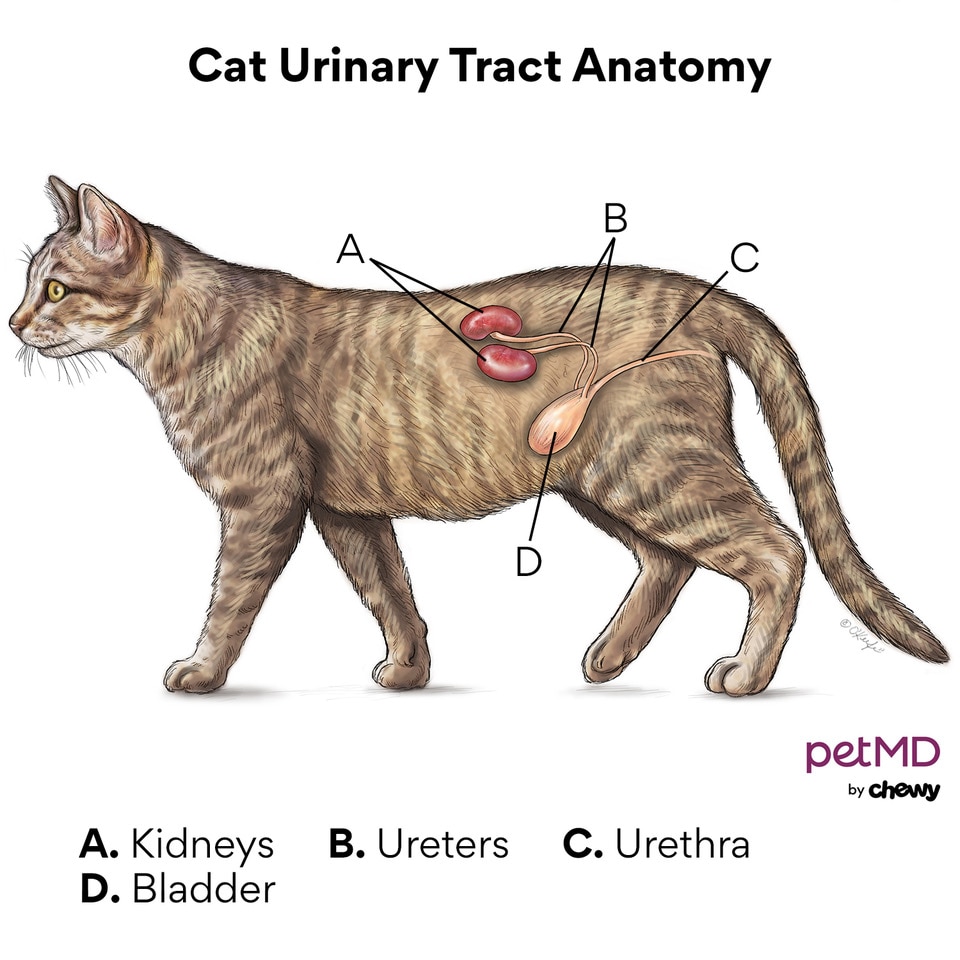
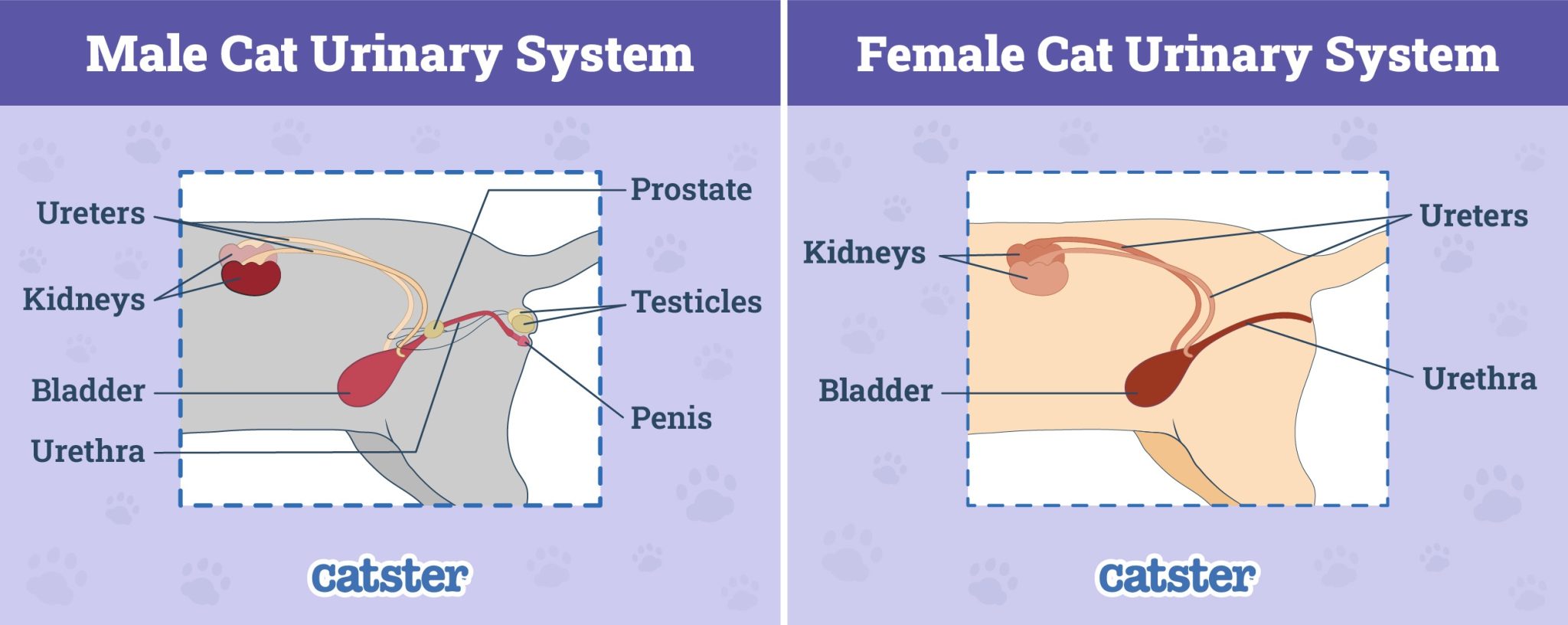
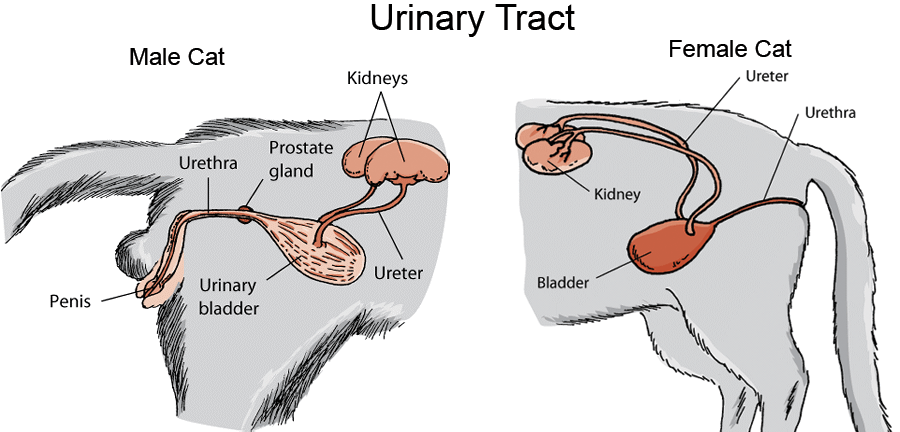
Feline Urinary Tract
Whether you're already a pet parent or not Pet Circle's Vet Squad are here to help. Check out our new puppy guide, new kitten guide & hundreds more articles.
Feline Leukemia Virus Infection
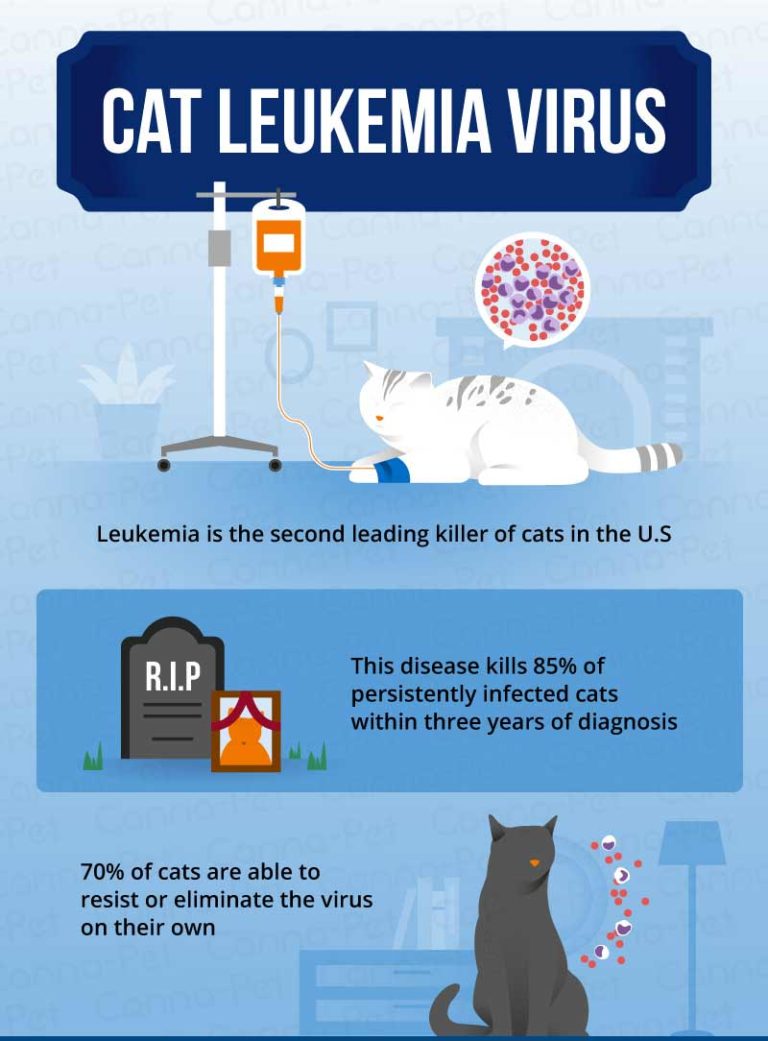
FeLV infection progresses more rapidly than FIV infection and is more pathogenic, so most cats that develop progressive infections ultimately die of FeLV-related disease. However, in contrast to FIV infection , many cats in the early state of FeLV infection regress to a permanent state of viral latency ("regressive infection ").
Feline leukemia virus (FeLV) is one of the most important infectious diseases of cats worldwide. Affected cats can develop anemia (a low red blood cell level), cancers, and/or suppression of the immune system. The disease worsens over time and is usually fatal. The virus can infect domestic and wild cats (such as lions). Widespread testing and vaccination efforts have helped to reduce the ...
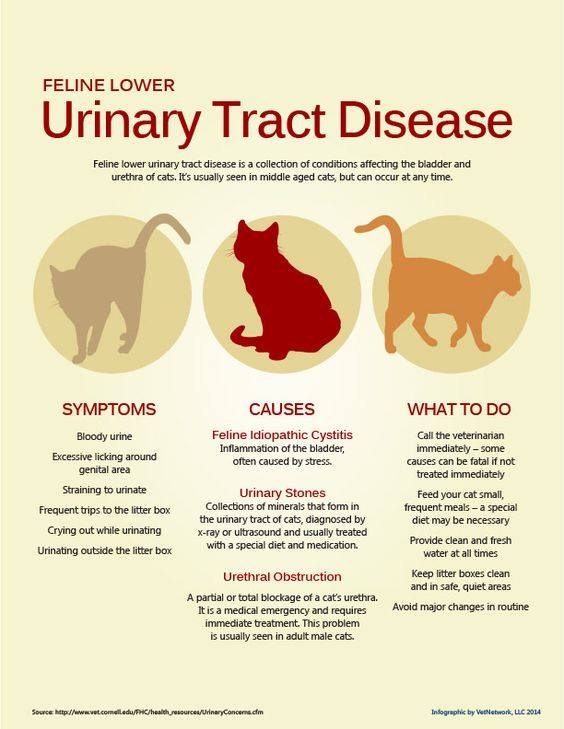
Moving forward, it's essential to keep these visual contexts in mind when discussing Causes Of Urinary Tract Infections In Cats With Feline Leukemia.
Can Feline Leukemia Cause Blood in Urine
Feline Leukemia and Hematuria: Understanding the Connection Can Feline Leukemia Cause Blood in Urine? While not a direct and common symptom, Feline Leukemia Virus (FeLV) can indirectly lead to blood in urine (hematuria) through various complications such as secondary infections , certain cancers, and immune-mediated diseases.
Endogenous Gammaretroviruses Endogenous feline leukaemia viruses (enFeLV) are remnants of ancient retroviral infections in all domestic cats , originating from murine leukaemia viruses (MuLV). While enFeLV cannot replicate or cause disease alone, they can recombine with FeLV-A, potentially creating more pathogenic variants.
Feline leukaemia virus (FeLV) infection in domestic pet cats in ...
Progressive feline leukaemia virus (FeLV) infection dramatically shortens the lives of infected cats , causing acquired immunodeficiency, aplastic anaemia, lymphoma, leukaemia and other myeloproliferative diseases. The potential impact of regressive FeLV infection on the development of disease remains largely unknown, although there is evidence it contributes to lymphoma development. Despite a ...