Impact Of Spinal Cord Injury On Sleep
This systematic review was undertaken to comprehensively review the current literature on sleep disorders after spinal cord injury (SCI) to identify discrepancies and similarities in the occurrence of sleep disorders among non-disabled people .
Sleep disorders in patients with spinal cord injury
The impact of sleep quality on health, participation and employment outcomes in people with spinal cord injury : Analyses from a large cross-sectional survey. Ann Phys Rehabil Med. 2023; 66 (5), doi: 10.1016/j.rehab.2023.101738, indexed in Pubmed: 37084505.
In addition, various factors can negatively affect sleep after spinal cord injury , including pain, insomnia, and/or the circadian rhythm sleep -wake disorders . Subsequently, people with spinal cord injuries report daytime symptoms such as fatigue, excessive daytime sleepiness, difficult concentration, and impaired quality of life.
STATE OF THE ART: Sleep disorders exacerbate SCI-related complications. However, despite their high prevalence, many patients remain undiagnosed and untreated. Therefore, the goal of research in this field is to: (i) develop home-based diagnostic methods for people who are unable or unwilling to attend an overnight sleep study, (ii) identify the reasons for missed diagnoses, side effects, and ...
ABSTRACT Introduction. Individuals with spinal cord injury (SCI) frequently experience sleep disorders , including sleep -disordered bre-athing (SDB), sleep -related movement disorders (SMDs), circadian rhythm sleep disorders (CRSDs), and insomnia. Material and methods. A literature search was conducted using PubMed, Web of Science, and Scopus to identify systematic reviews, meta-analyses ...
Sleep Disorders in Spinal Cord Injury
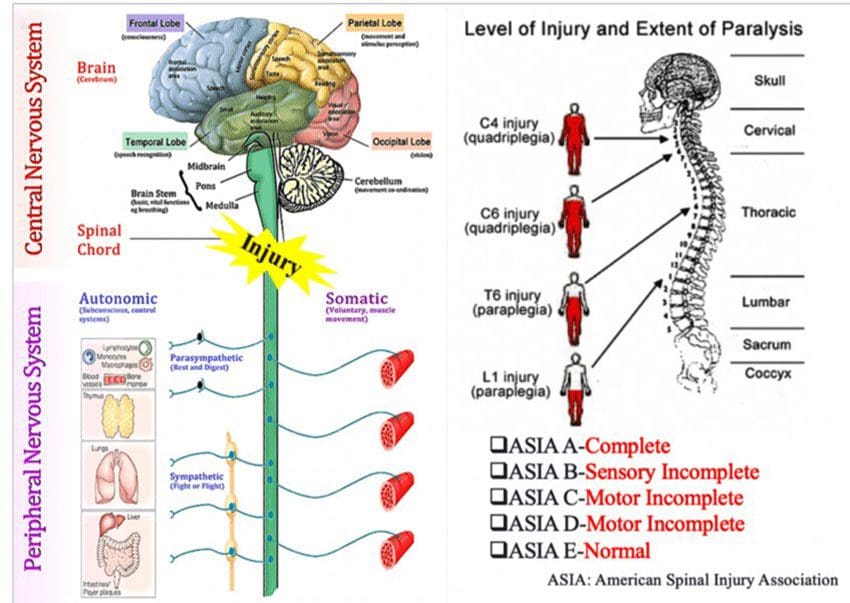
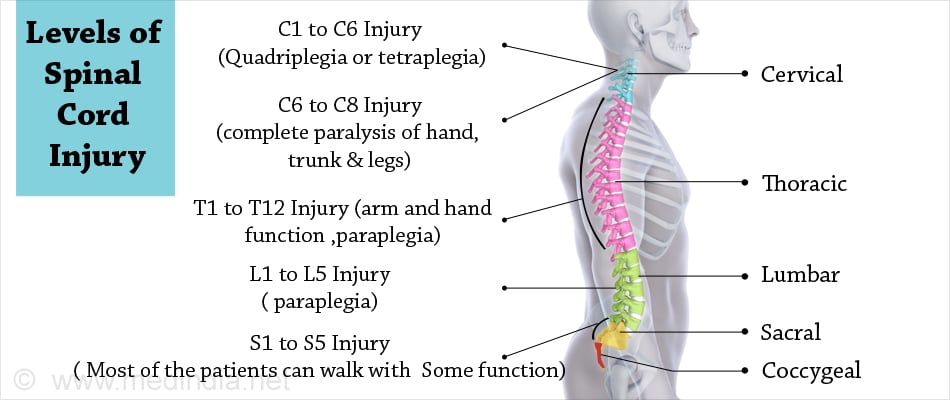
Pathophysiological changes resulting from spinal cord injury (SCI) result in four groups of sleep -related problems: (1) sleep -disordered breathing with hypoventilation and obstructive sleep apnea; (2) circadian rhythm disorders with disruption of melatonin and body temperature rhythms; (3) sensorimotor problems with restless legs and periodic limb movements; and (4) insomnia with ...

Study Objectives: We sought to determine the role of sleep -disordered breathing, insomnia symptoms, and sleep quality in the daytime function and quality of life of veterans with spinal cord injury . Methods: This cross-sectional cohort study took place in a Veterans Administration medical center in the midwestern United States. Thirty-eight male veterans with spinal cord injury (22 cervical ...
Insomnia in spinal cord injury
Problems with the quality, timing and/or amount of sleep are serious complications following a spinal cord injury or disease (SCI/D) and, if left untreated, can develop into a diagnosable insomnia disorder [[1,NaN]]. The cumulative effects of insomnia can exacerbate deleterious health consequences already associated with SCI/D (e.g., increased risk of cardiovascular disease) [2]. Insomnia can ...
Objectives: Sleep disturbances are a common complaint among individuals with spinal cord injury (SCI) and were not usually present before the SCI. Their sleep disturbances, including disrupted sleep , spasms, and problems with initiating and sustaining sleep through the night, affect SCI individuals' overall quality of life due to excessive tiredness and low energy levels during the day ...