Diet for IUGR Pregnancy
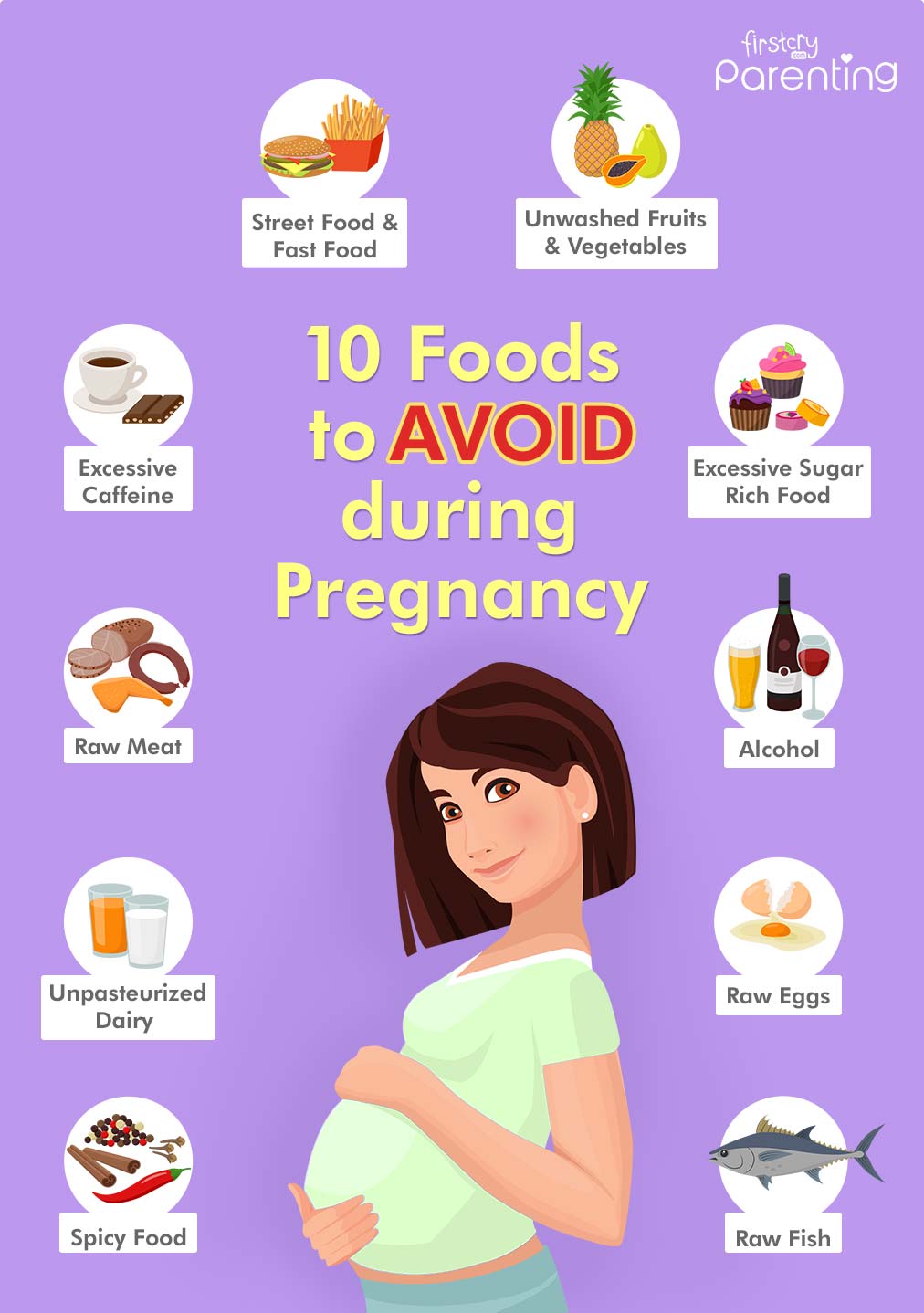
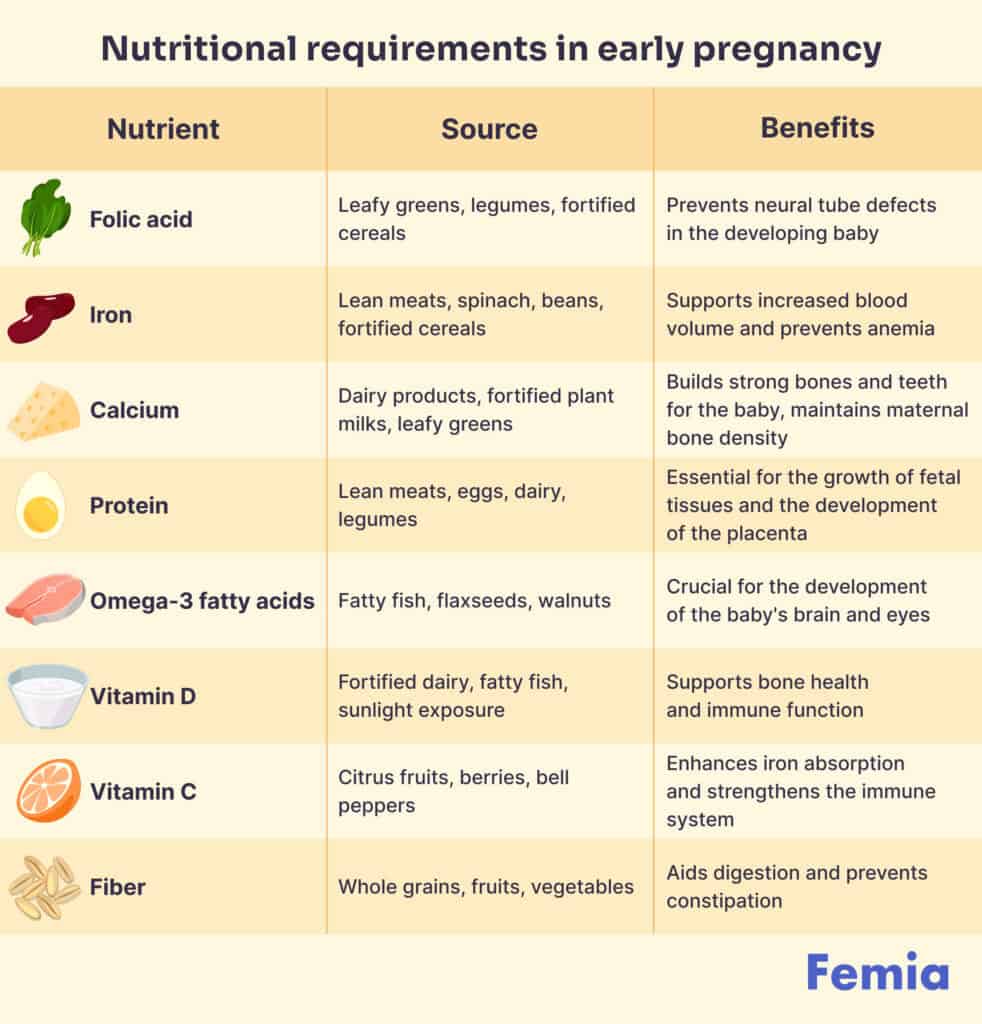
Learn about the importance of a healthy diet during pregnancy , specifically for women experiencing intrauterine growth restriction (IUGR) or having a small for gestational age pregnancy . Find out how to create an eating plan to support a healthy pregnancy and promote optimal growth and development of the baby.
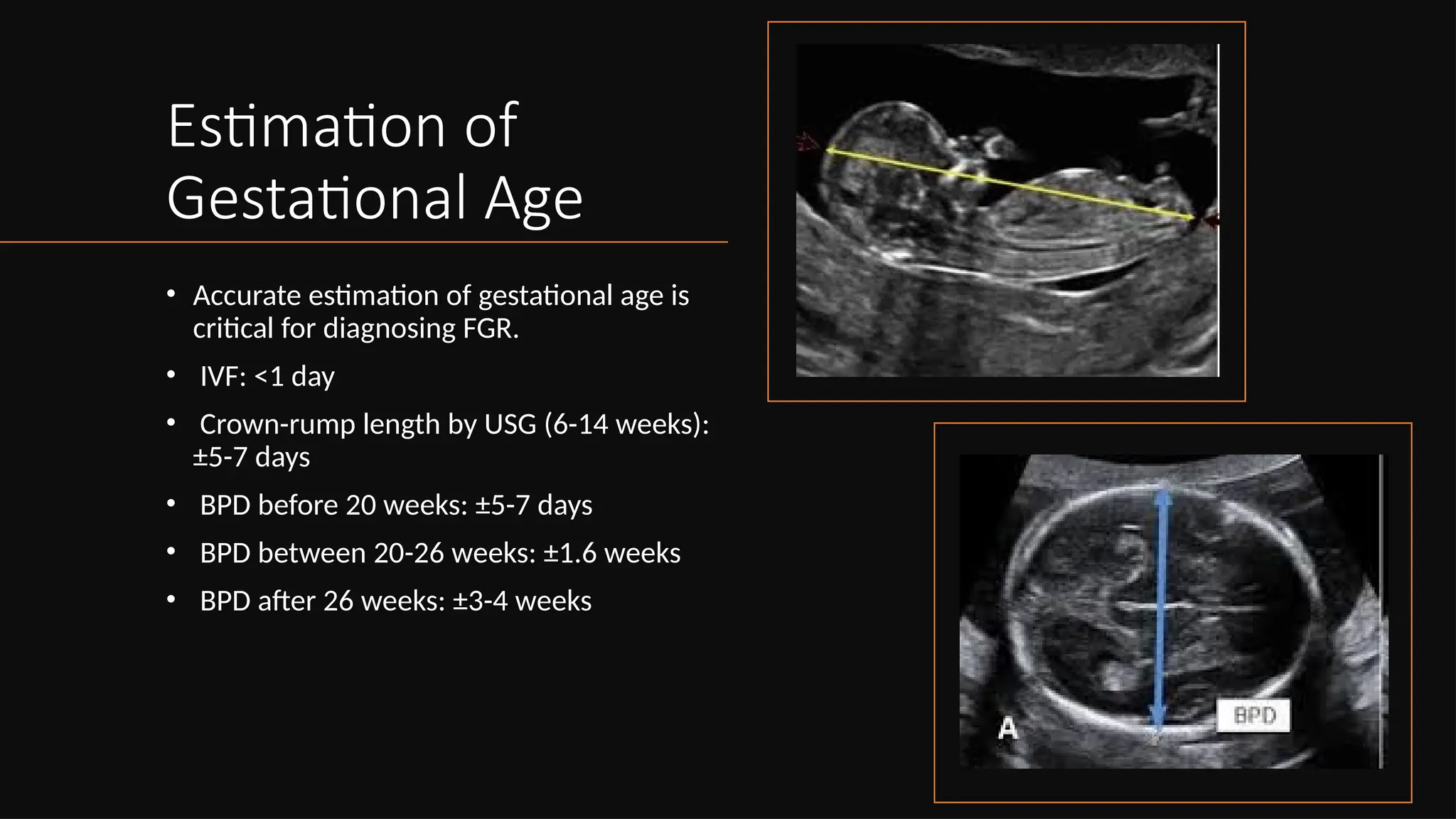
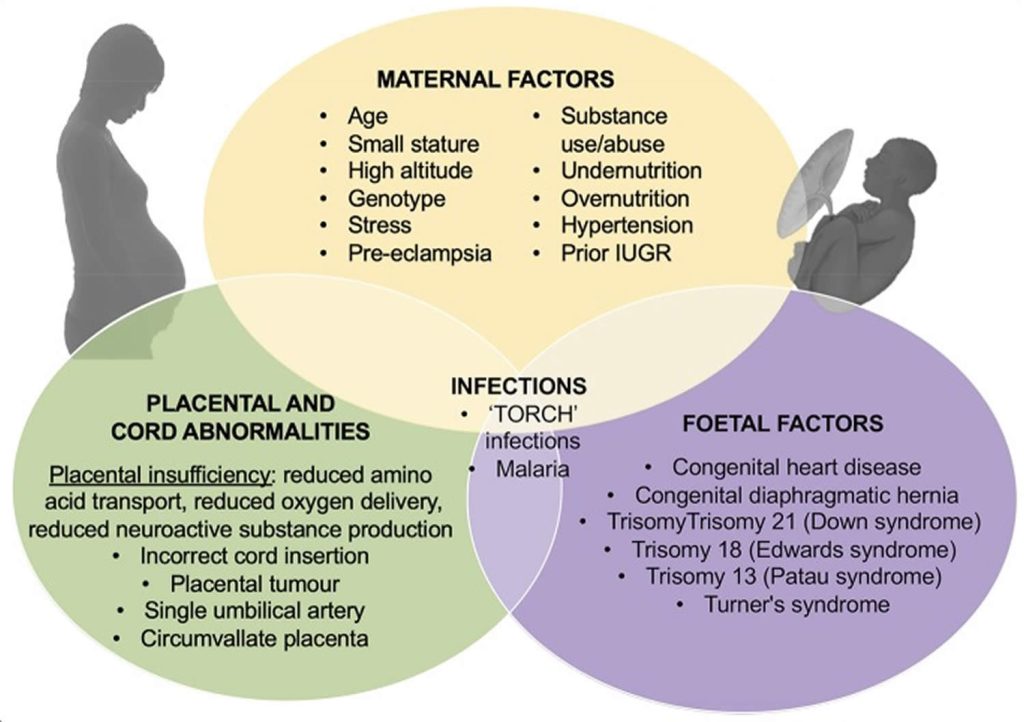
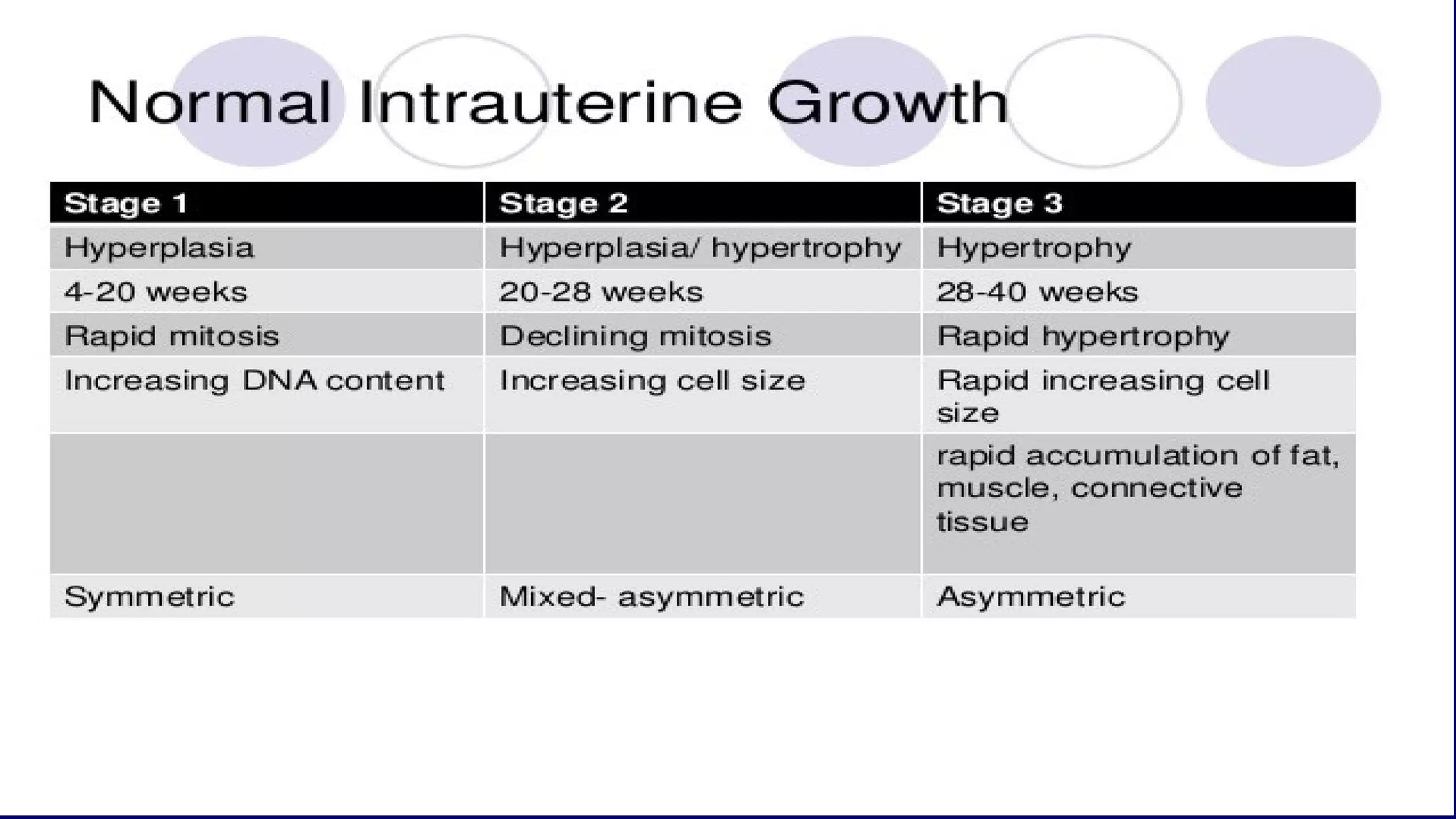
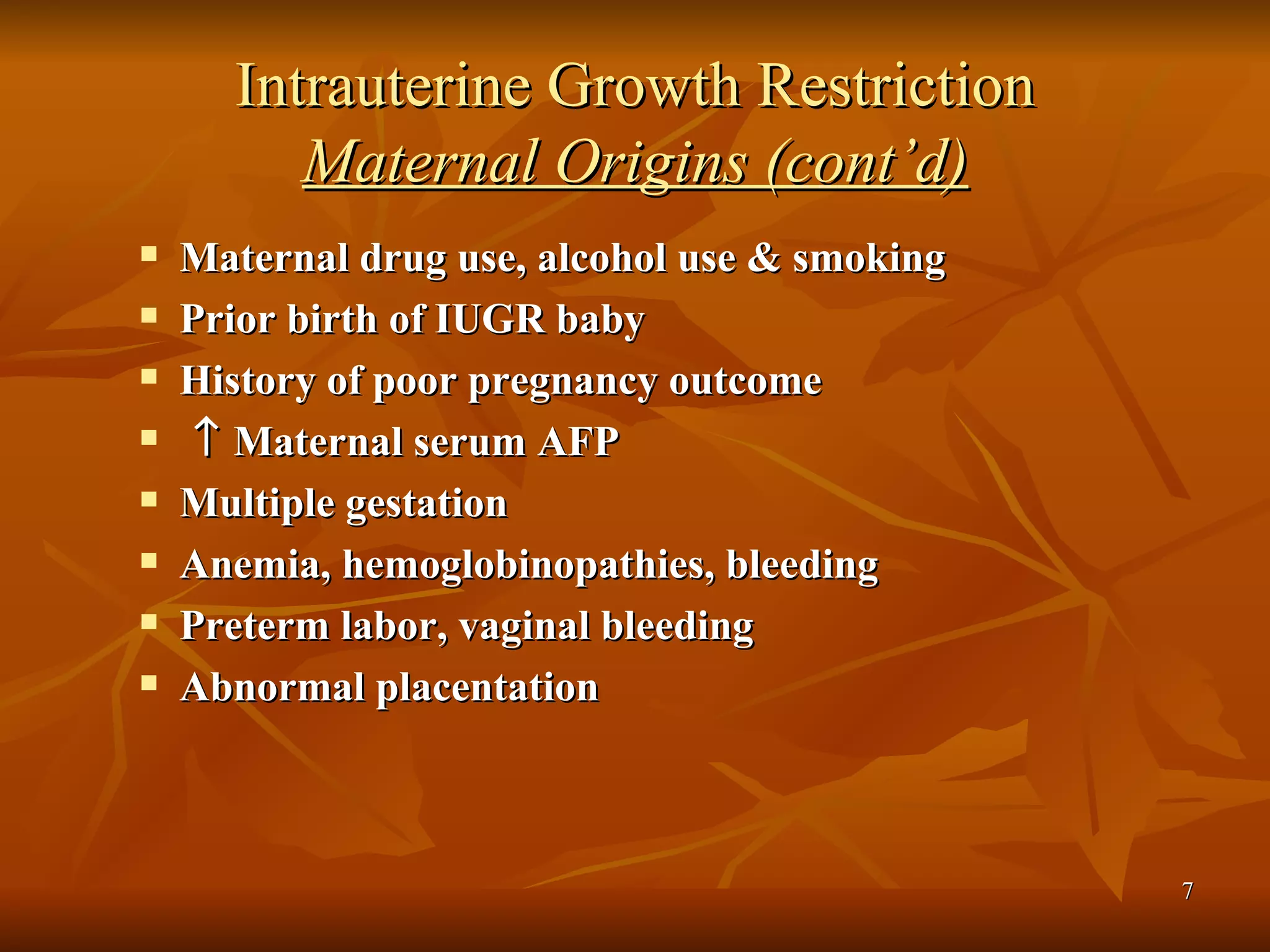
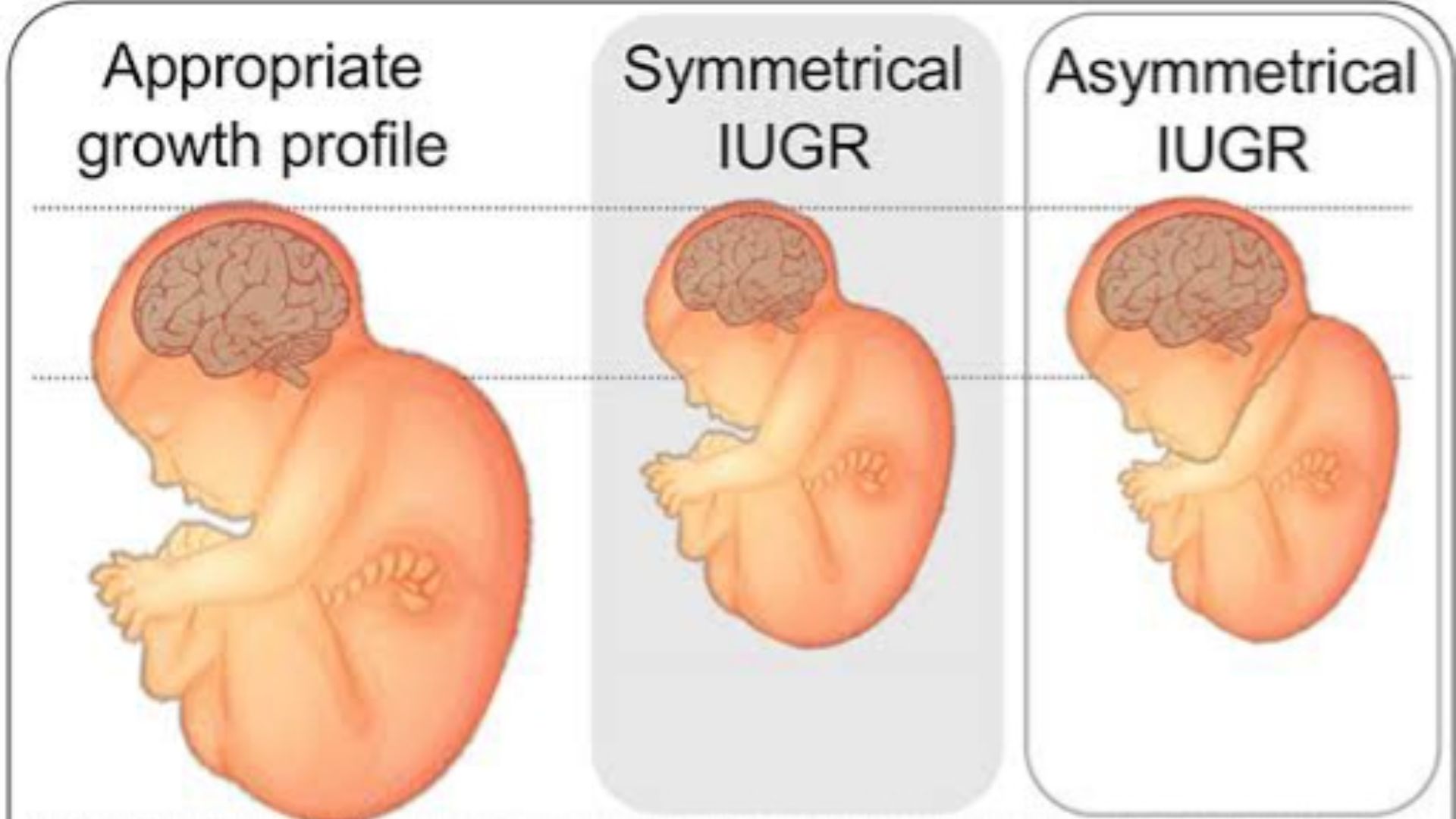
Intrauterine growth retardation (IUGR) refers to a condition when the baby in the womb does not grow as expected. It means the baby is not growing at a normal rate inside the womb and is not as big as it is expected to be during each stage of the mother's pregnancy . The two types of intrauterine growth restriction or (IUGR) are: • Symmetrical IUGR: a condition when all parts of the baby ...
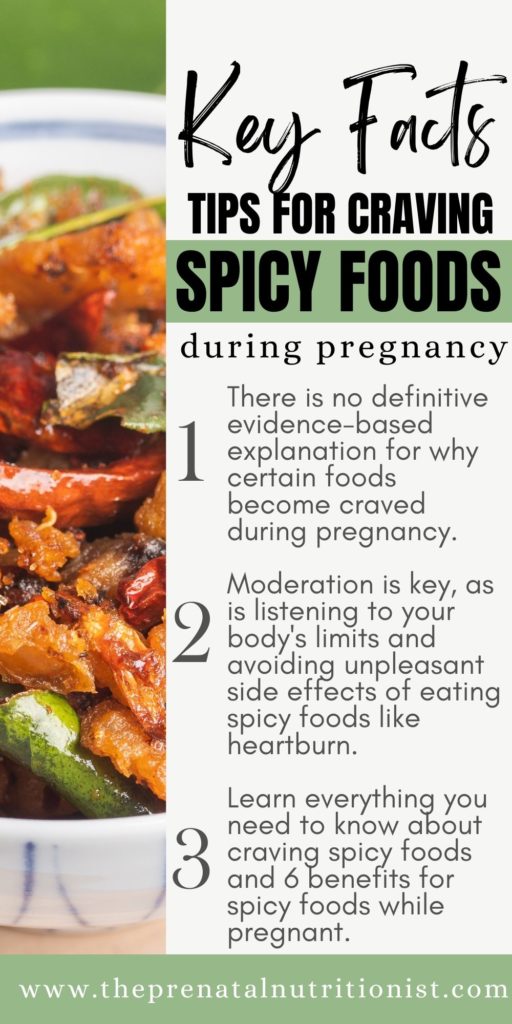
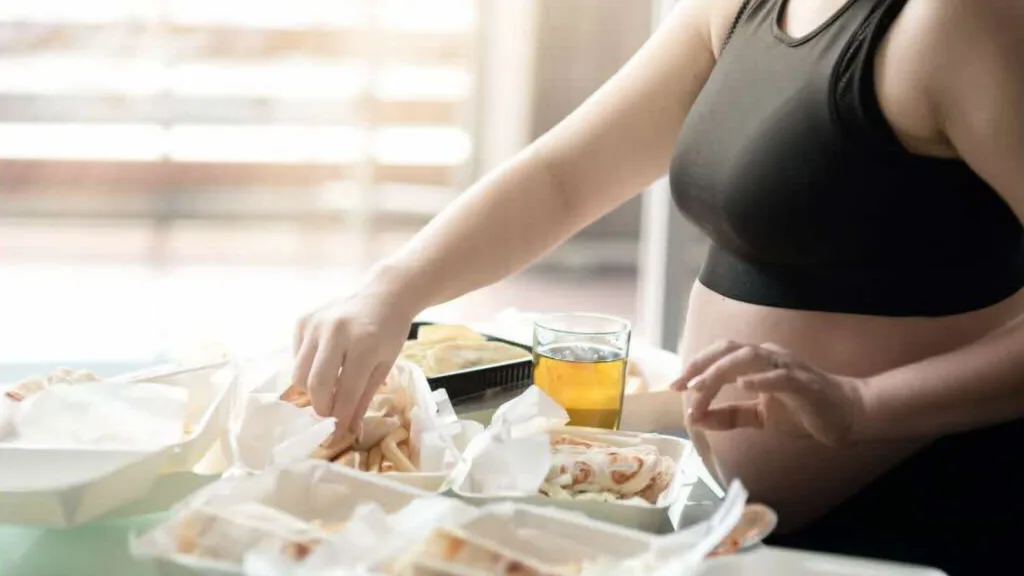
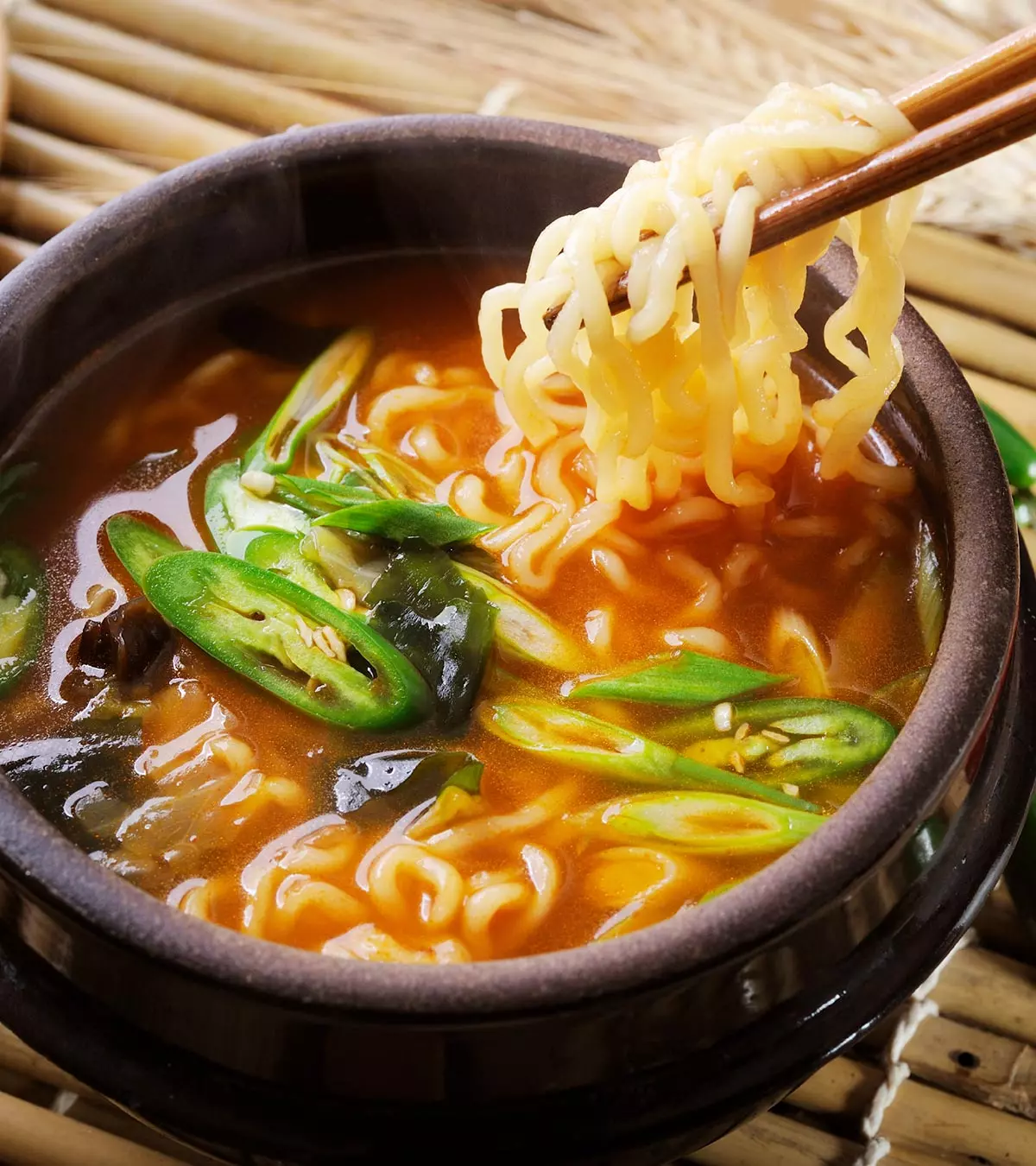
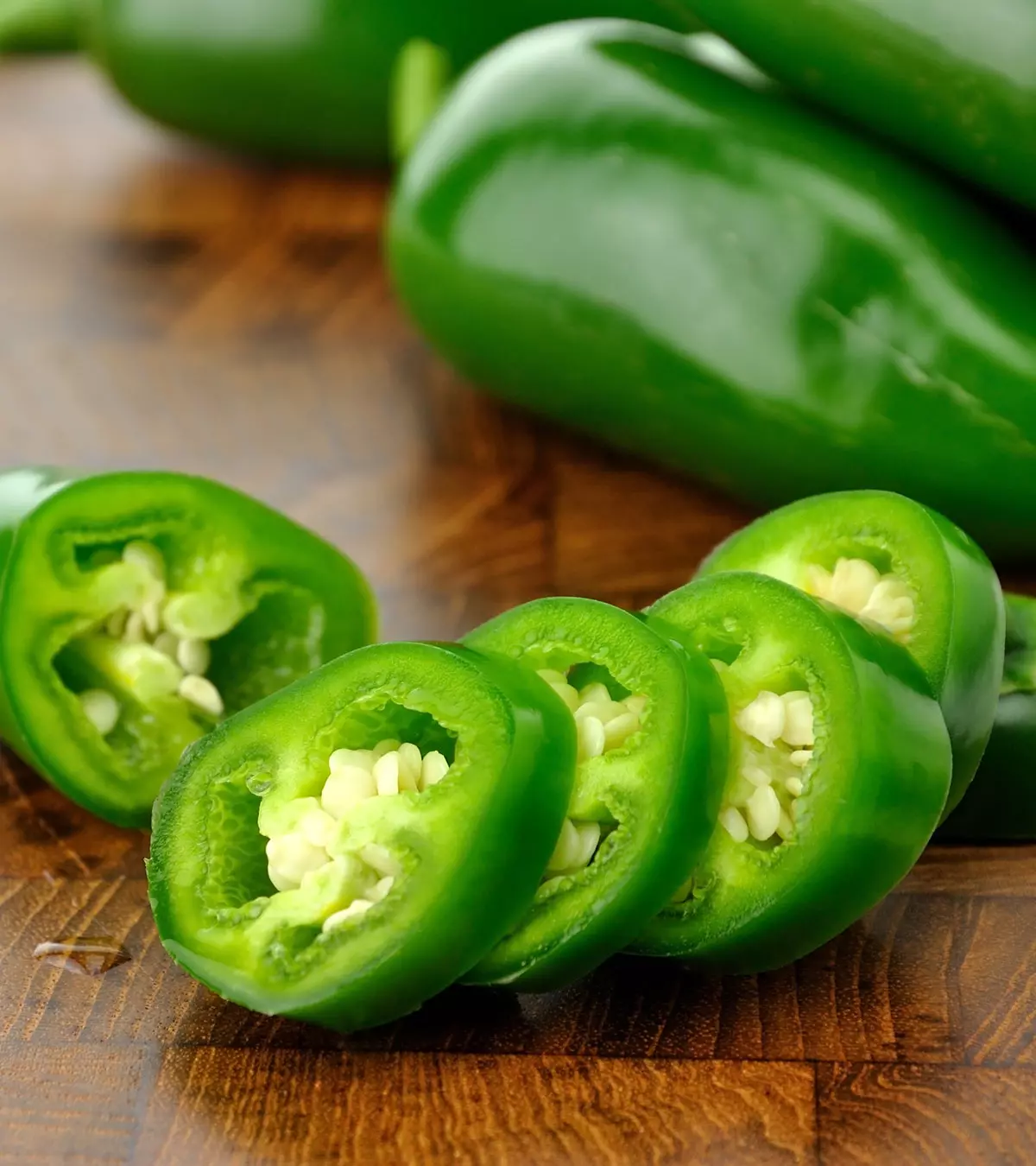
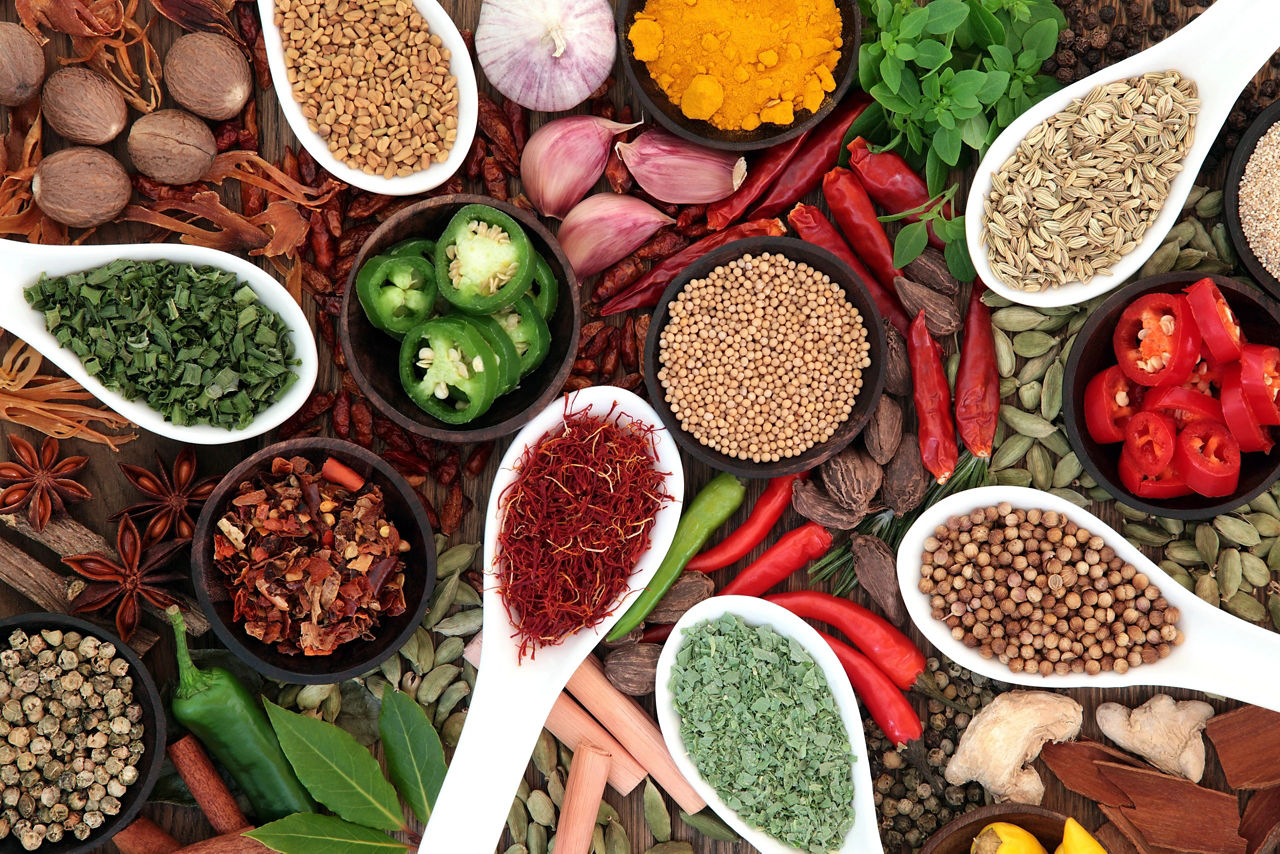
Craving spicy food during pregnancy , but wondering "can you eat spicy food while pregnant?" Read on to learn if it's safe to eat spicy food while pregnant.

Abstract Dietary pattern is excellent in reflecting an individual's eating conditions. Longitudinal data on fetal growth can reflect the process of intrauterine growth . We aimed to evaluate the associations between maternal dietary patterns and intrauterine parameters in middle and late pregnancy . The present study was conducted within Jiangsu Birth Cohort (JBC) study. Dietary information was ...
Spicy Food in Pregnancy
Are spicy foods safe for baby? Here's some good news: Eating spicy food during pregnancy is 100 percent safe for your baby. Really! It can't hurt your little one.

Moving forward, it's essential to keep these visual contexts in mind when discussing Eating Spicy Food During Pregnancy With Intrauterine Growth Restriction.
This chapter of the 2024 edition of the yearbook on Nutrition and Growth reviews important manuscripts published between July 2022 and June 2023 addressing the association of maternal nutrition during pregnancy and intrauterine fetal growth . In the current edition, ten studies with high impact were chosen.
New study suggests diet, stress management might reduce fetal growth ...
Research shows that eating healthy foods and managing your stress can have a positive effect on your pregnancy . While no two babies grow exactly the same, fetal measurement milestones are an important indicator of healthy organ development.
Such details provide a deeper understanding and appreciation for Eating Spicy Food During Pregnancy With Intrauterine Growth Restriction.
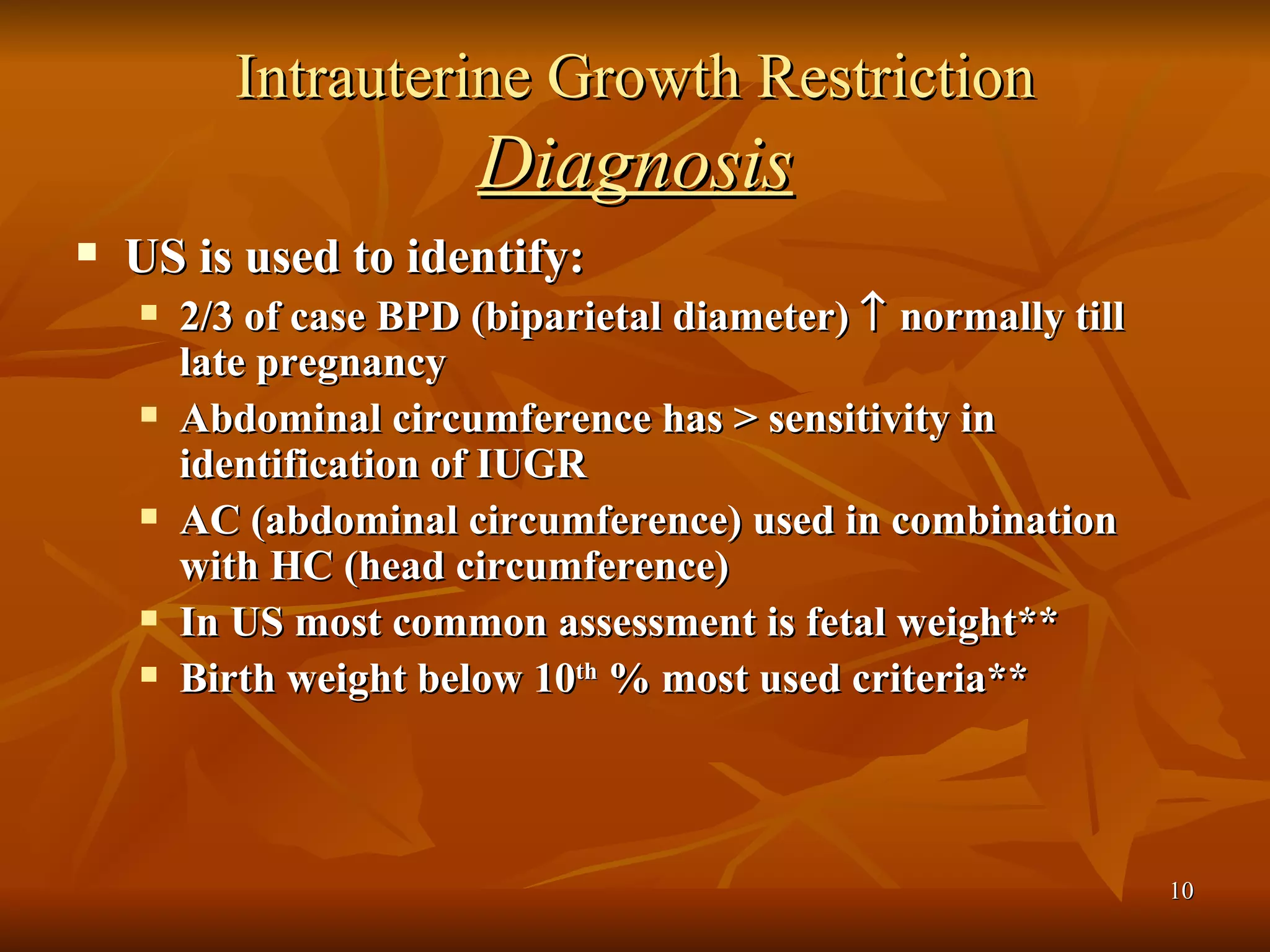
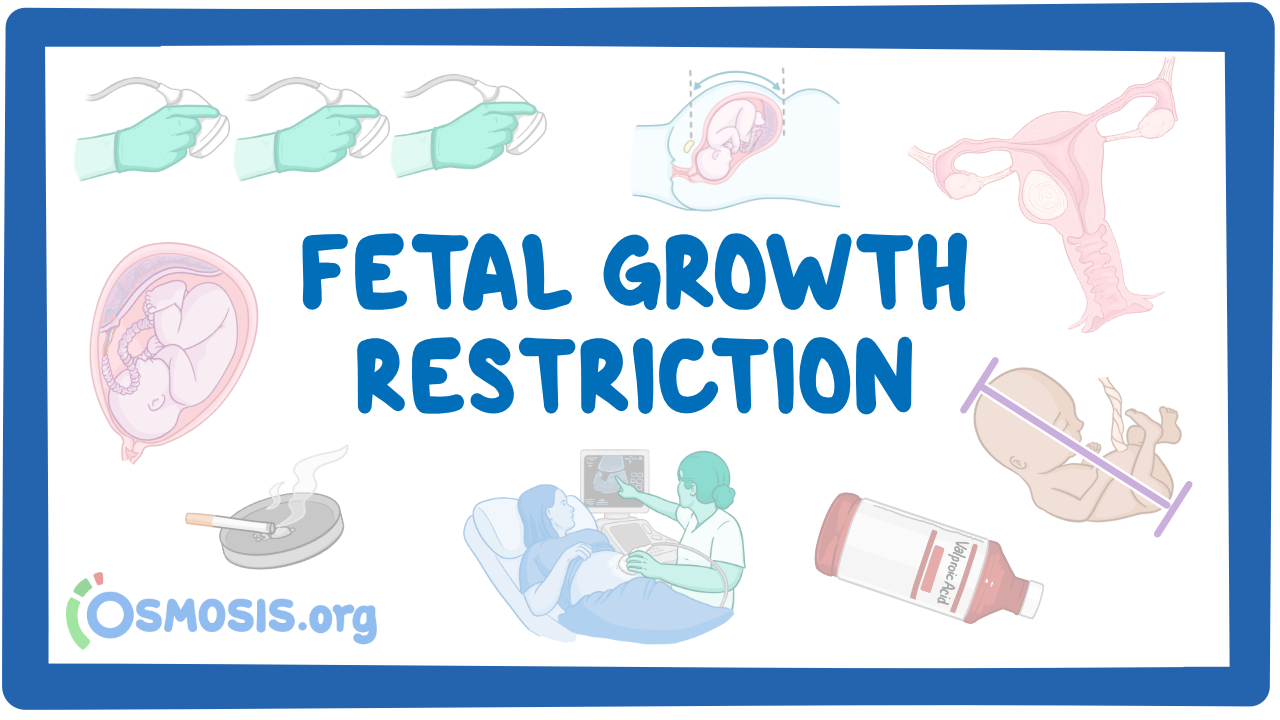
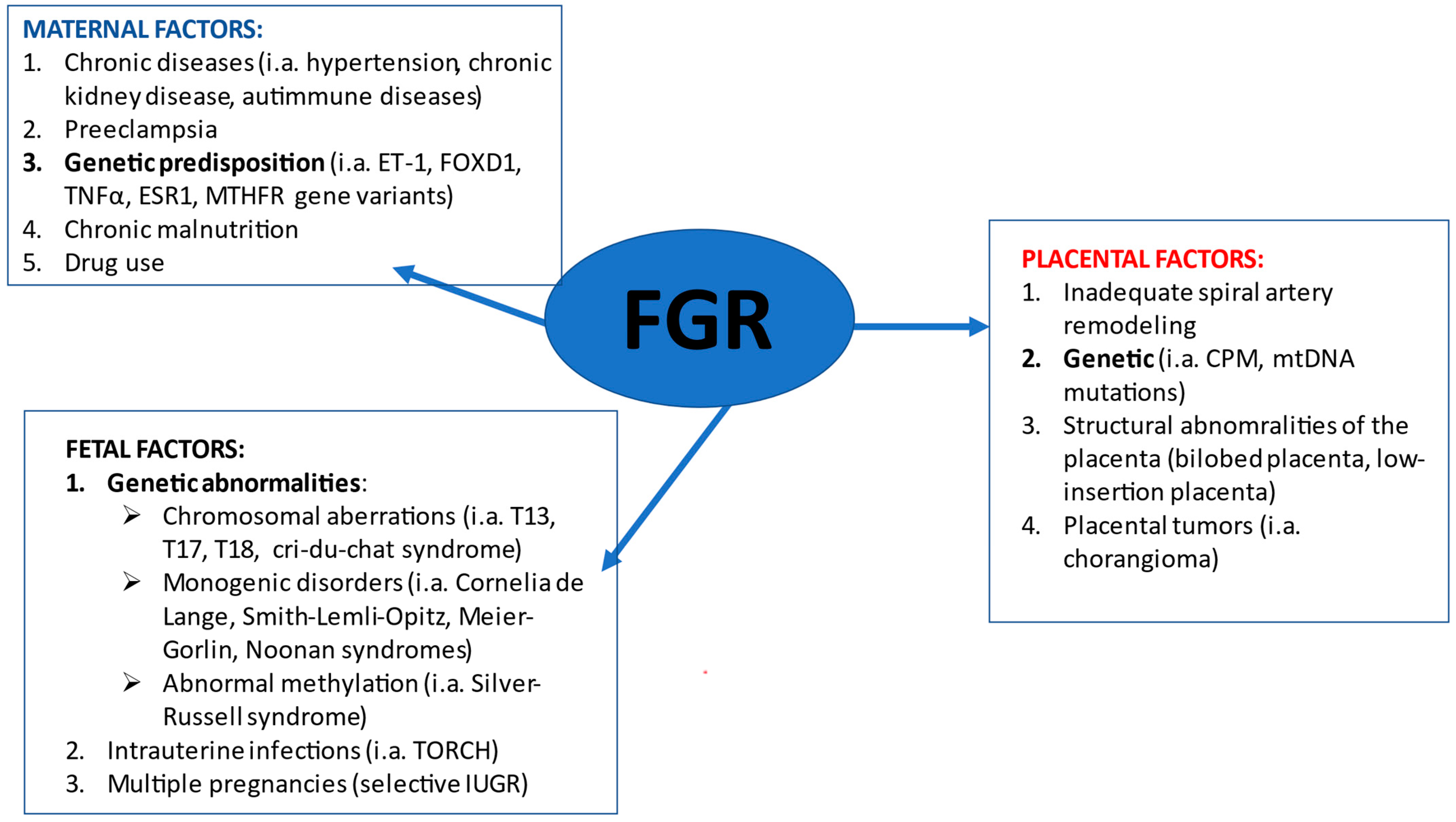
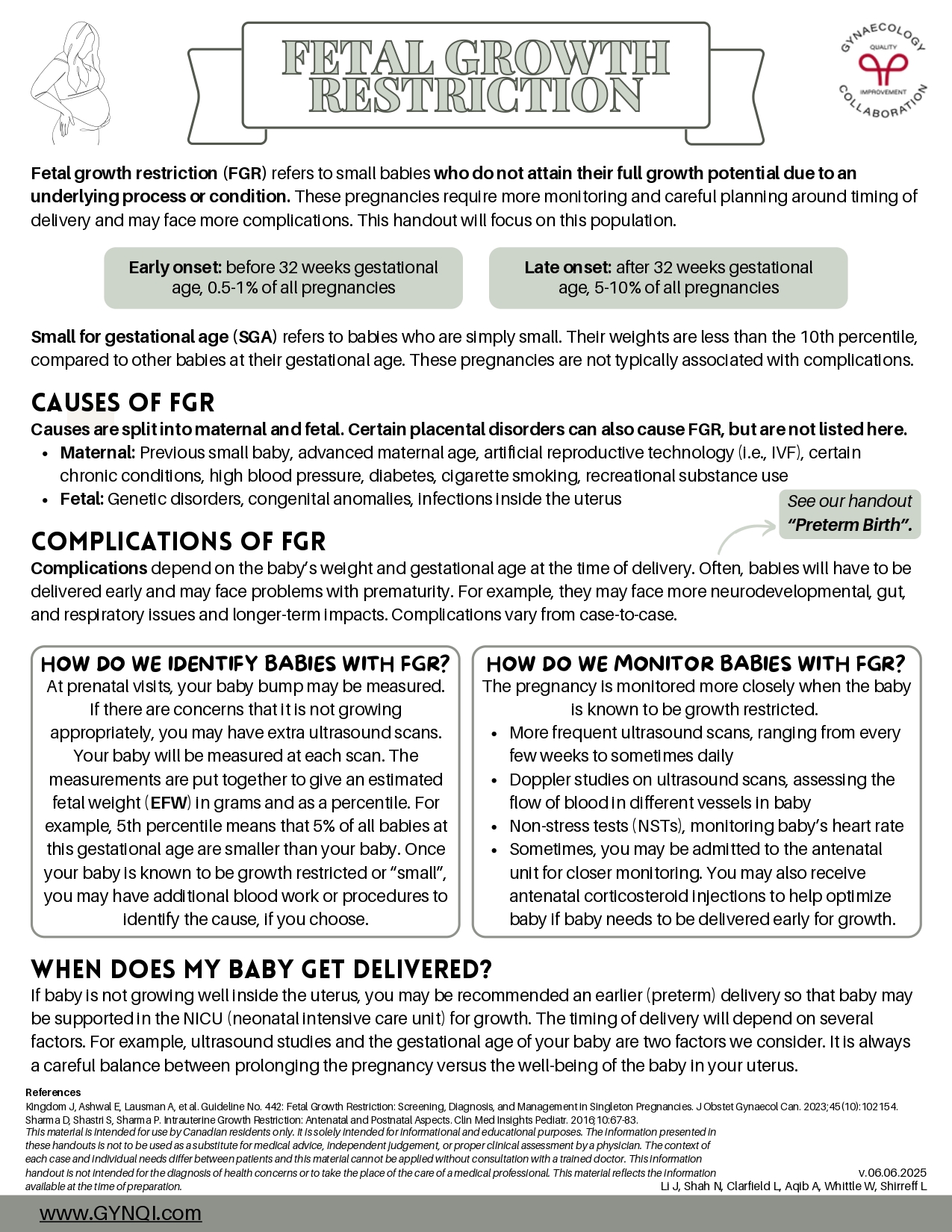
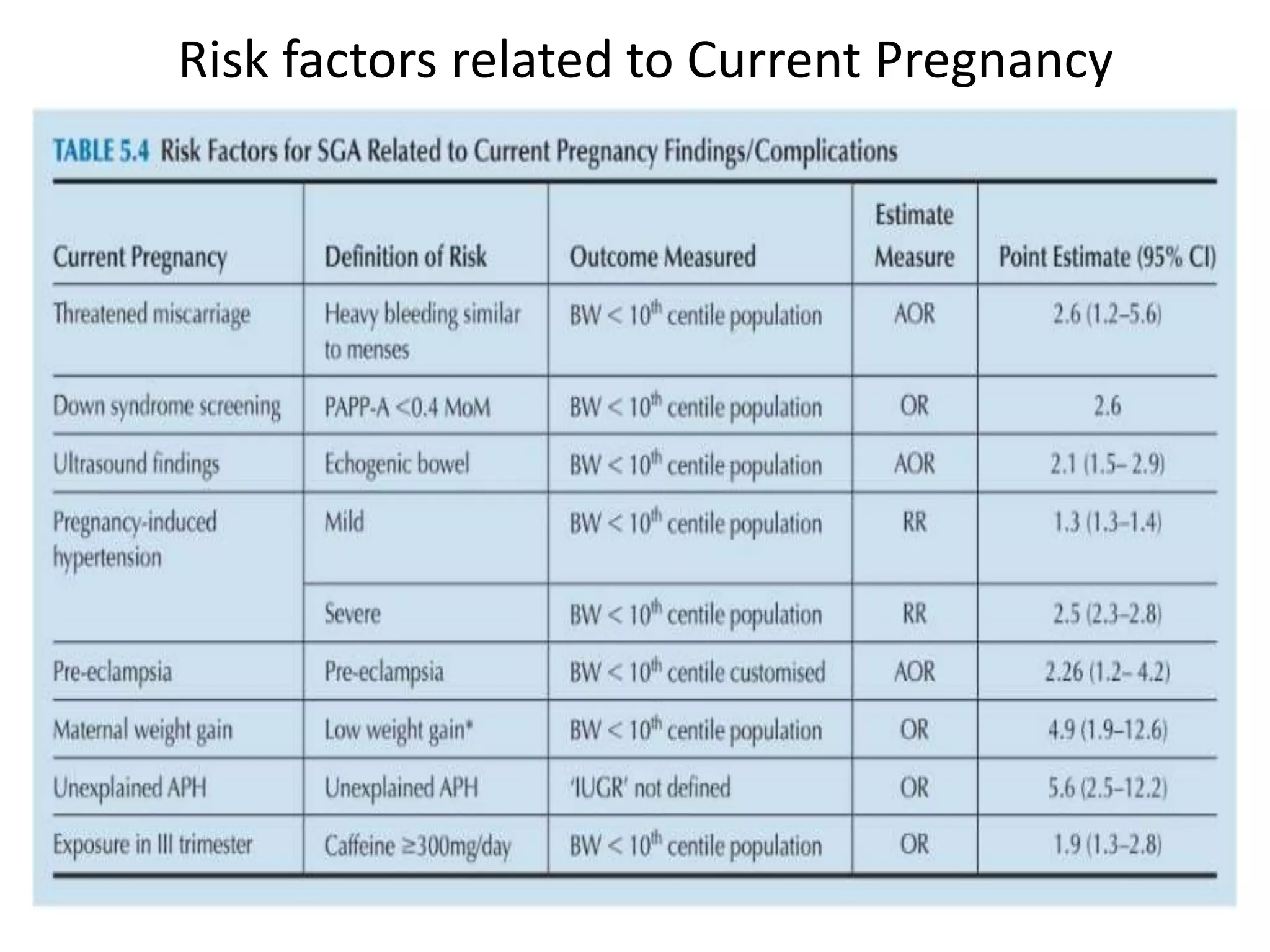
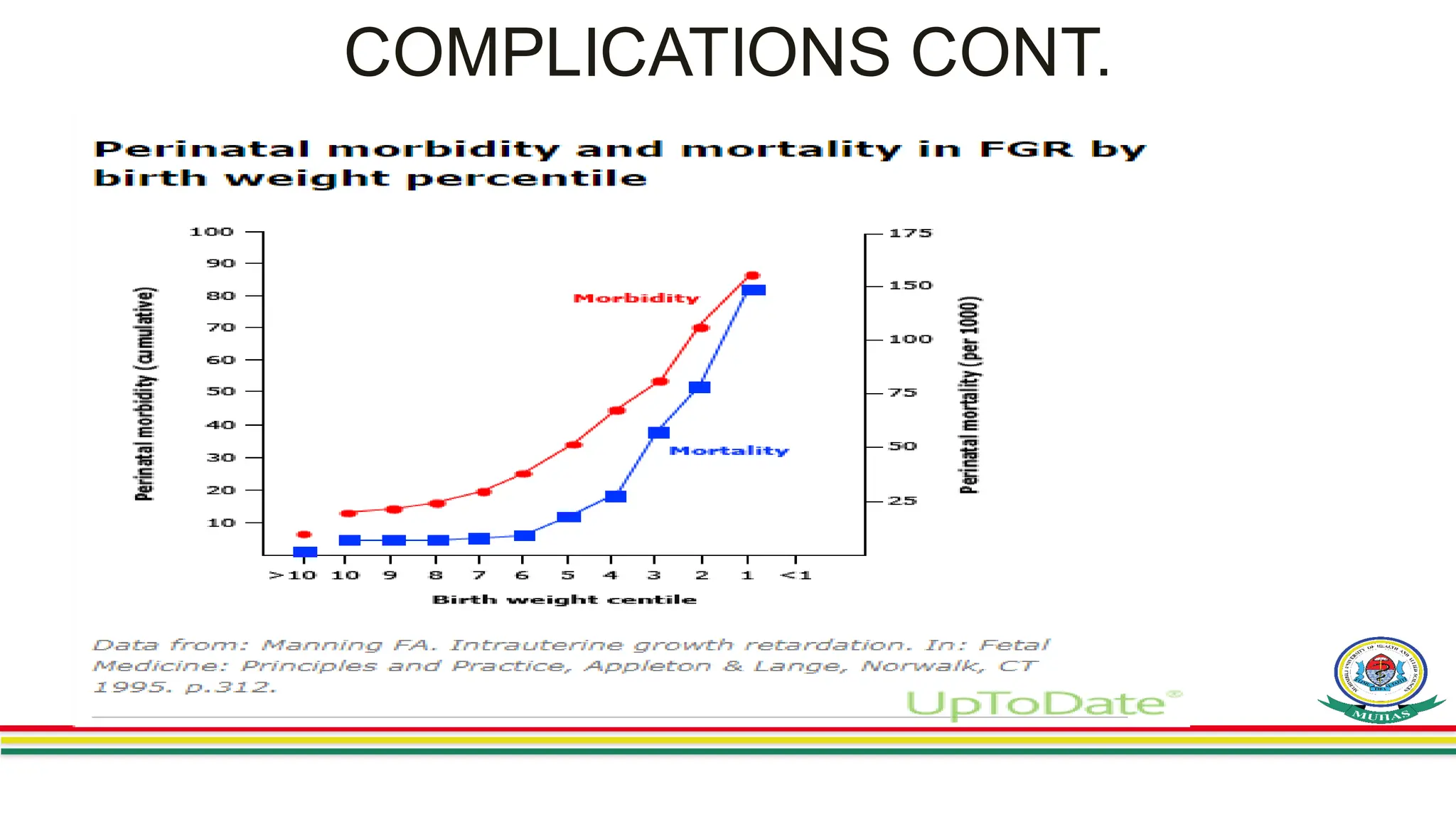
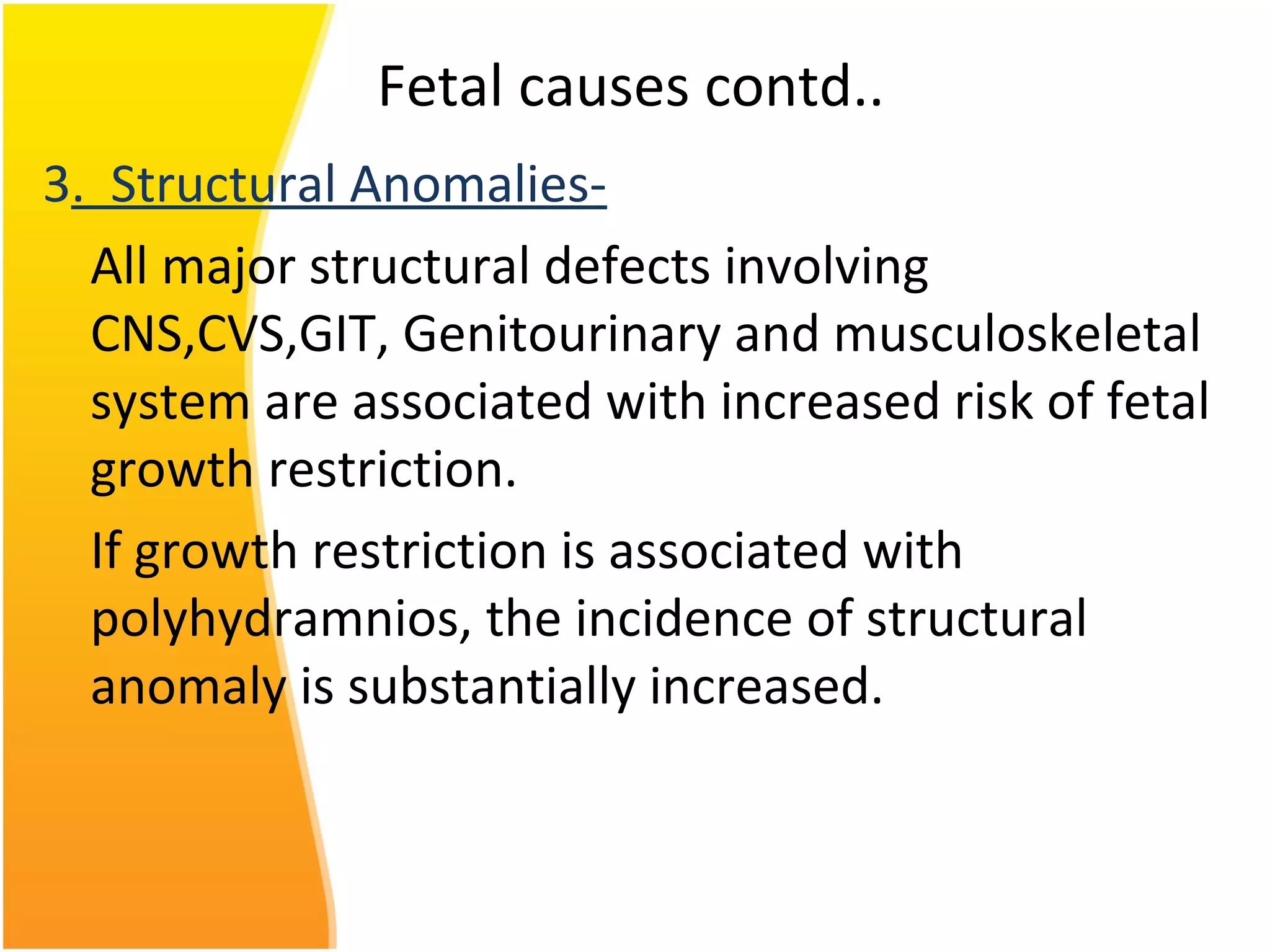
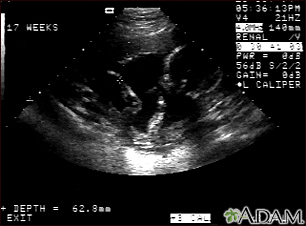
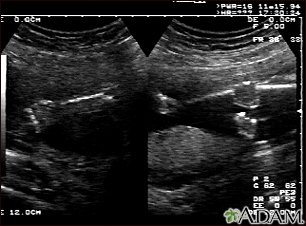
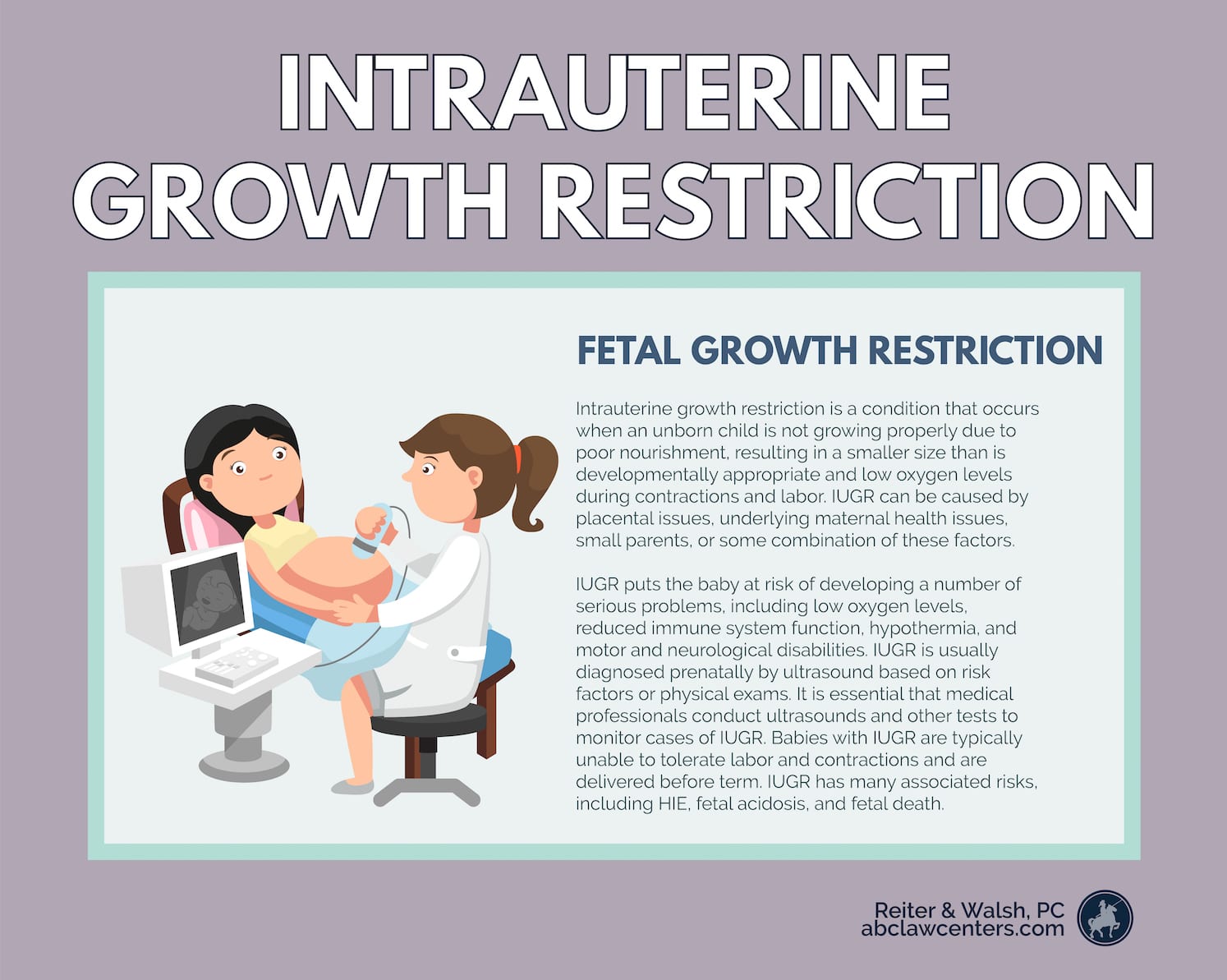
Intrauterine growth restriction (IUGR), also known as fetal growth restriction , is a condition where the fetus does not grow as large as it should, leading to potential health risks for the baby. It can cause complications such as breathing difficulties, feeding problems, and longer-term neurological issues.
The importance of nutrition in pregnancy and lactation
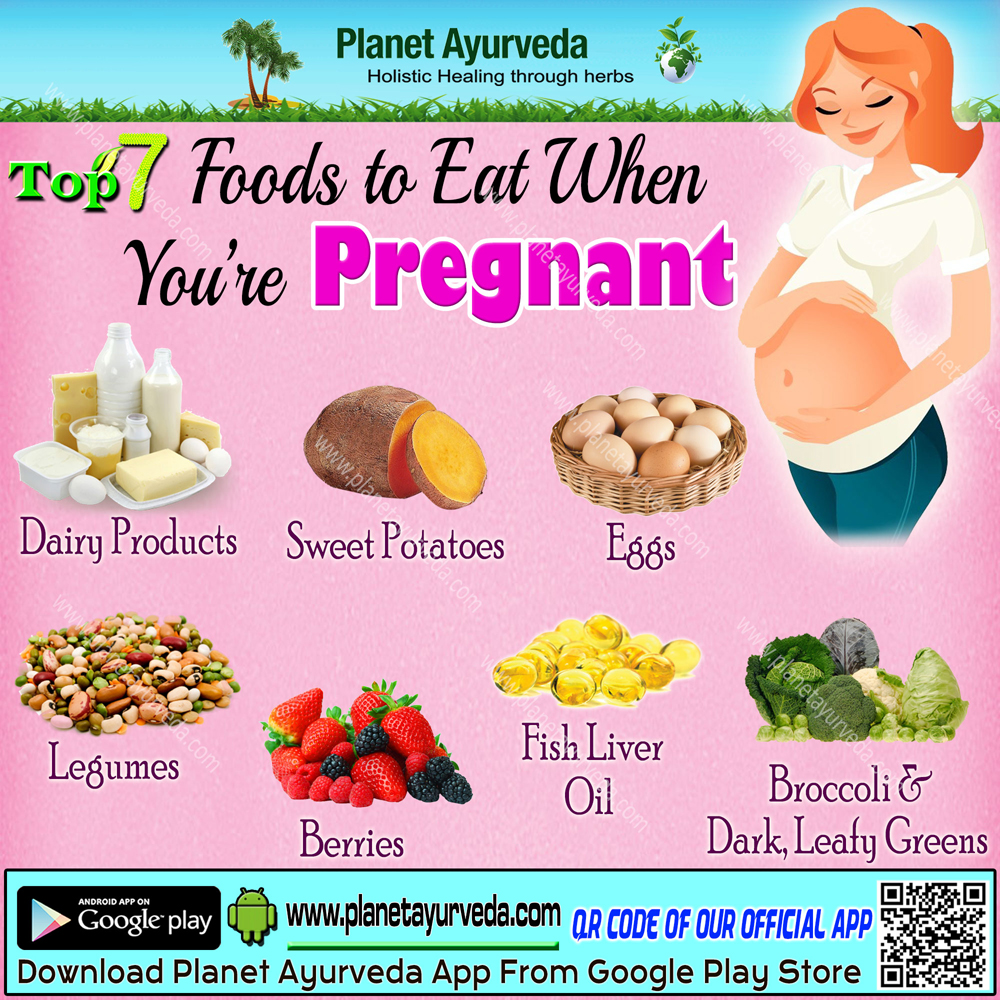
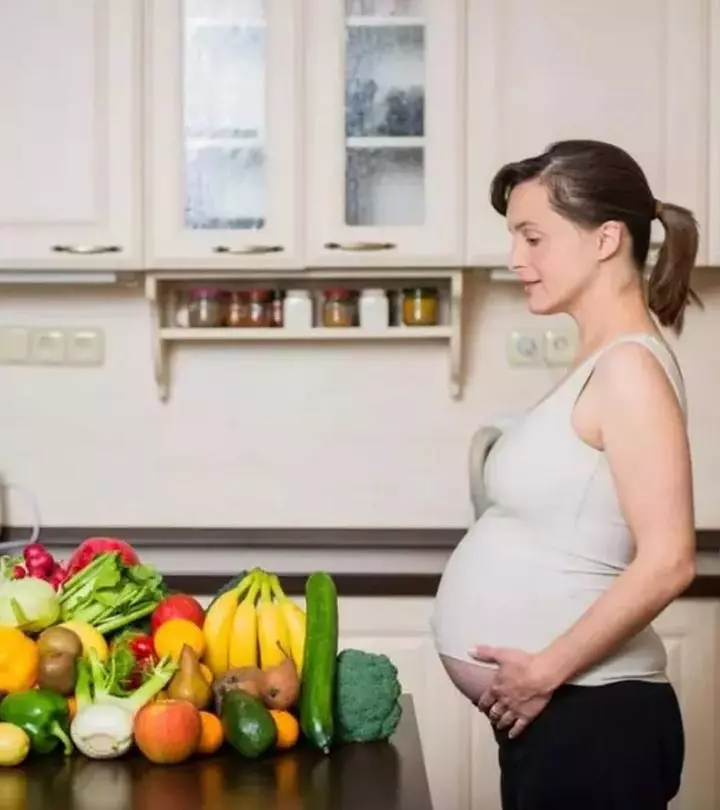
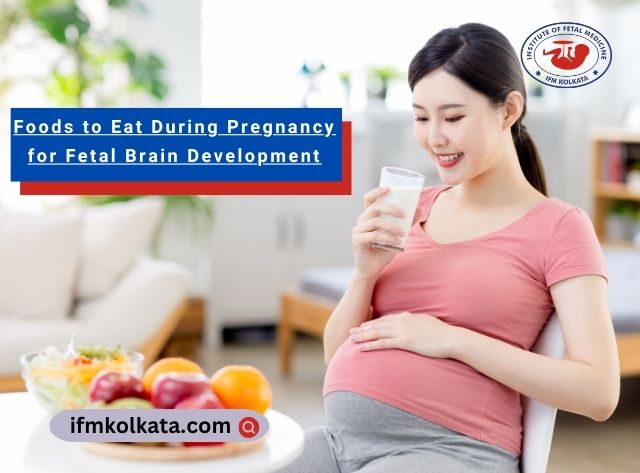
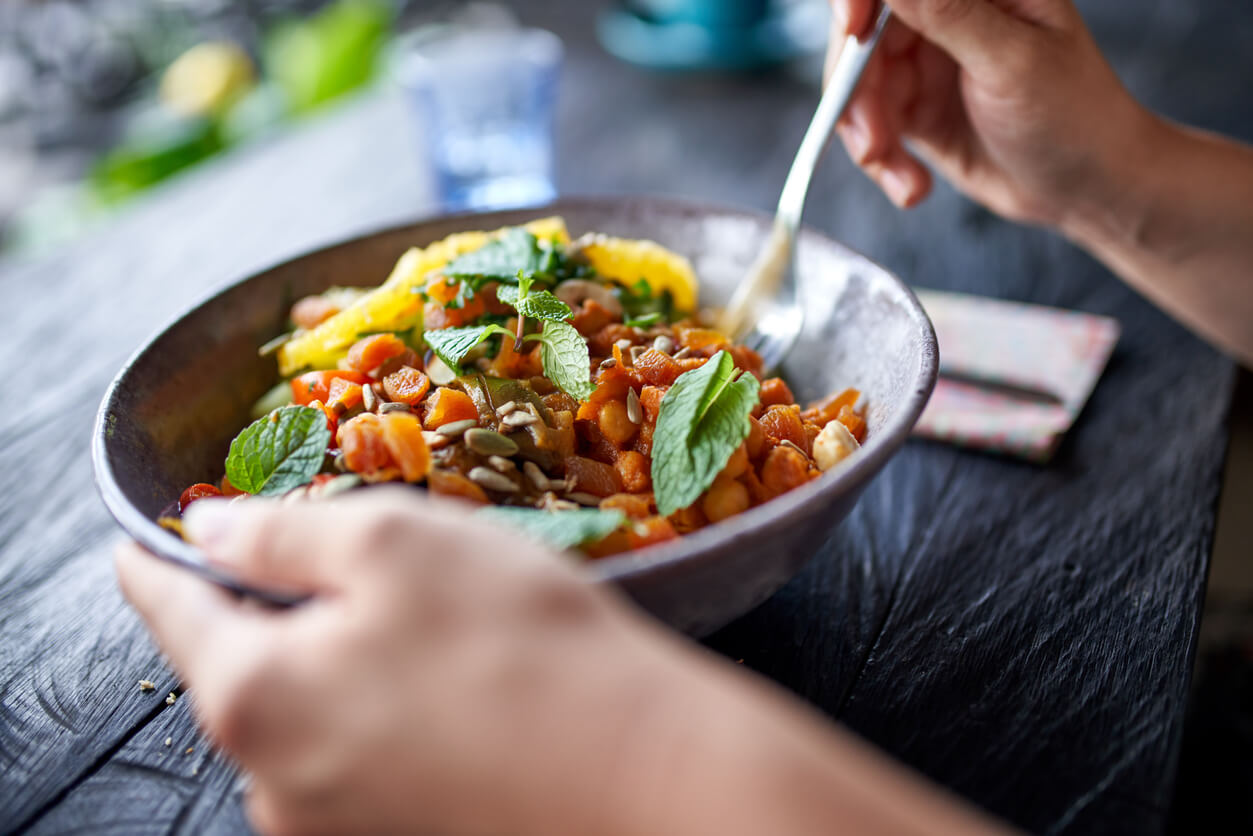
Most women in the United States do not meet the recommendations for healthful nutrition and weight before and during pregnancy . Women and providers often ask what a healthy diet for a pregnant woman should look like. The message should be "eat better, not more." This can be achieved by basing diet on a variety of nutrient-dense, whole foods , including fruits, vegetables, legumes, whole ...
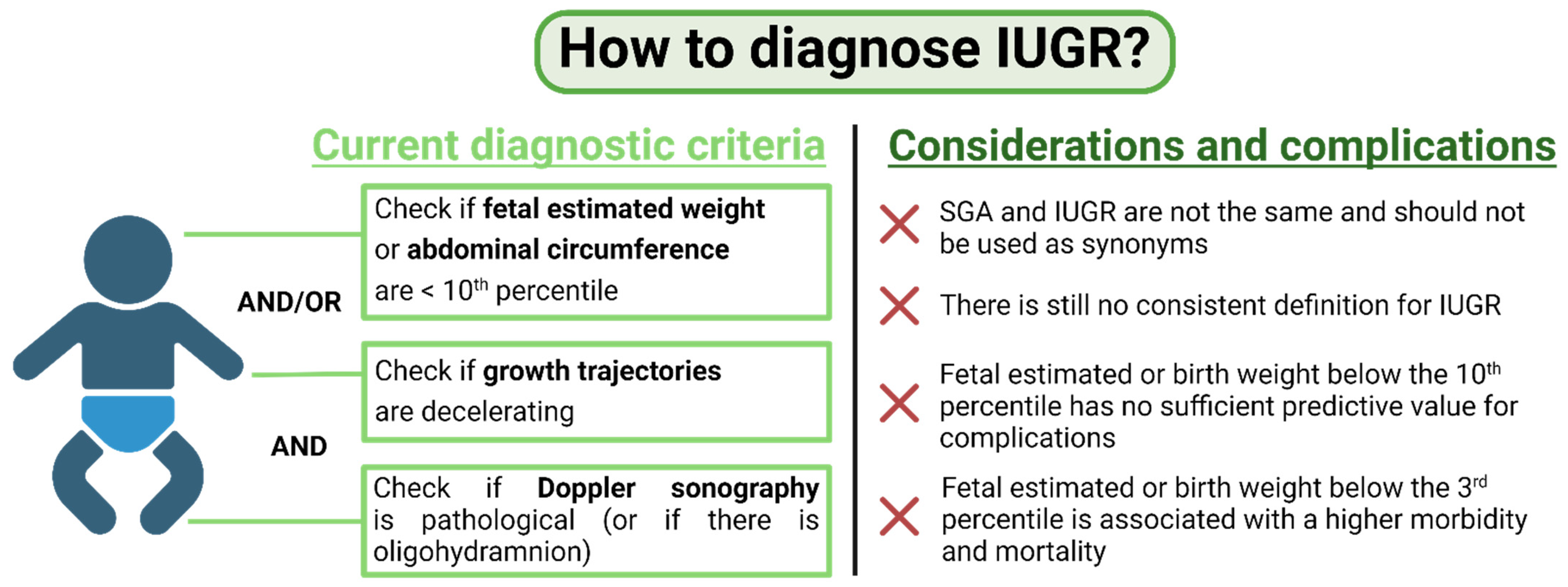
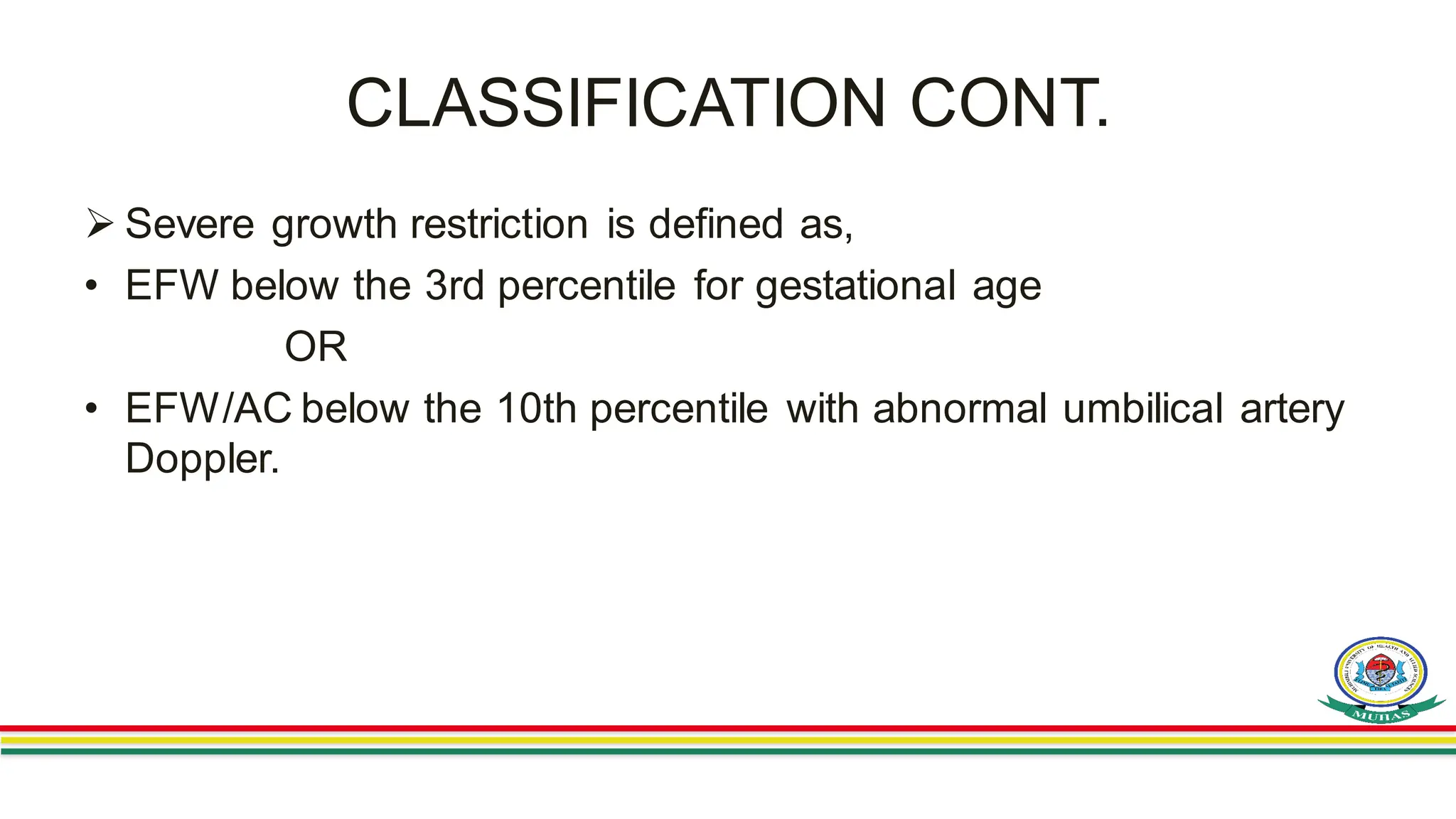
Intrauterine growth restriction (IUGR) is when the fetal weight is estimated to be below the 10th percentile for its gestational age. Causes range from chronic diseases or infections in the mother to issues with the placenta and umbilical cord. Treatment includes frequent fetal monitoring and testing and, possibly, early delivery.