Feline Leukemia Virus
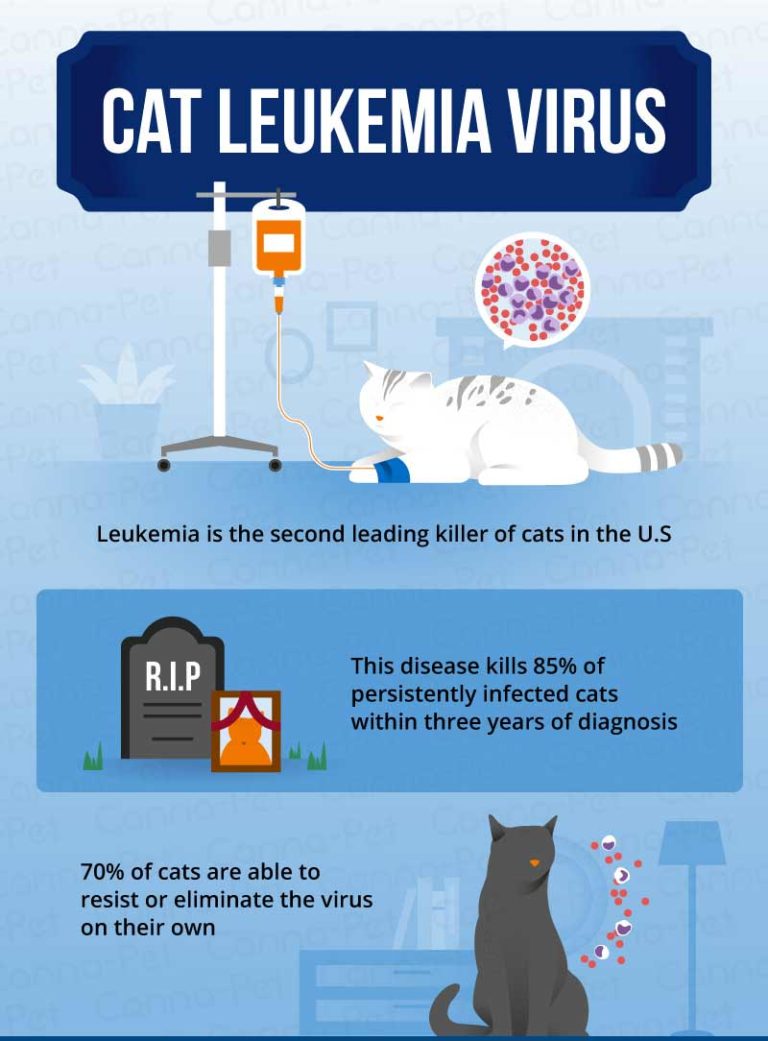
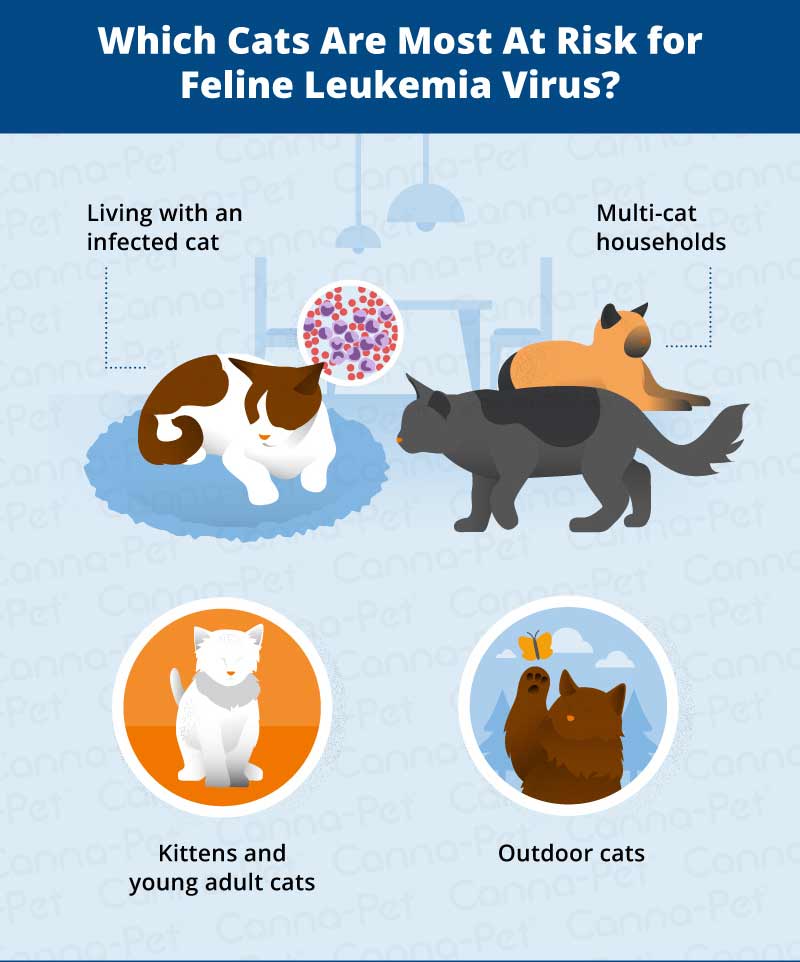
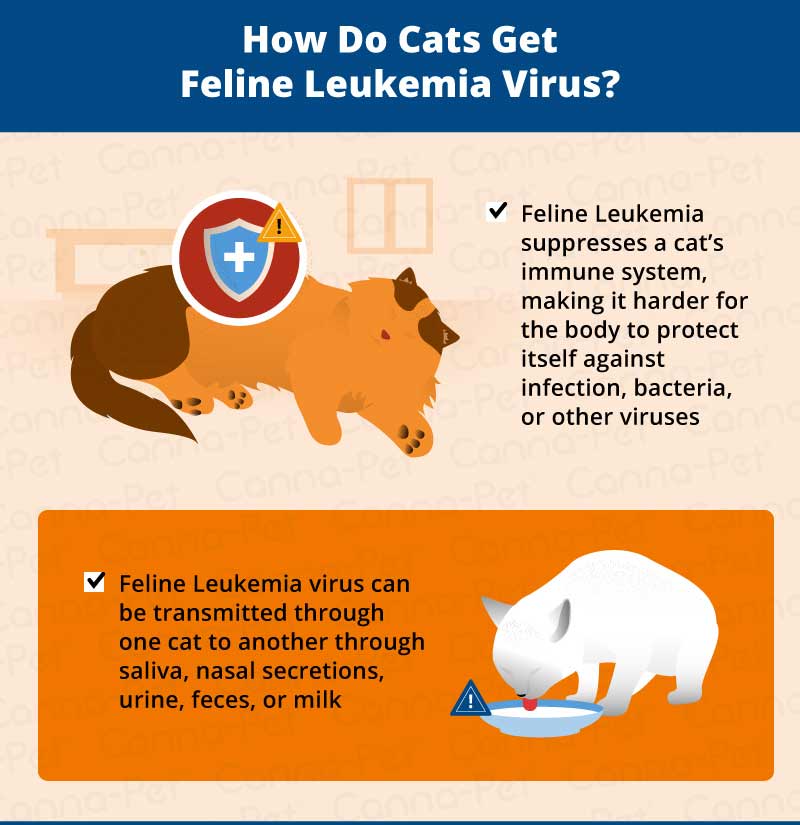
Feline leukemia virus is a retrovirus that affects cats worldwide. It's transmitted through saliva, blood, urine, and feces—typically through close contact with infected cats , shared litter boxes, or bite wounds.
Feline Leukemia Virus (FeLV) in Cats : Treatment Options, Palliative Care, and How to Know When It's Time for Euthanasia Feline Leukemia Virus (FeLV) is a contagious and often devastating virus that weakens the immune system and can shorten a cat's lifespan. While some cats live for years with the virus, others experience significant complications. This guide will walk you through treatment ...
PDF Updates in the diagnosis and management of feline leukemia virus ...
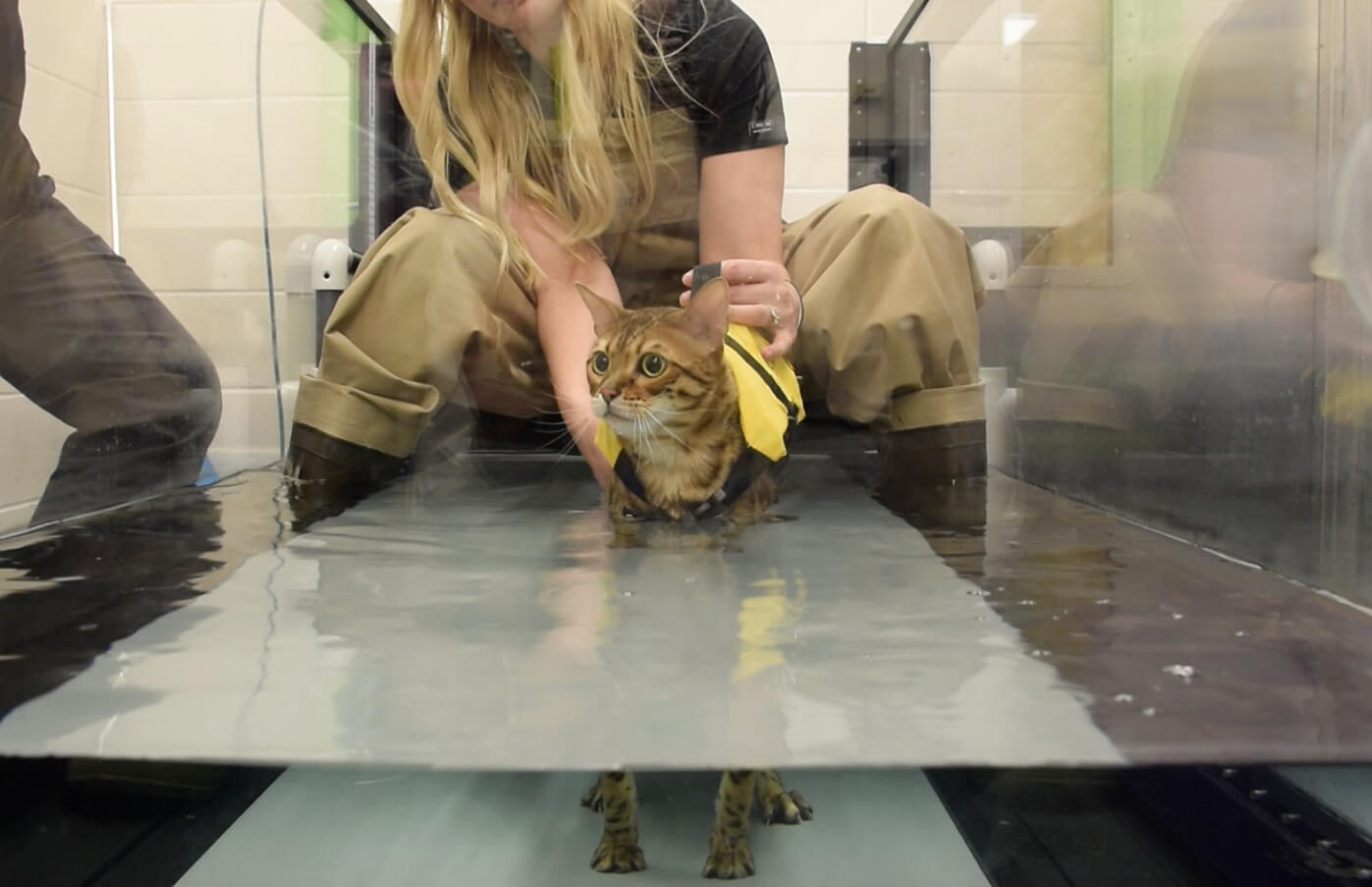
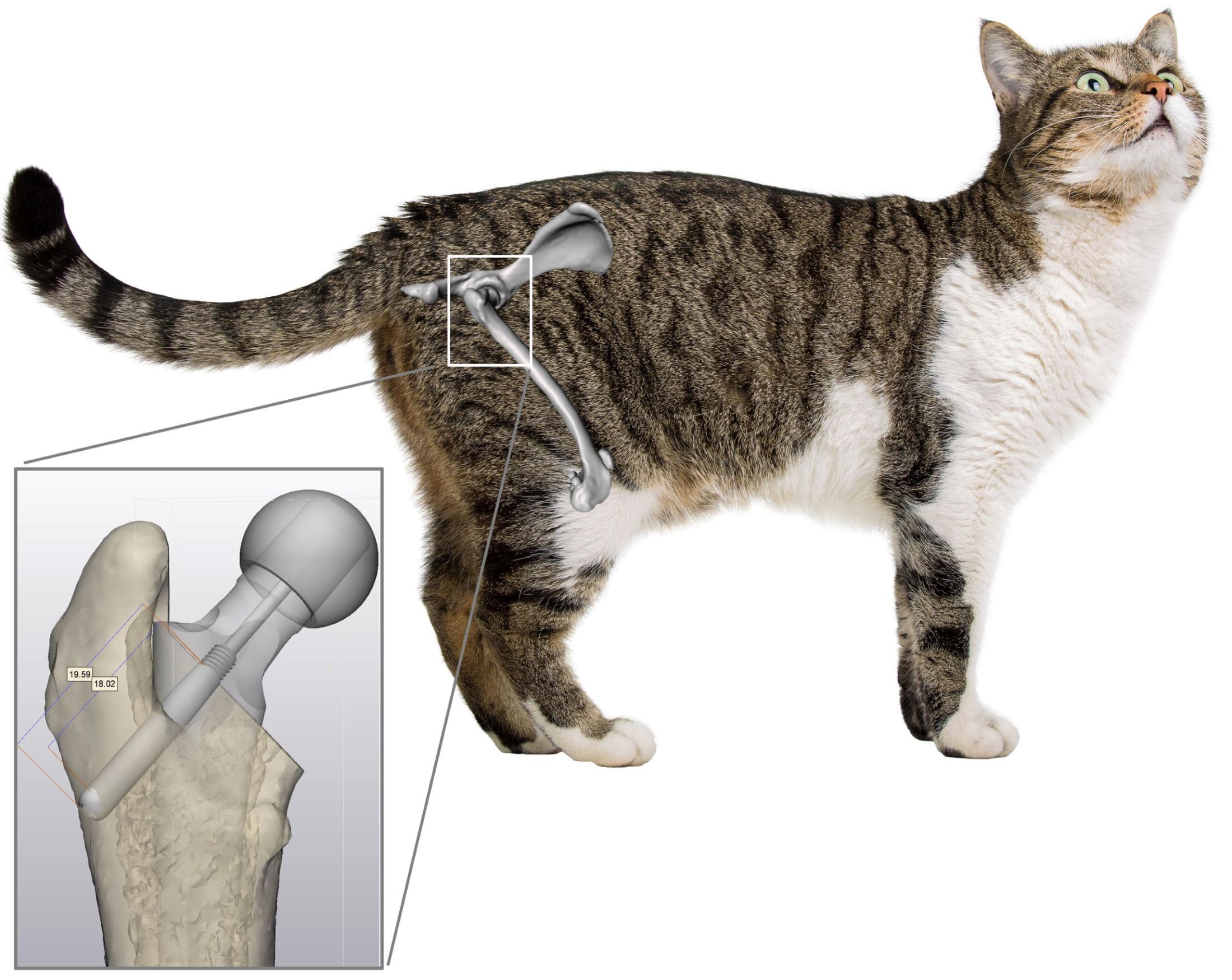
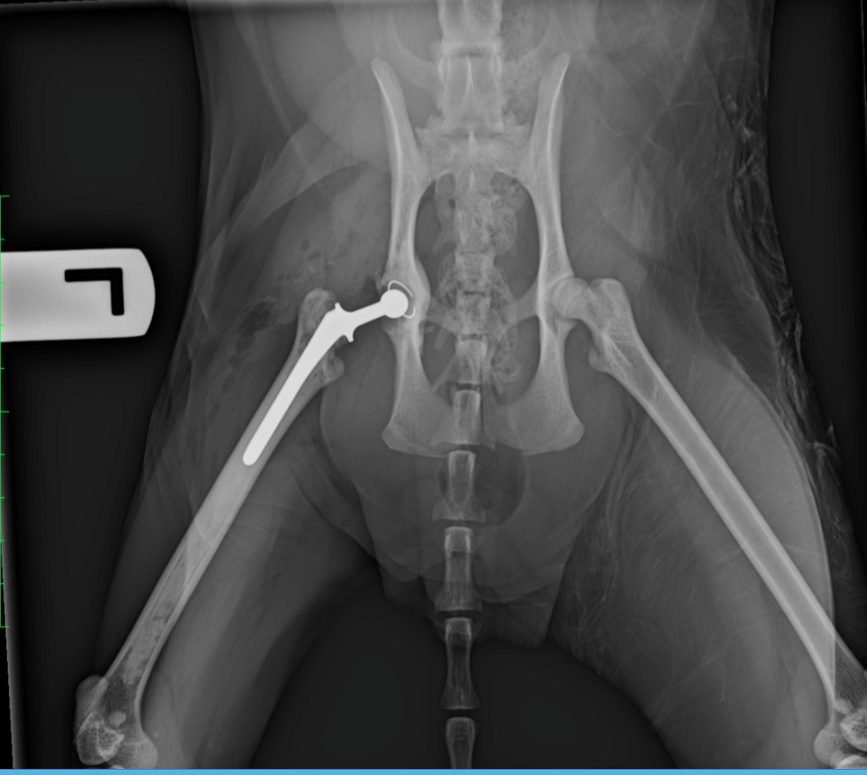
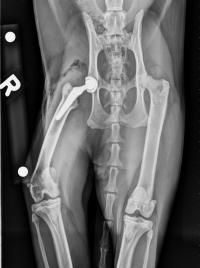
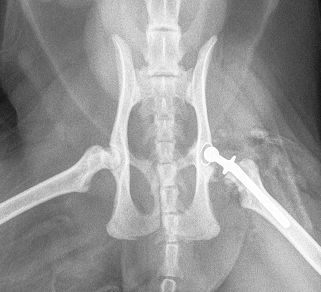
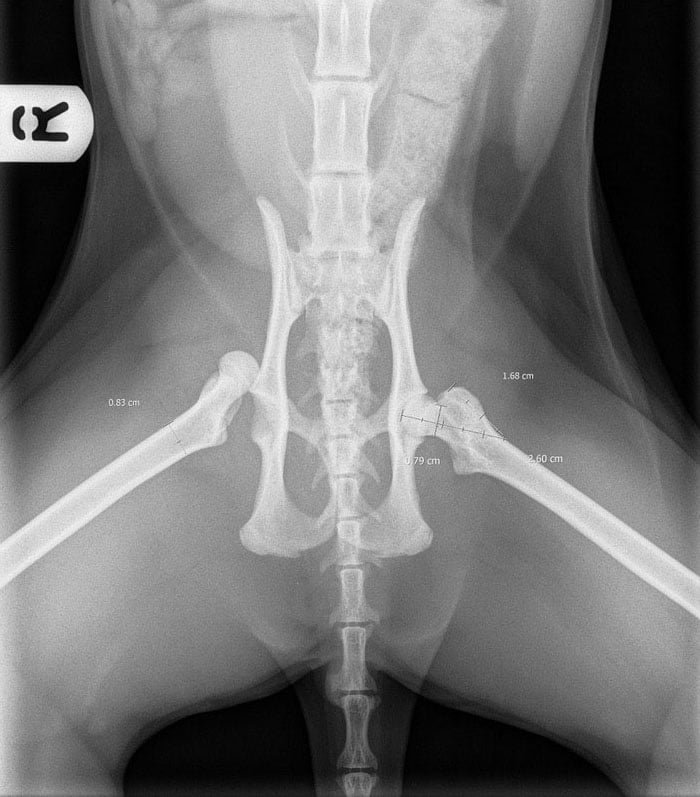
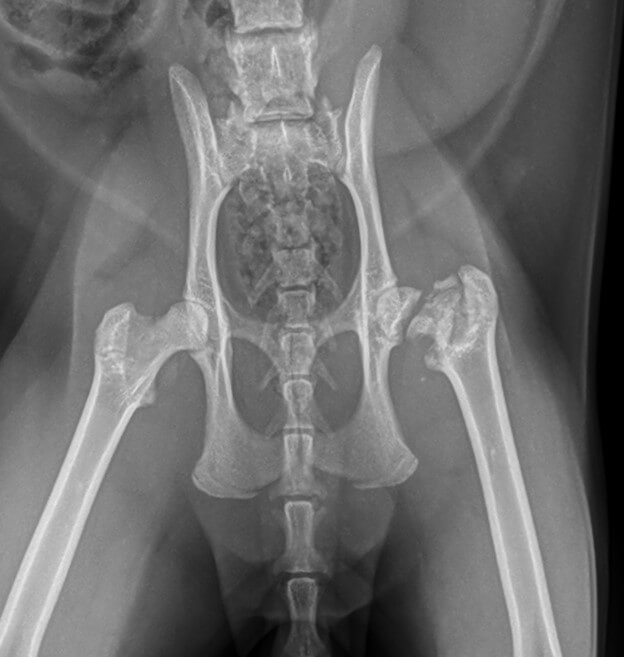
As we can see from the illustration, Feline Leukemia Treatment For Cats With Hip Replacement Surgery has many fascinating aspects to explore.
Updates in the diagnosis and management of feline leukemia virus (FeLV) Not all feline leukemia virus (FeLV) infected cats are the same. There are different stages of infection, different outcomes, and different disease manifestations. Some infected cats will go on to live a nearly normal lifespan while others may die within months to a few years. If each FeLV-infected cat is different, how do ...
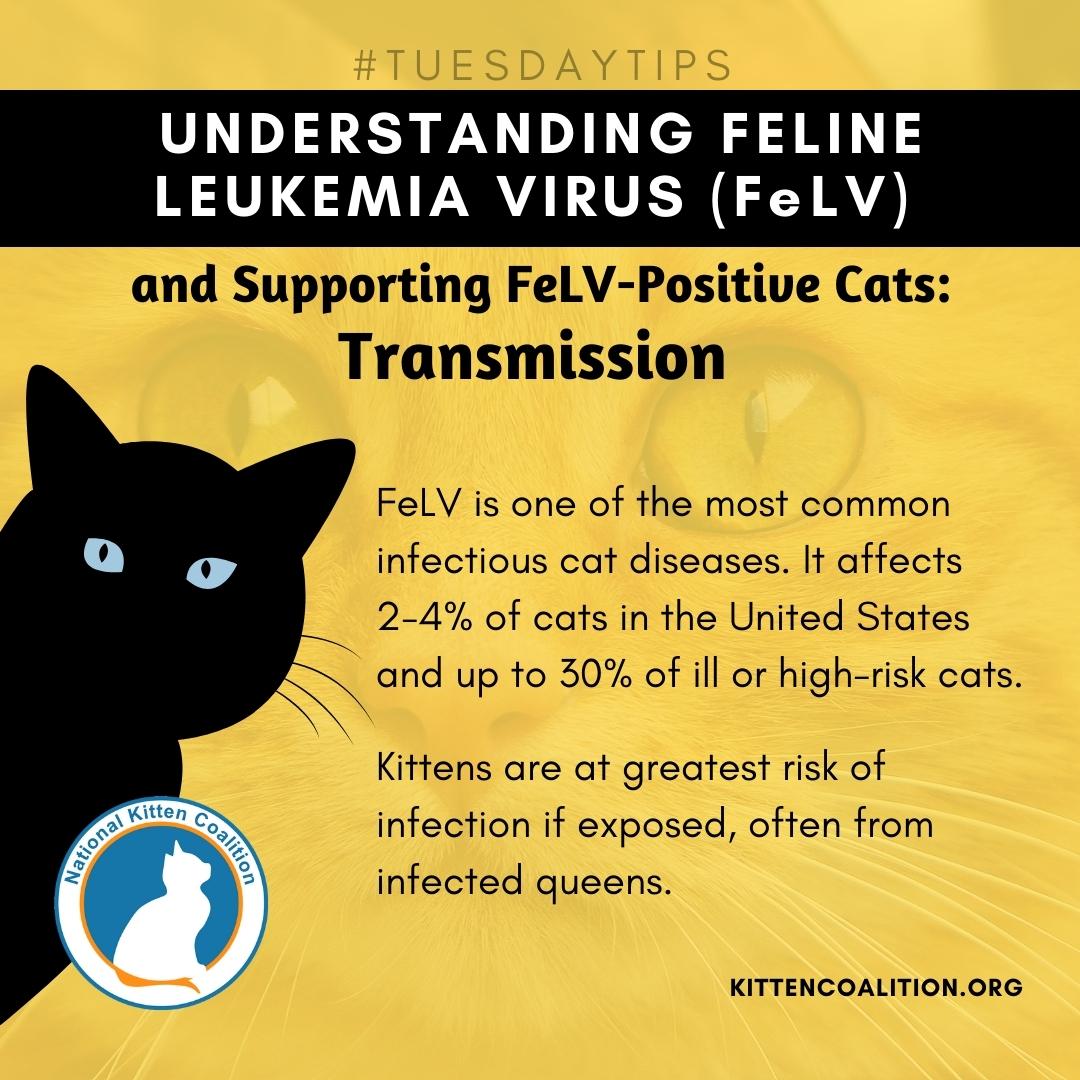
Suggested Articles Lymphoma Feline Vaccines: Benefits and Risks Diarrhea Neurological Disorders Feline Vision Problems: A Host of Possible Causes Feline leukemia virus (FeLV) is one of the most common and important infectious diseases in cats , affecting between 2-3% of all cats in the United States and Canada. Infection rates are significantly higher (up to 30%) in cats that are ill or ...
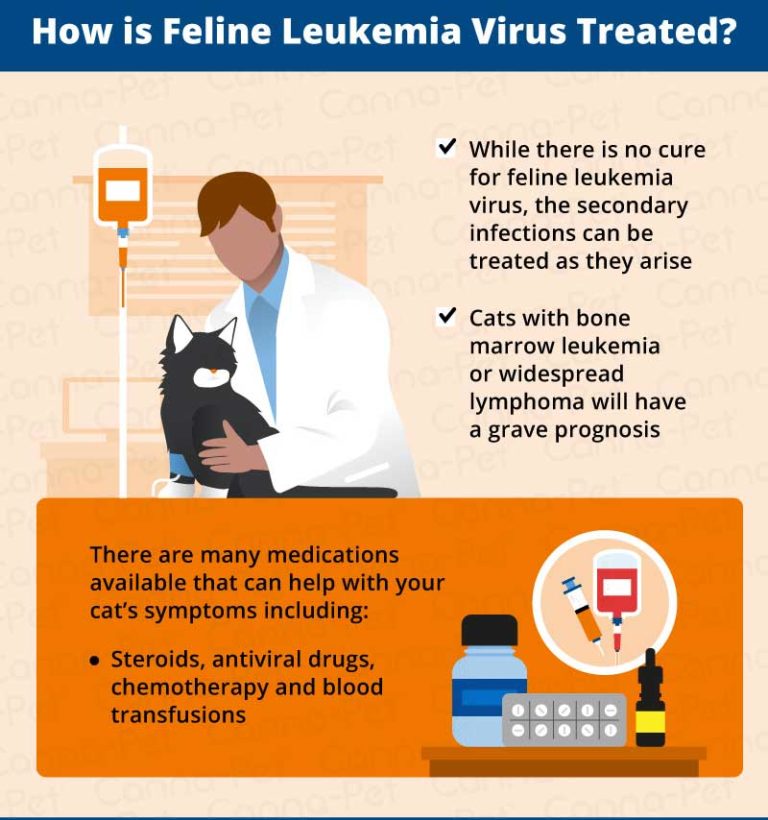
How to Treat Feline Leukemia

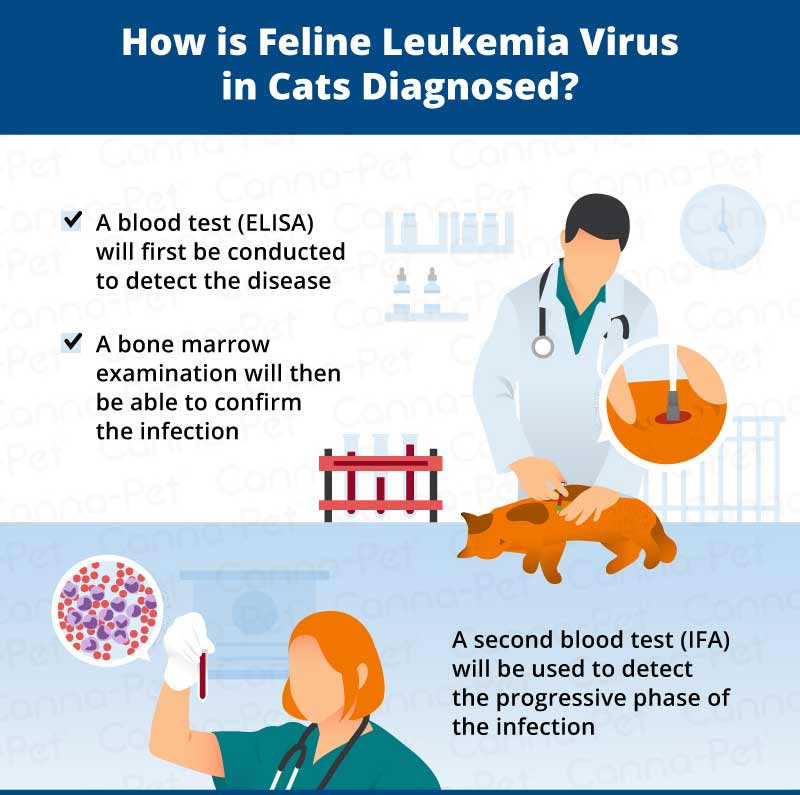
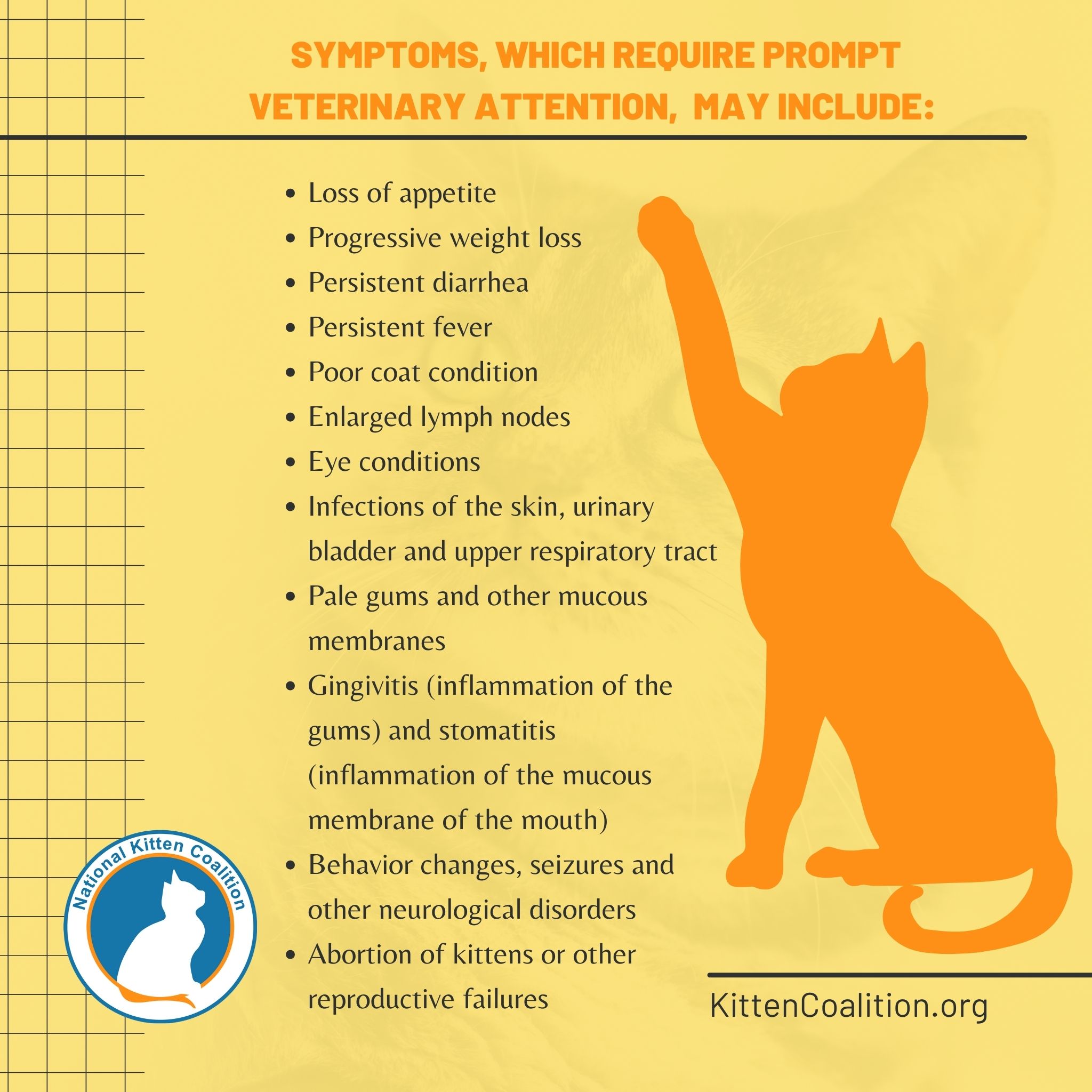
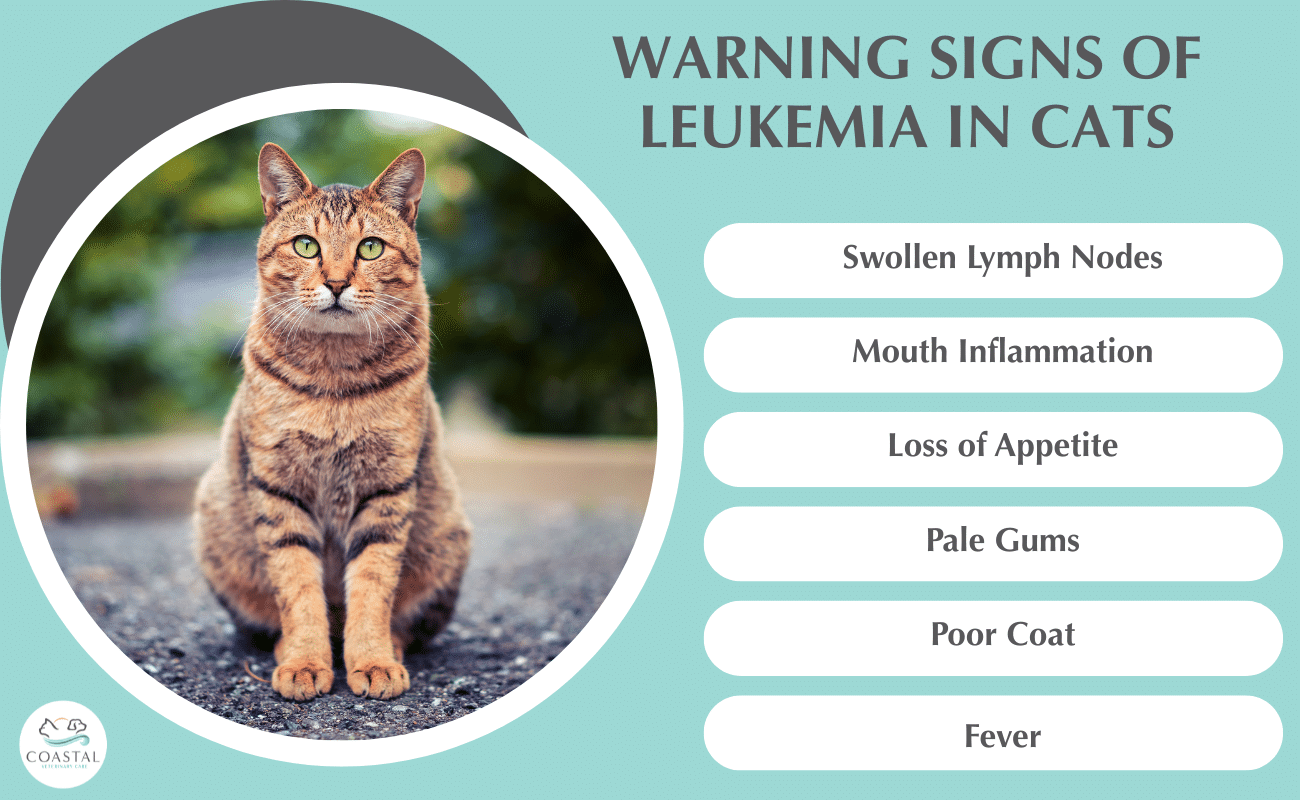
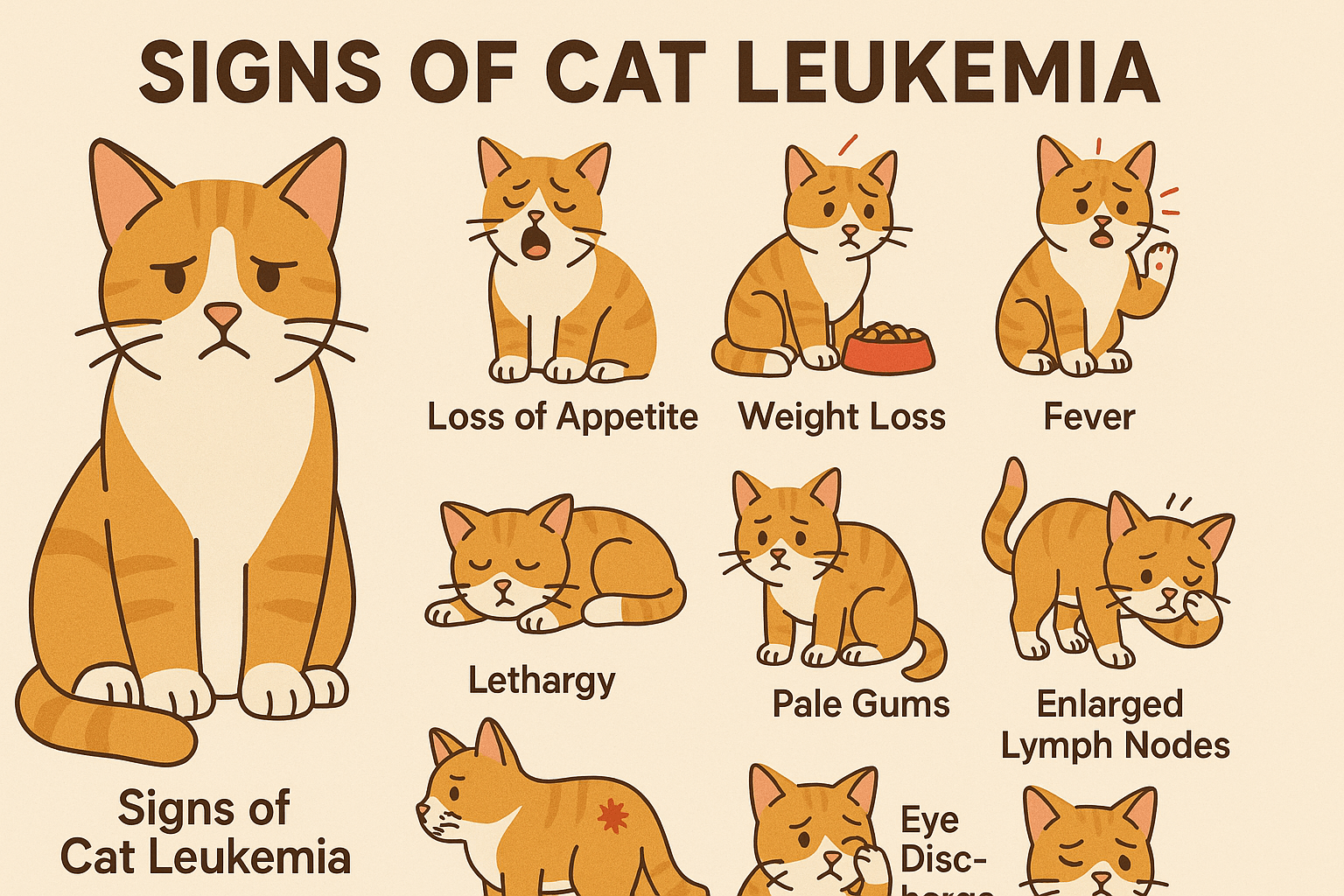
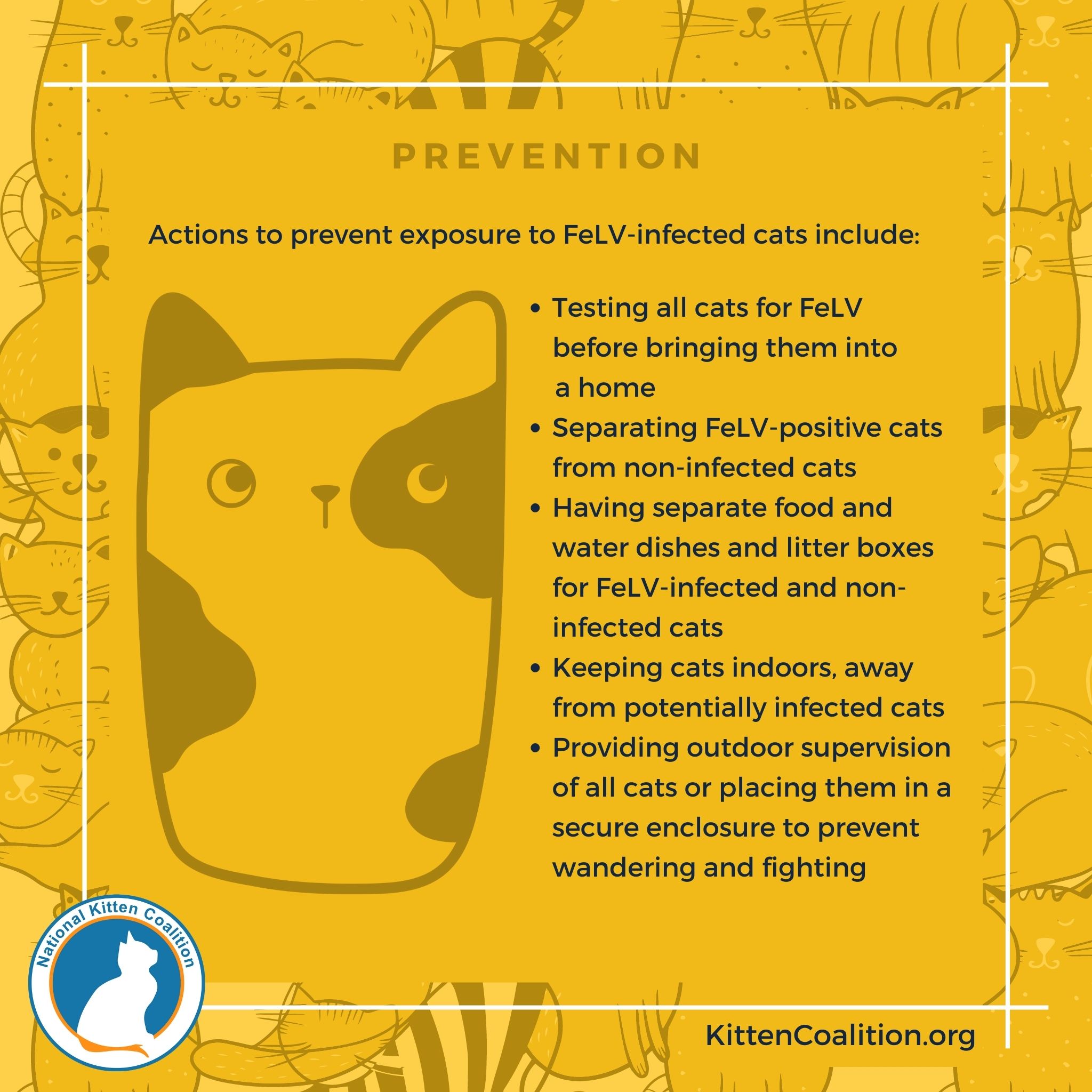
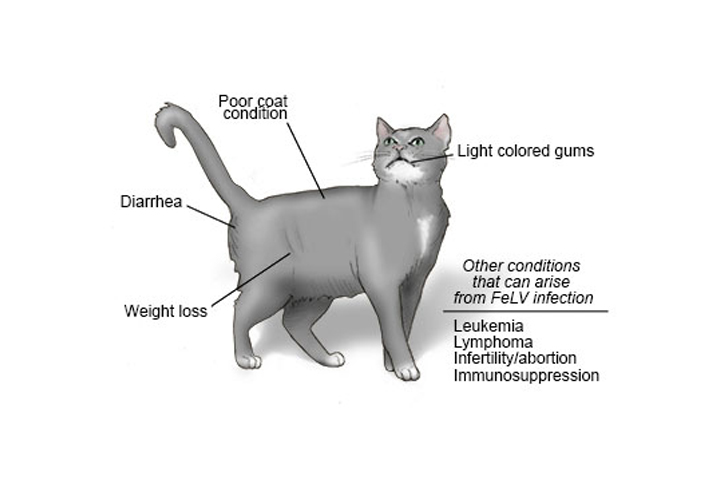
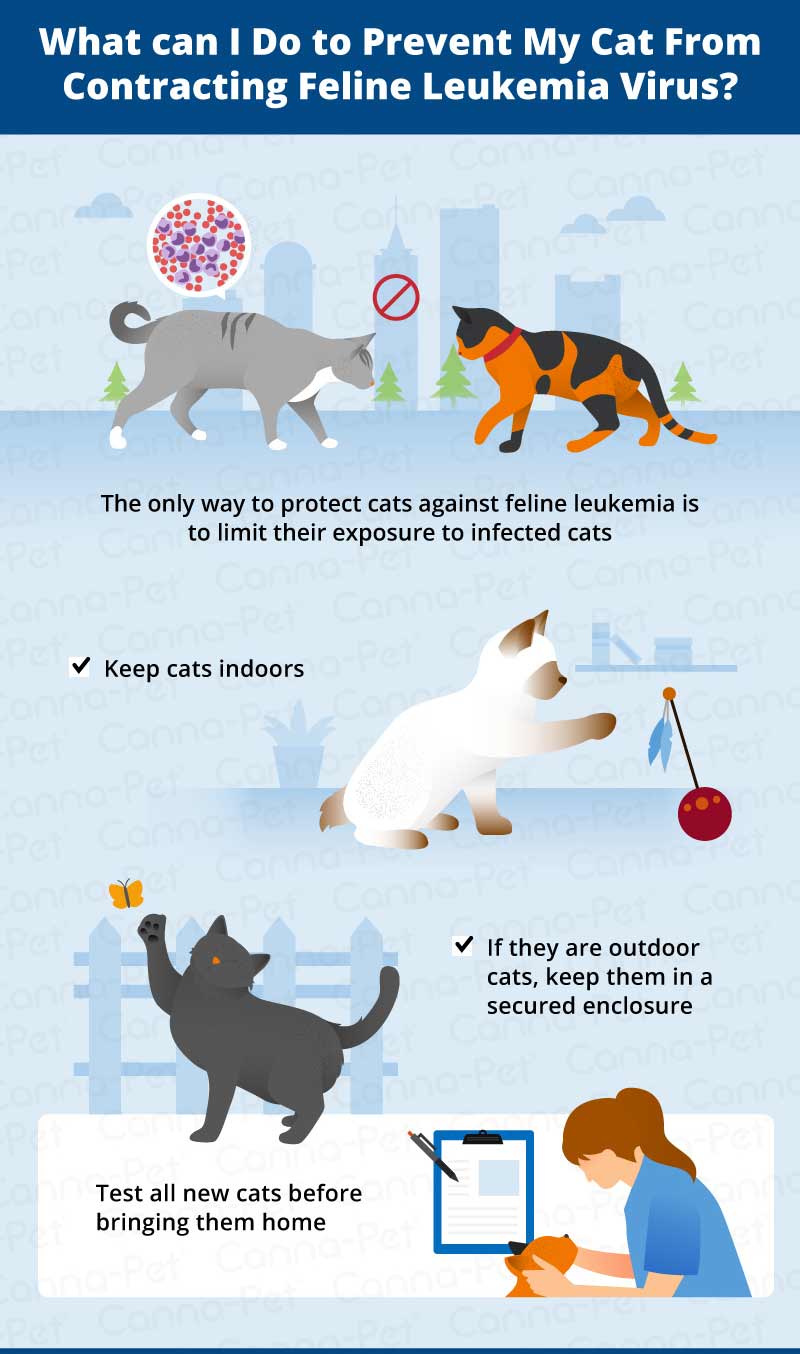
Feline leukemia is a serious, incurable disease caused by the FeLV virus, which is easily transmitted between cats . Vaccination and preventing contact with infected cats are the most effective ways to protect against feline leukemia . Infected cats may show varied symptoms, and diagnosis requires blood tests like ELISA and IFA to confirm infection.
Feline Leukemia Virus (FELV) is a relatively common viral disease of cats . Some cats acquire this infection at a very young age by being born to an FELV-infected female cat , others contract this disease through direct contact with saliva from an infected cat . [1] Most cats with FELV lead full, normal lives, but these cats do have special environmental and health requirements and are ...
2020 AAFP Feline Retrovirus Testing and Management Guidelines
In addition, the Client Brochure provides cat caregivers with information regarding transmission, testing, prevalence, and precautions. These Guidelines focus on feline leukemia virus (FeLV) and feline immunodeficiency virus (FIV) infections, which are found in cats worldwide.
GUIDELINE for Feline Leukaemia Virus Infection
Feline leukaemia virus (FeLV), a gammaretrovirus of domestic cats , is a member of the Orthoretrovirinae subfamily of retroviruses. It contains a protein core with single-stranded RNA protected by an envelope.
About These Guidelines This report is an abridged version of the Retrovirus Guidelines of the American Association of Feline Practitioners (AAFP)1 to guide veterinary practitioners who want to optimize the care and management of feline patients. It represents a consensus of current information compiled by the researchers and practitioners on the panel.