How Common Is Cat Leukemia
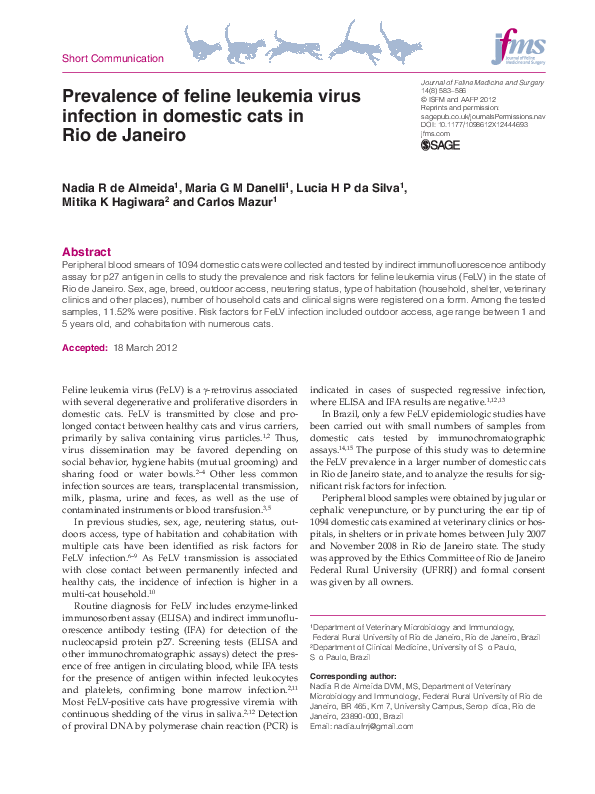
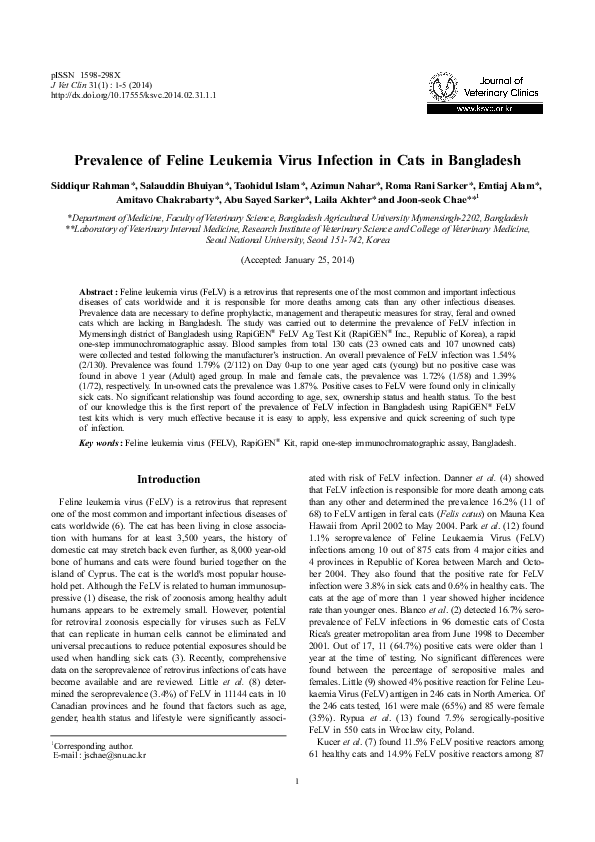
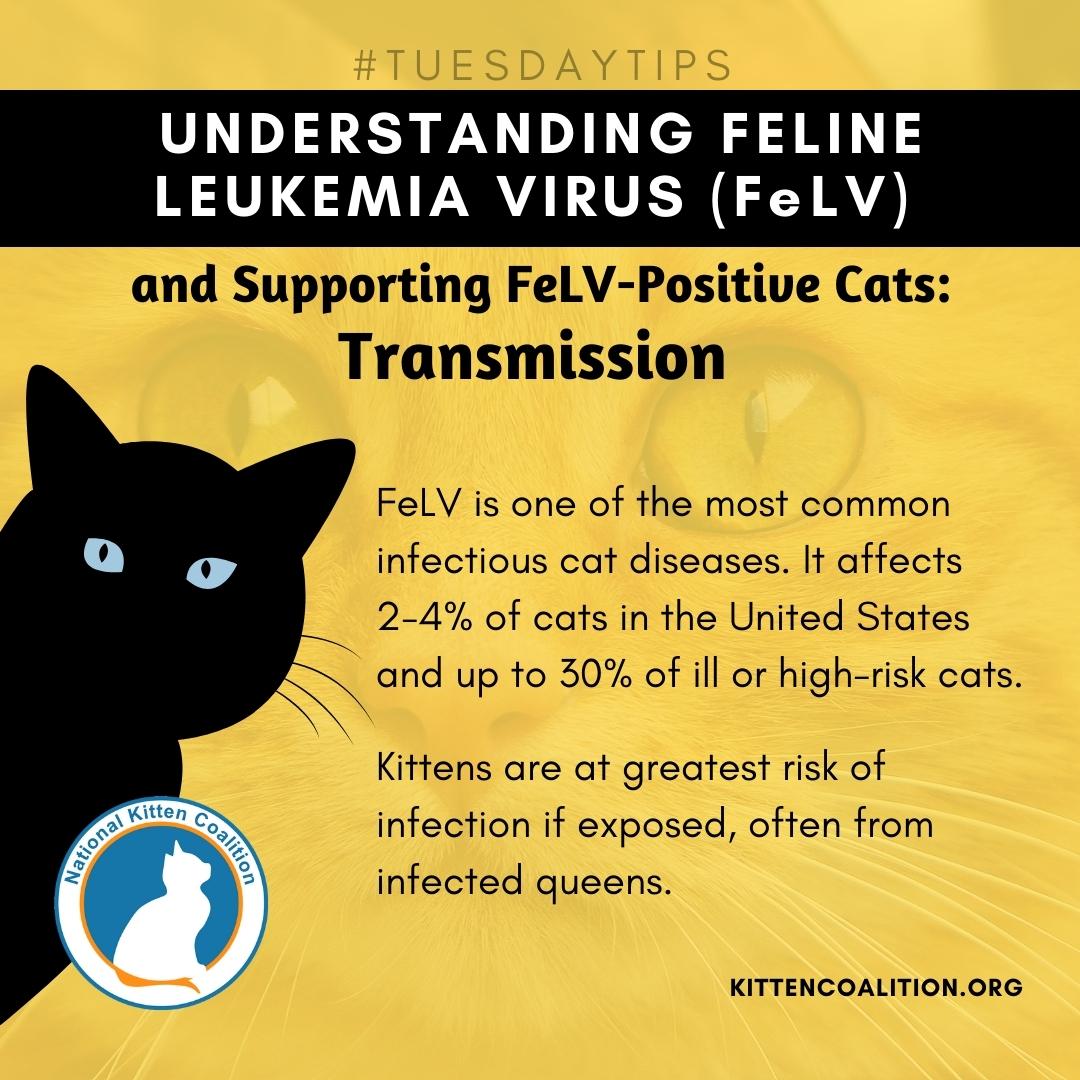
How Common Is Cat Leukemia ? Prevalence and Prevention in Felines Feline leukemia virus (FeLV) affects a significant, though declining, percentage of cats worldwide; while prevalence varies geographically and by lifestyle, it's estimated that 2-6% of cats are infected, making FeLV a serious health concern.
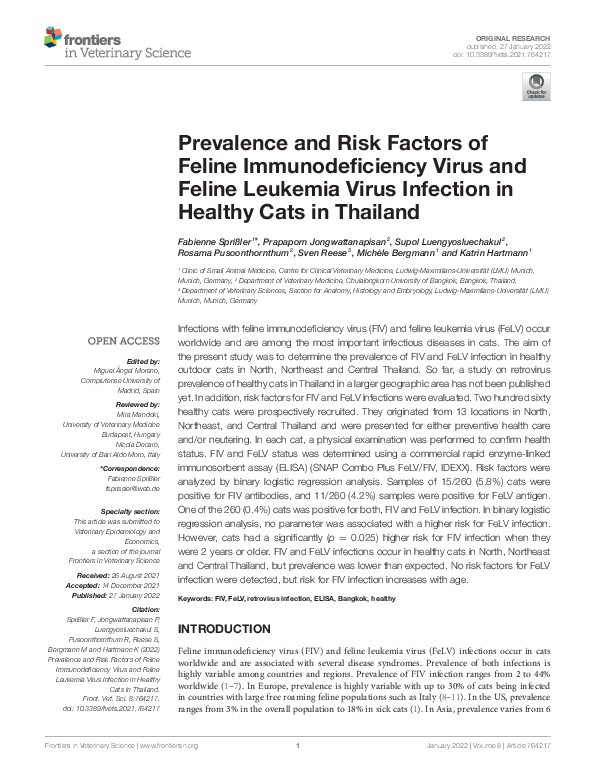
PDF Seroprevalence of feline leukemia virus and feline immunodeficiency ...
Feline leukemia virus infection and FIV infection are among the most common infectious diseases of cats in North America. The prevalence of FeLV infection has reportedly1,2 decreased during the past 20 years, presumably as a result of implementation of wide-spread testing programs and development of effective erinary Medicine, Texas A&M Univers
This particular example perfectly highlights why Feline Leukemia Virus Prevalence In Purebred Cats is so captivating.
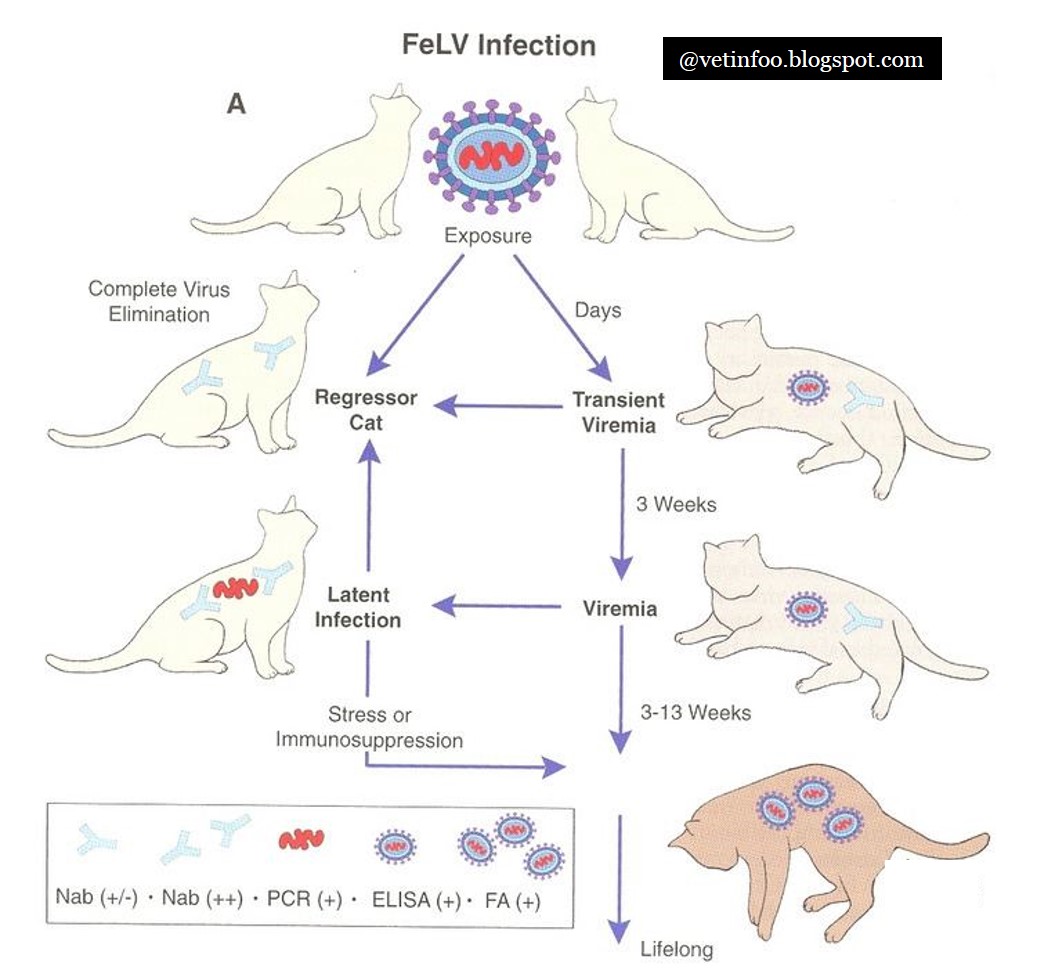
However, in contrast to FIV infection, many cats in the early state of FeLV infection regress to a permanent state of viral latency ("regressive infection"). It is possible that some cats , after exposure to a low dose of FeLV, may eliminate the infection altogether ("abortive infection"), although this appears to be a rare outcome.
Feline Leukemia Virus
Suggested Articles Lymphoma Feline Vaccines: Benefits and Risks Diarrhea Neurological Disorders Feline Vision Problems: A Host of Possible Causes Feline leukemia virus (FeLV) is one of the most common and important infectious diseases in cats , affecting between 2-3% of all cats in the United States and Canada. Infection rates are significantly higher (up to 30%) in cats that are ill or ...
This particular example perfectly highlights why Feline Leukemia Virus Prevalence In Purebred Cats is so captivating.
Feline leukaemia virus (FeLV) infection in domestic pet cats in ...
Progressive feline leukaemia virus (FeLV) infection dramatically shortens the lives of infected cats , causing acquired immunodeficiency, aplastic anaemia, lymphoma, leukaemia and other myeloproliferative diseases. The potential impact of regressive FeLV infection on the development of disease remains largely unknown, although there is evidence it contributes to lymphoma development. Despite a ...
2. Summary Progressive feline leukaemia virus (FeLV) infection dramatically shortens the lives of infected cats , causing acquired immunodeficiency, aplastic anaemia, lymphoma, leukaemia, and other myeloproliferative diseases. The potential impact of regressive FeLV infection on the development of FeLV related diseases is not yet fully understood and may contribute to overall disease morbidity ...
GUIDELINE for Feline Leukaemia Virus Infection
Feline leukaemia virus (FeLV), a gammaretrovirus of domestic cats , is a member of the Orthoretrovirinae subfamily of retroviruses. It contains a protein core with single-stranded RNA protected by an envelope.



:max_bytes(150000):strip_icc()/feline-leukemia-1136878898-2000-a126bb727ca5407ab1e96363d7e5200d.jpg "Fresh Look at Feline Leukemia Signs Treatment Prevention")