Understanding Feline Leukaemia Virus
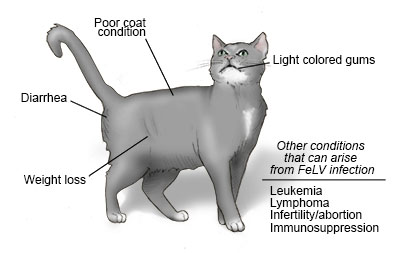
People usually look up feline leukaemia virus (FeLV) when a cat has tested positive, a new cat is joining the household, or there's been a fight, bite, or long stretch of shared bowls and sleeping spots. The decision points are practical and time-sensitive: whether to vaccinate, whether to separate cats , and what a positive test really means. FeLV is a cat -only retrovirus that can quietly ...
Feline Immunodeficiency Virus (FIV) in Cats
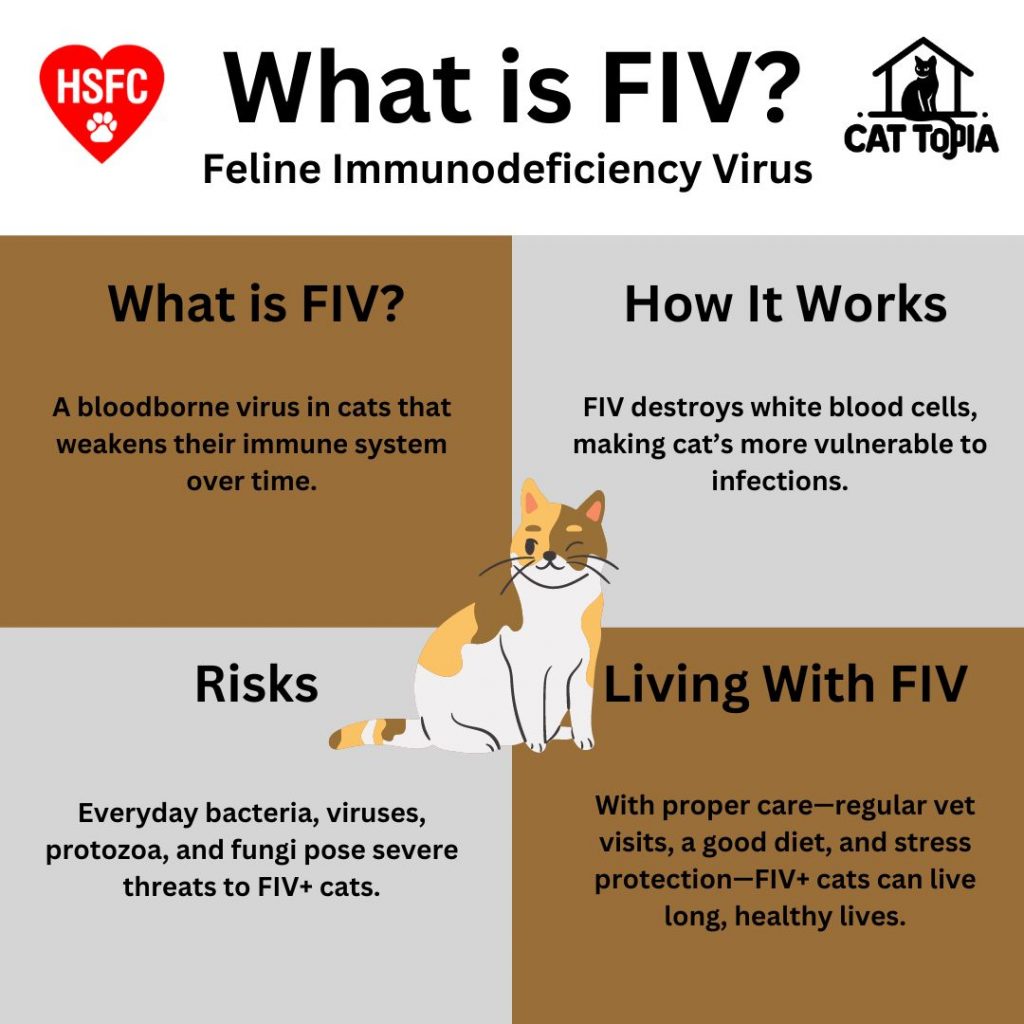
Feline immunodeficiency virus (FIV) is a retrovirus in the same family as feline leukemia virus (FeLV) and human immunodeficiency virus (HIV). It attacks the immune system, and, as a result, the cat is unable to fight off various infections and cancers.
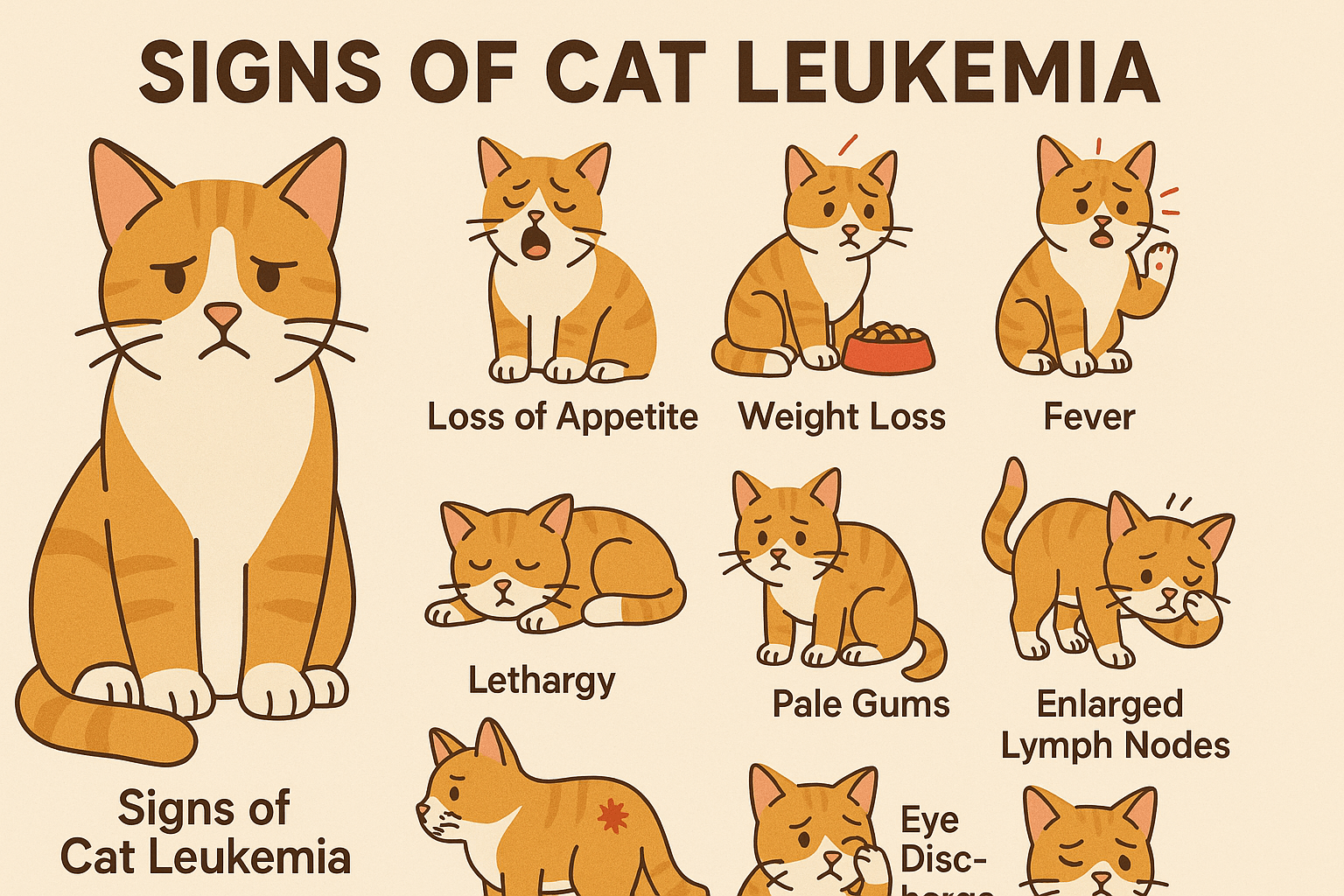
Learn about the signs and symptoms of an FIV ( Feline Immunodeficiency Virus) infection in cats . Recognize early indicators and seek appropriate care.
GUIDELINE for Feline Leukaemia Virus Infection
Feline leukaemia virus (FeLV), a gammaretrovirus of domestic cats , is a member of the Orthoretrovirinae subfamily of retroviruses. It contains a protein core with single-stranded RNA protected by an envelope.
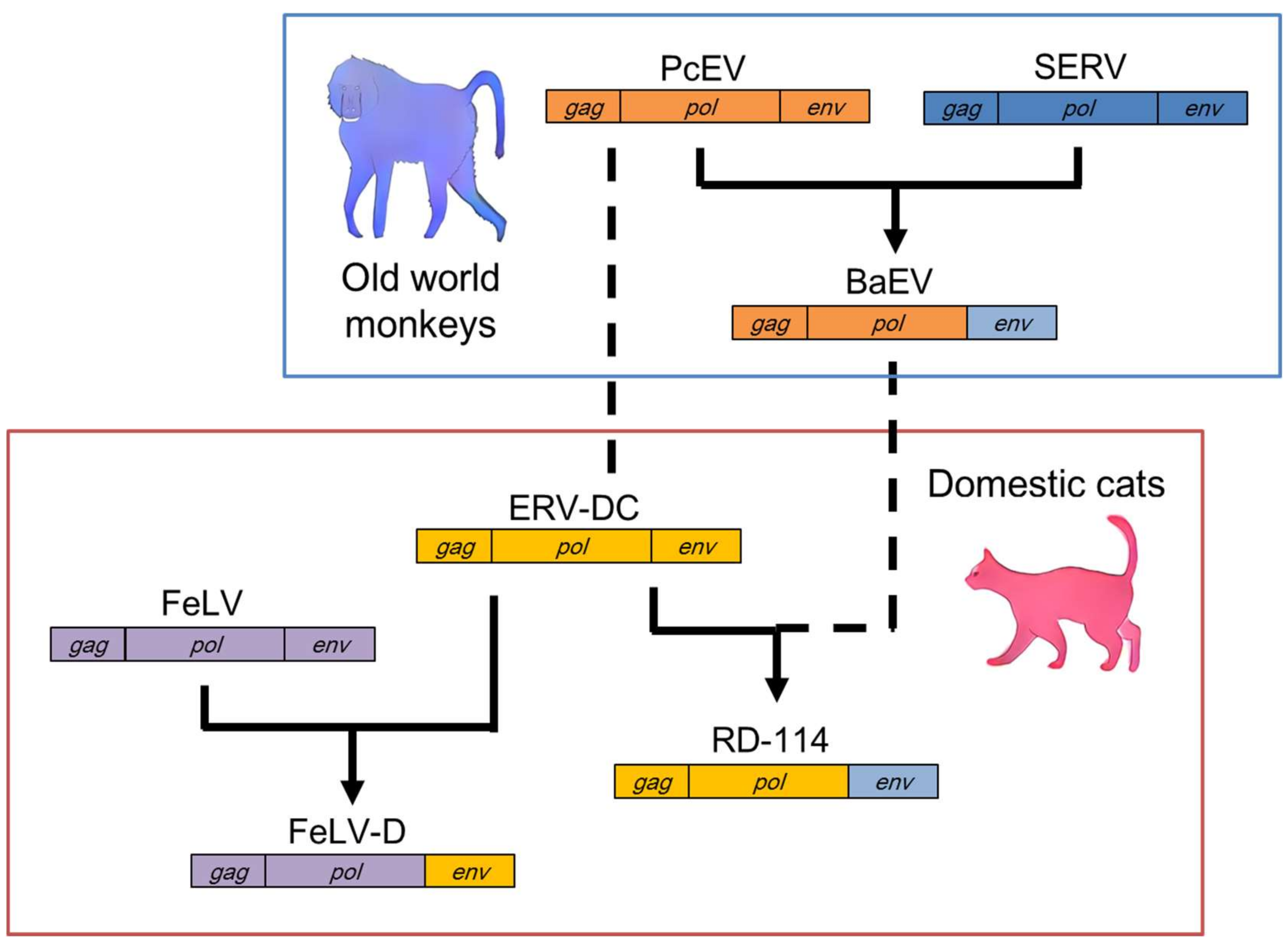
FeLV and FIV are retroviruses that are specific to cats and are not contagious to humans or other animals. A retrovirus is simply a virus that uses a special way of replicating its DNA within the body. They are usually life-long diseases.
This document is an update of the 2008 American Association of Feline Practitioners' feline retrovirus management guidelines and represents current knowledge on pathogenesis, diagnosis, prevention and treatment of retrovirus infections in cats .
This report is an abridged version of the Retrovirus Guidelines of the American Association of Feline Practitioners (AAFP)1 to guide veterinary practitioners who want to optimize the care and management of feline patients. It represents a consensus of current information compiled by the researchers and practitioners on the panel.

Feline Immunodeficiency Virus (FIV)
Feline immunodeficiency virus (FIV) is one of the most common and consequential infectious diseases of cats around the world. In infected cats , FIV attacks the immune system, leaving the cat vulnerable to many other infections. Although cats infected with FIV may appear normal for years, they eventually suffer from immune deficiency, which allows normally harmless bacteria, viruses, protozoa ...
The retrovirus status of every cat should be known. Cats should be tested as soon as possible after they are acquired, following exposure to an infected cat or a cat of unknown infection status, before vaccination against FeLV or FIV, and whenever clinical illness occurs.