Router Boot Sequence
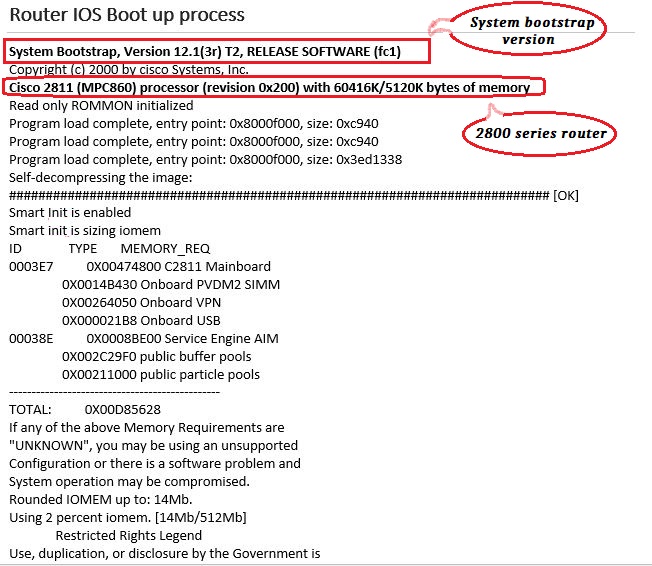
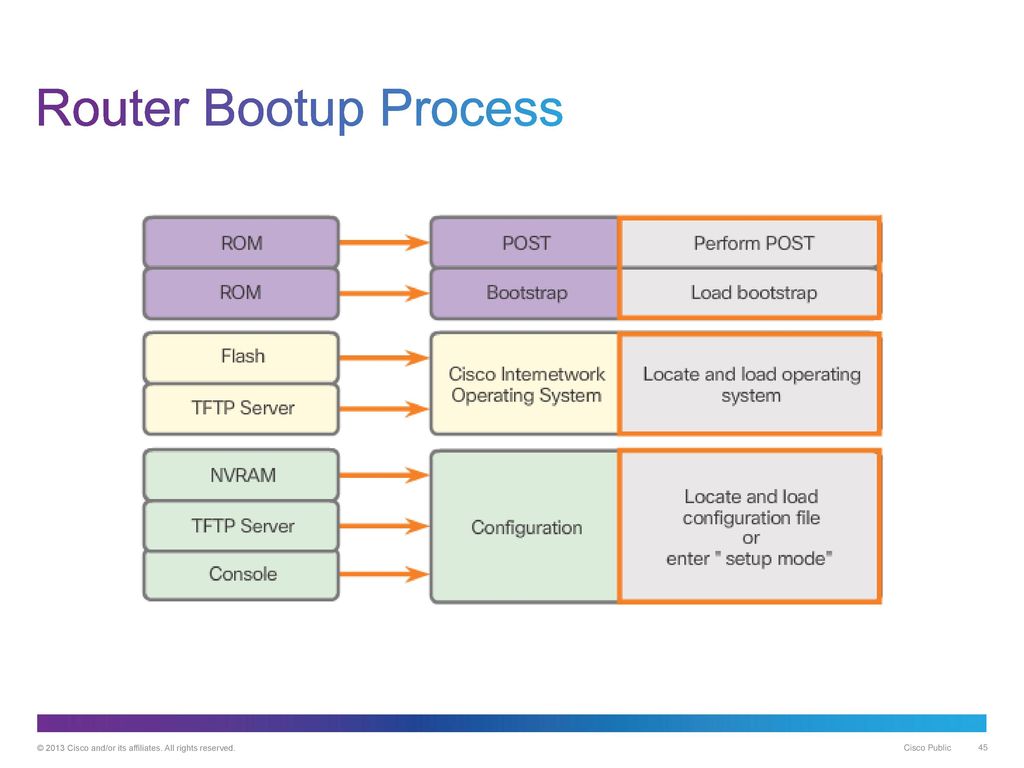
When the Startup Configuration is loaded IOS will display CLI mode in user mode. Router Booting Process Example: The router goes through the above steps during the booting process . The router is powered on. POST is performed which checks the hardware components including memory and interfaces. The bootstrap program is loaded and executed.
If no configuration file is located, the router prompts the user to enter setup mode to begin the configuration process . If a startup configuration file is found, a prompt containing a hostname will display. The router has successfully loaded the IOS and the configuration file. The NetworkingCompany staff can begin using IOS commands on the router .
Cisco CCNA
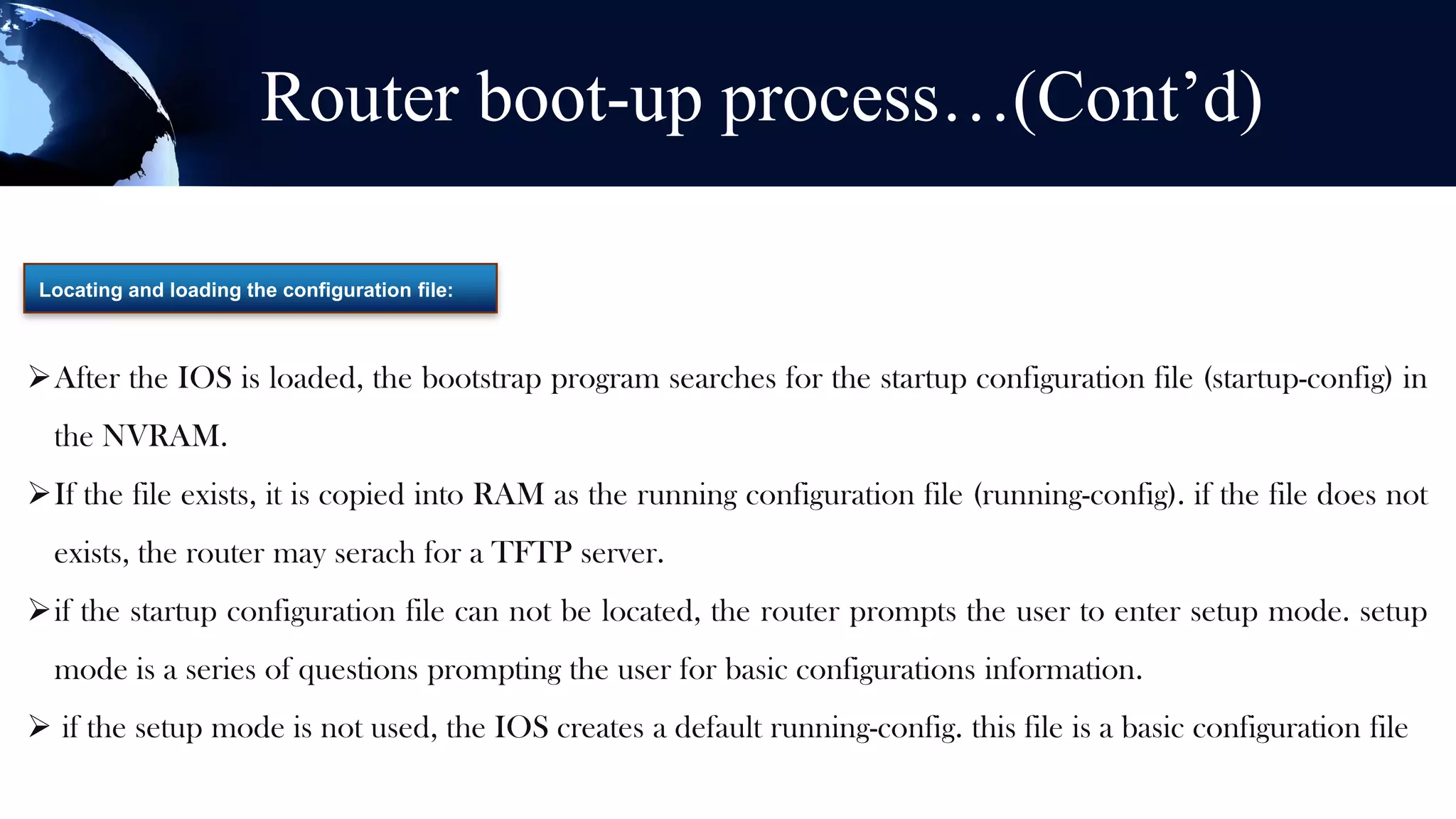
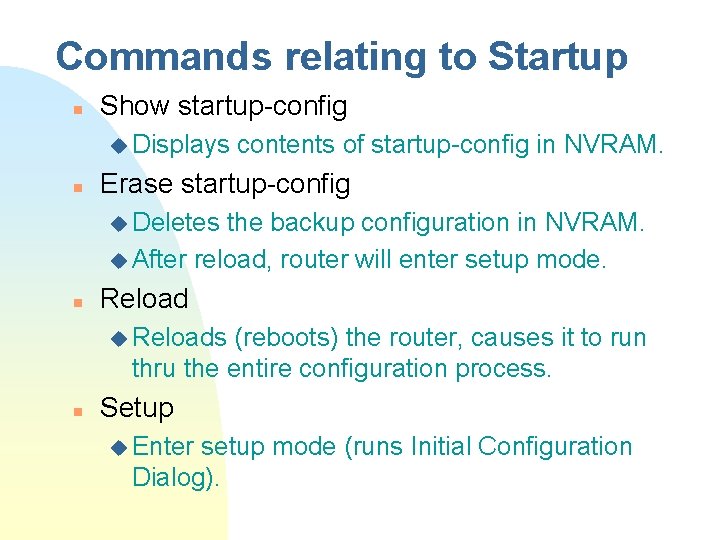
The last step in the router boot-up process is to locate and load the startup configuration file, also known as startup -config, in NVRAM. The startup -config contains configuration commands and parameters such as interface addresses, routing information, passwords and any other configurations saved by the network administrator.

Such details provide a deeper understanding and appreciation for G Router Startup Customization Process.
In this article we will learn about the main components of a Cisco router and how the boot process takes place. Types of memory Generally Cisco routers (and switches) contain four types of memory: Read-Only Memory (ROM): ROM stores the router's bootstrap startup program, operating system software, and power-on diagnostic test programs (POST). Flash Memory: Generally referred to simply as ...
Cisco Router Booting Process Explained with Examples
This tutorial explains a router's booting process , modes, stages, components, and configuration register values.
Start with these steps before you move on to connection, configuration, and more. All the bits and pieces that come with your router should be identified and kept together in an organized manner. Make sure you've got every piece - including cables, plugs, etc. - so you can do any assembly necessary to move the process forward.

This particular example perfectly highlights why G Router Startup Customization Process is so captivating.
Your guide to setting up G.Network's Full
Default configuration When you boot up the router for the first time, the router looks for a default file name-the PID of the router . For example, C8161-G2 looks for a file named C8161-G2.cfg. The Cisco 8100 Series Secure Routers looks for this file before finding the standard files- router -confg or the ciscortr.cfg.
Running and Startup Configuration
A startup configuration is stored in the nonvolatile memory of a device, which means that all configuration changes are saved even if the device loses power. To copy your running configuration into the startup configuration you need to type the command copy running-configuration startup -configuration.
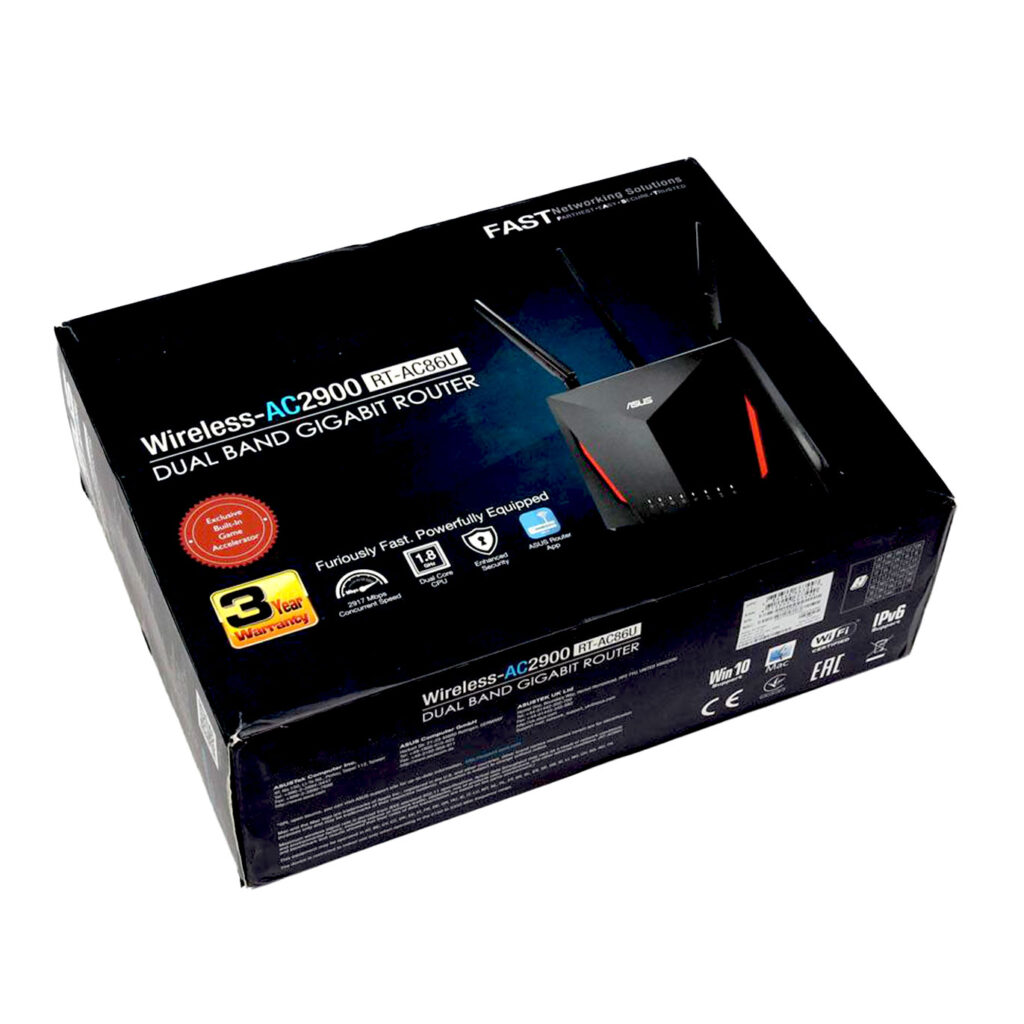
How to Setup a home wireless router to connect to the internet and provide a secure Wi-Fi network.