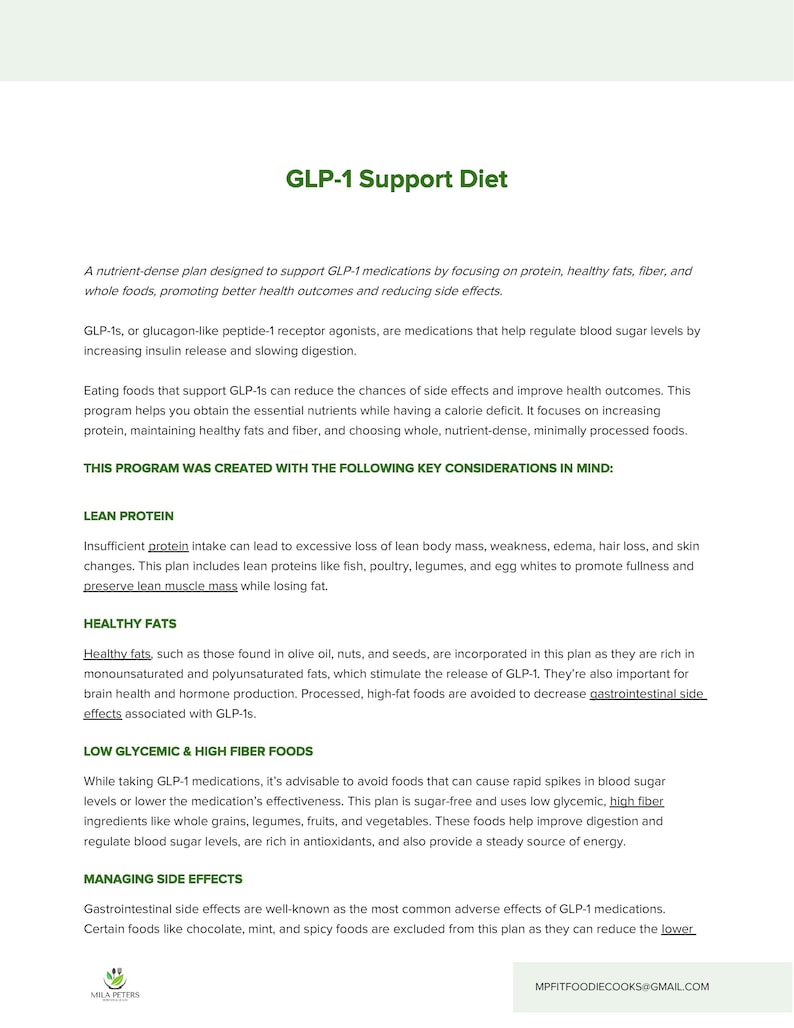
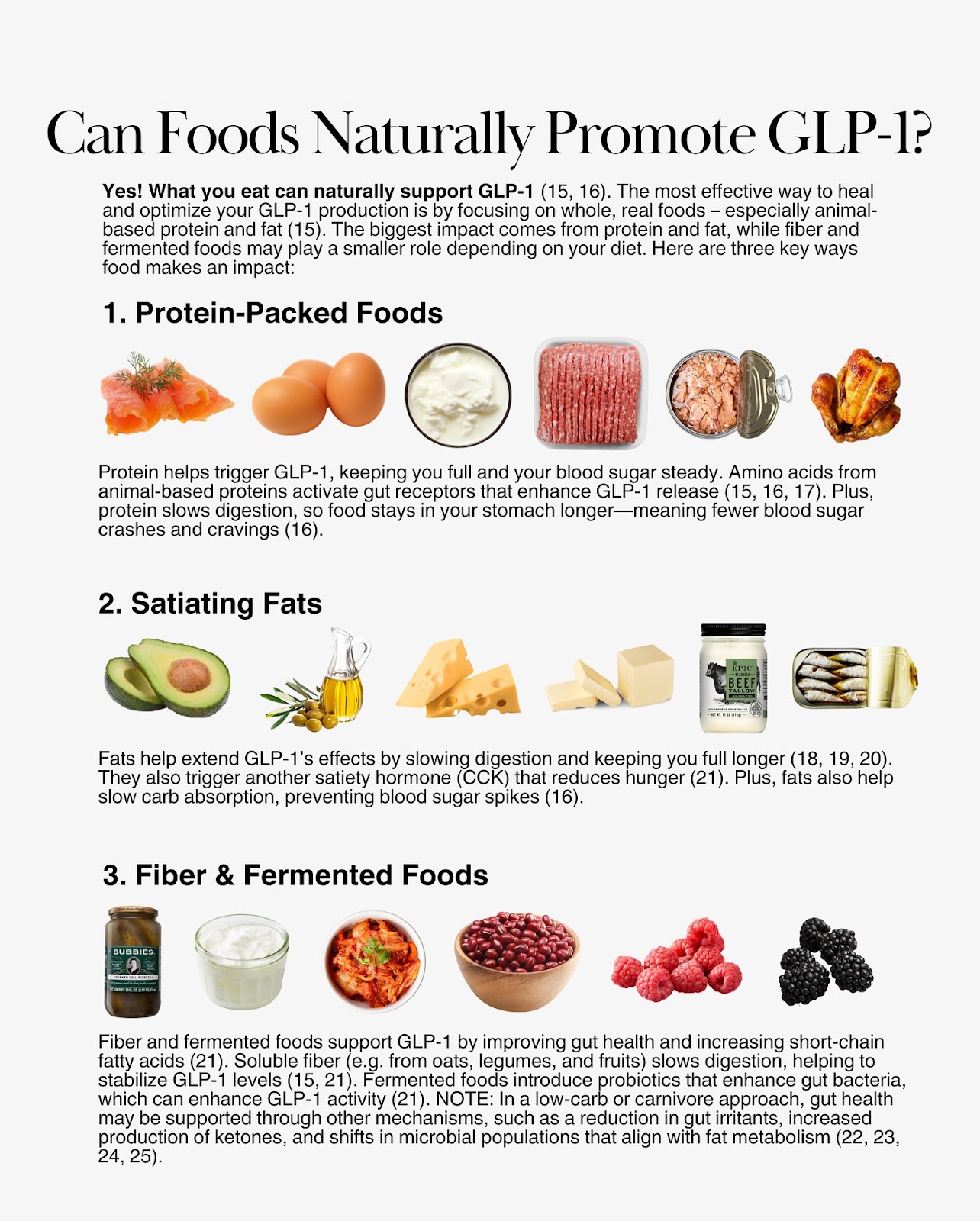
The Role of GLP
However, further research is essential to better understand the long-term esthetic impact of GLP-1 agonists like Semaglutide, particularly regarding skin health and fat distribution.
Discover how to prevent skin thinning during GLP-1 regimen with evidence-based strategies. Learn about nutrition, exercise, and skincare to support skin health during semaglutide or liraglutide treatment in the UK.
Effects of GLP
Introduction Glucagon-like peptide-1 receptor agonists ( GLP-1 RAs), particularly semaglutide and liraglutide, have revolutionized the treatment of type 2 diabetes and obesity due to their potent effects on weight loss and glycemic control. However, emerging evidence has highlighted dermatologic side effects associated with the rapid reduction of subcutaneous adipose tissue, particularly in the ...

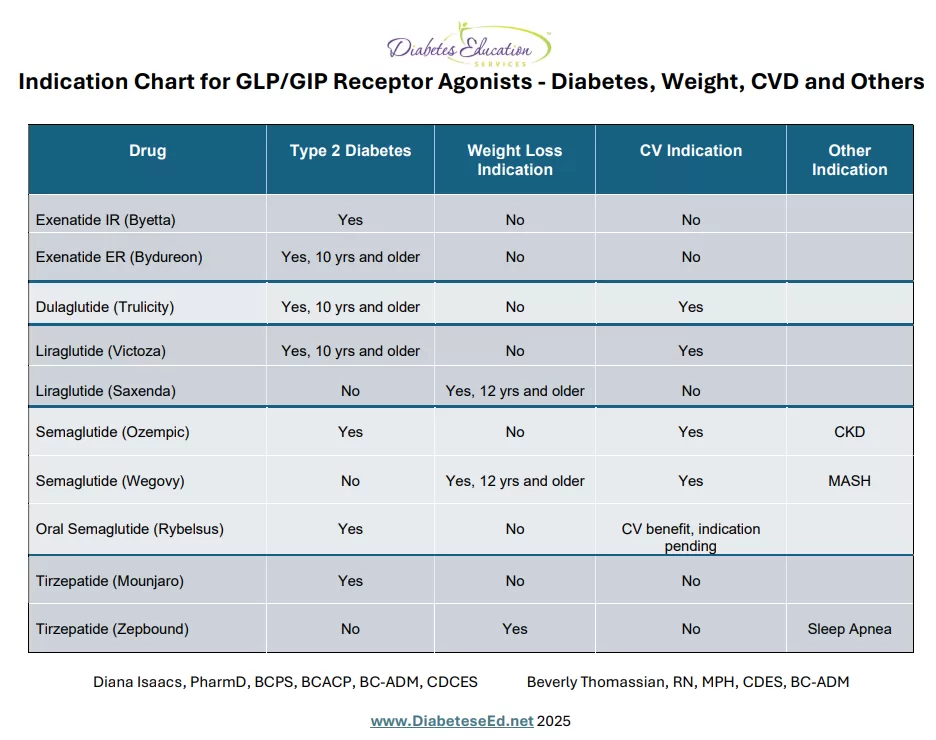
Skin maintenance during GLP-1 therapy recommendations are increasingly sought as medications such as semaglutide (Ozempic, Wegovy) and liraglutide (Saxenda, Victoza) become more widely prescribed for type 2 diabetes and weight management in the UK. Whilst these glucagon-like peptide-1 receptor agonists deliver significant metabolic benefits, patients may experience skin -related changes ...
Clinician Guidance on the Benefits of Healthy Nutrition and Increased ...
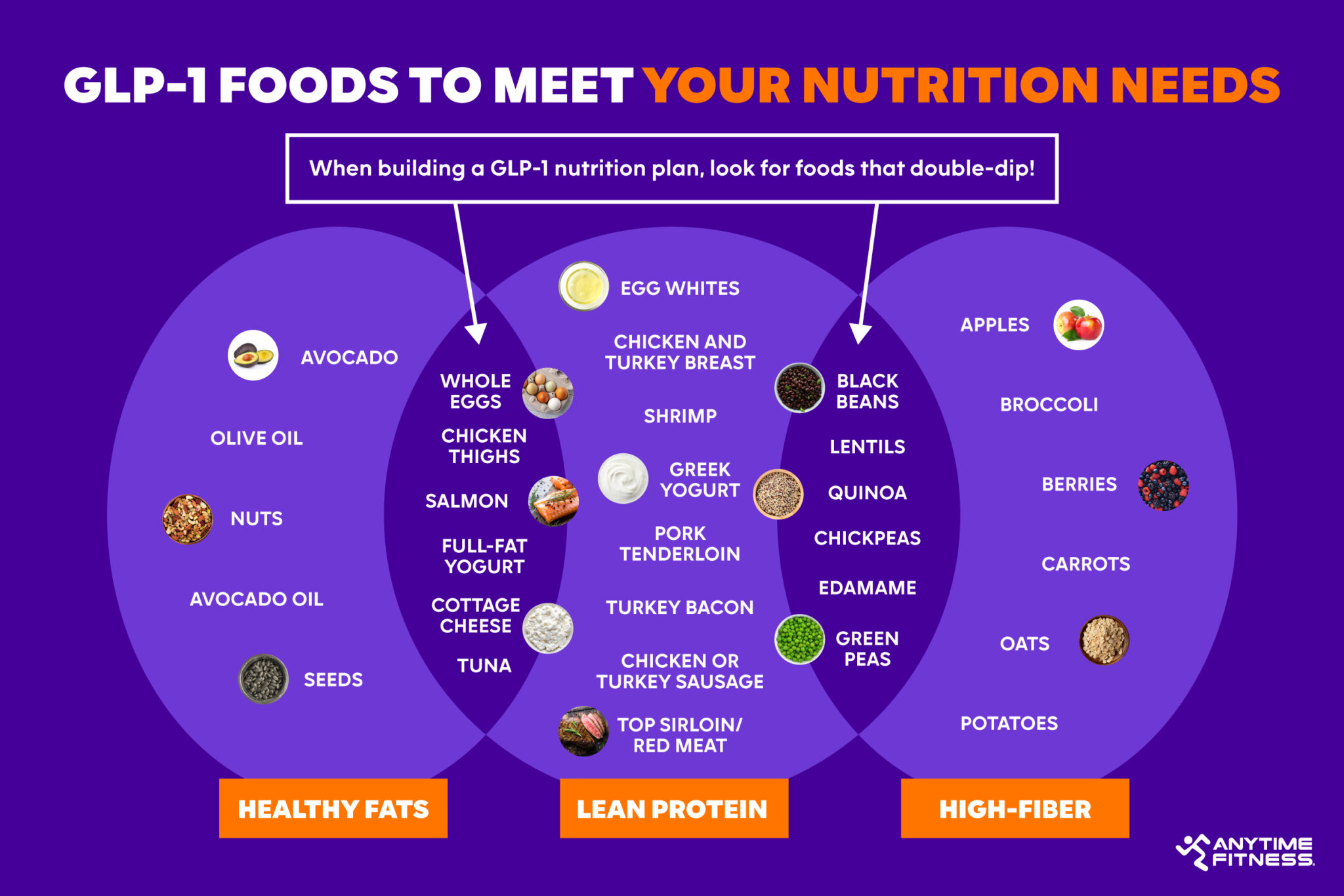
This article highlights the benefits of healthy nutrition and physical activity for type 2 diabetes management irrespective of GLP-1 receptor agonist use or associated weight loss, identifies barriers to healthy nutrition and physical activity, and provides guidance for primary care clinicians to further educate and advise their patients on ...
Glucagon-like peptide-1 receptor agonists ( GLP -1RAs) have revolutionized the treatment of type 2 diabetes mellitus and obesity by improving glycemic control, reducing body weight, and lowering cardiometabolic risk. Beyond their metabolic effects, GLP -1RAs may exert anti-inflammatory and immunomodulatory effects, spurring investigation into dermatologic applications. Early clinical evidence ...
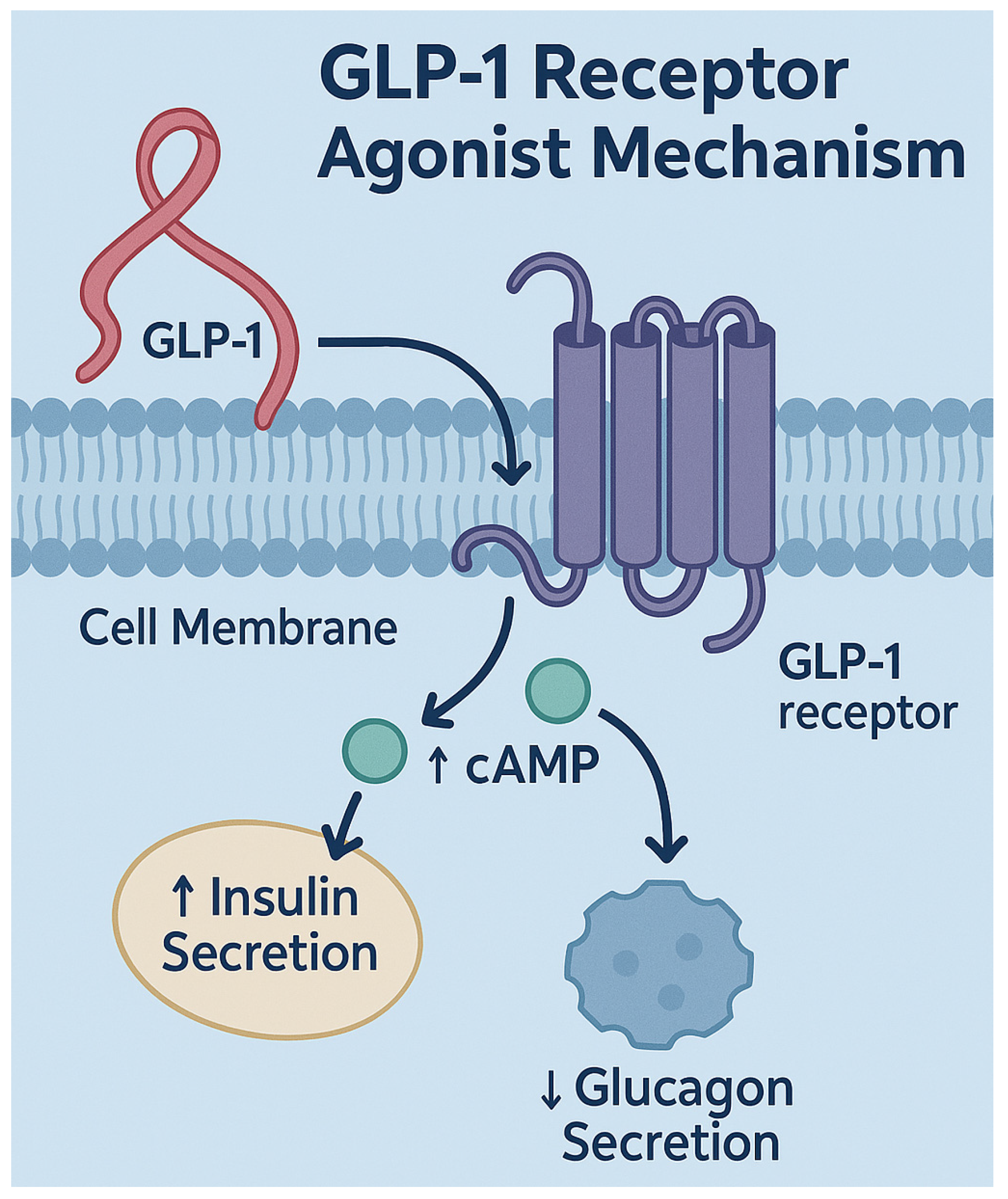
Furthermore, visual representations like the one above help us fully grasp the concept of Glp 1 Agonist Prediabetes Diet For Improving Skin Health.
A Closer Look at the Dermatological Profile of GLP
Background/objectives: Glucagon-like peptide-1 receptor agonists ( GLP -1RAs) are widely used in treating type 2 diabetes and obesity, offering established metabolic and cardiovascular benefits. Emerging evidence suggests these agents also exert direct dermatologic effects. This systematic review categorizes these effects and explores their role in inflammatory skin diseases. Methods: A ...
Originally developed for diabetes management and obesity treatment, GLP-1 receptor agonists now occupy a central role in discussions surrounding metabolic health , inflammation, and aesthetic medicine.
Most effective app to manage your Diabetes effectively. Easy to follow custom meal plans. Get personalized support every step of the way. You can do it with our Prediabetes diet

Moving forward, it's essential to keep these visual contexts in mind when discussing Glp 1 Agonist Prediabetes Diet For Improving Skin Health.
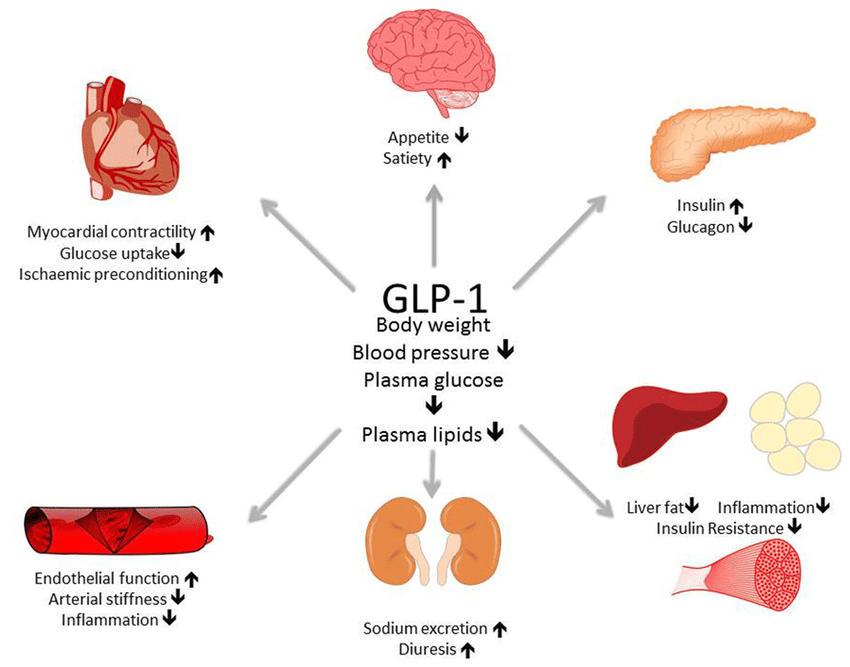
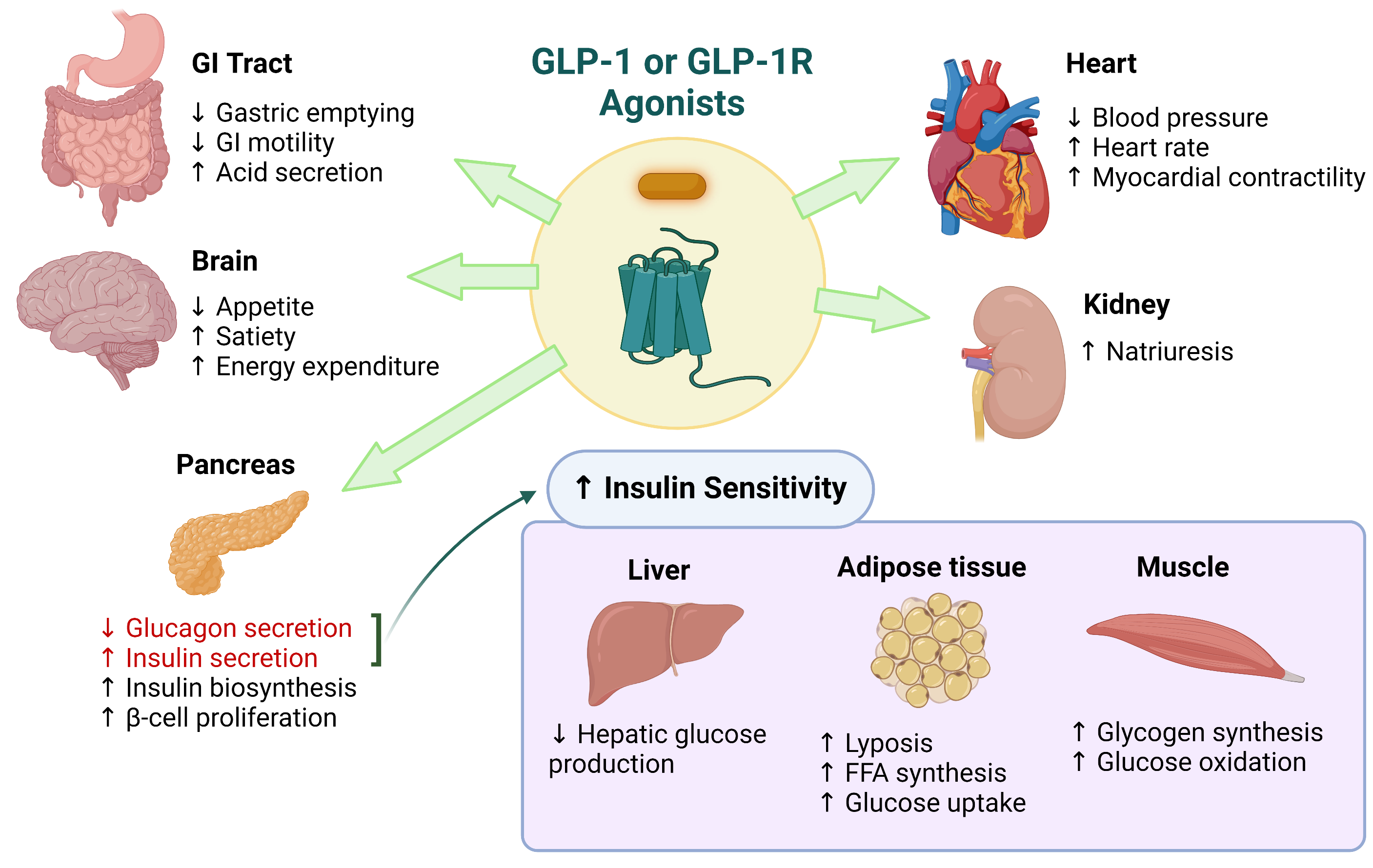
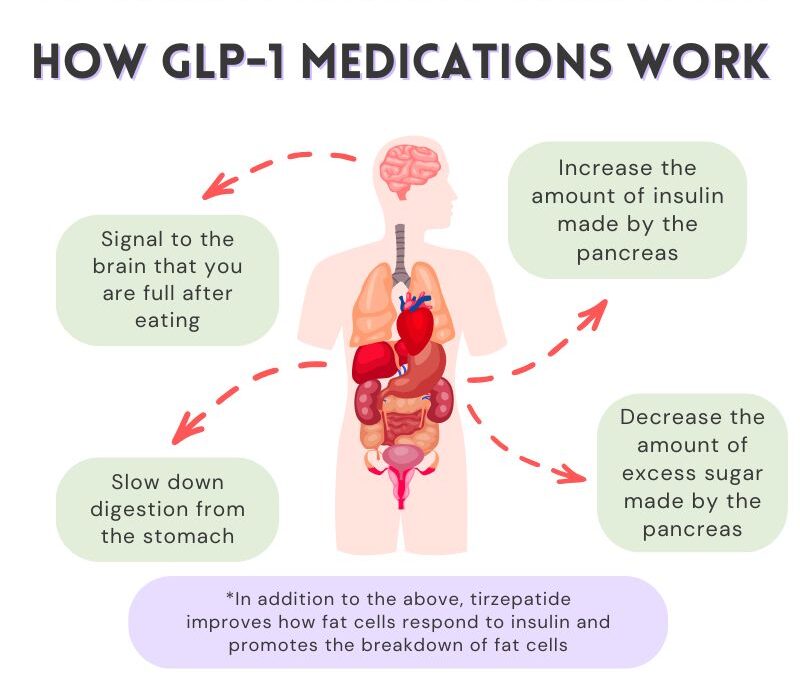
Introduction and background Glucagon-like peptide-1 receptor agonists ( GLP -1RAs) are anti-obesity and anti-diabetes medications that mimic the action of the endogenous incretin hormone GLP-1 , which is released from the gut in response to food intake.
Weighing in on glucagon
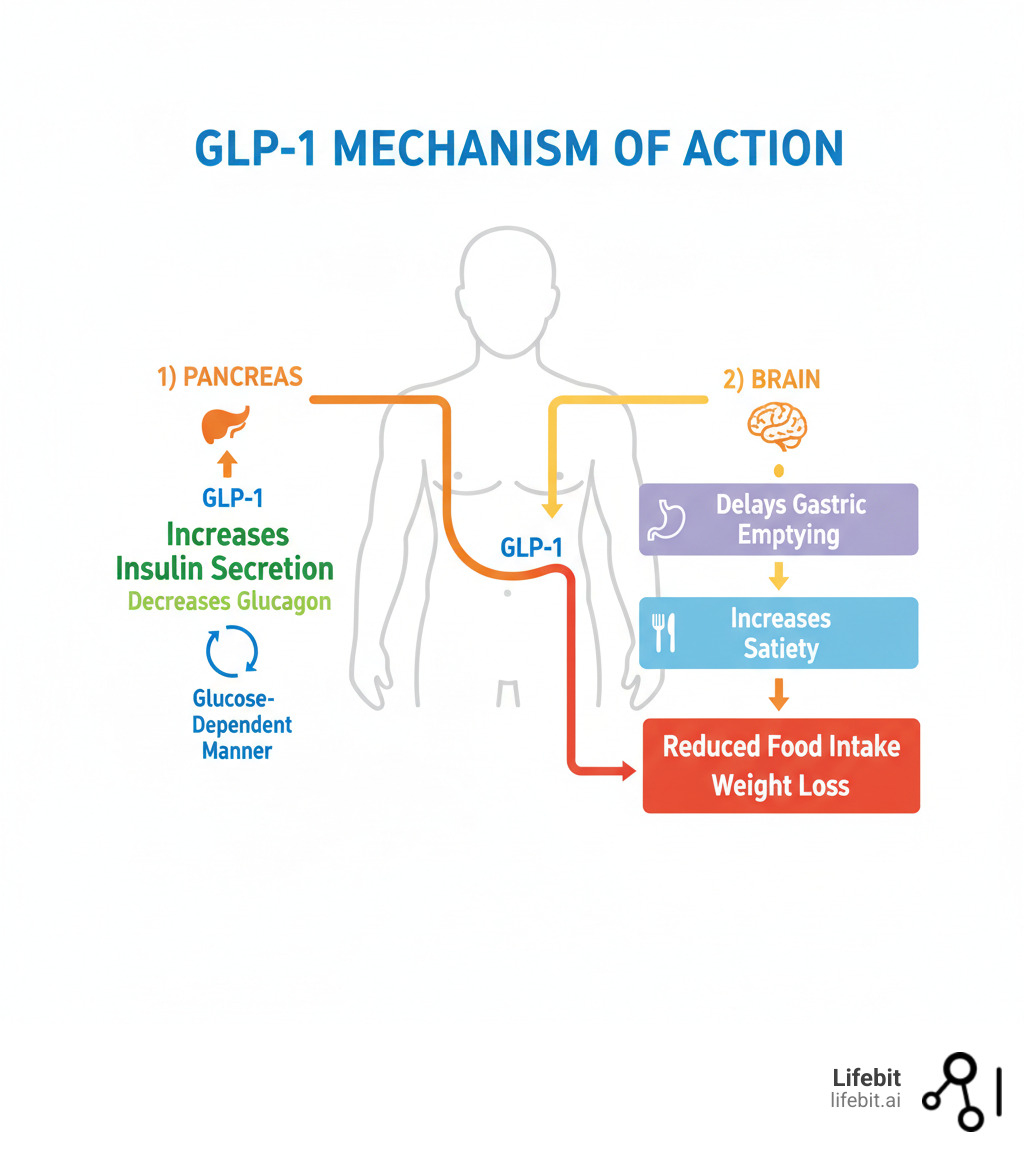
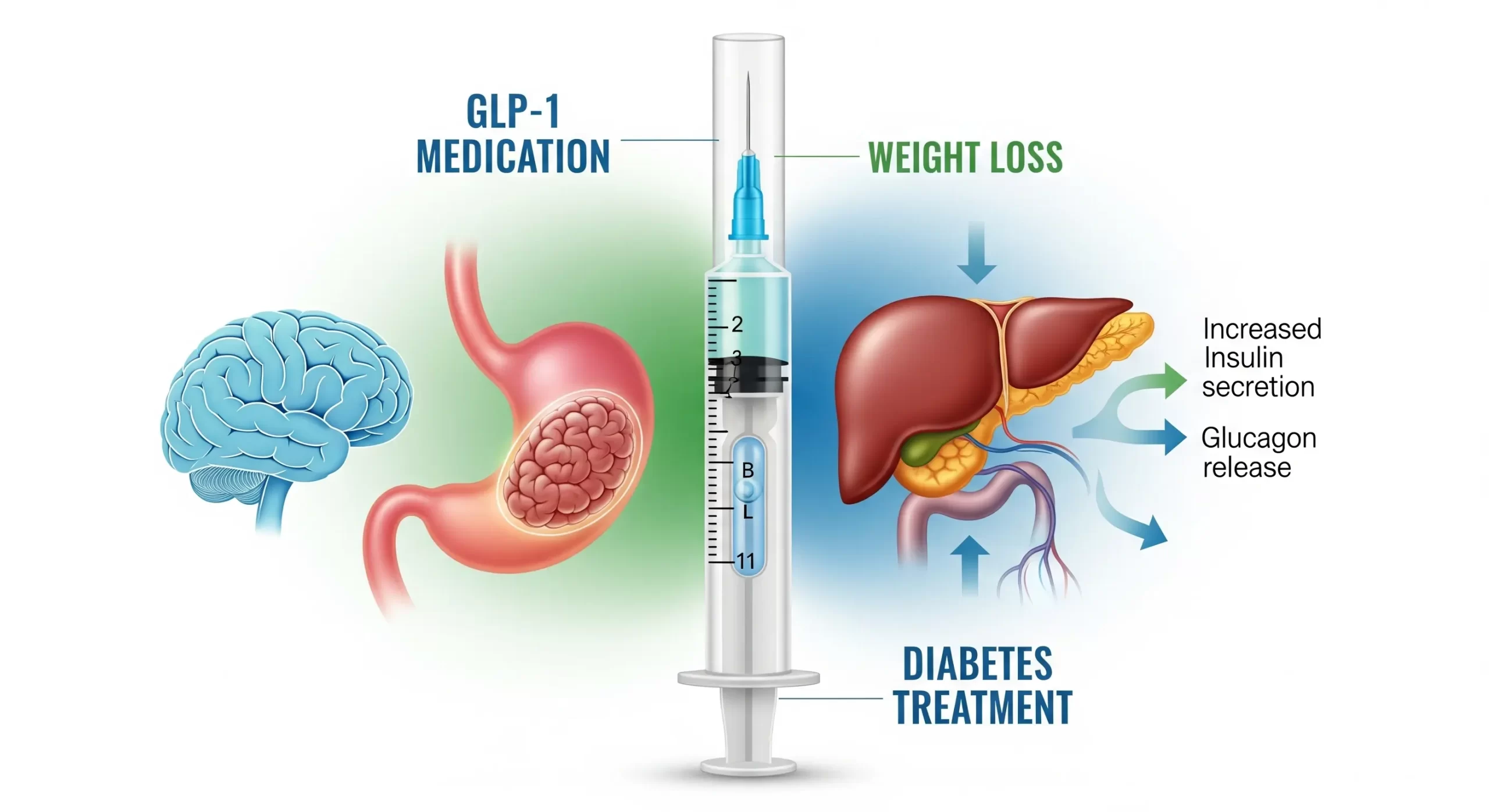
Glucagon-like peptide-1 receptor agonists (GLP1RA) are in vogue—your patients are on them, and perhaps you are too. GLP1RA offer a beacon of hope for obesity and type 2 diabetes mellitus. These agents promote delayed gastric emptying and increase insulin secretion while inhibiting glucagon release, but only when glucose levels are elevated via the incretin effect, thus reducing the ...