Cardiovascular Effects of GLP
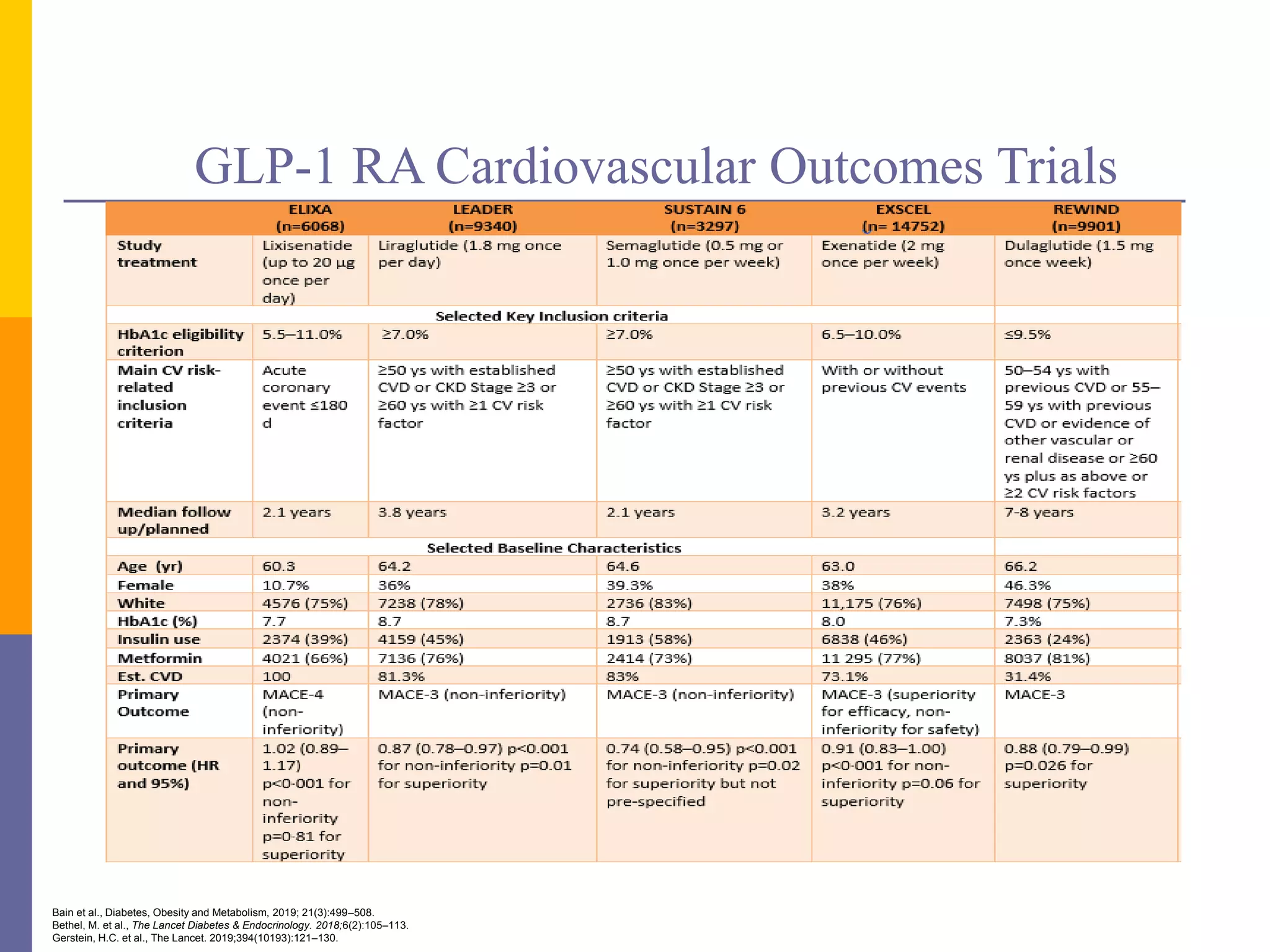
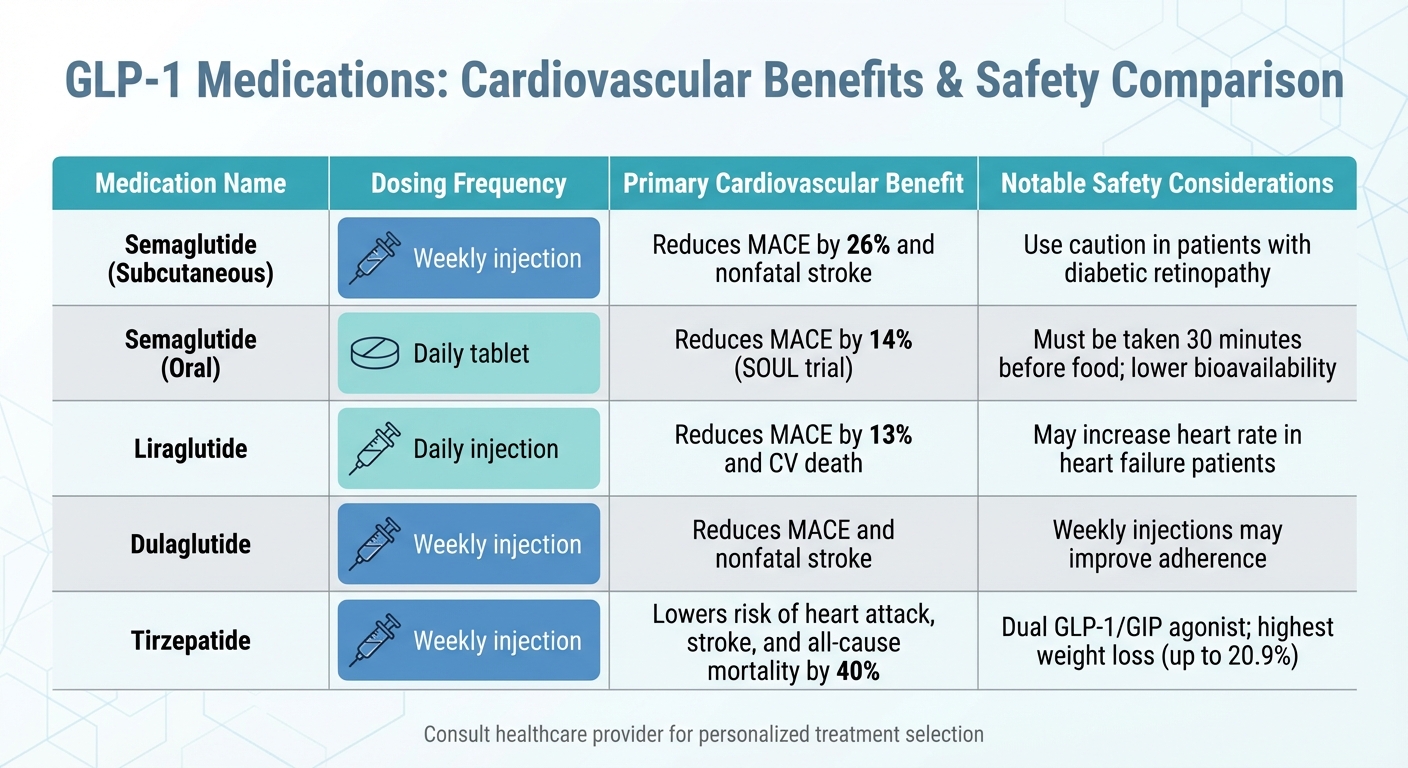
GLP-1 analogues and combination therapies represent innovative approaches to managing T2DM and mitigating cardiovascular risk . The robust evidence from clinical trials underscores their potential to improve patient outcomes by addressing both metabolic and cardiovascular aspects of the disease.
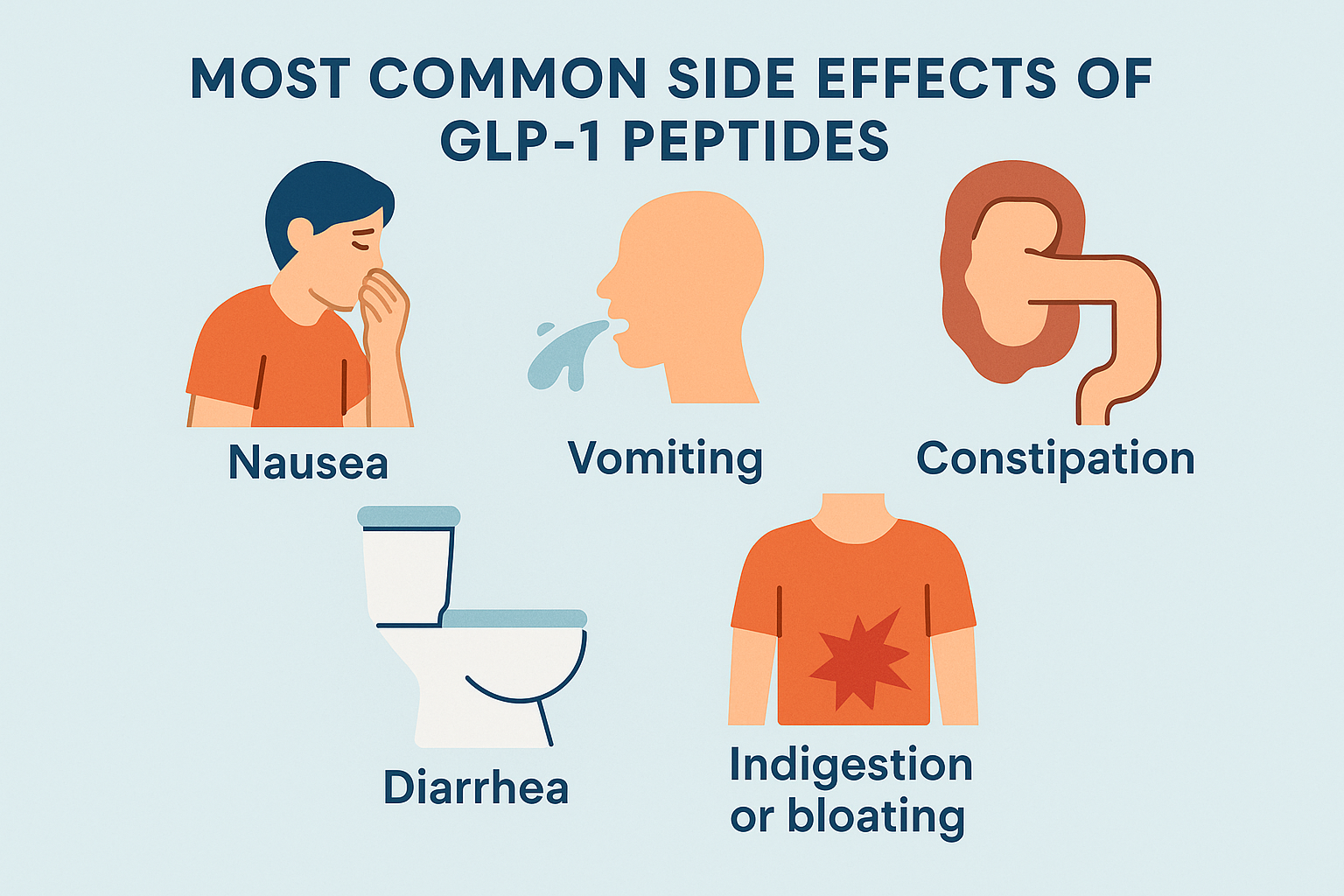
As GLP-1 RAs become more prevalent in treating diabetes and patients with cardiovascular disease (CVD) or risk factors for CVD, clinicians will ultimately manage the practical aspects of patient selection, dosing, special considerations, and side effects of these medications.
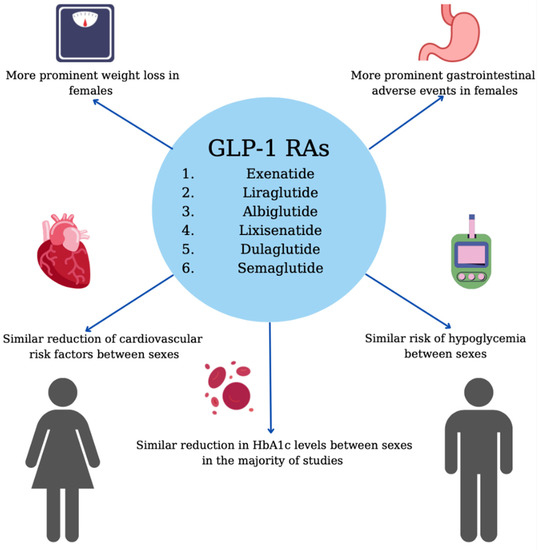
Key Details About Glp-1 Analogues And Cardiovascular Risk Factors
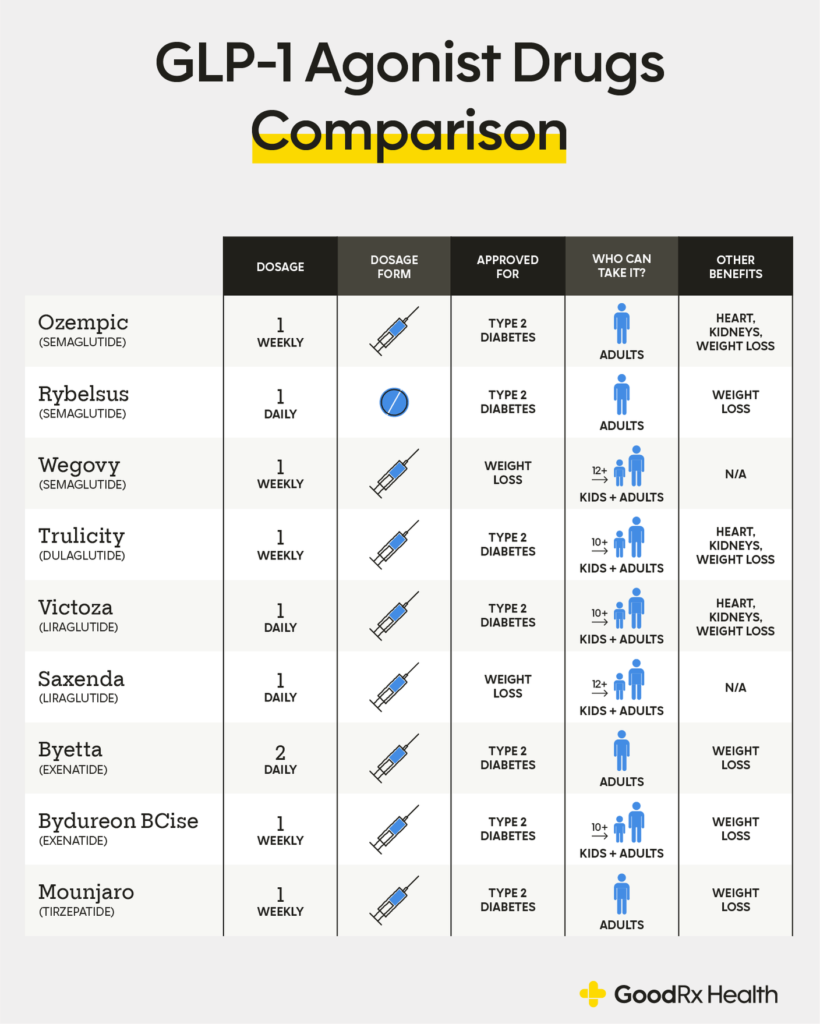
Moving forward, it's essential to keep these visual contexts in mind when discussing Glp 1 Analogues And Cardiovascular Risk Factors.
Glucagon-like peptide-1 receptor agonists ( GLP-1 RAs) provide proven cardiovascular benefits in type 2 diabetes mellitus (T2DM) and heart failure, but their effects in patients with peripheral artery disease (PAD) remain unclear. PAD is common in T2DM and increases the risk of adverse cardiovascular and limb outcomes.
Effects of glucagonlike peptide1 receptor agonists on cardiovascular ...
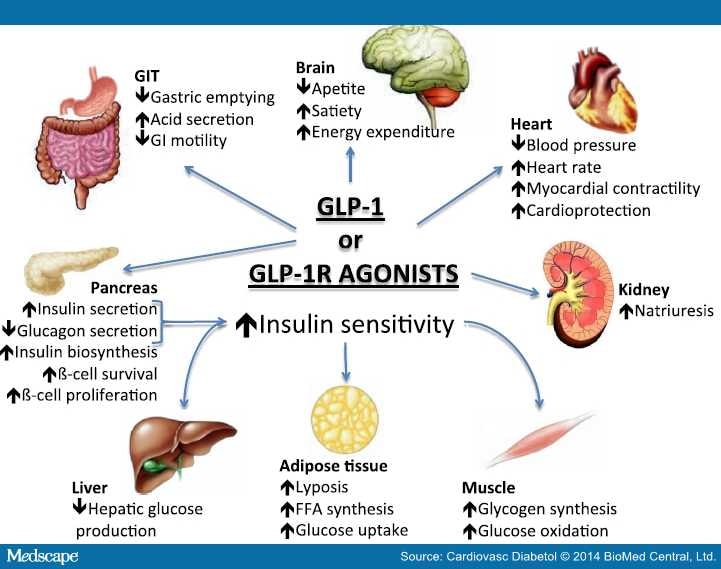
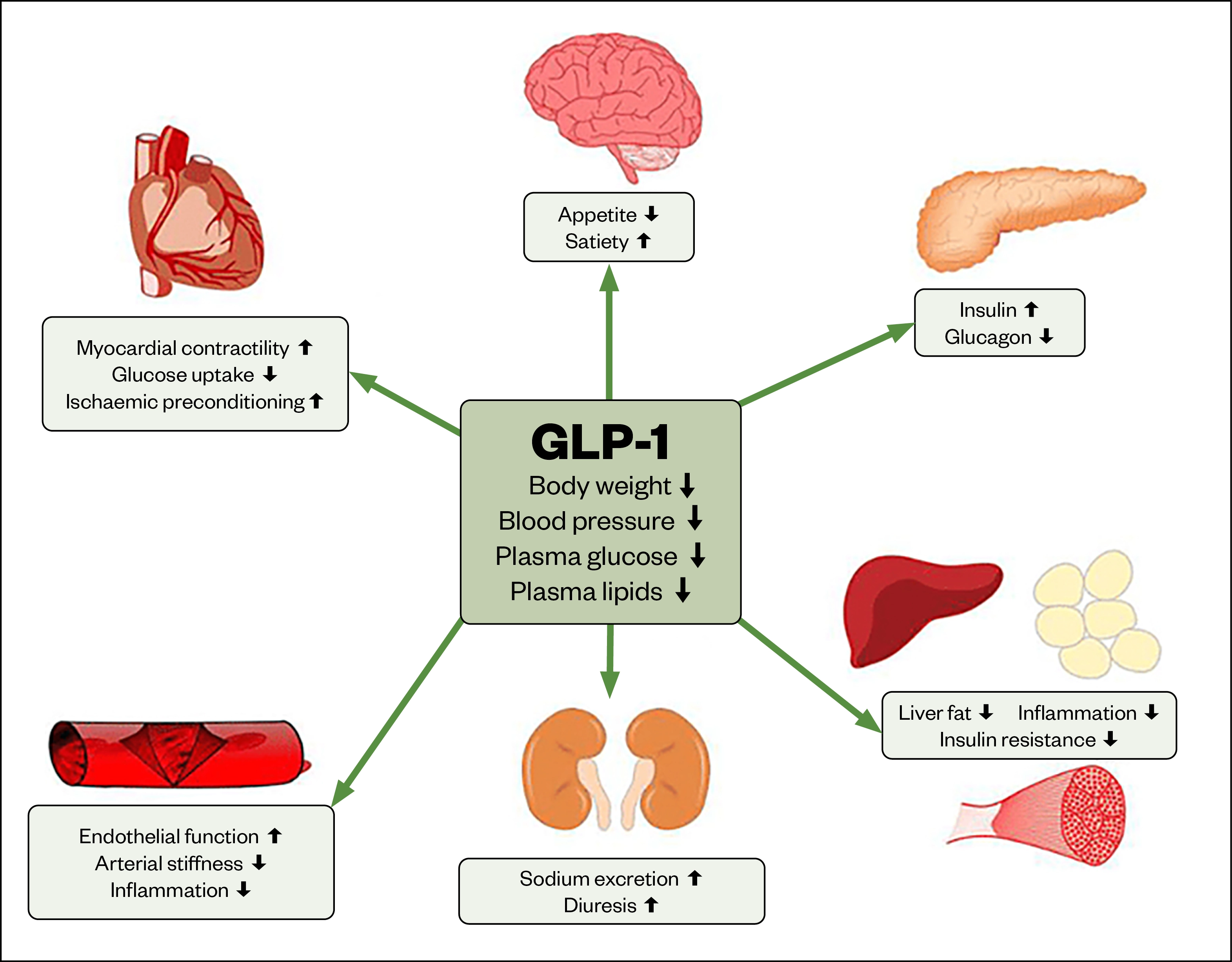
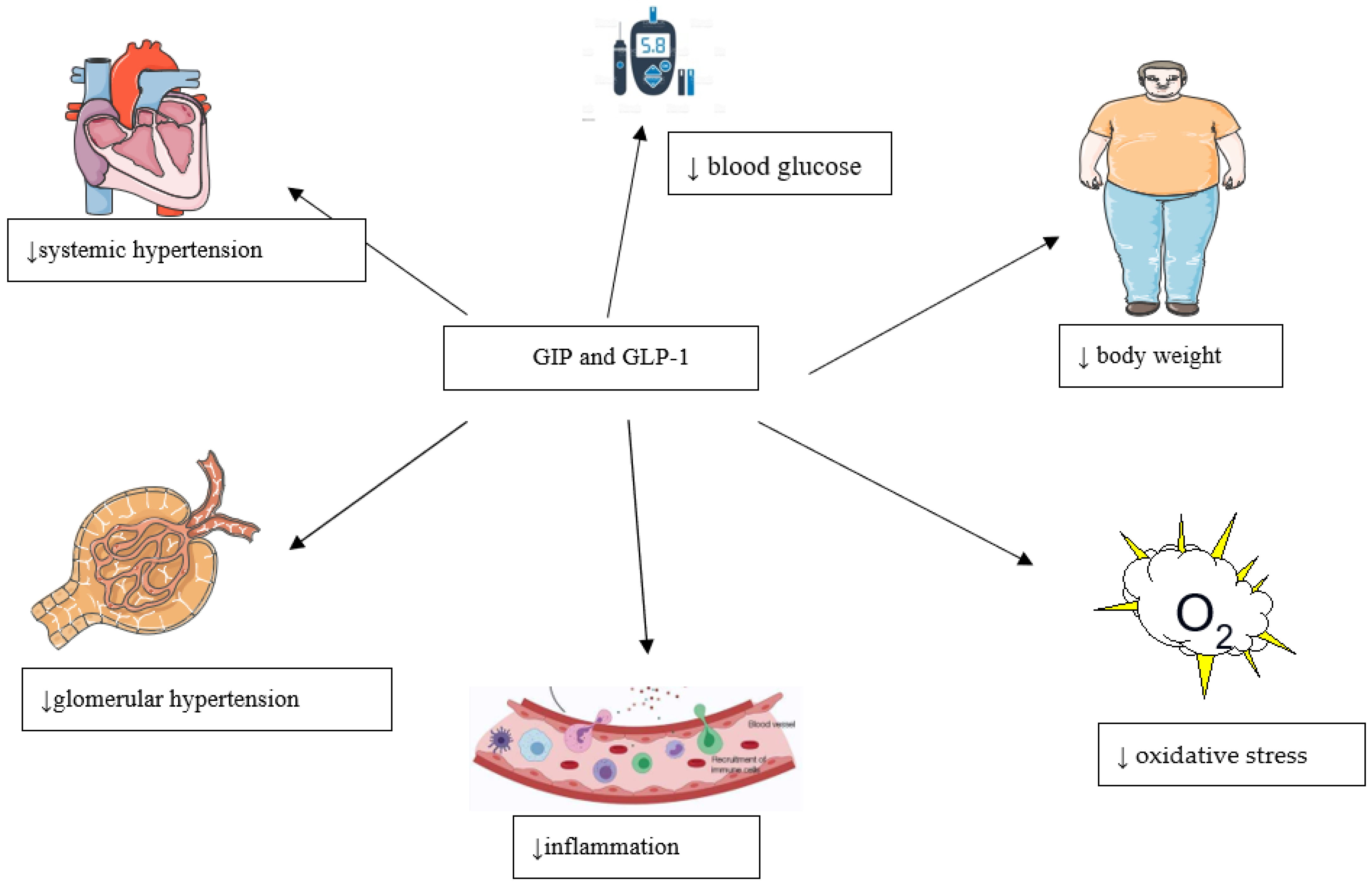
Abstract Cardiovascular (CV) disease is the leading cause of death and morbidity in patients with type 2 diabetes. Five CV risk factors (blood pressure, resting heart rate, body weight, cholesterol levels and blood glucose) are monitored routinely as safety and efficacy endpoints in randomized clinical trials for diabetes therapies. To determine if different glucagon‐like peptide‐1 ...

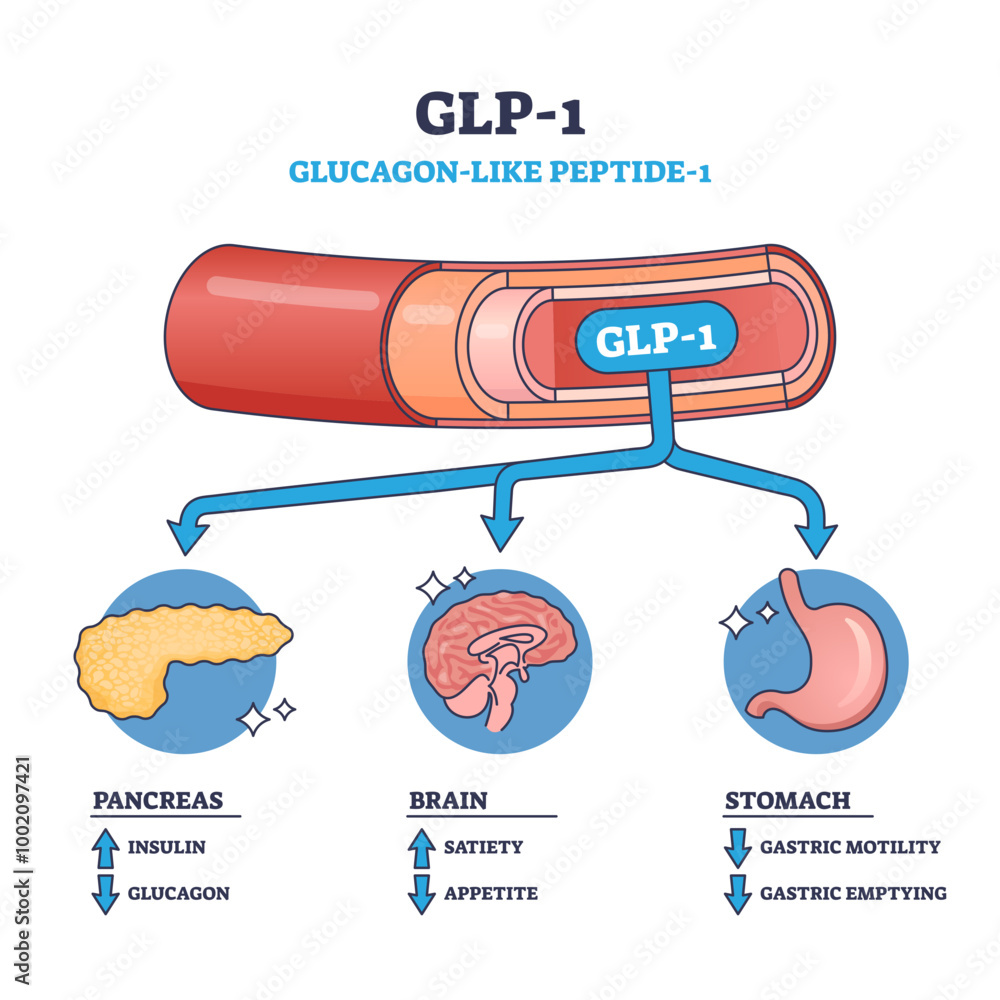
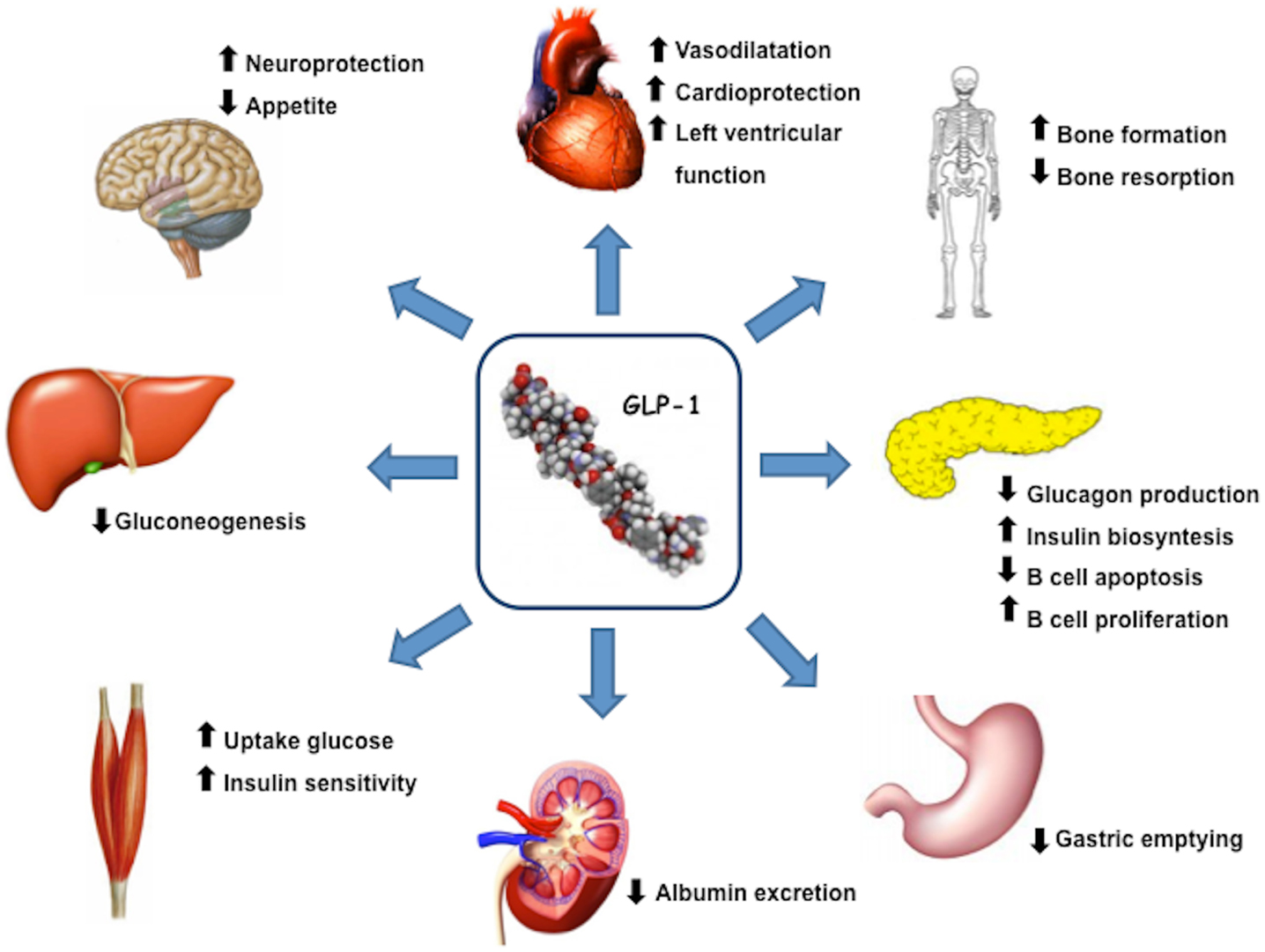
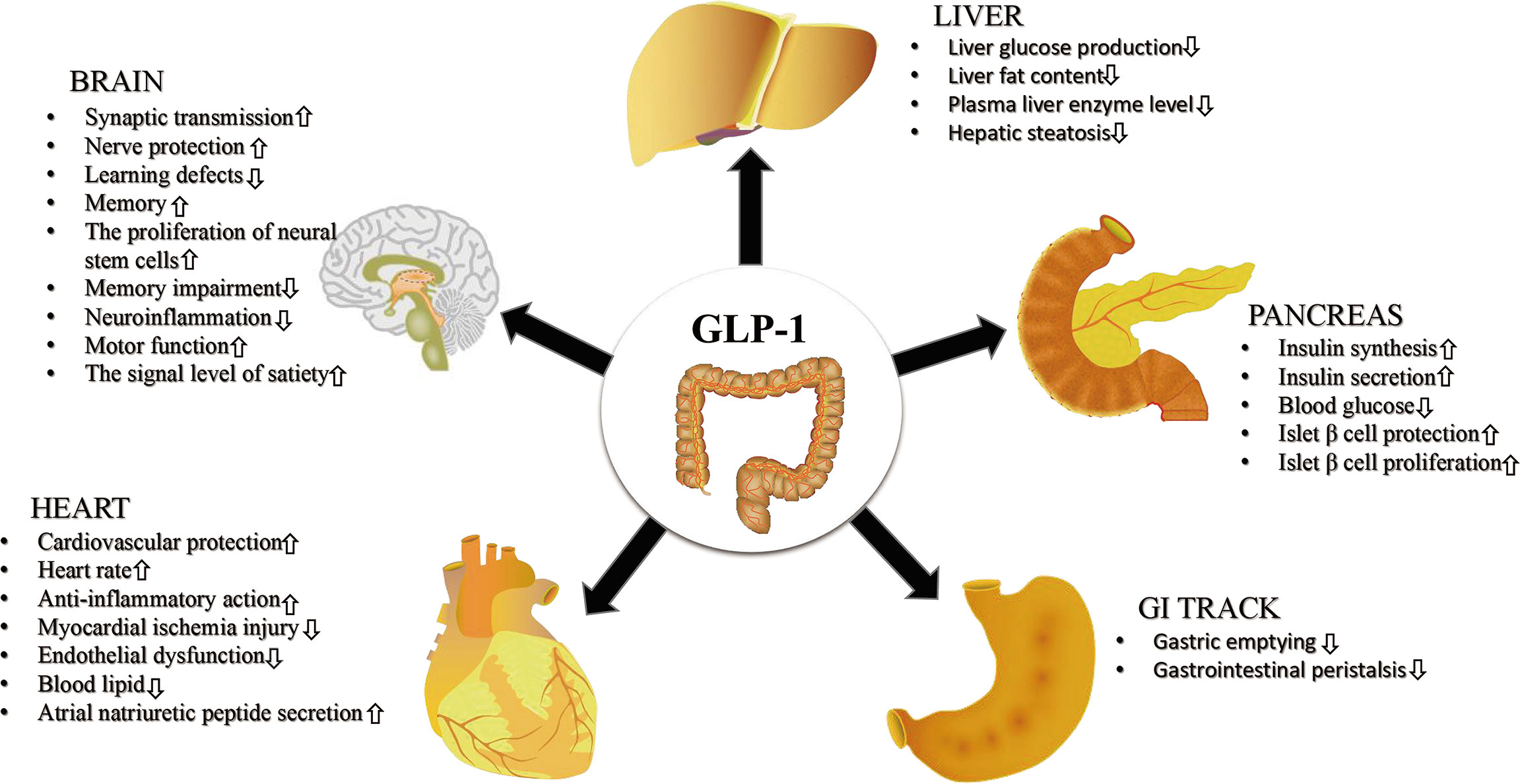
As we can see from the illustration, Glp 1 Analogues And Cardiovascular Risk Factors has many fascinating aspects to explore.
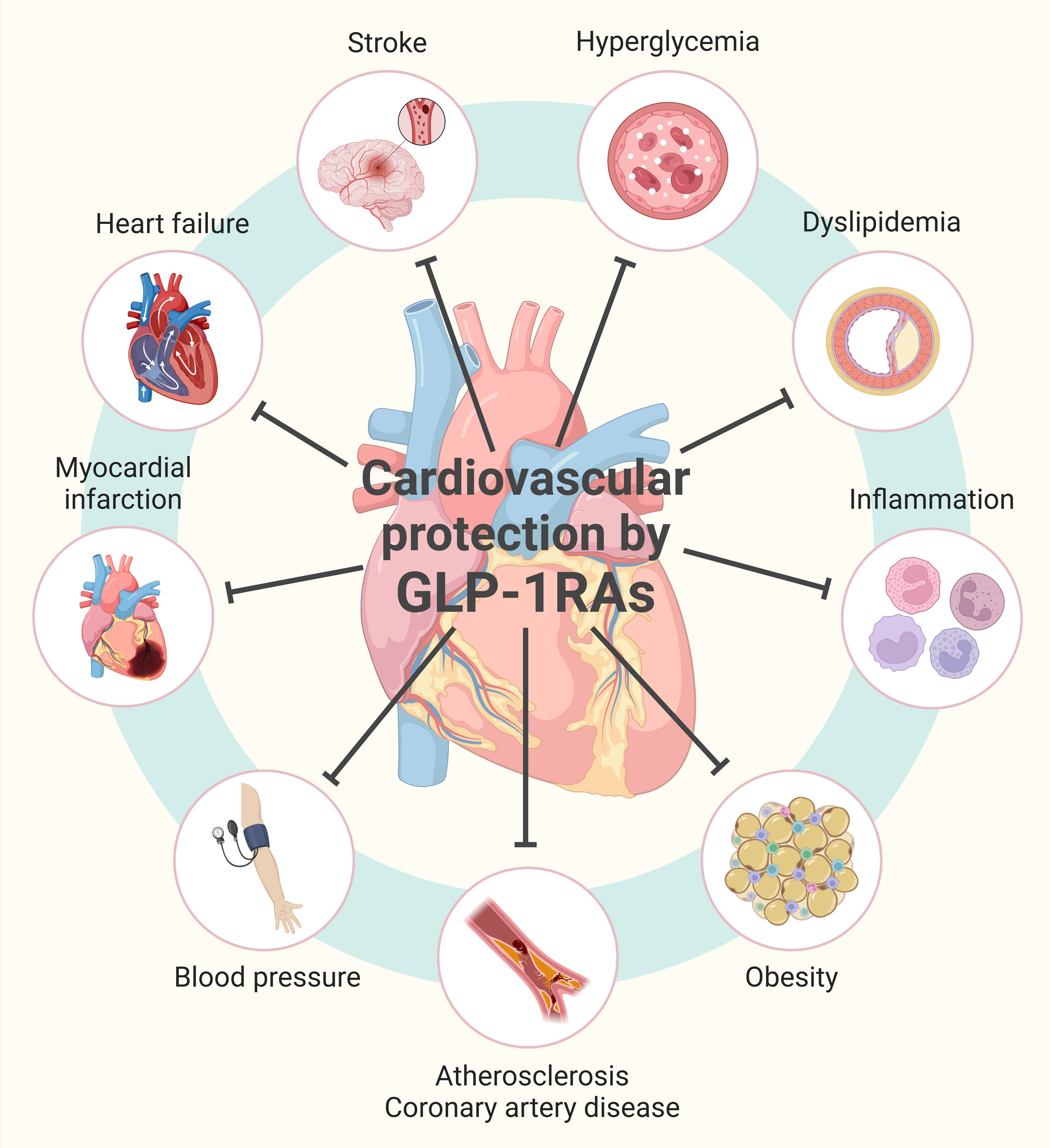
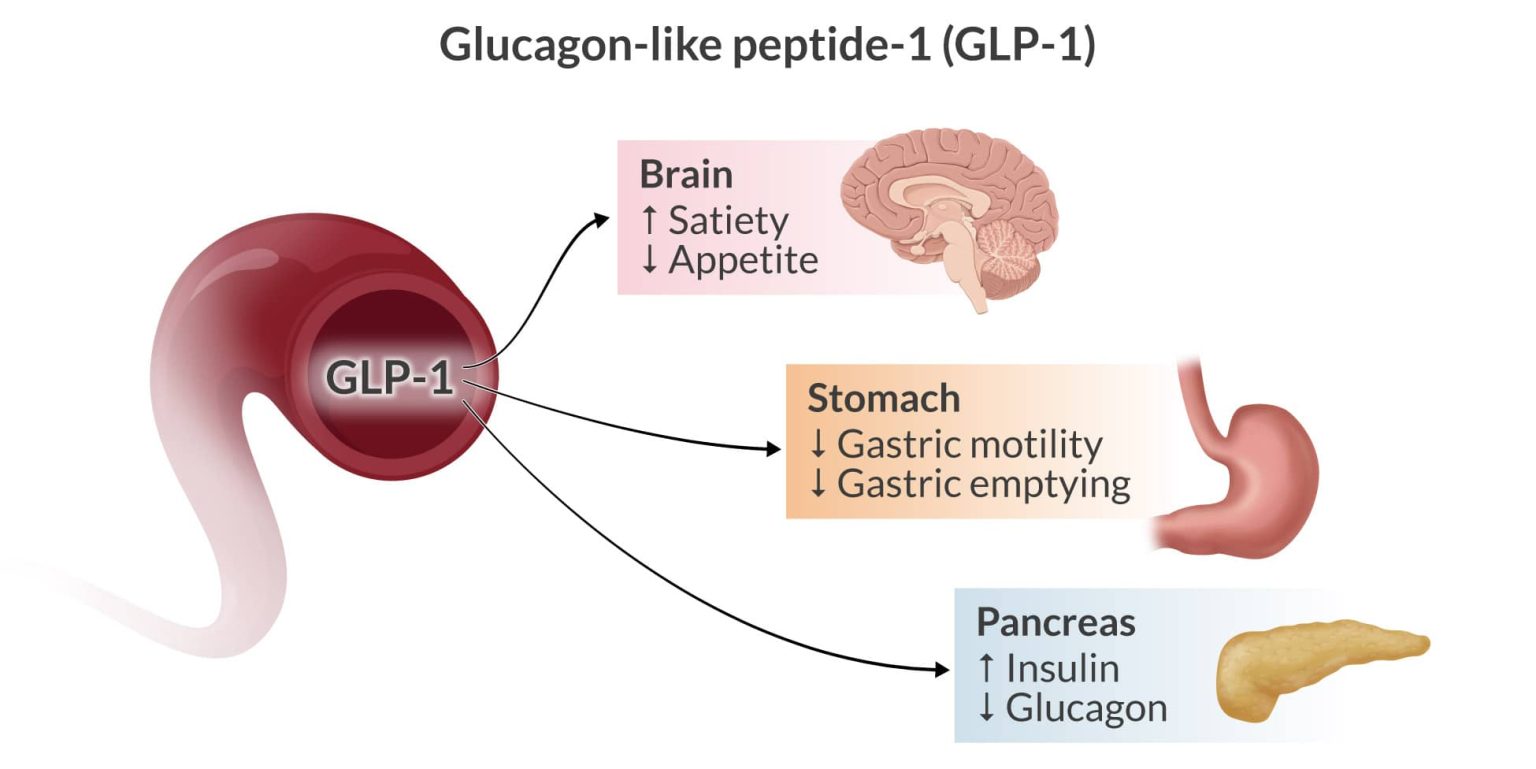
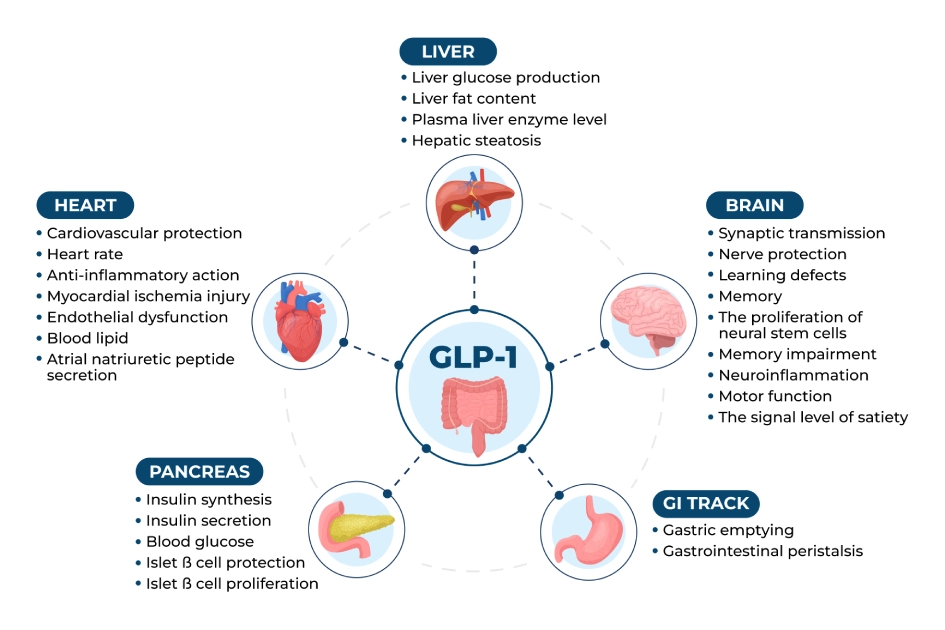
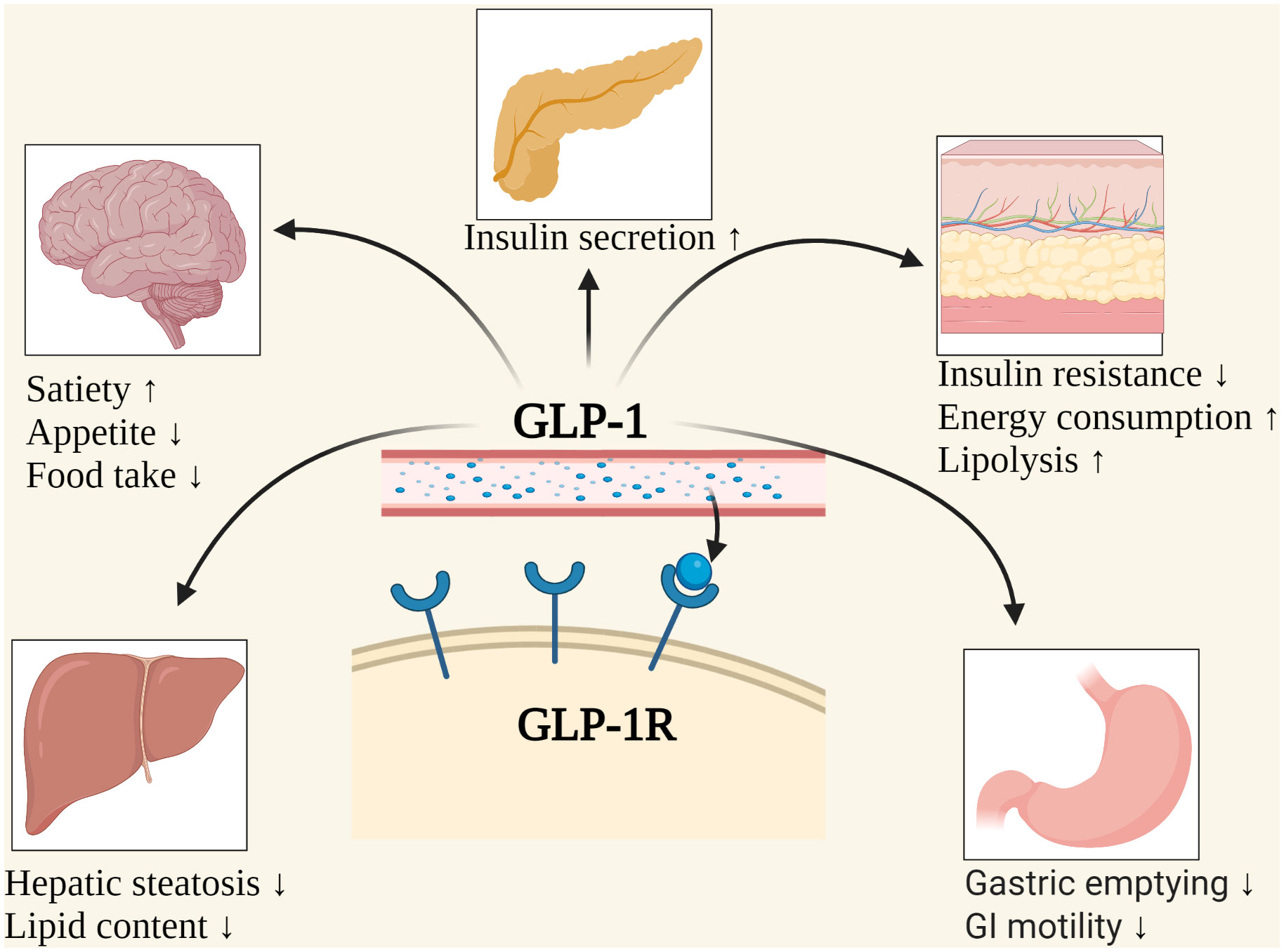
GLP-1 receptor agonists were initially developed to treat type 2 diabetes and have had a transformative effect on its therapy, and are highly effective for glycaemic control, with the added benefit of bodyweight reduction and a low risk of causing hypoglycaemia. GLP-1 receptor agonists reduce risks for major adverse cardiovascular events (eg, non-fatal myocardial infarction, stroke, and ...
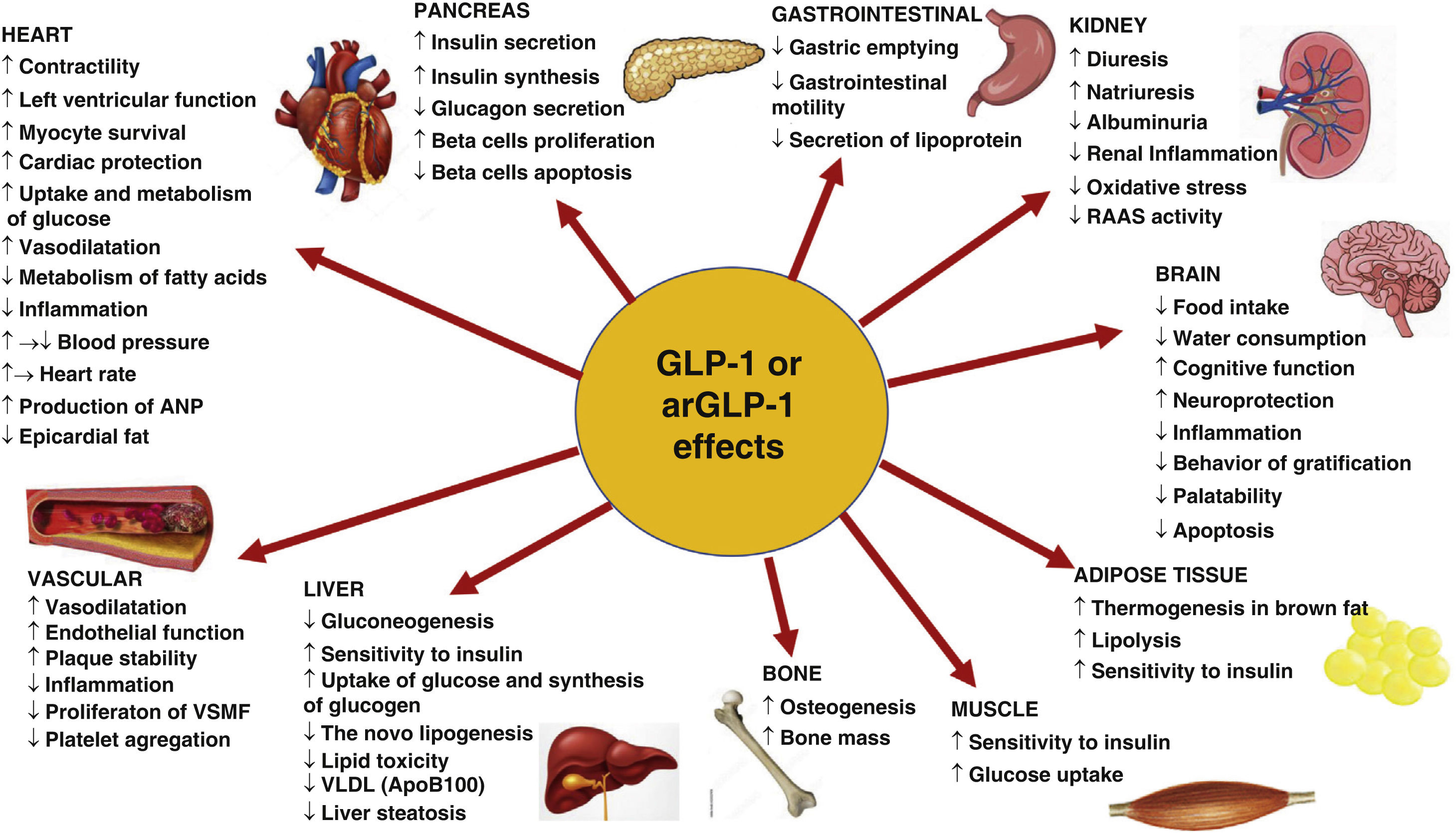
The benefits of GLP1 receptors in cardiovascular diseases
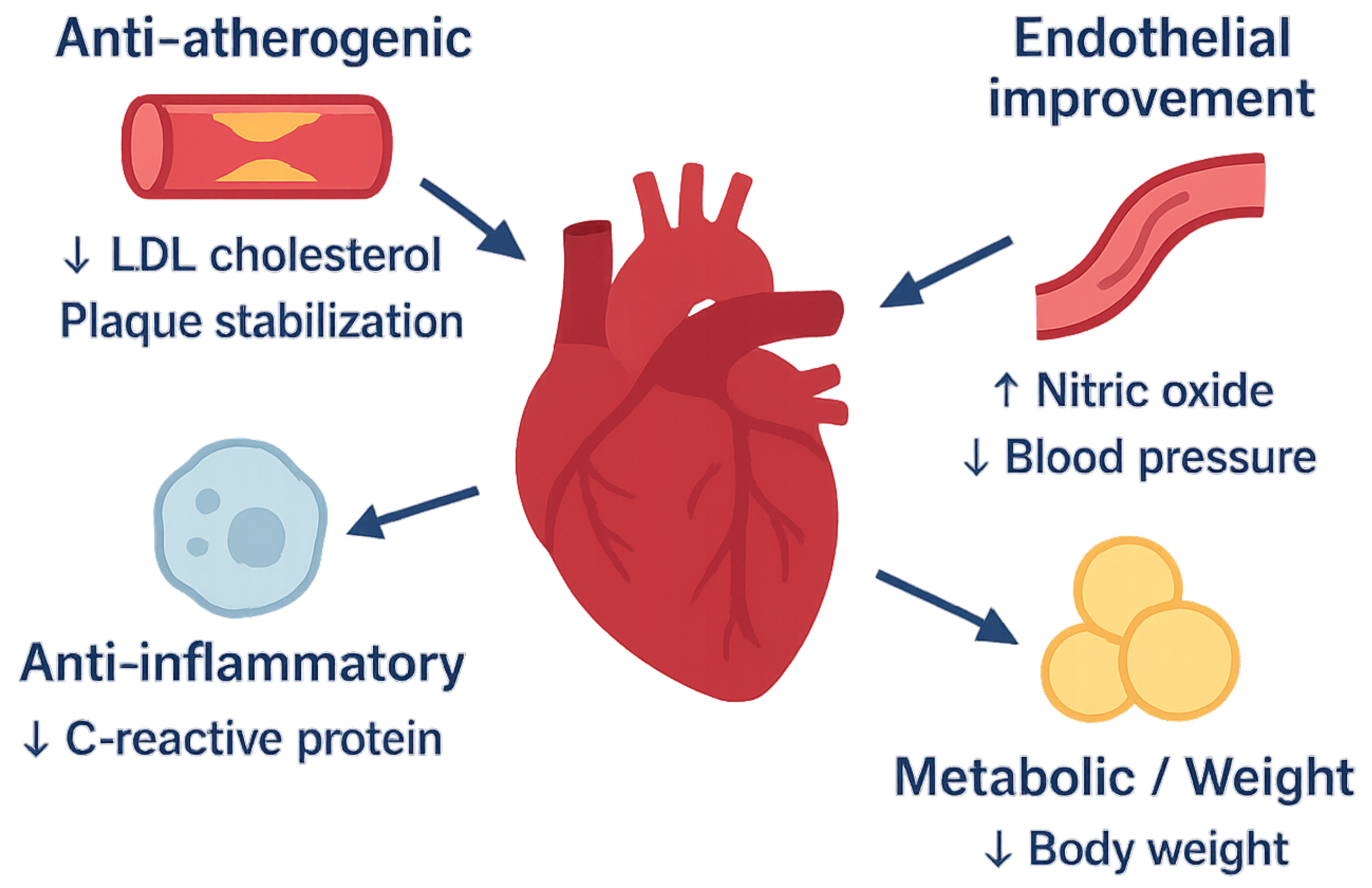
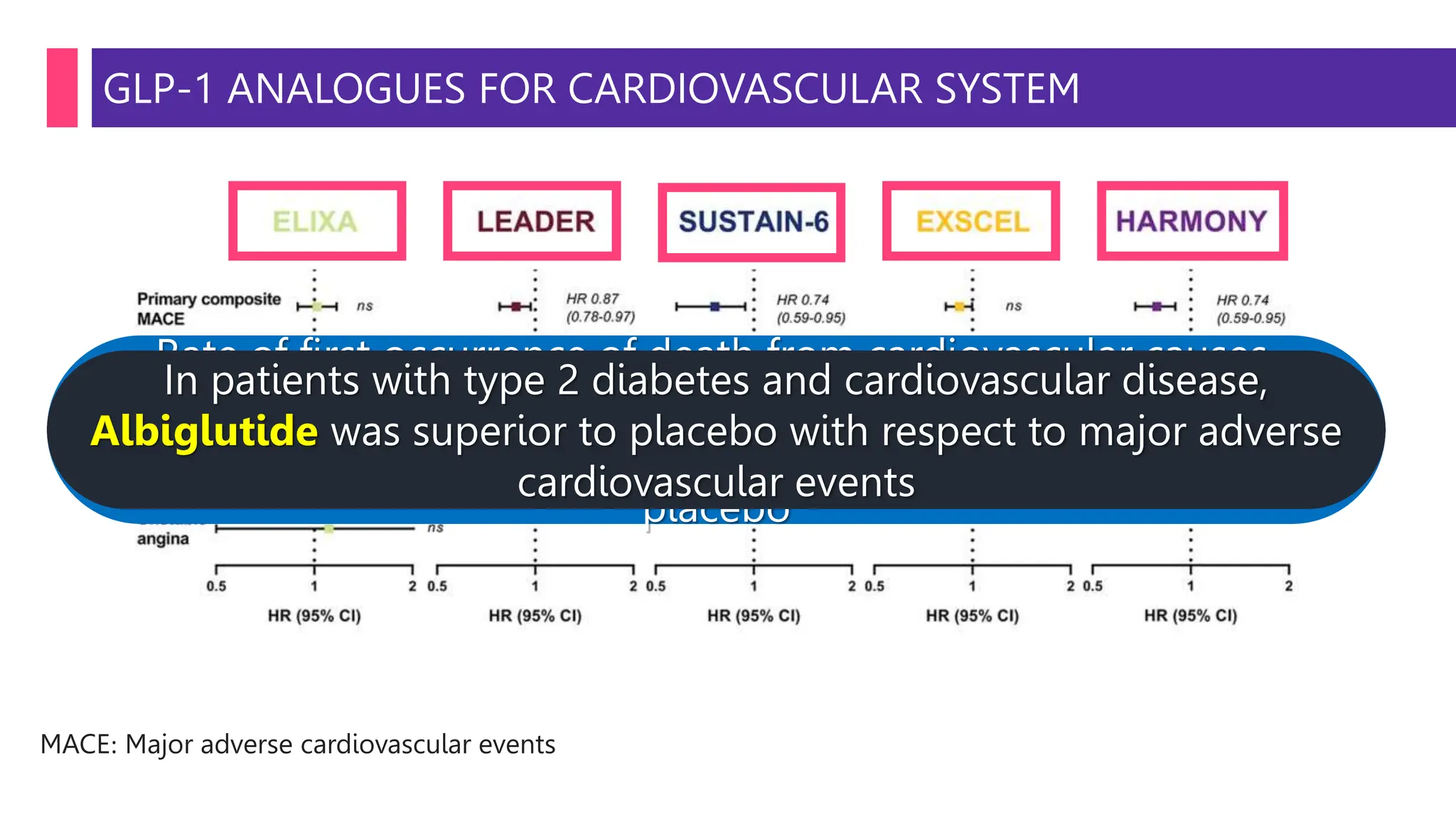
The aim of this article is to provide a comprehensive review of GLP-1 receptor agonists impact on cardiovascular outcomes and risk reduction. In the last decade, several cardiovascular outcomes trials (CVOT) have been conducted in order to explore cardiovascular benefit of GLP-1 receptor agonists.

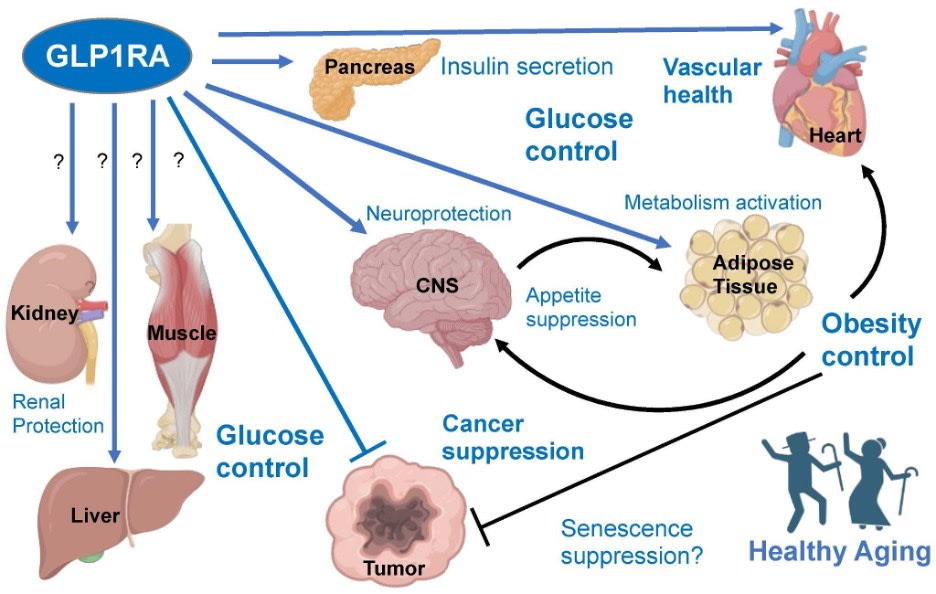
Glucagon-like peptide-1 ( GLP-1 ) receptor agonists now serve as therapeutic agents for cardiovascular diseases (CVDs) beyond their original use for treating type 2 diabetes mellitus (T2DM). This review combines molecular mechanisms with clinical evidence to demonstrate how GLP-1 agonists help lower cardiovascular risk for conditions, including atherosclerosis, heart failure, stroke, and ...
Cardiovascular Effects and Tolerability of GLP
Glucagon-like peptide-1 receptor agonists ( GLP-1 RAs) have demonstrated significant cardiovascular (CV) benefits, particularly in patients with diabetes mellitus, but the safety and efficacy of different GLP-1 RAs across diverse populations remain insufficiently defined.