Overview of Glp-1 Analogues For Autoimmune Disease Research
Why This Research Matters Millions of people have autoimmune inflammatory diseases with limited treatment options. If GLP-1 drugs can double as anti-inflammatory agents, they could benefit patients with both metabolic and immune conditions.
Such ongoing research holds promise for significant advancements in the therapeutic use of GLP -1RAs, potentially revolutionizing treatment paradigms and offering new hope for patients with inflammatory and autoimmune diseases .
Roles of glucagon
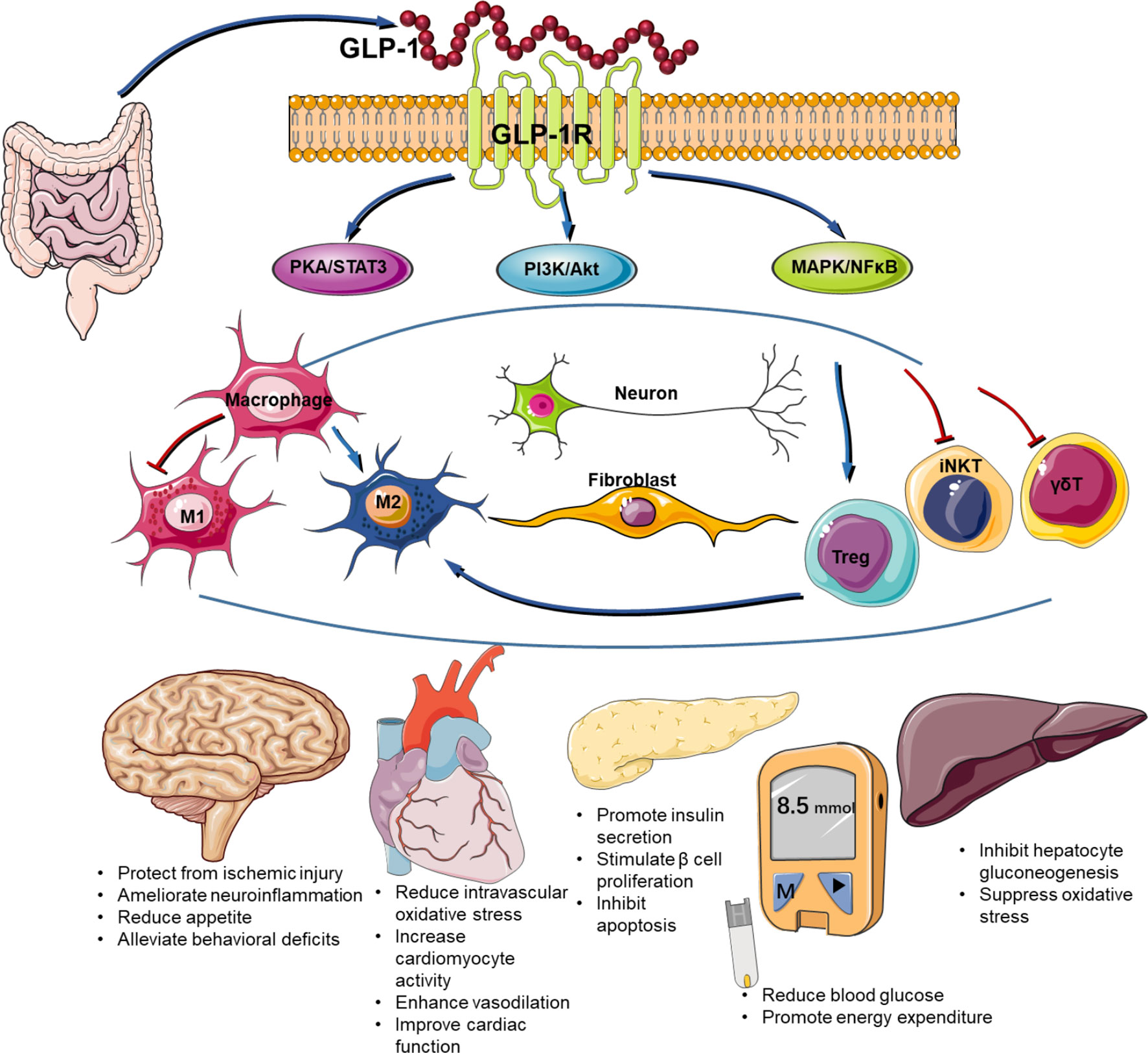
This review aims to explore the effects of GLP -1R signaling on various immune cells and evaluate the therapeutic potential of GLP -1RAs in autoimmune and autoinflammatory diseases , including psoriasis, inflammatory bowel diseases , rheumatoid arthritis, asthma, multiple sclerosis, Sjögren's syndrome, and systemic lupus erythematosus.

The therapeutic advantages of glucagon-like peptide-1 receptor agonists ( GLP-1 RAs) in diabetes management have been demonstrated. However, their potential association with autoimmune diseases remains unknown. Using a comprehensive real-world dataset, this study compared GLP-1 RAs against dipeptidyl peptidase-4 inhibitors (DPP-4is) with respect to the incidence of autoimmune diseases .
Impact of GLP
Systematic review of 33 studies on the impact of Glucagon-like peptide-1 receptor agonists in immune-mediated inflammatory diseases .
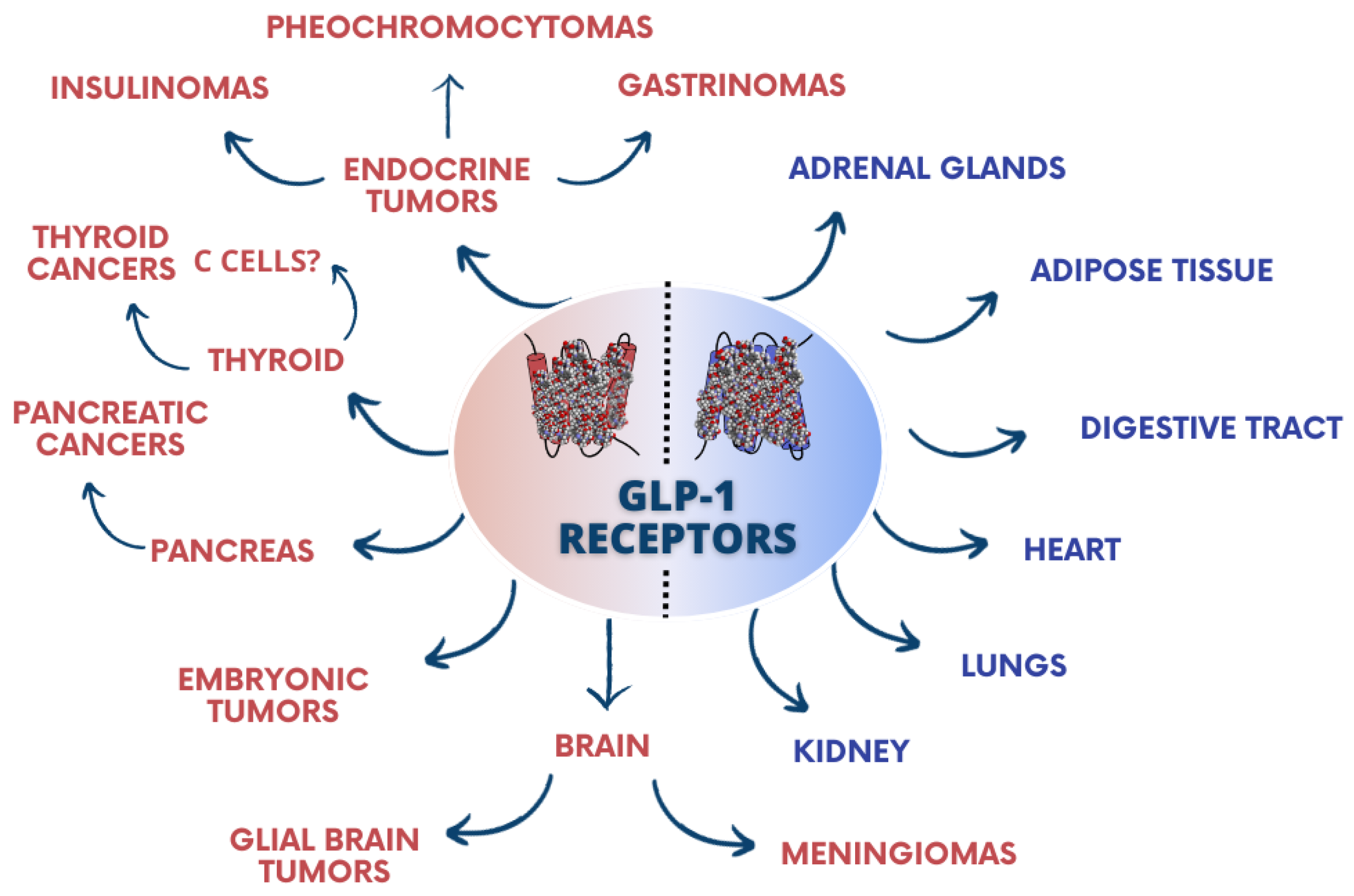
This in-depth review article explores the mechanisms behind the anti-inflammatory actions of GLP -1RAs and assesses their prospective applicability in a wide range of disease scenarios. The current review establishes the significance of comprehending the anti-inflammatory role of GLP -1RAs and identifies pertinent research gaps.
Study Flags Autoimmune Concerns with GLP
GLP-1 receptor agonists may increase the risk of several autoimmune diseases in adults with type 2 diabetes, according to real-world U.S. data comparing them to DPP-4 inhibitors.
Key Details About Glp-1 Analogues For Autoimmune Disease Research
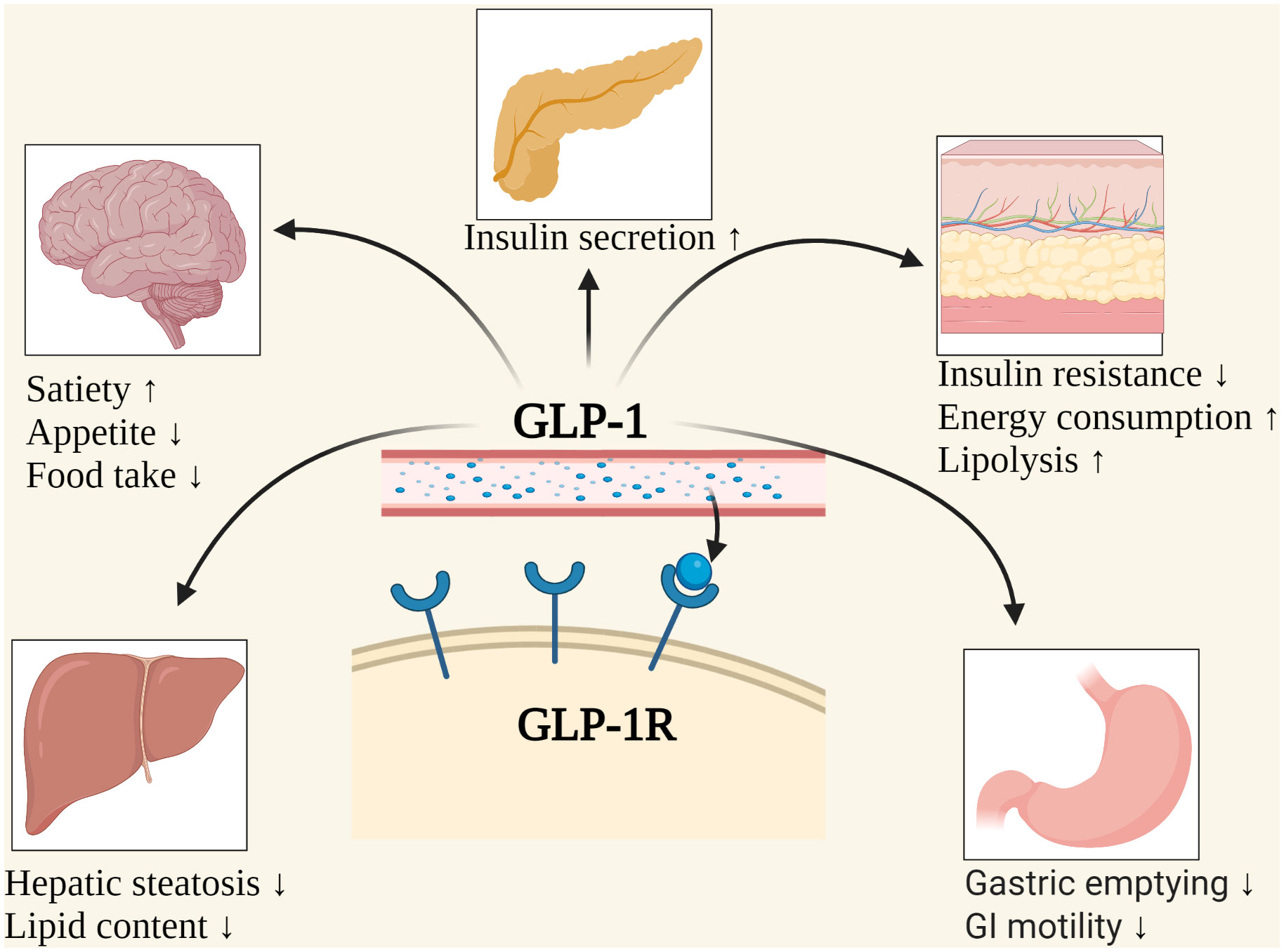
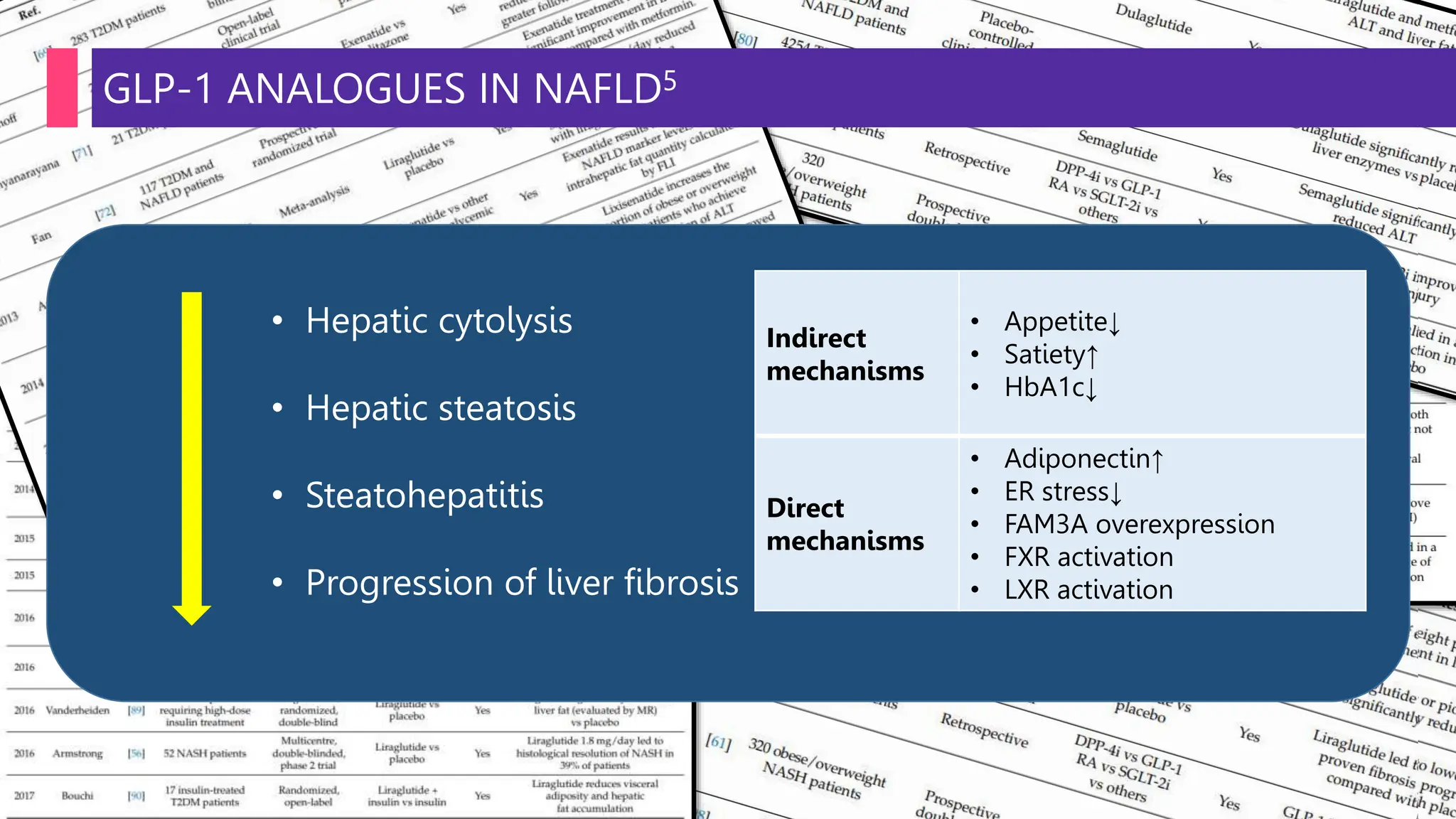
Abstract Glucagon-like peptide-1 receptor agonists ( GLP-1 RAs) represent a cornerstone in the treatment of diabetes and obesity and have emerged as a promising option for other metabolic disorders, including hepatic steatosis.
Additional Notes on Glp 1 Analogues For Autoimmune Disease Research
GLP-1 Agonists for Knee Osteoarthritis i... - Arkangel AI. This note connects the source idea with the visuals in a simple, reader-friendly way.
Glucagon-like peptide-1 and glucose-dependent insulinotropic. It gives the article a little more context before the image collection begins.
Unlock the Potential of GLP-1 Analogs! - BMA. The extra context helps the page feel more useful without forcing the same phrase repeatedly.
Looking at multiple sources also helps separate the main idea from small decorative details.