What is the recommended treatment approach for a patient with chronic ...
Integration with Hepatitis B Management GLP-1 receptor agonists do not interfere with nucleos (t)ide analogue therapy for chronic hepatitis B (entecavir, tenofovir, lamivudine). 5, 6, 5, 3 Continue standard hepatitis B antiviral therapy as indicated based on HBV DNA levels, ALT elevation, and fibrosis stage. 5, 6, 5
Key Details About Glp-1 Receptor Agonist Therapy For Managing Viral Hepatitis Symptoms
The relationship between cirrhosis and type 2 diabetes (T2D) presents significant health challenges. T2D increases the risk of cirrhosis and worsens its outcomes. Glucagon-like peptide-1 receptor agonist ( GLP-1 RA), used primarily for diabetes, has shown promise in treating liver issues, with studies of semaglutide improving metabolically associated steatohepatitis (MASH) outcomes compared ...

Nonalcoholic fatty liver disease, now termed metabolic dysfunction-associated steatotic liver disease (MASLD),1 continues to be a growing public health issue, with cirrhosis-related mortality increasing at an alarming pace.2 Many studies have researched the use of glucagon-like peptide-1 receptor agonists ( GLP1 -RA) in patients with MASLD/metabolic dysfunction-associated steatohepatitis with ...
Beyond diabetes and obesity
Glucagon-like peptide-1, or GLP-1 , receptor agonists , that aid in weight loss, are now being investigated for their ability to help other patients, including those with liver disease. However, a research letter discusses the first known case of hepatitis and jaundice in a patient taking these drugs.
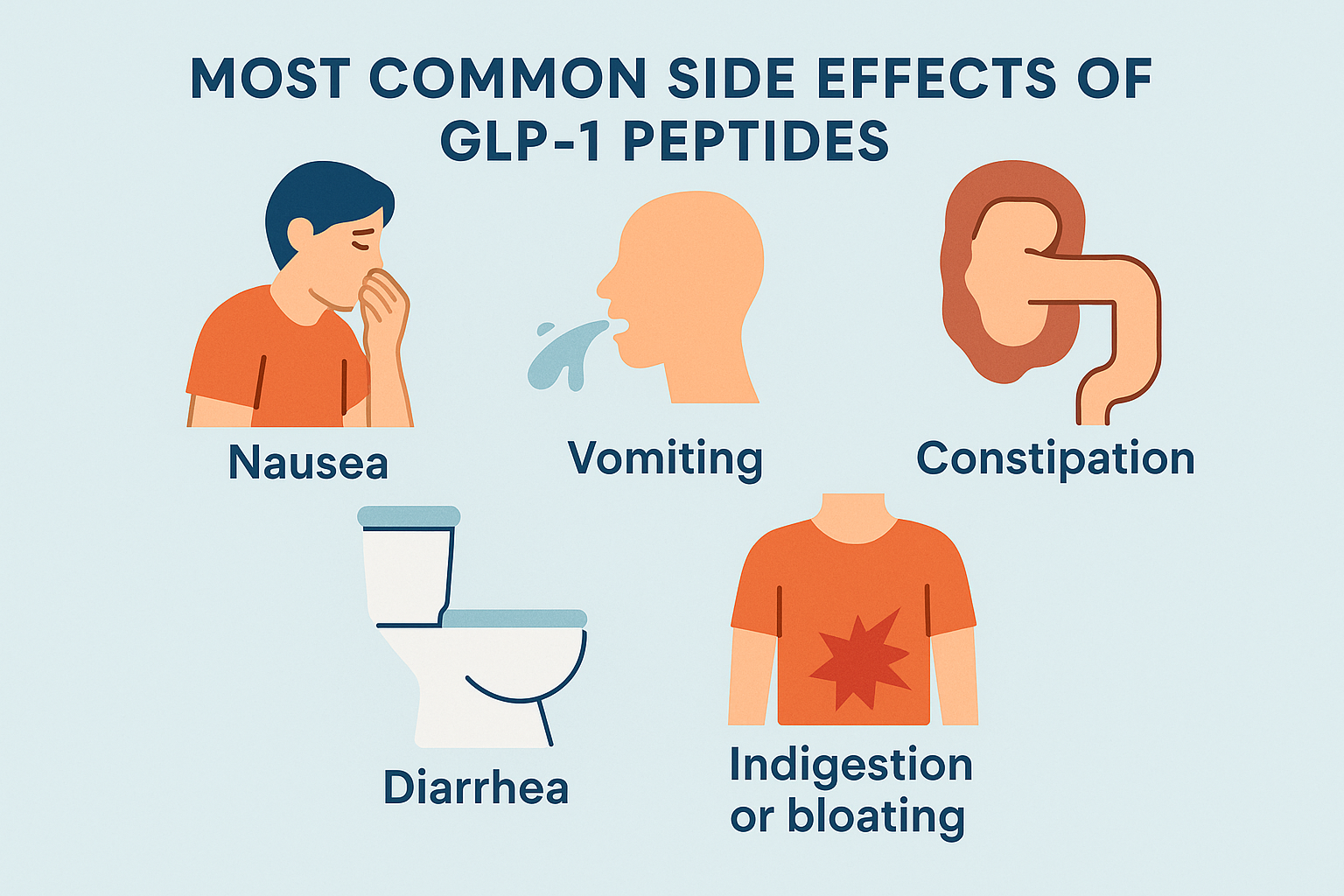
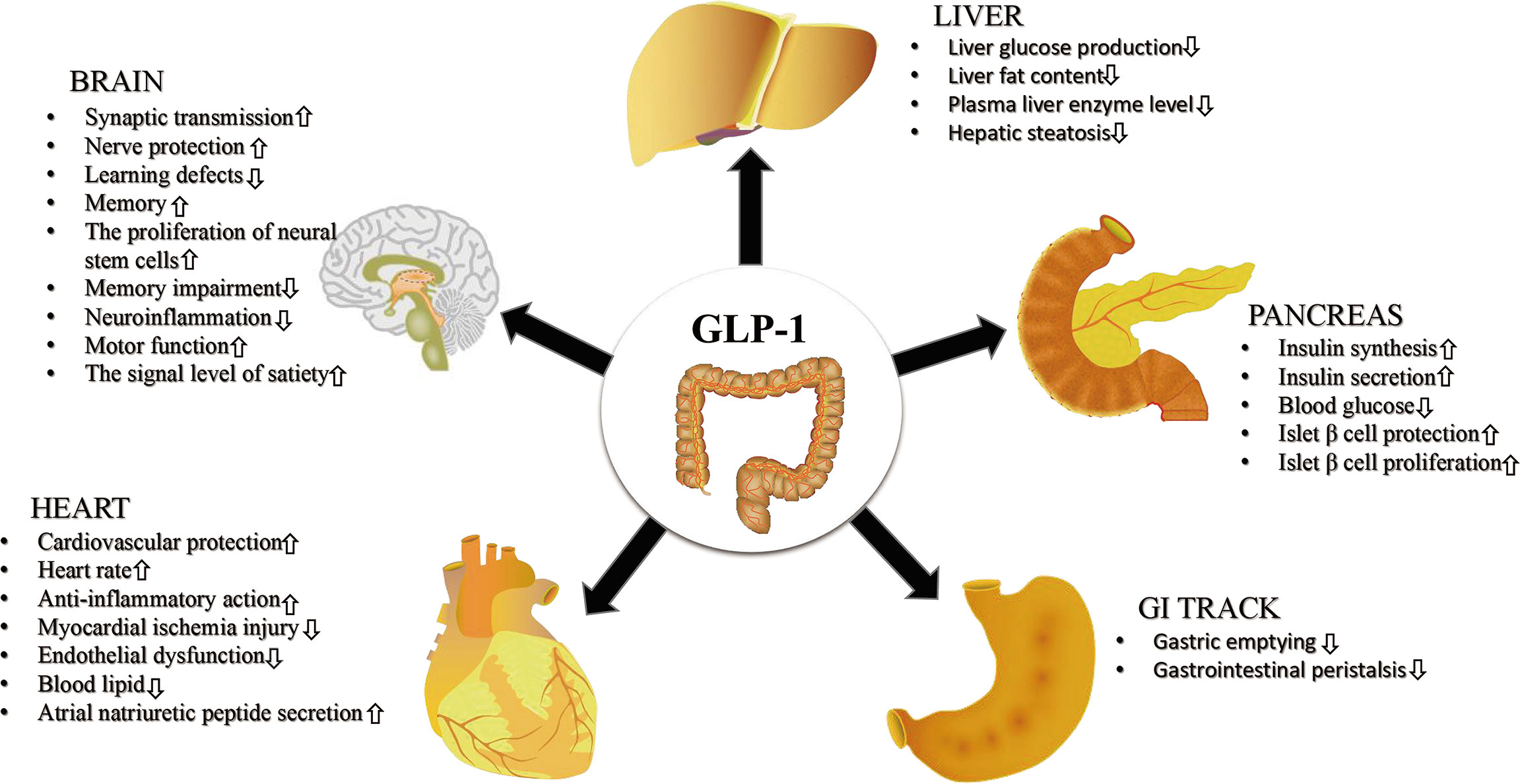
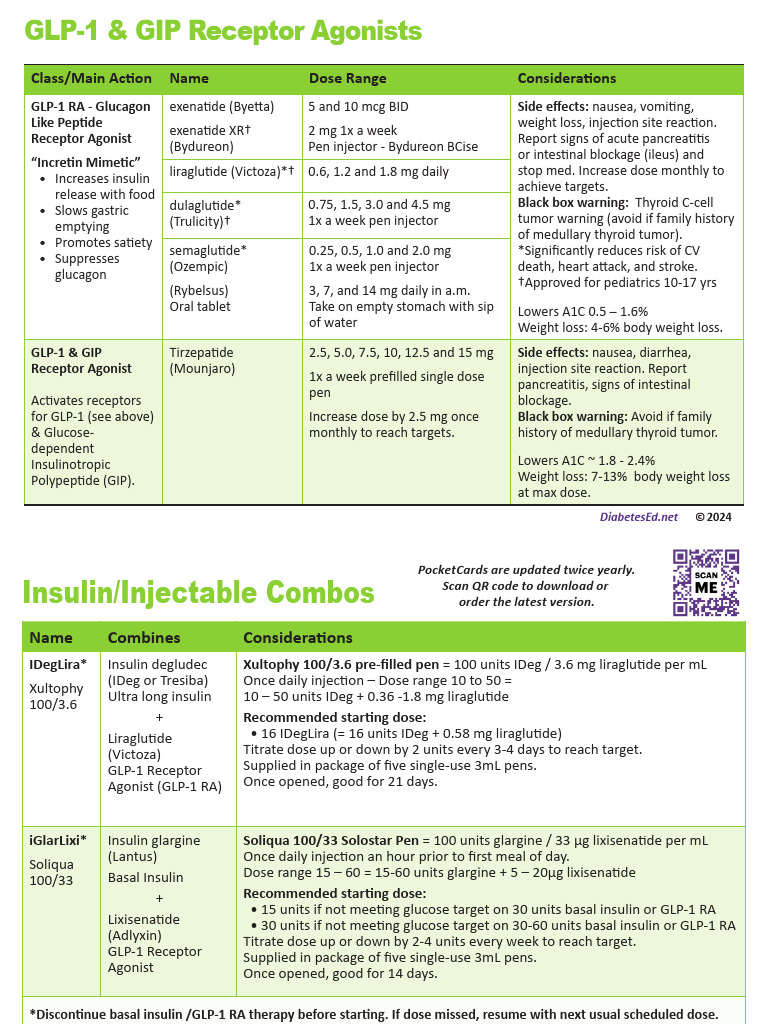
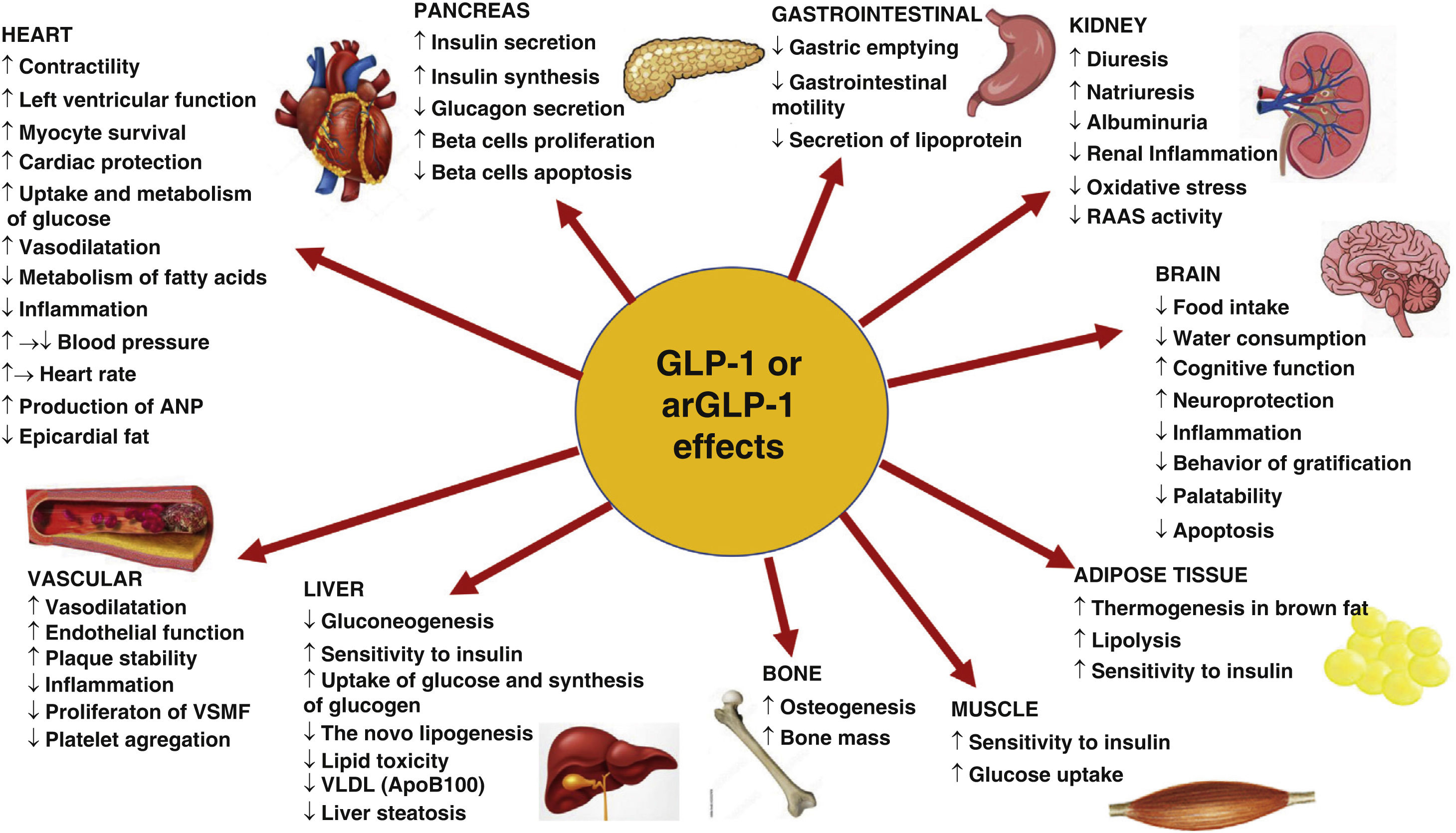
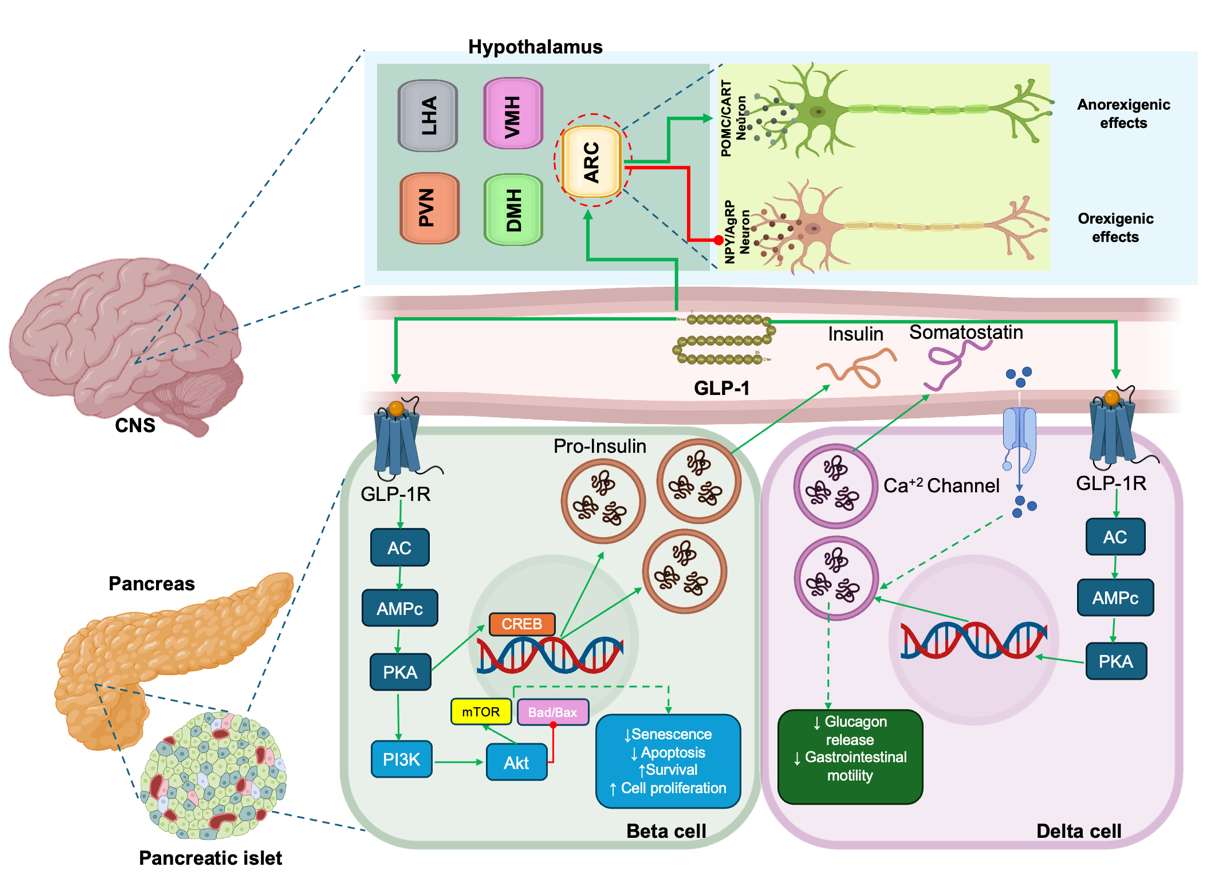
Furthermore, visual representations like the one above help us fully grasp the concept of Glp 1 Receptor Agonist Therapy For Managing Viral Hepatitis Symptoms.
Overview of Glp-1 Receptor Agonist Therapy For Managing Viral Hepatitis Symptoms
Glucagon-like peptide-1 receptor agonists ( GLP-1 RAs) have shown significant benefits in managing liver diseases, such as nonalcoholic fatty liver disease. However, little is known about its utility in patients with cirrhosis.
This cohort study aims to determine whether use of glucagon-like peptide 1 receptor agonists are associated with lower risk of developing cirrhosis and its complications, including decompensation and hepatocellular cancer, among patients with metabolic dysfunction-associated steatotic liver disease.

Moving forward, it's essential to keep these visual contexts in mind when discussing Glp 1 Receptor Agonist Therapy For Managing Viral Hepatitis Symptoms.
Key Details About Glp-1 Receptor Agonist Therapy For Managing Viral Hepatitis Symptoms
Treatment with glucagon-like peptide 1 receptor agonists ( GLP-1 RAs) showed promise in lowering the incidence of cirrhosis and mortality in veterans with metabolic dysfunction-associated steatotic liver disease (MASLD) and diabetes, as long as the drug was initiated early in the course of the disease.
Abstract Glucagon-like peptide-1 receptor agonists ( GLP -1RAs) are revolutionizing the management of metabolic and liver diseases, demonstrating effectiveness in controlling blood sugar levels and promoting liver repair.