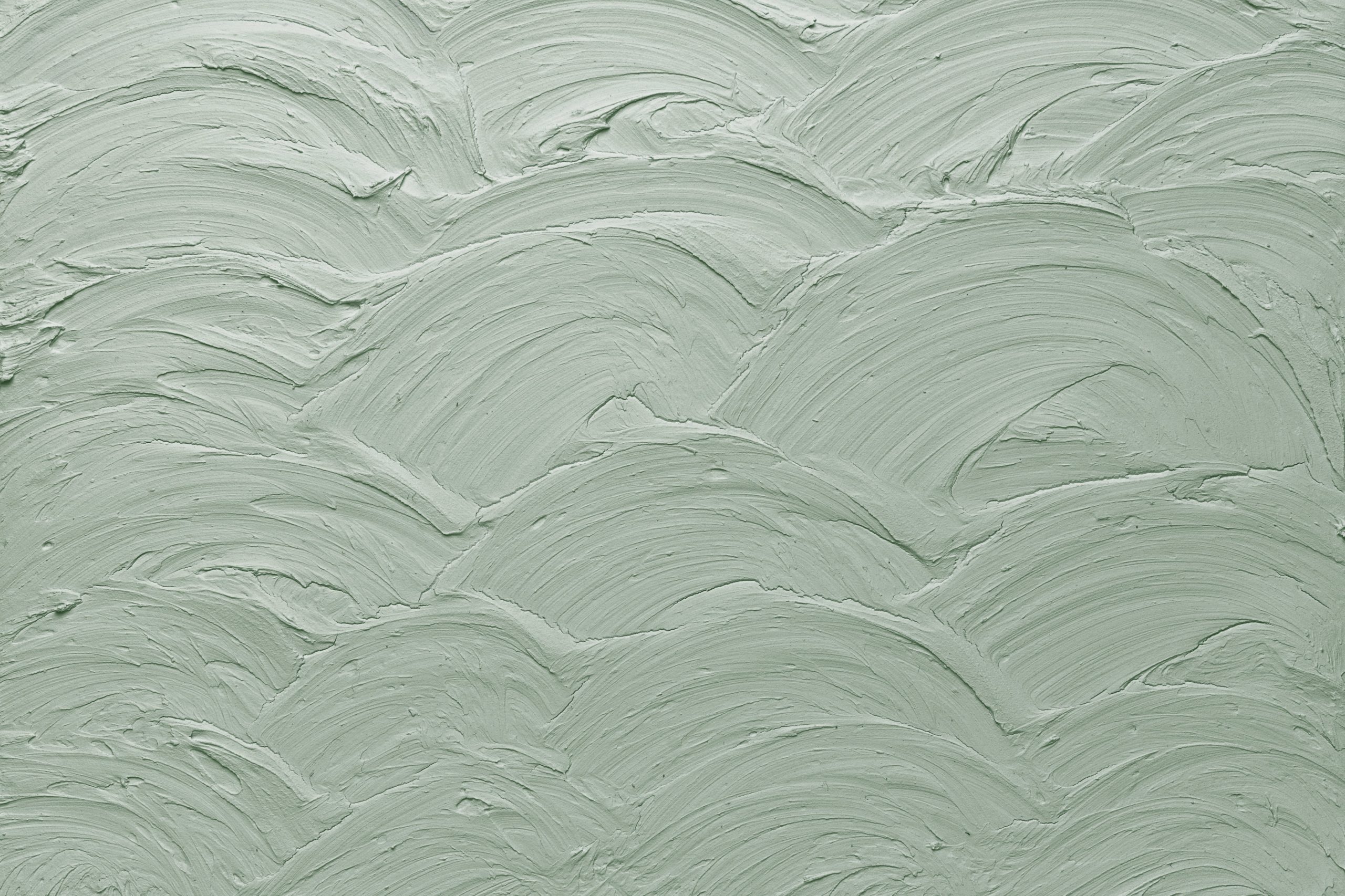
Texture Pairing 101
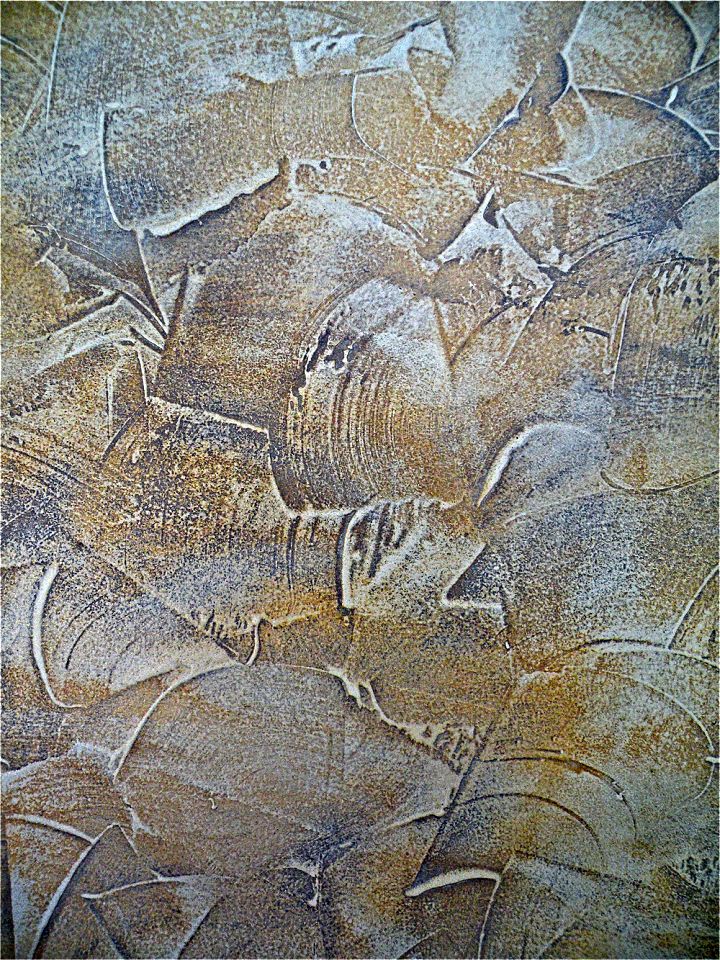
This table clarifies how texture and finish link to practical uses and maintenance so you can prioritize performance alongside appearance. What Wall Texture and Finish Options Enhance Interior Design ? Walls contribute visual texture through paint finish, surface treatment, and applied coverings; paint sheen (matte, eggshell, satin) alters light reflection and perceived smoothness, while ...
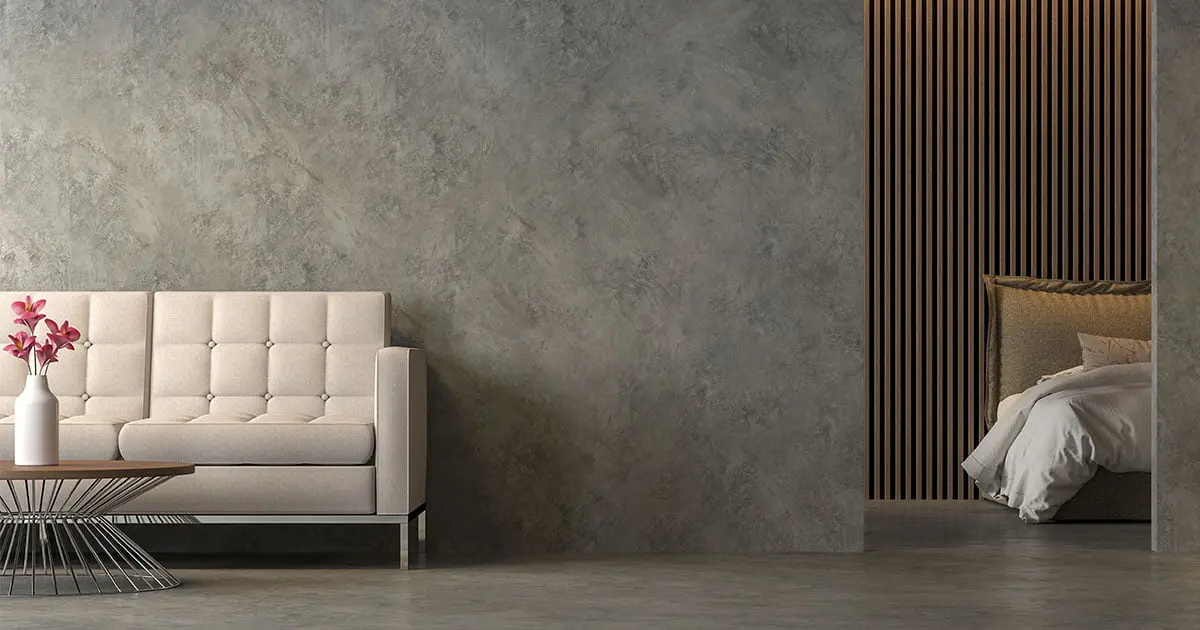
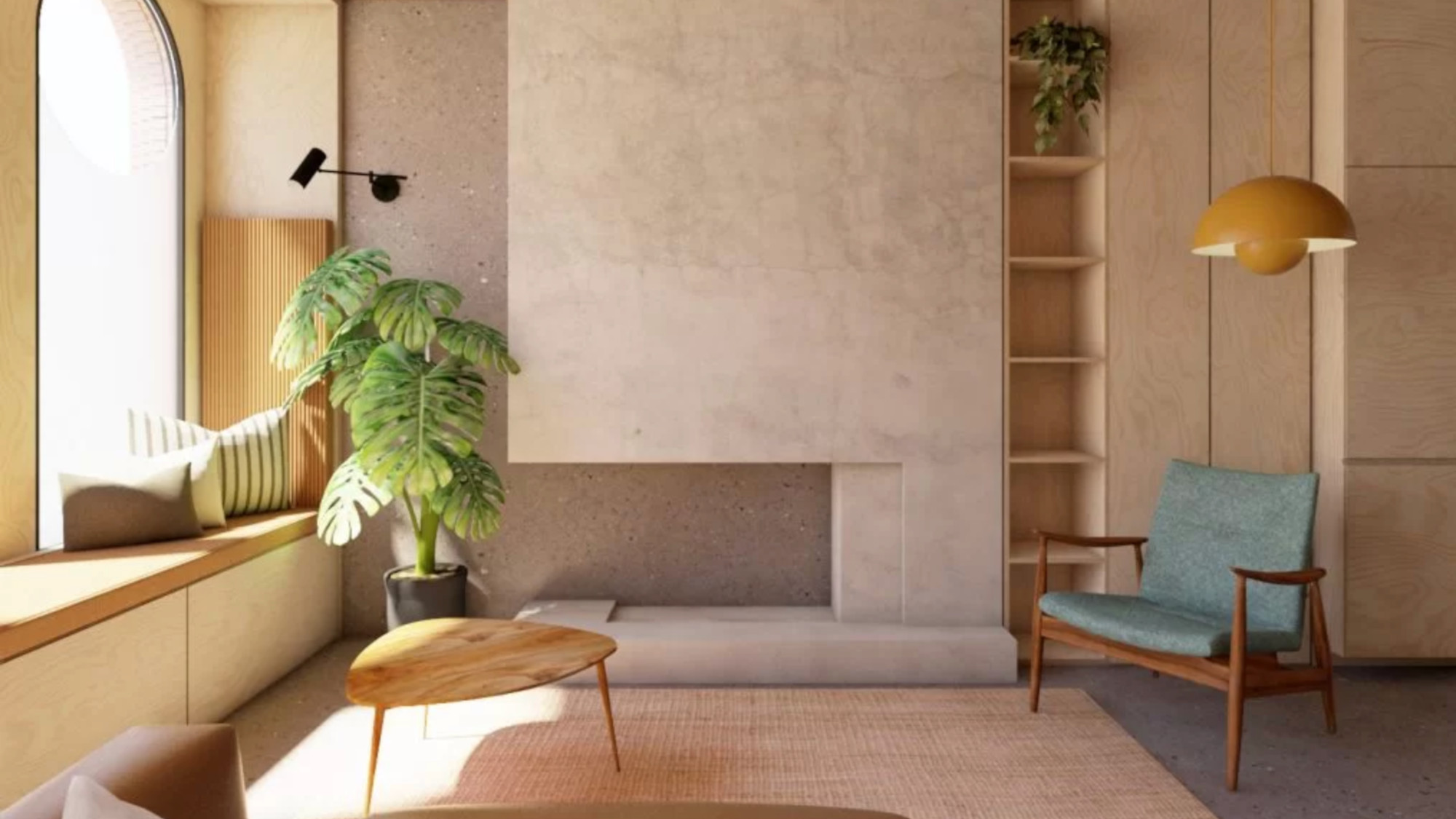
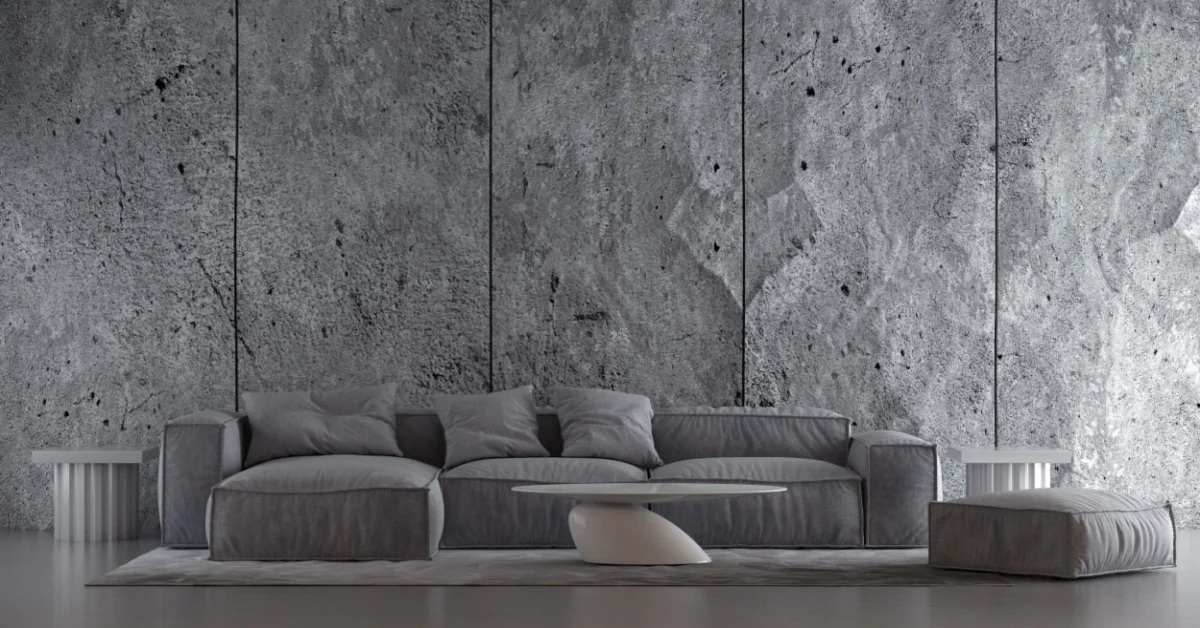
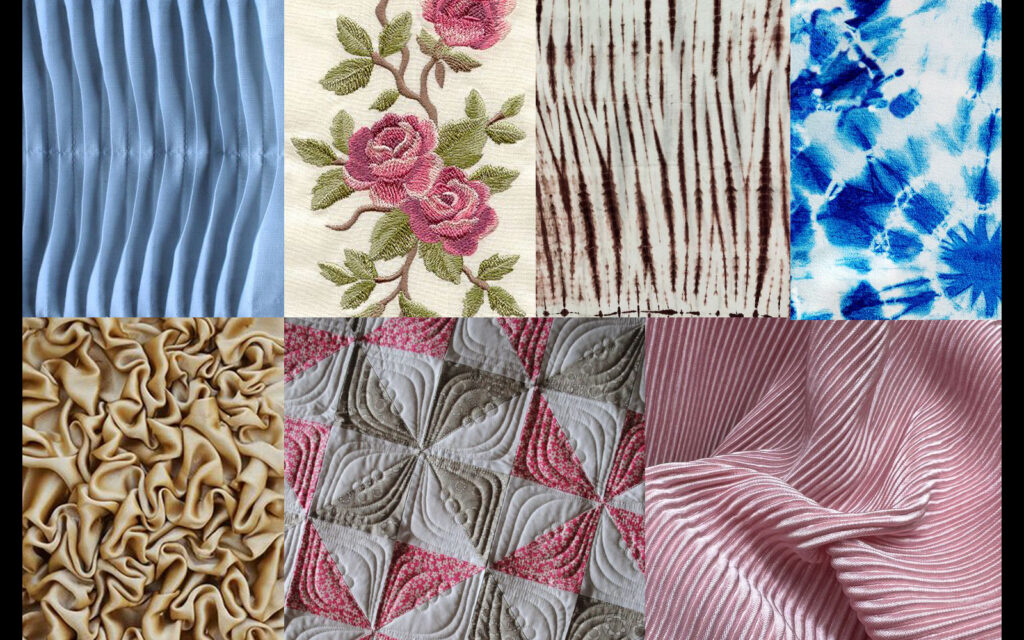
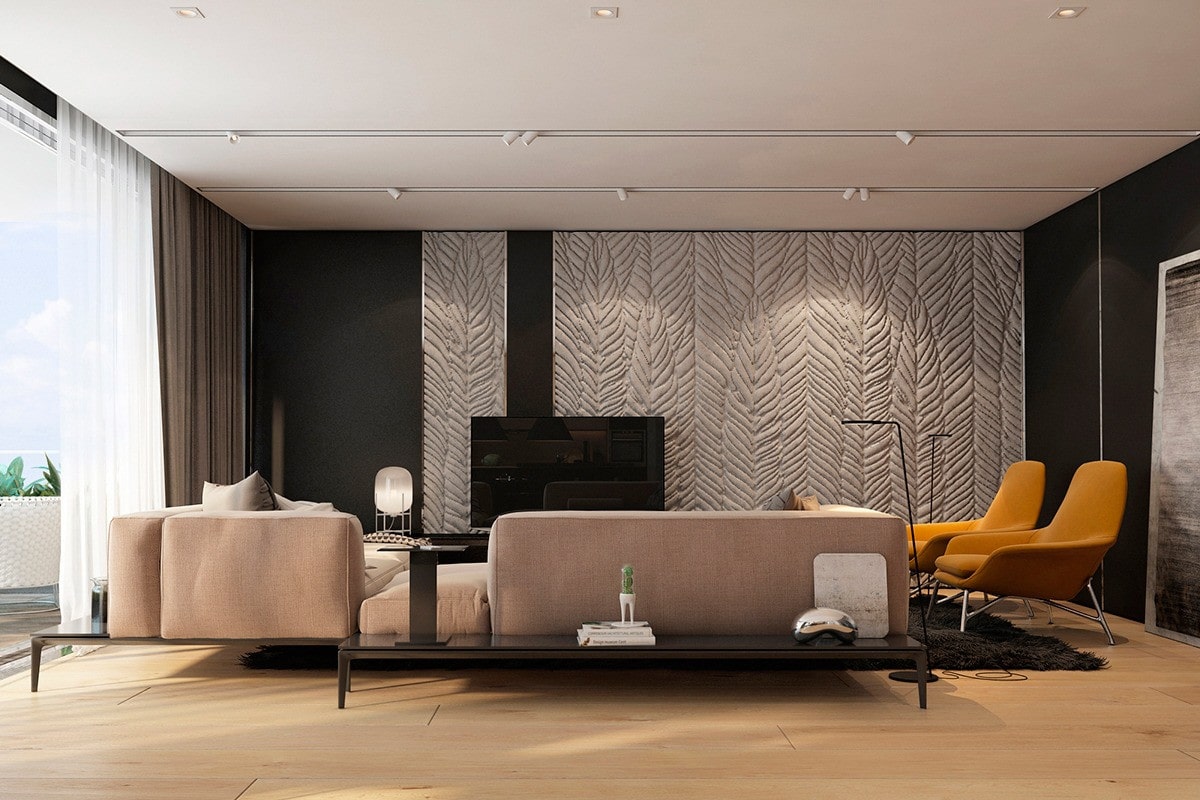
Why texture matters in interior design Texture refers to the surface quality of materials influencing not just how they feel, but how they look. Textures play a crucial role in defining the atmosphere of a room with rough textures - such as wood or woven fabrics - manifesting a sense of warmth and comfort, while smooth and glossy surfaces , like glass and metal, add sleek sophistication. By ...
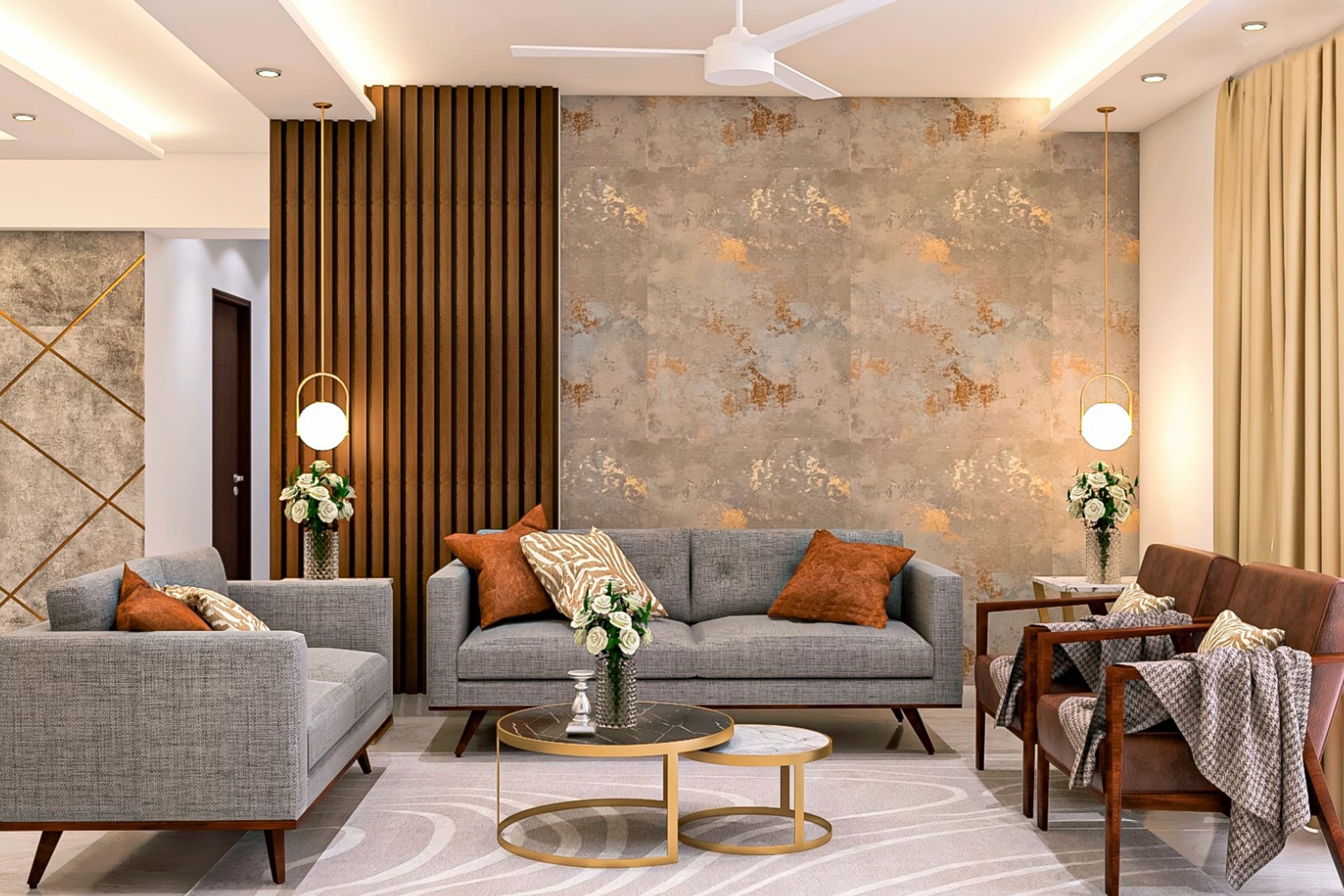
Here's how to use textures effectively: Mix rough and smooth textures for contrast. For example, pair a smooth leather sofa with a chunky knit throw blanket. Use textures in unexpected places, like textured wallpaper or a carved wooden mirror frame. Don't forget about natural textures like plants, which add life and organic texture to a room.
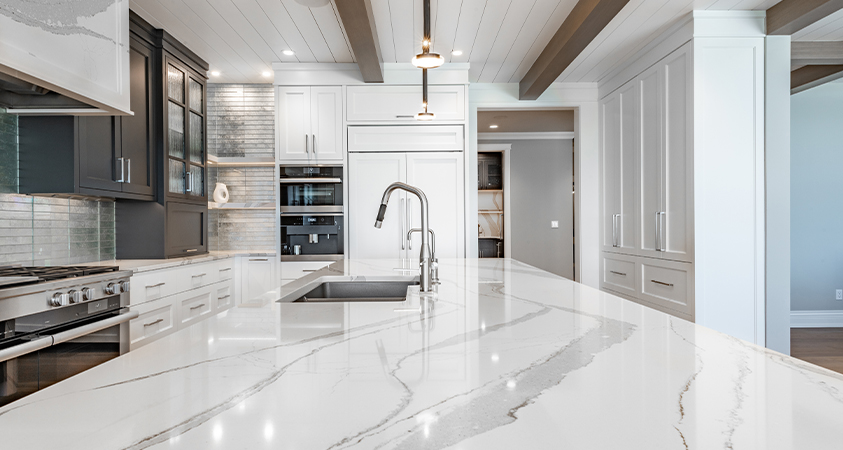
A smooth metal surface reflects light and feels cool, while a chunky knit throw absorbs light and feels warm. To achieve balance, follow the 60-30-10 rule for textures: 60% dominant texture (like smooth walls), 30% secondary texture (like wood furniture), and 10% accent texture (like a bold metal piece from Sarmal Design ).
Guide to Texture in Interior Design For Creating Depth
Discover how texture in interior design enhances depth, contrast, and warmth in spaces using natural materials and balanced surfaces .
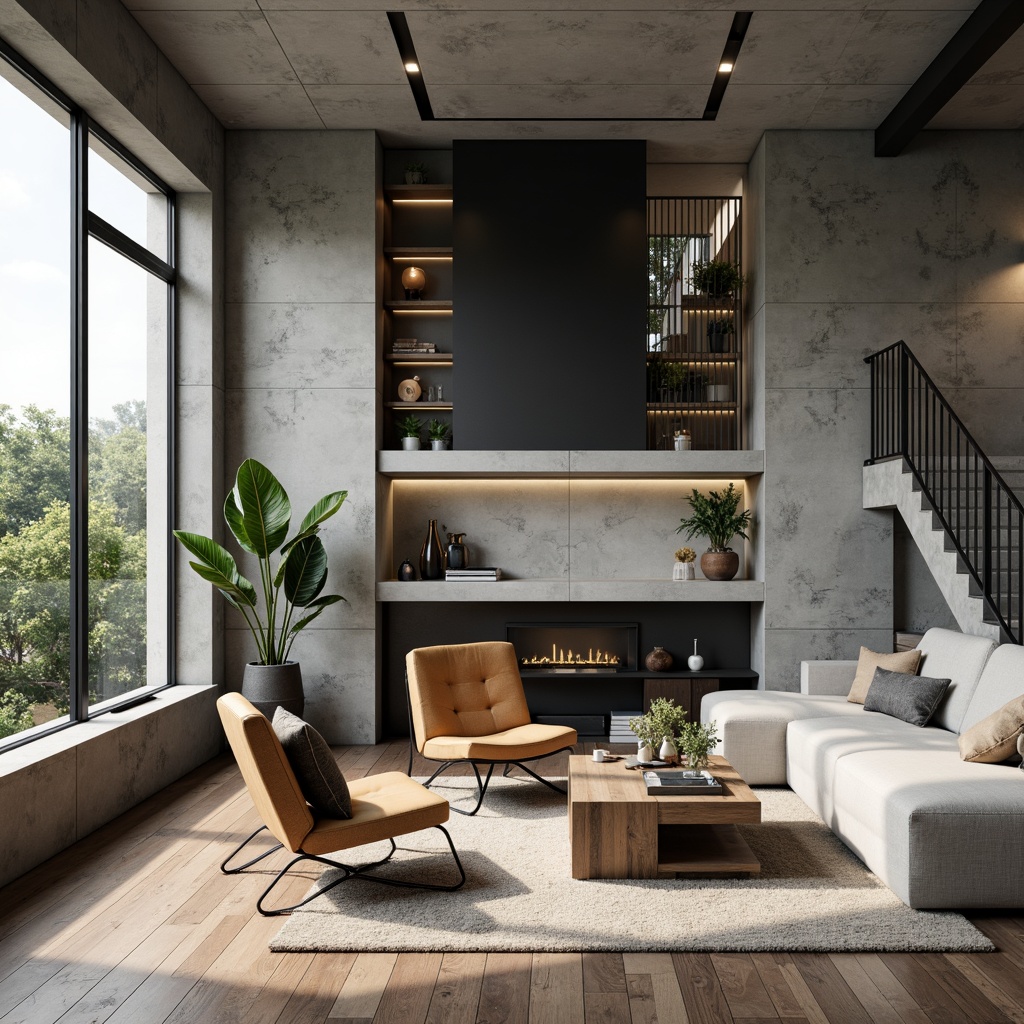
Texture combinations can completely transform a space, adding depth, interest, and personality. When you mix different textures, you create visual intrigue that draws attention and makes a room feel more inviting. This guide explores how you can combine textures in your interior decor to instantly boost character and style. 1. Mixing Synthetic and Natural Textures […]
How to use texture in interior design
Understanding Textures in Interior Design Textures play a crucial role in interior design , influencing both the visual appeal and the tactile experience of a space. By mixing textures, you enhance the overall ambiance, making a room feel inviting and dynamic. Importance of Texture Texture adds depth and dimension to interiors .
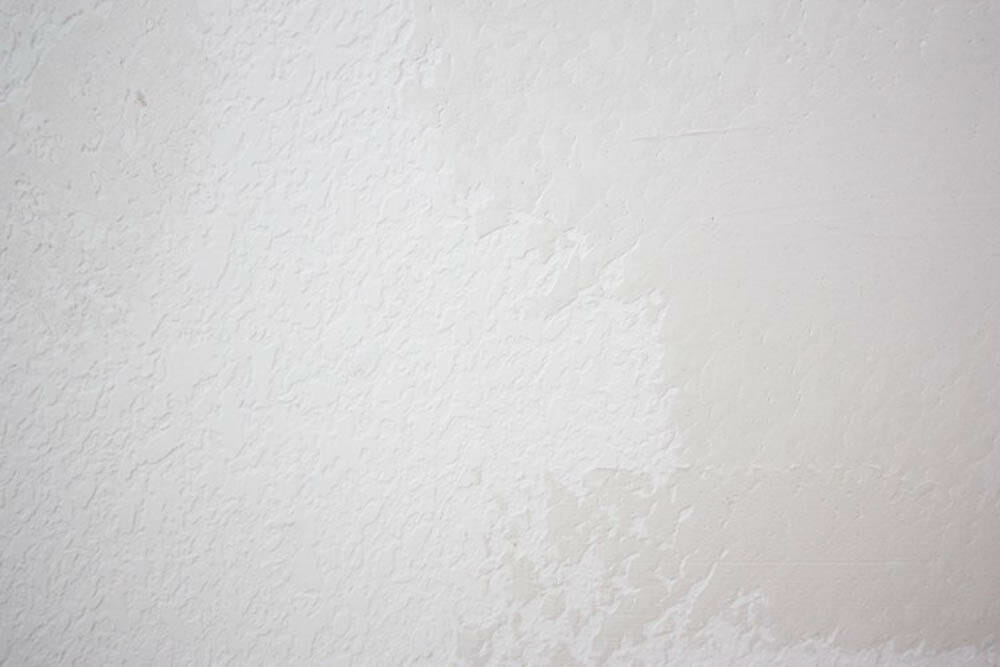
How to Use Texture in Interior Design to Add Depth and ...
Discover how to use texture in interior design to add depth and warmth to your home. Learn subtle yet impactful ways to transform your space!
Learn expert tips for mixing textures in home decor. Room-by-room guide to combining materials for a professionally designed look.


:max_bytes(150000):strip_icc()/GettyImages-1253112119-fab7c3a83bed48499041241bf430e462.jpg "Visual Reference: Types Of Wall Texture Finishes")


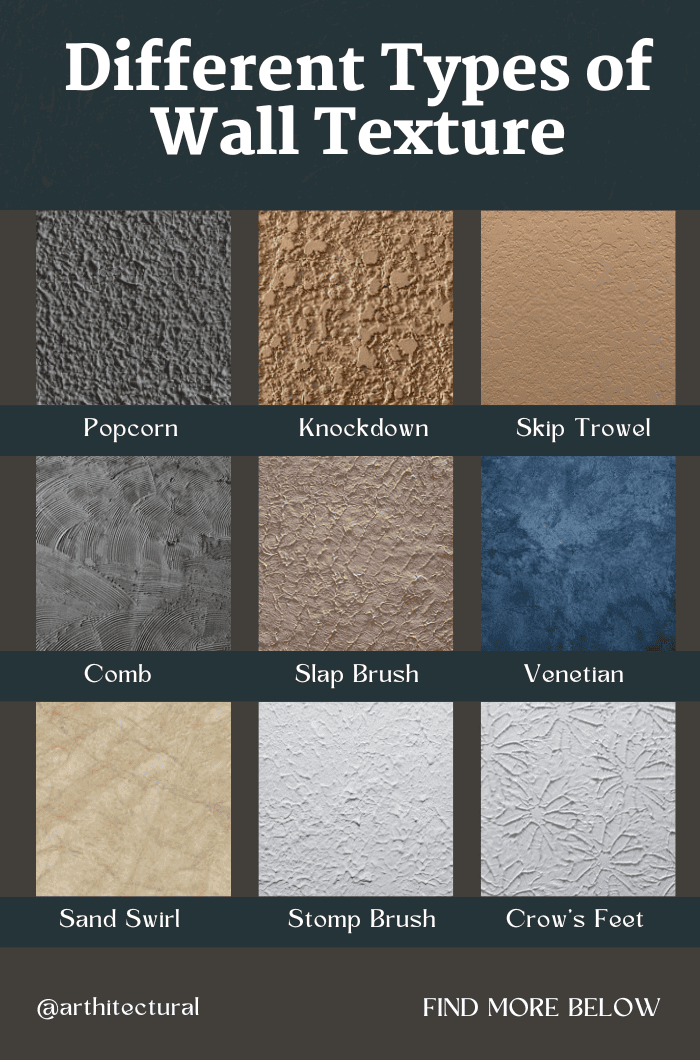




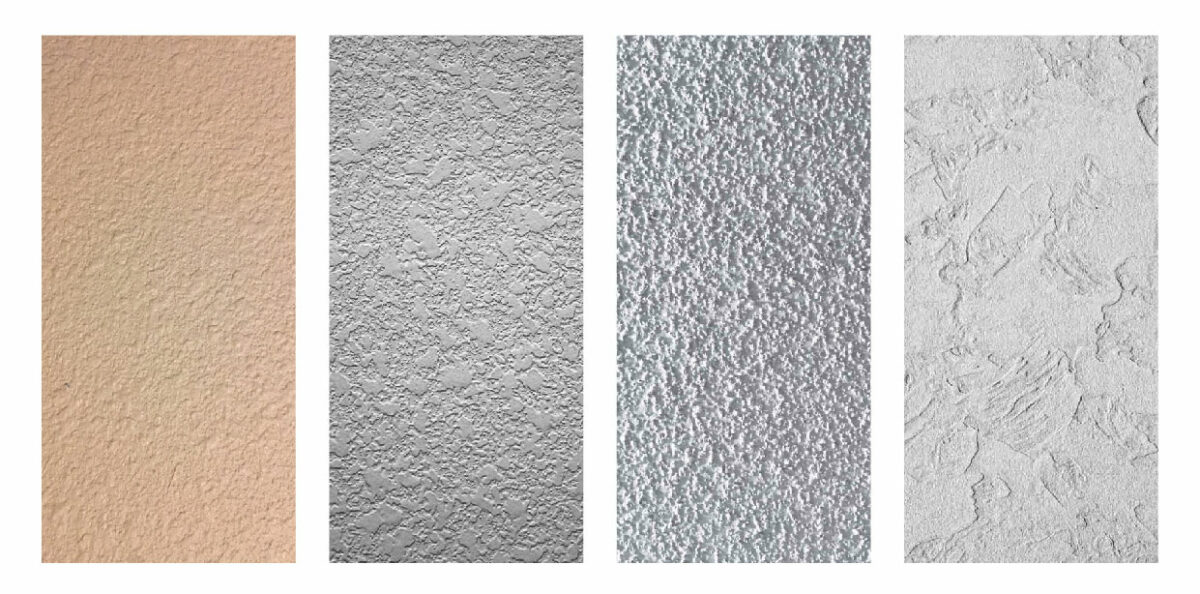
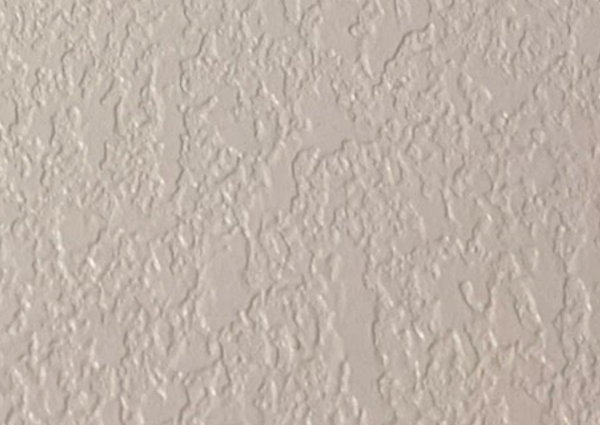


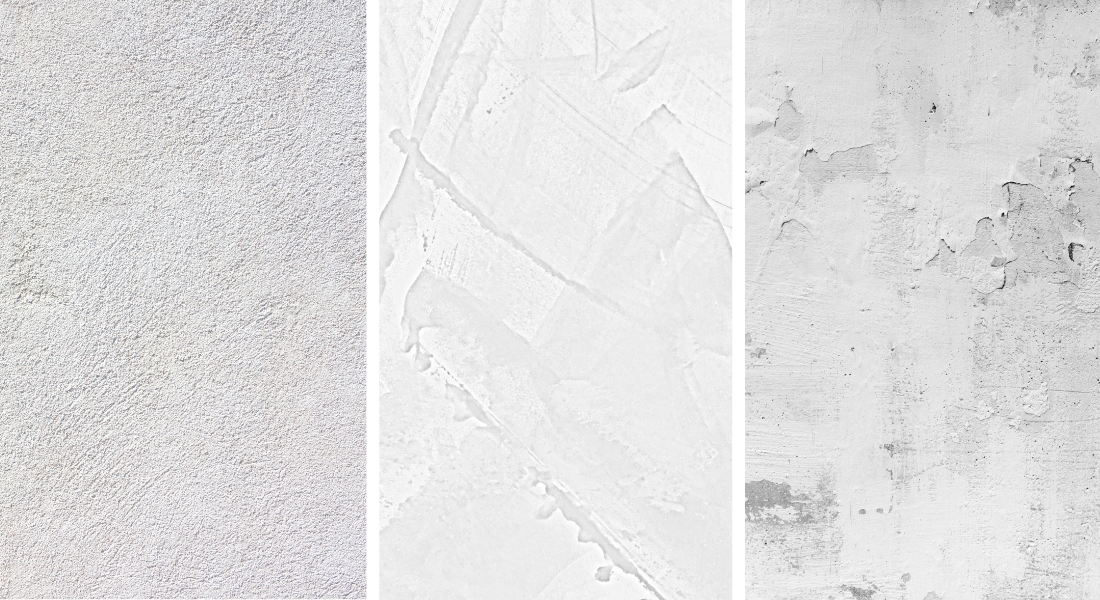


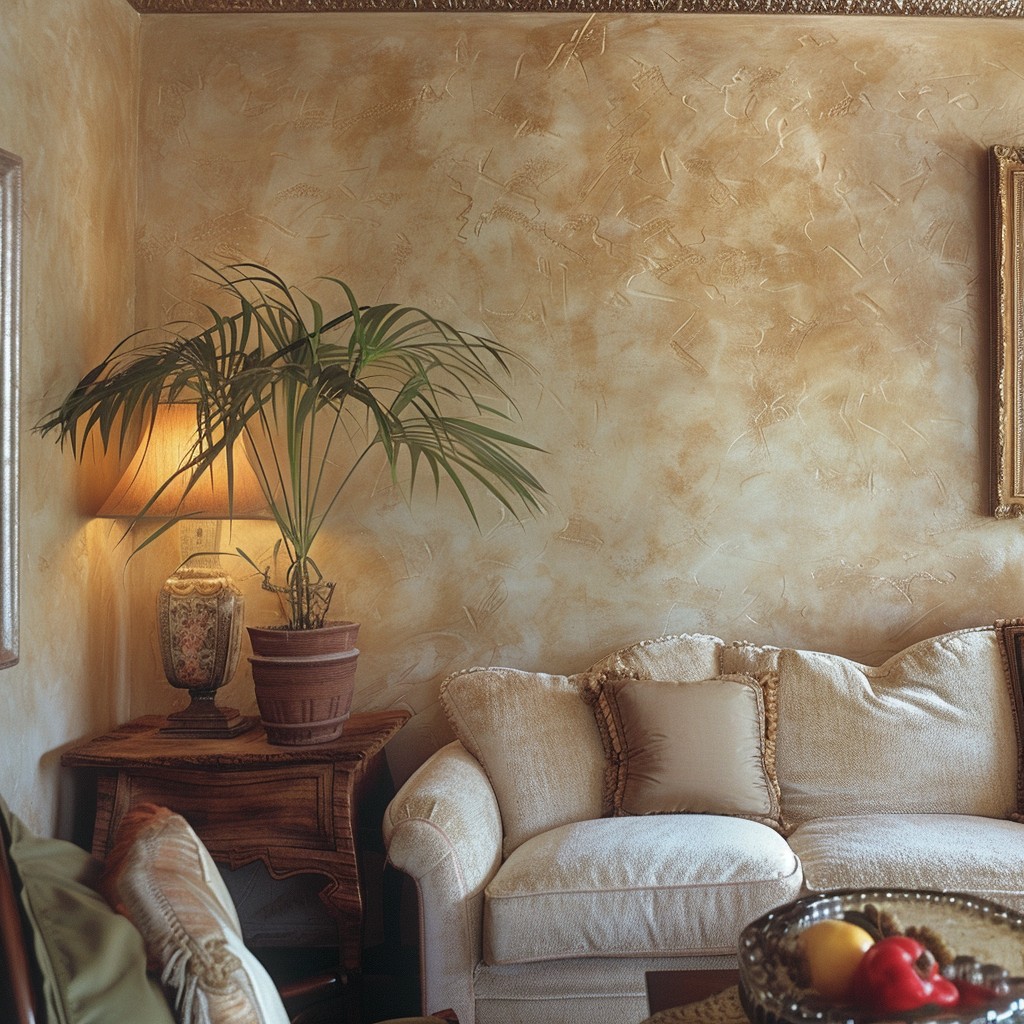

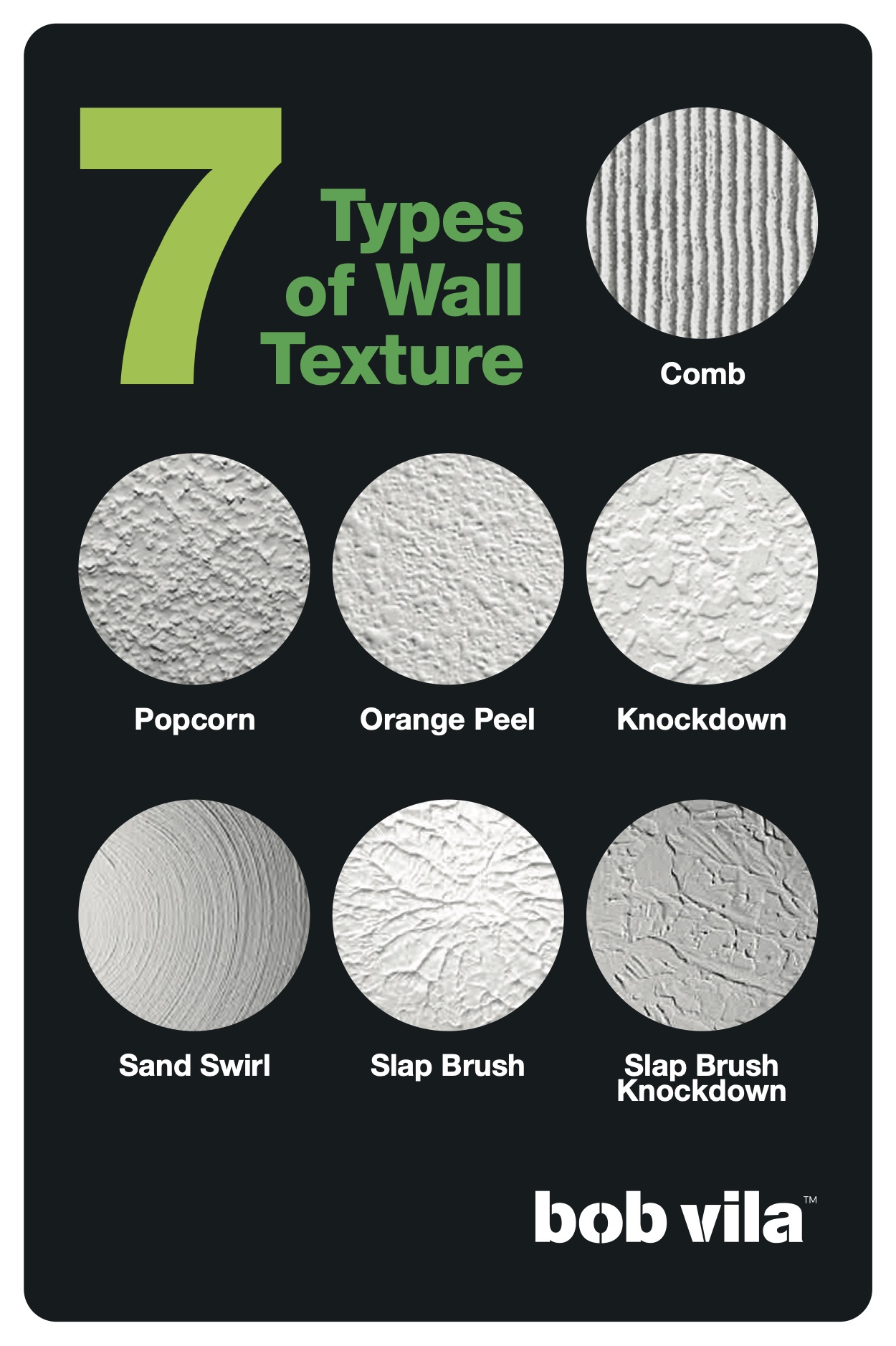

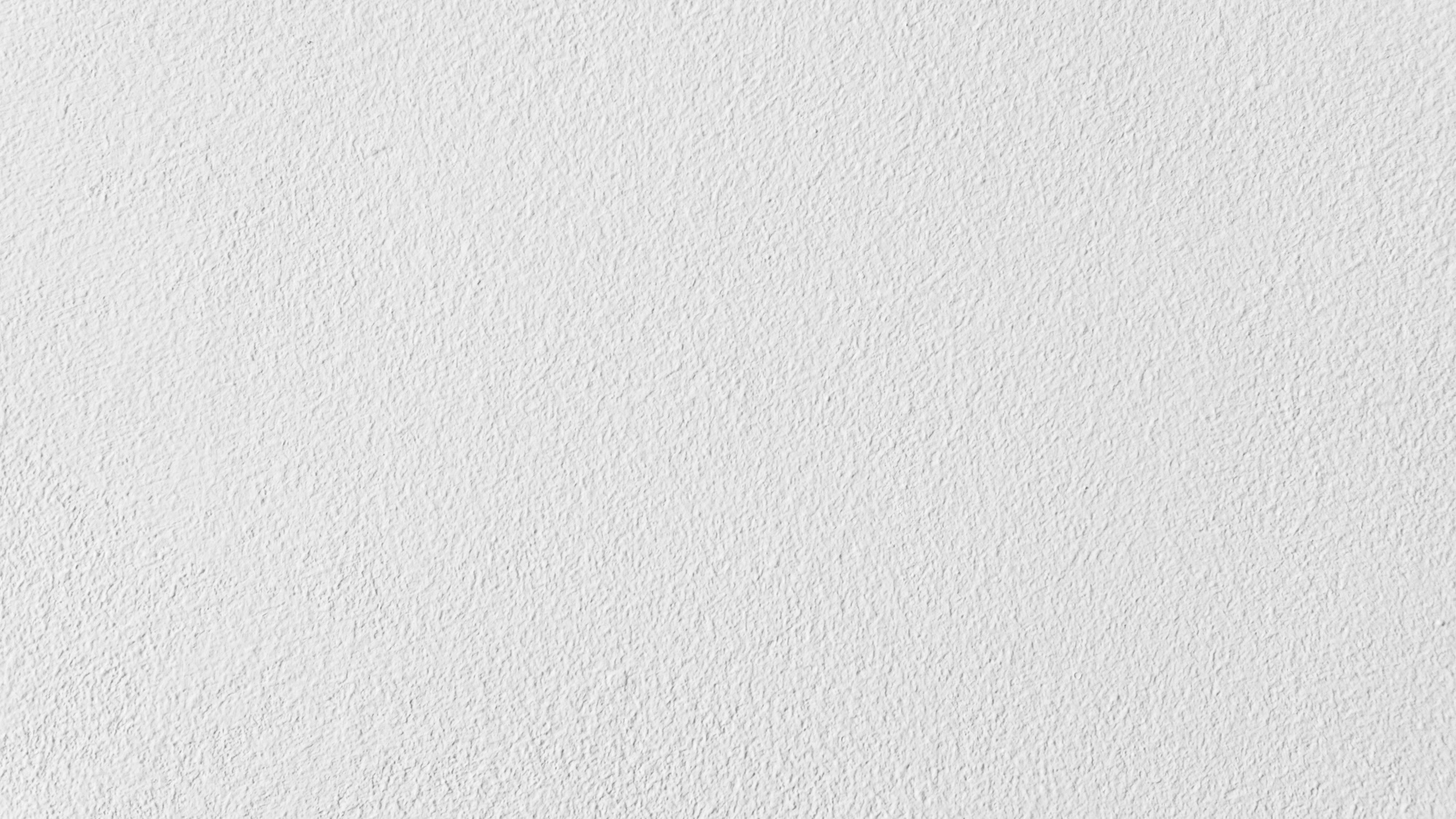
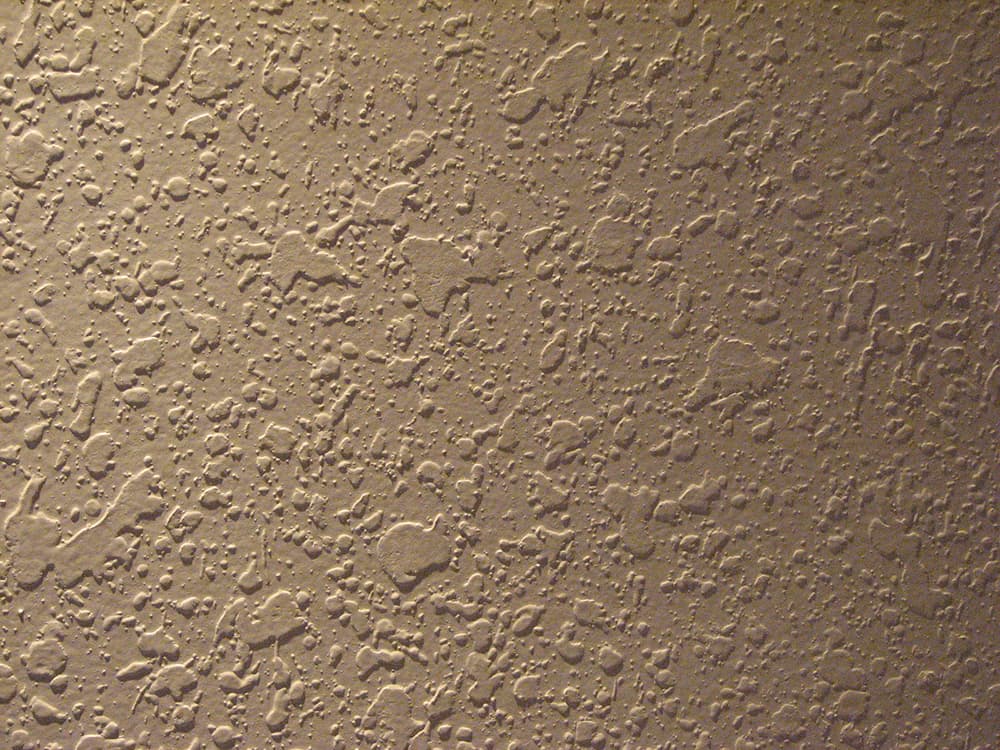


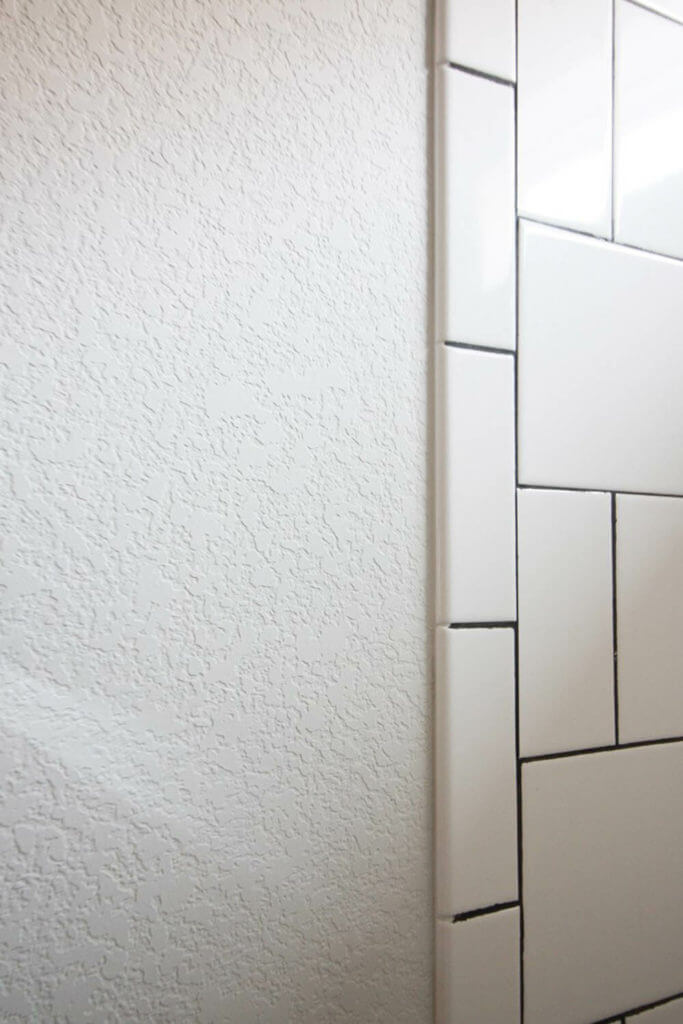
:max_bytes(150000):strip_icc()/SPR-hide-flaws-with-stipple-texture-4121027-9f4cff8a020a48ae980050be59a8f14f.jpg "Gallery Detail: Different Wall Texture Techniques")