Tumors of the Skin in Cats
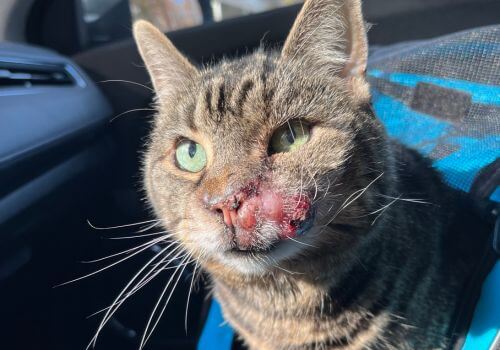
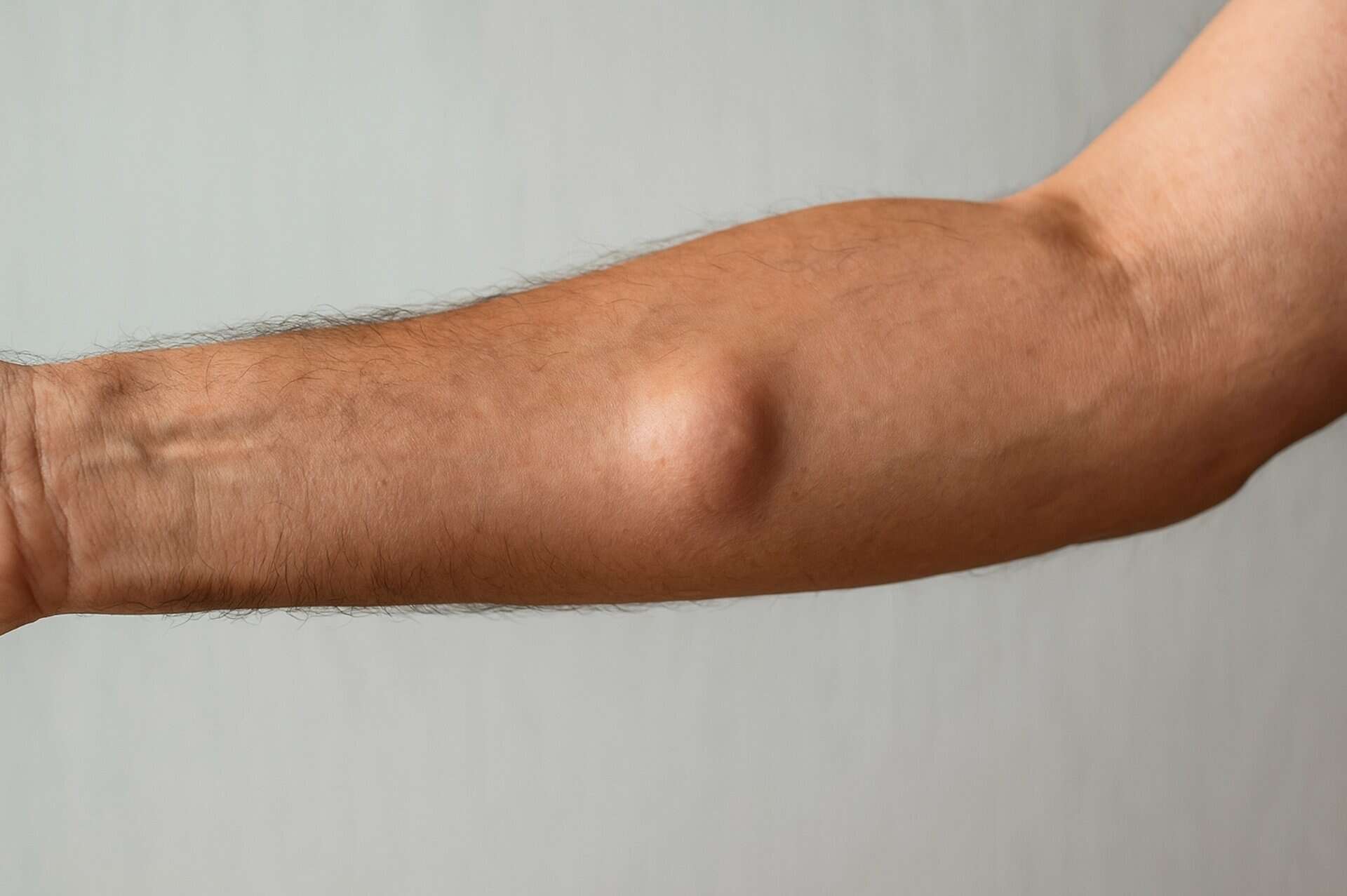
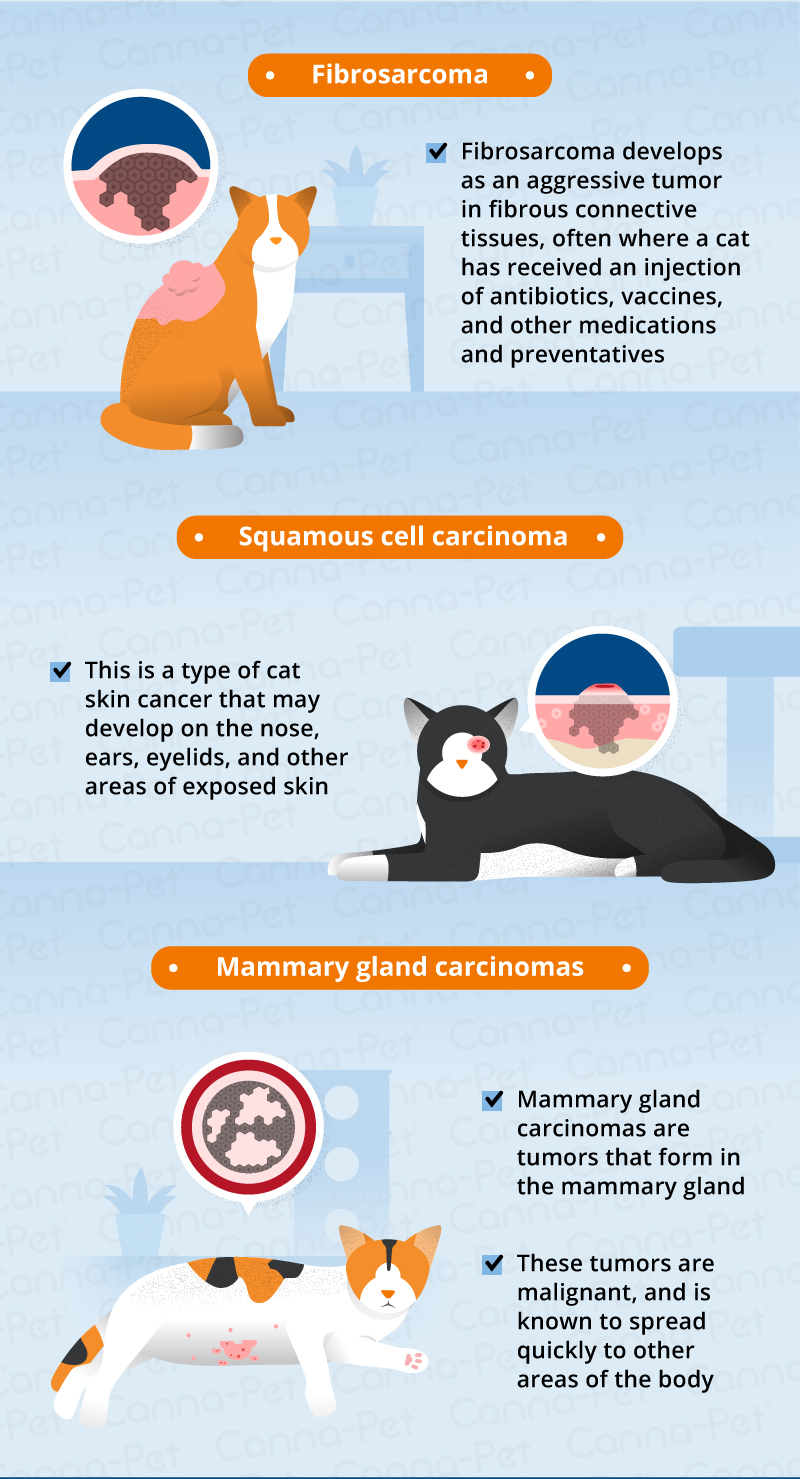
Tumors are abnormal growths of cells. Tumors affecting the skin or the tissue just under the skin are the most commonly seen tumors in cats . This is partly because they are the most easily seen tumors and partly because the skin is constantly exposed to many tumor-causing factors in the environment.
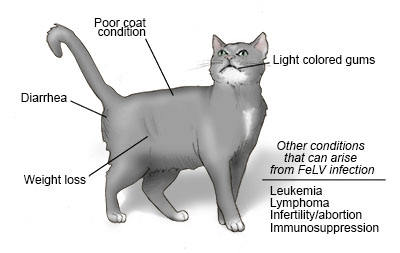
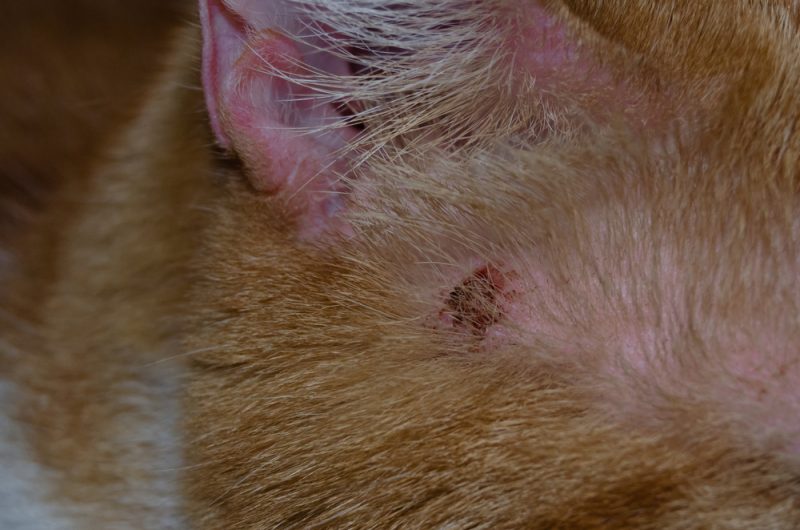
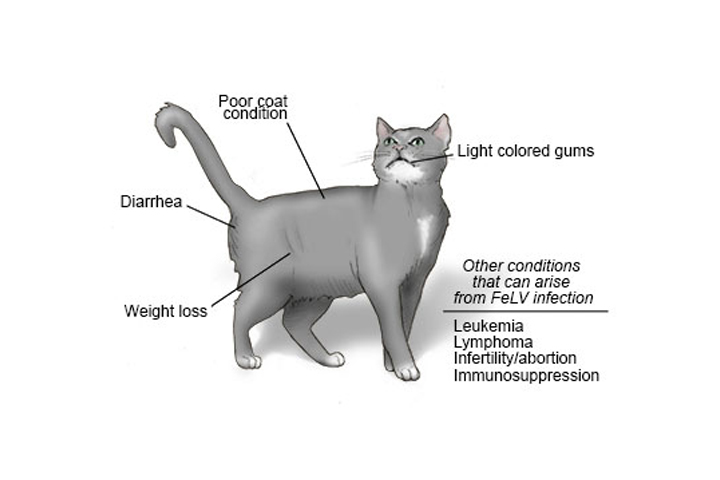
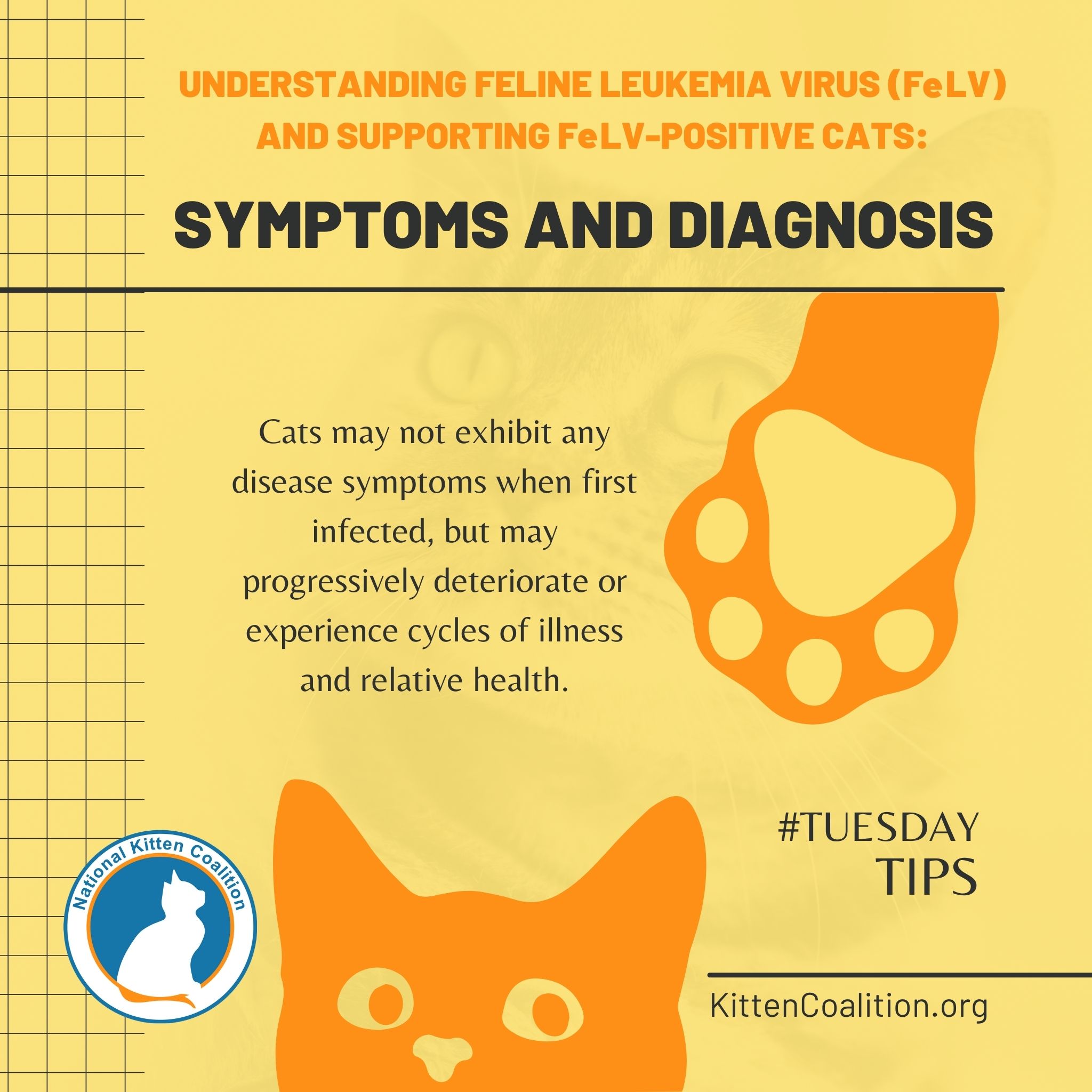
Skin cancers are fairly common in cats , but cutaneous lymphoma is quite uncommon. Only about 3% of lymphoma cases in cats occur in the skin . There may be a linkage between feline leukemia virus (FeLV) and feline cutaneous lymphoma. Unfortunately, feline cutaneous lymphoma is considered incurable.
Moving forward, it's essential to keep these visual contexts in mind when discussing Leukemia Skin Growth In Male Cats.
Lymphoma in Cats
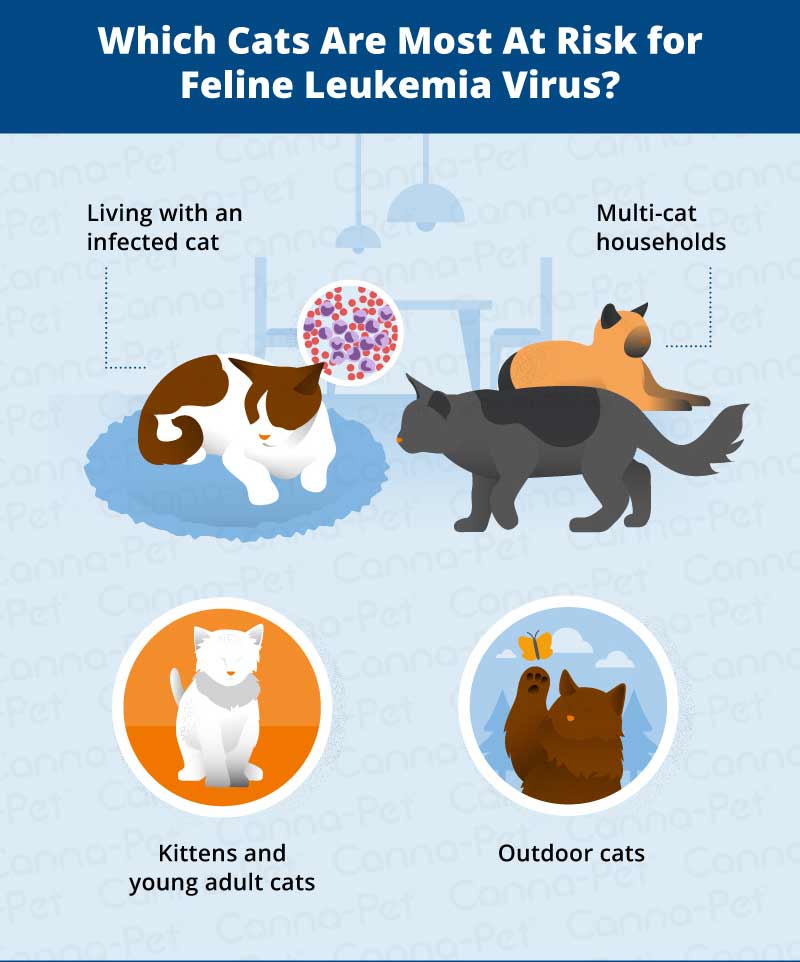
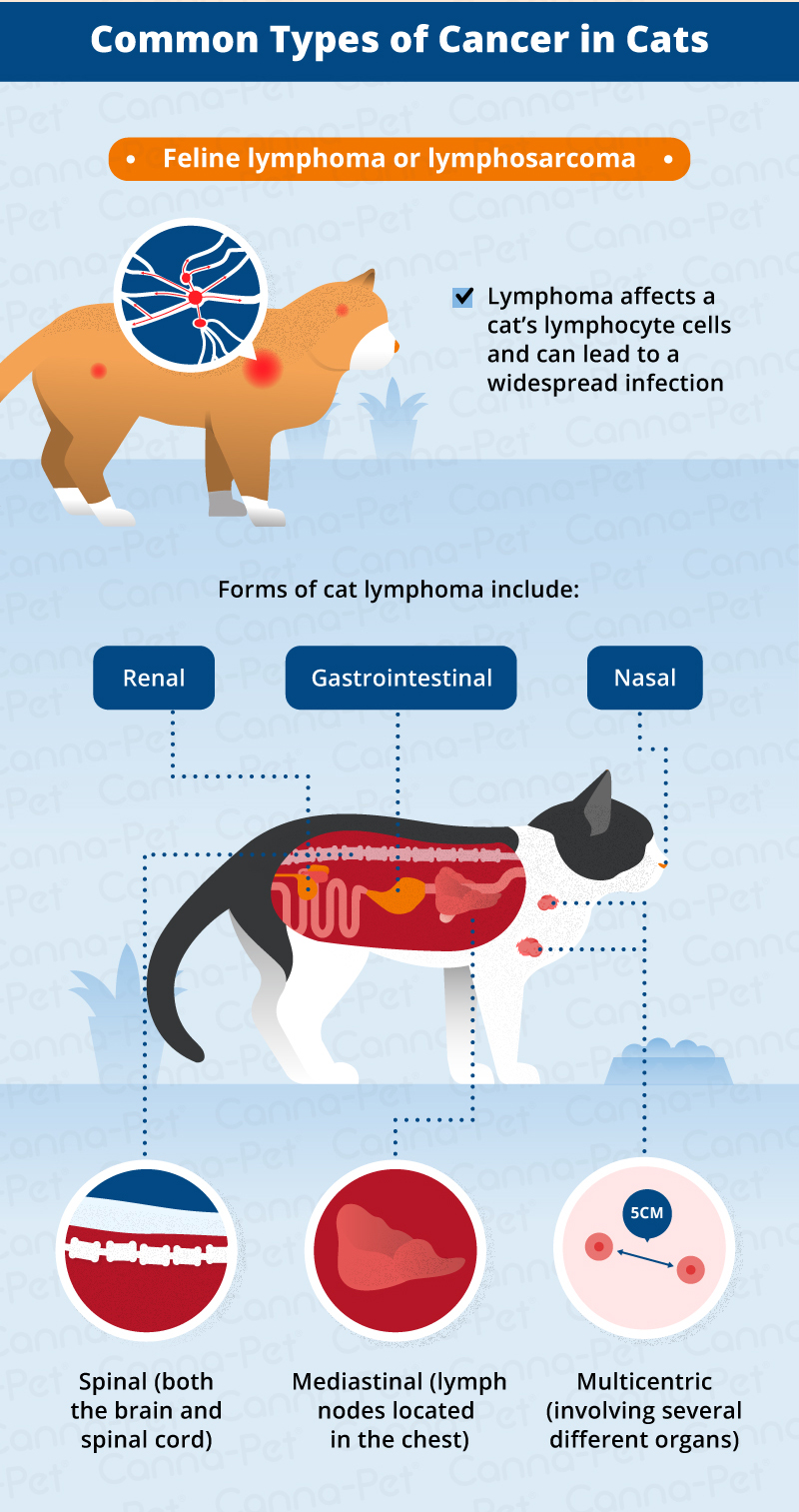
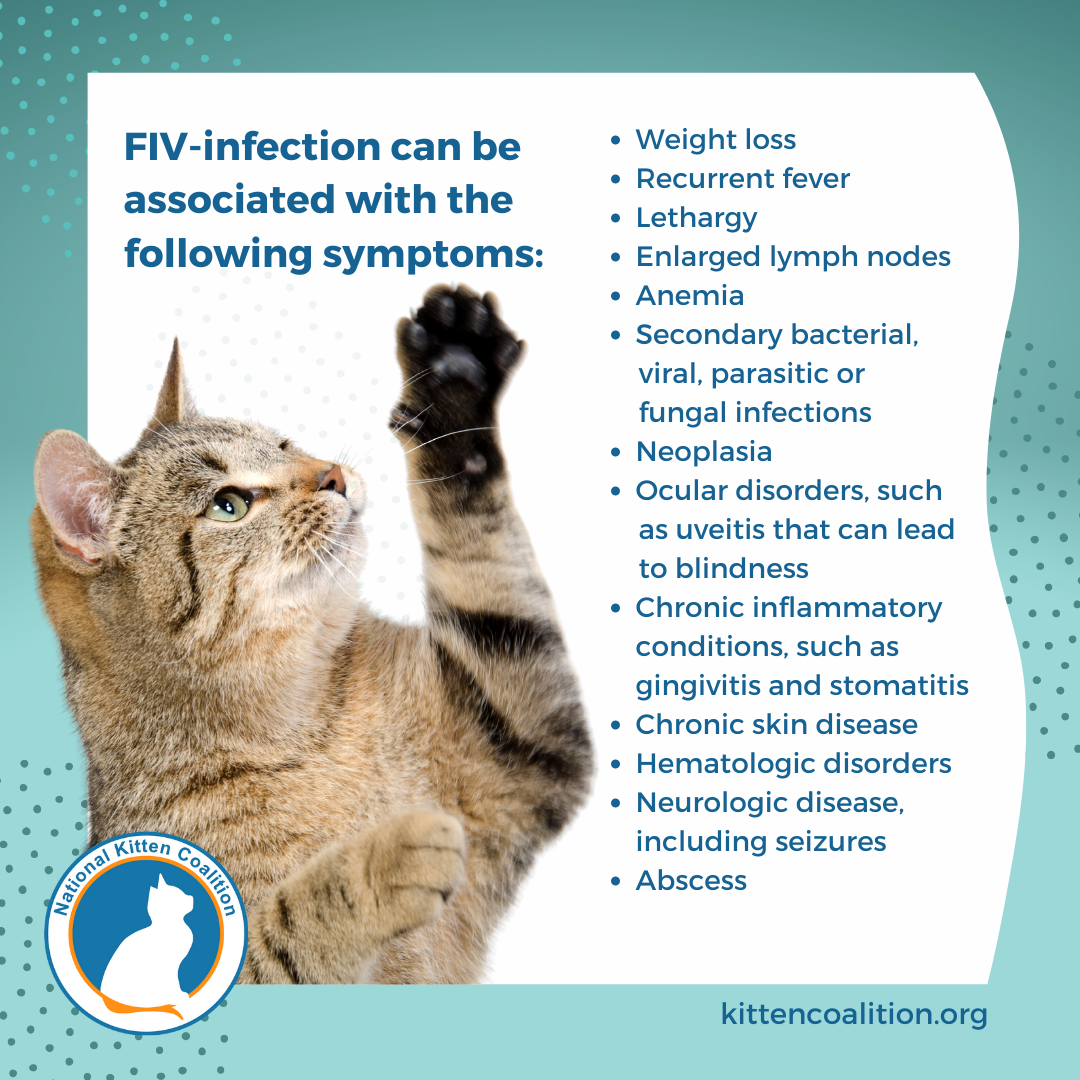
Male cats are also slightly more likely to get lymphoma, and unneutered cats , or cats that were neutered late in life, are also more likely to suffer with it. This is partly because some types of lymphoma are more likely in cats that have been infected with Feline Leukemia Virus (FeLV) and, to a lesser extent, Feline Immunodeficiency Virus (FIV).

As we can see from the illustration, Leukemia Skin Growth In Male Cats has many fascinating aspects to explore.
Can abnormal skin growths be prevented in cats ? Skin growths and cancer can occur in every part of the skin , including the hair follicles, skin surface, under the skin's surface, and in sebaceous glands. It's impossible to know what kind of growth is present or how invasive it is without diagnostic testing and a visit to a veterinarian.
Immune System Tumors in Cats

Skin Cancer in Cats
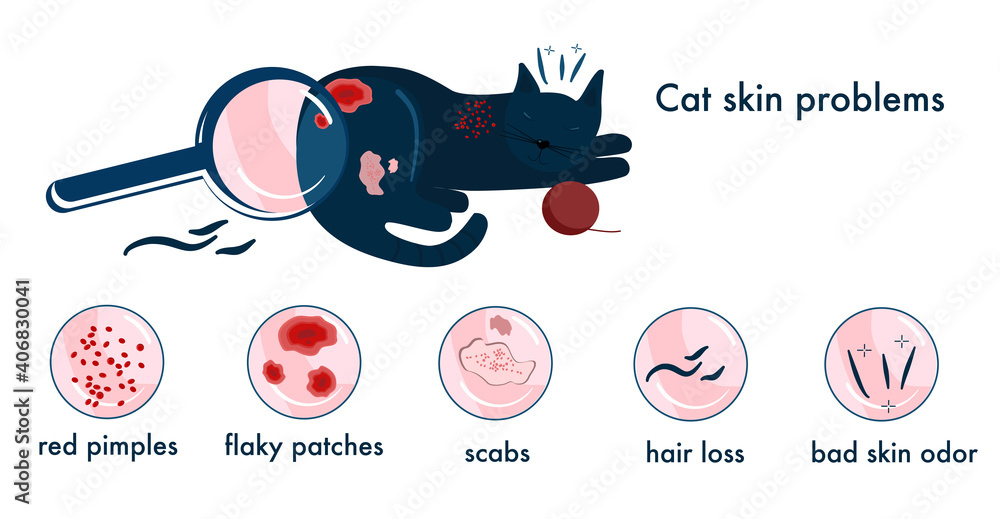
Quick Overview: Skin Cancer In Cats Common Symptoms: Itching, loss of hair, crusty, scaly, and/or red skin , changes in skin pigmentation; ulcers, nodules, or masses of the skin . Diagnosis: Skin cytology and culture may be needed to rule out infection, which lymphoma may look like. Labwork, x-rays, ultrasound to rule out internal disease.
In this paper, read the current knowledge surrounding the cutaneous lymphoma in cats and its treatment, being a rare but life-threatening disease.
More Context About Leukemia Skin Growth In Male Cats
How Do I Know If My Cat Has Feline Leukemia? Signs & Symptoms. This note connects the source idea with the visuals in a simple, reader-friendly way.
Feline Leukemia | Symptoms, Transmission, and Treatment. It gives the article a little more context before the image collection begins.
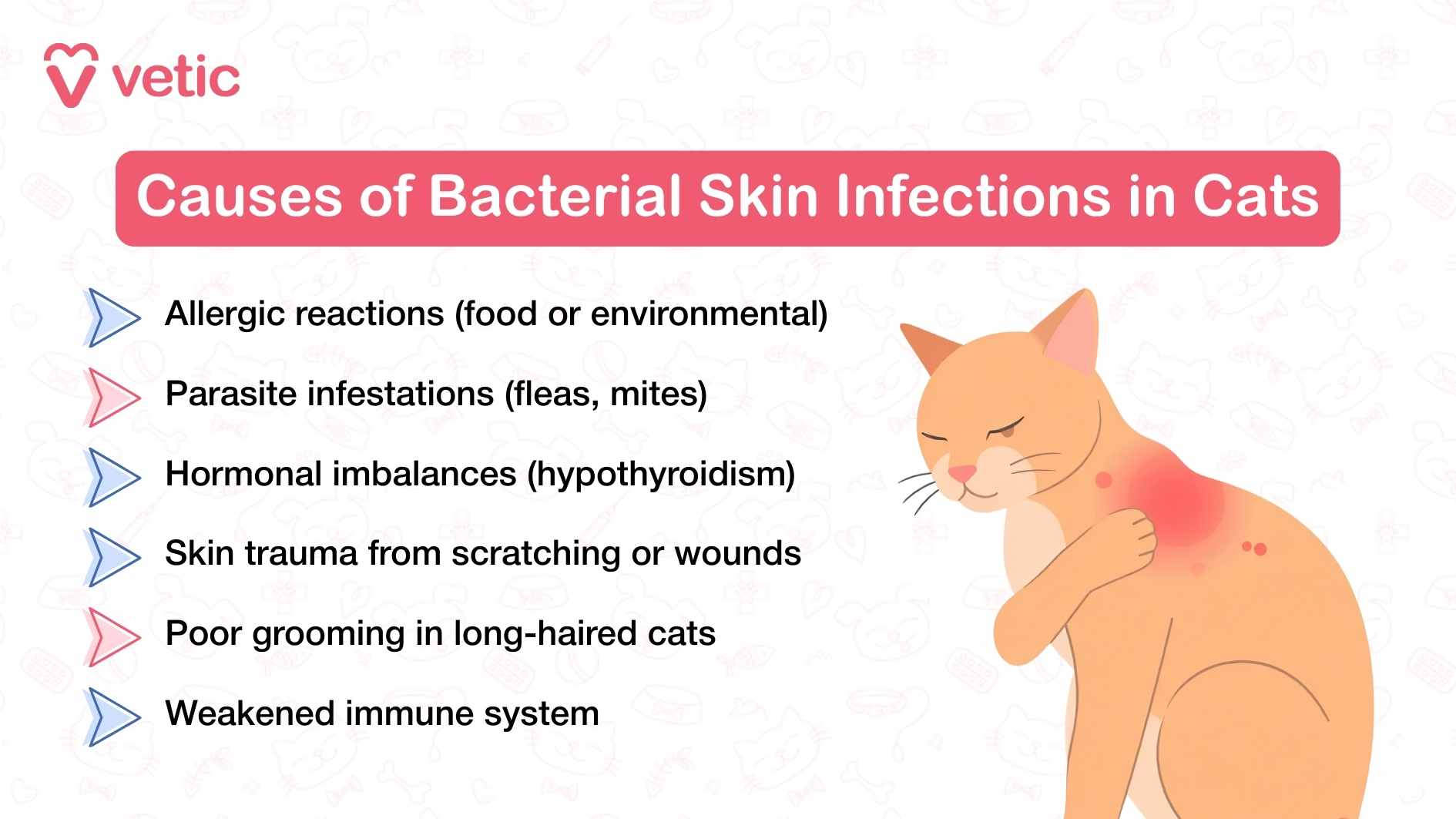
Bacterial Skin Infections in Cats: Feline Pyoderma. It works as a short bridge between the article summary and the gallery section.