Pharmacological Targeting of the Heme
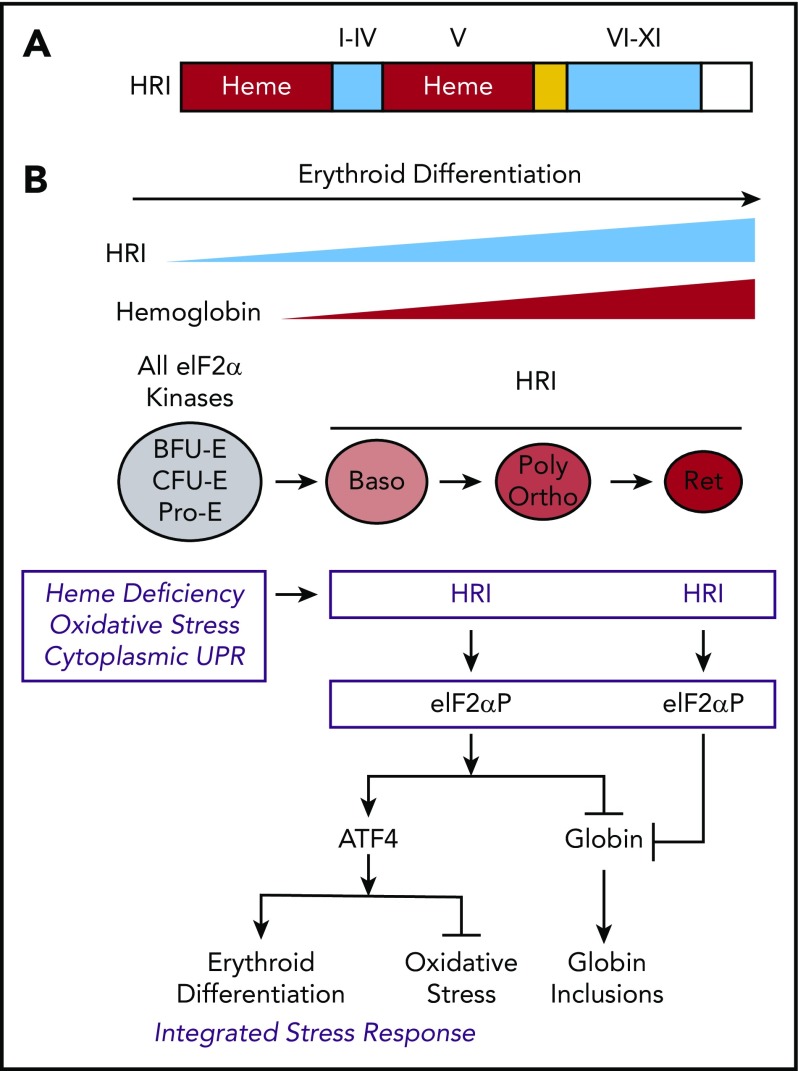
The eIF2α kinases heme-regulated inhibitor (HRI), protein kinase R (PKR), PKR-like endoplasmic reticulum kinase , and general control non-depressible 2 are induced by heme depletion, viral infection, endoplasmic reticulum stress, and amino acid starvation, respectively.
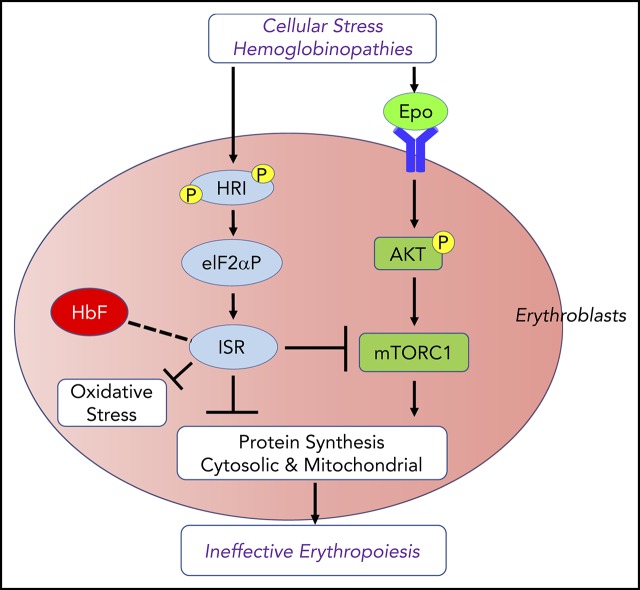
Improved erythroid differentiation was associated with decreased eIF2α phosphorylation and increased expression of genes involved in heme mitochondrial transport, metabolism, and globin synthesis, which suggests that the pharmacological inhibition of HRI can rescue ineffective erythropoiesis and anemia in patients with MDS-RS. The integrated stress response (ISR), a cytoprotective pathway ...
Key Details About Pharmacological Targeting Of The Heme-Regulated Inhibitor Kinase
153 Pharmacological Targeting of the Heme-Regulated Inhibitor Kinase Overcomes Ineffective Erythropoiesis in Patients with Myelodysplastic Syndromes with Ringed Sideroblasts and Sickle Cell Disease Program: Oral and Poster Abstracts Type: Oral Session: 802.

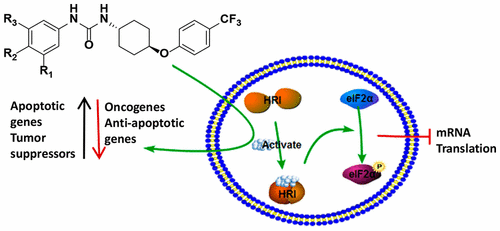
Here, we report that compound A8 can preferentially activate the ISR through the binding of the cytosolic pattern recognition receptor RIG-I, which subsequently activates the heme-regulated inhibitor (HRI) ISR kinase independent of an interferon response.
Structural insights into allosteric inhibition of HRI kinase by heme ...
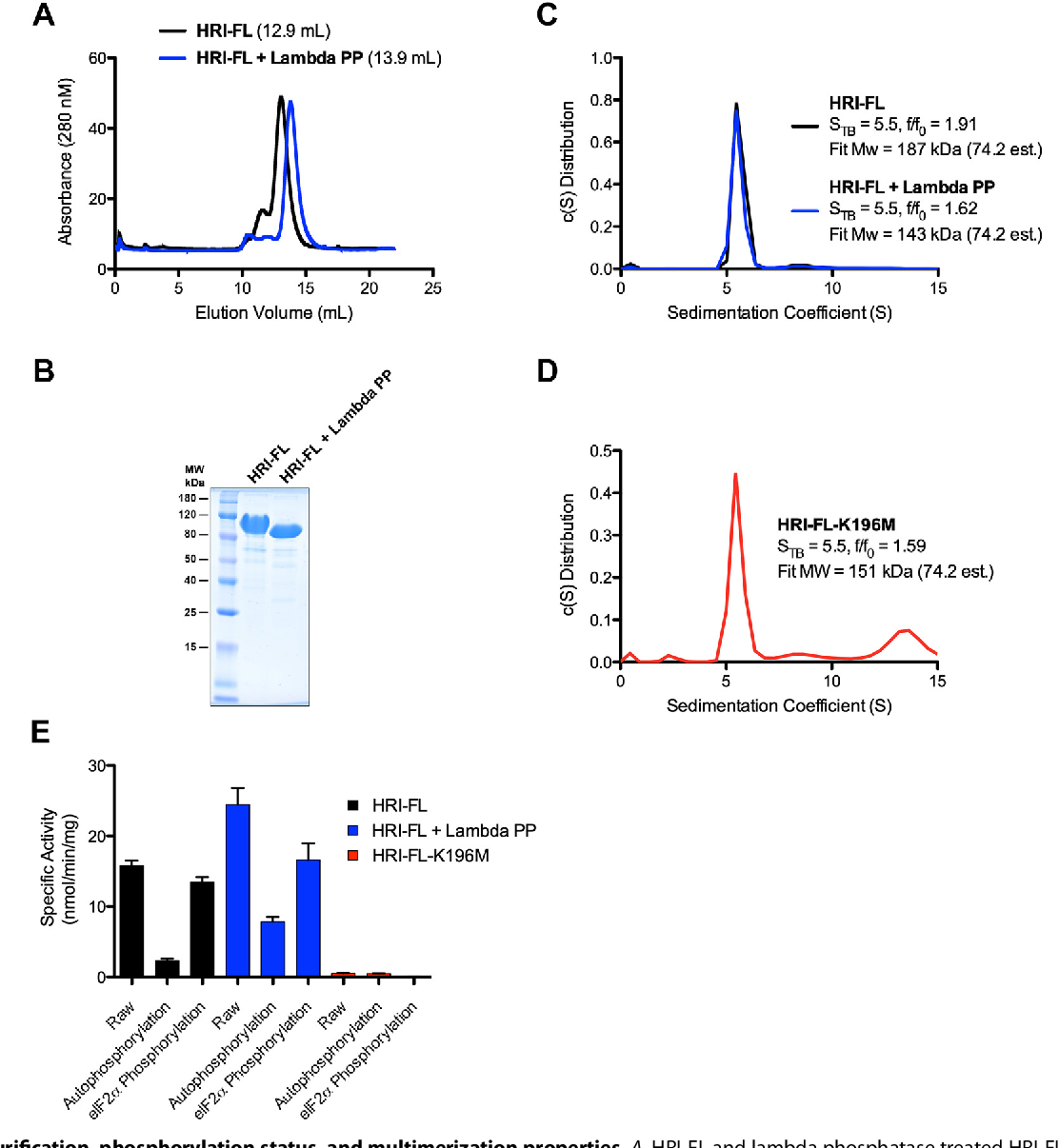
Heme-regulated inhibitor (HRI) is one of the four mammalian kinases that phosphorylate eIF2α, facilitating a cellular response to stress through the regulation of mRNA translation. Originally identified as a heme sensor in erythroid progenitor cells, HRI has since emerged as a potential therapeutic target in both cancer and neurodegeneration.
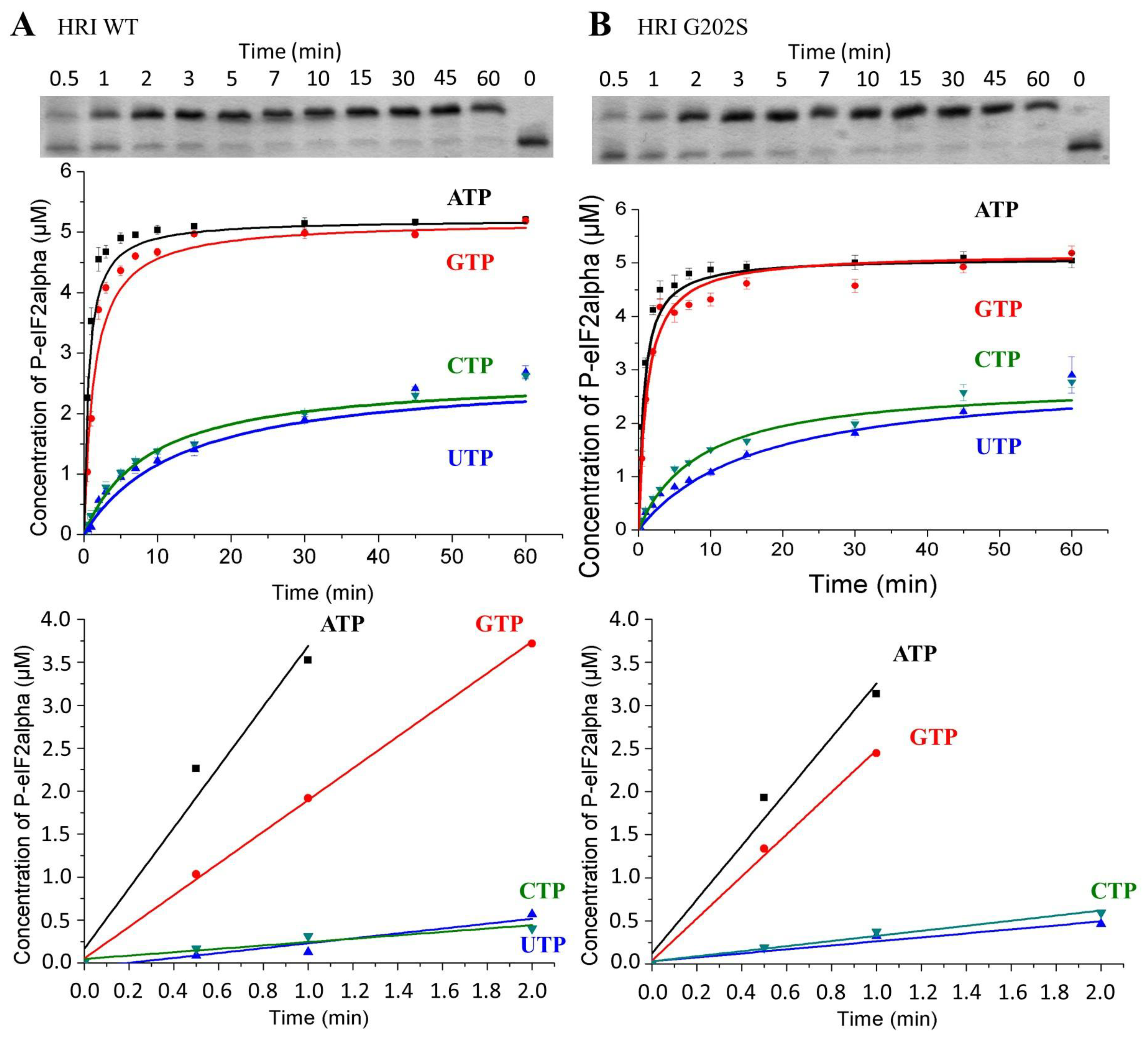
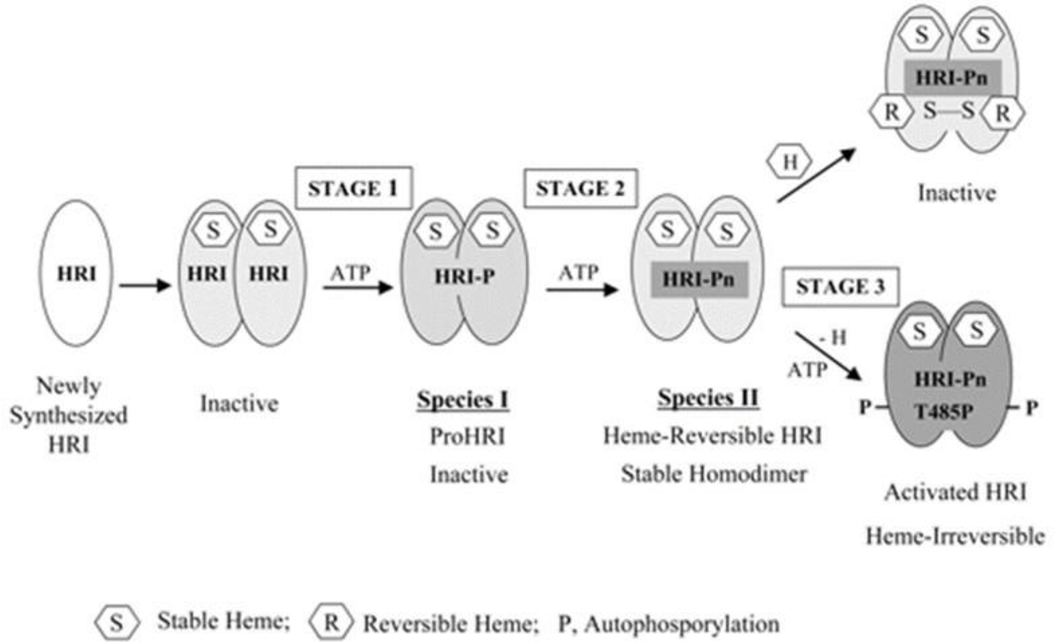
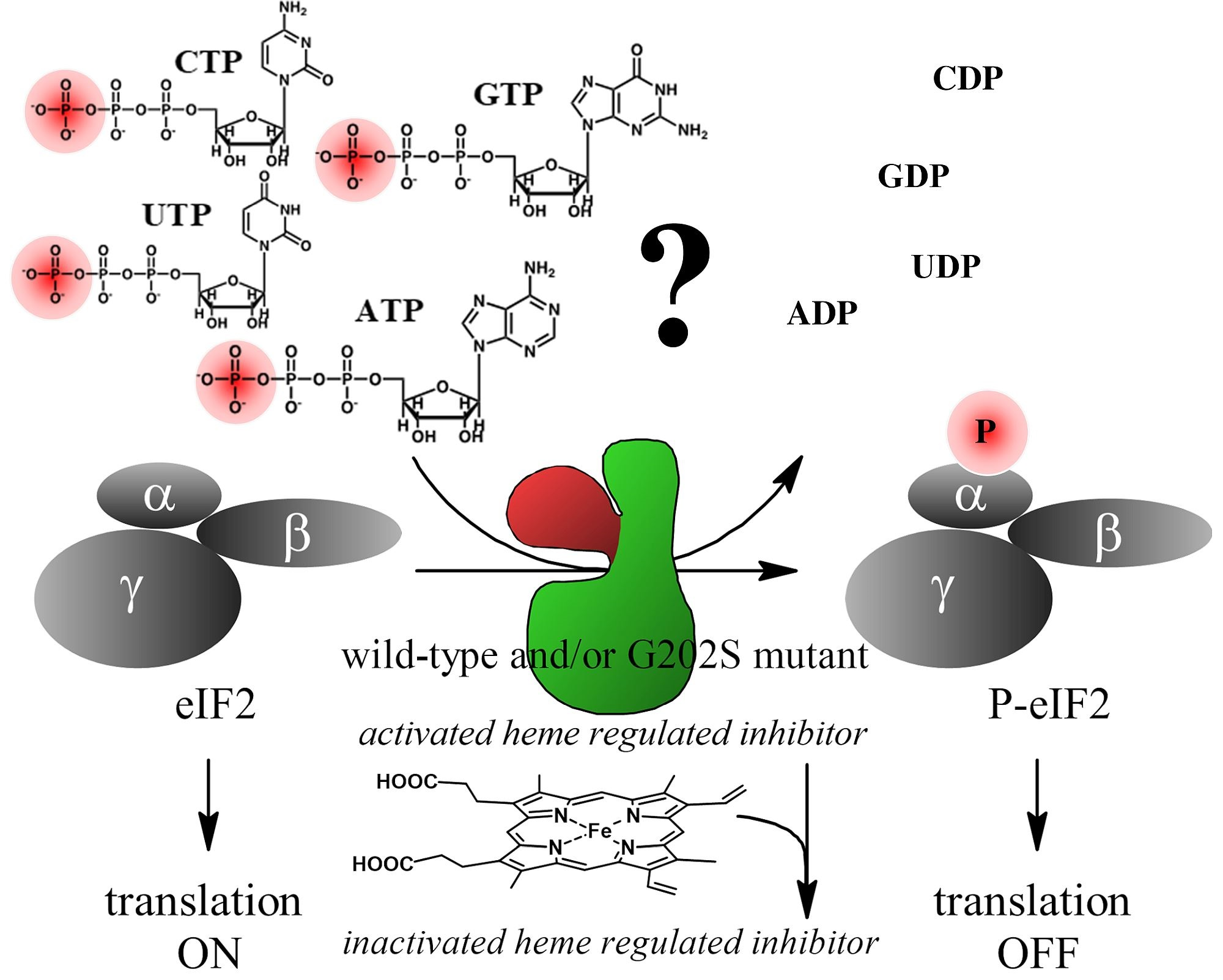
Heme-regulated inhibitor (HRI) kinase is a serine-threonine kinase , controlling the initiation of protein synthesis via phosphorylating α subunit of eIF2 on serine 51 residue, mainly in response to heme deprivation in erythroid cells. However, recent studies showed that HRI is also activated by several diverse signals, causing dysregulations in intracellular homeostatic mechanisms in non ...

This particular example perfectly highlights why Pharmacological Targeting Of The Heme Regulated Inhibitor Kinase is so captivating.
The heme
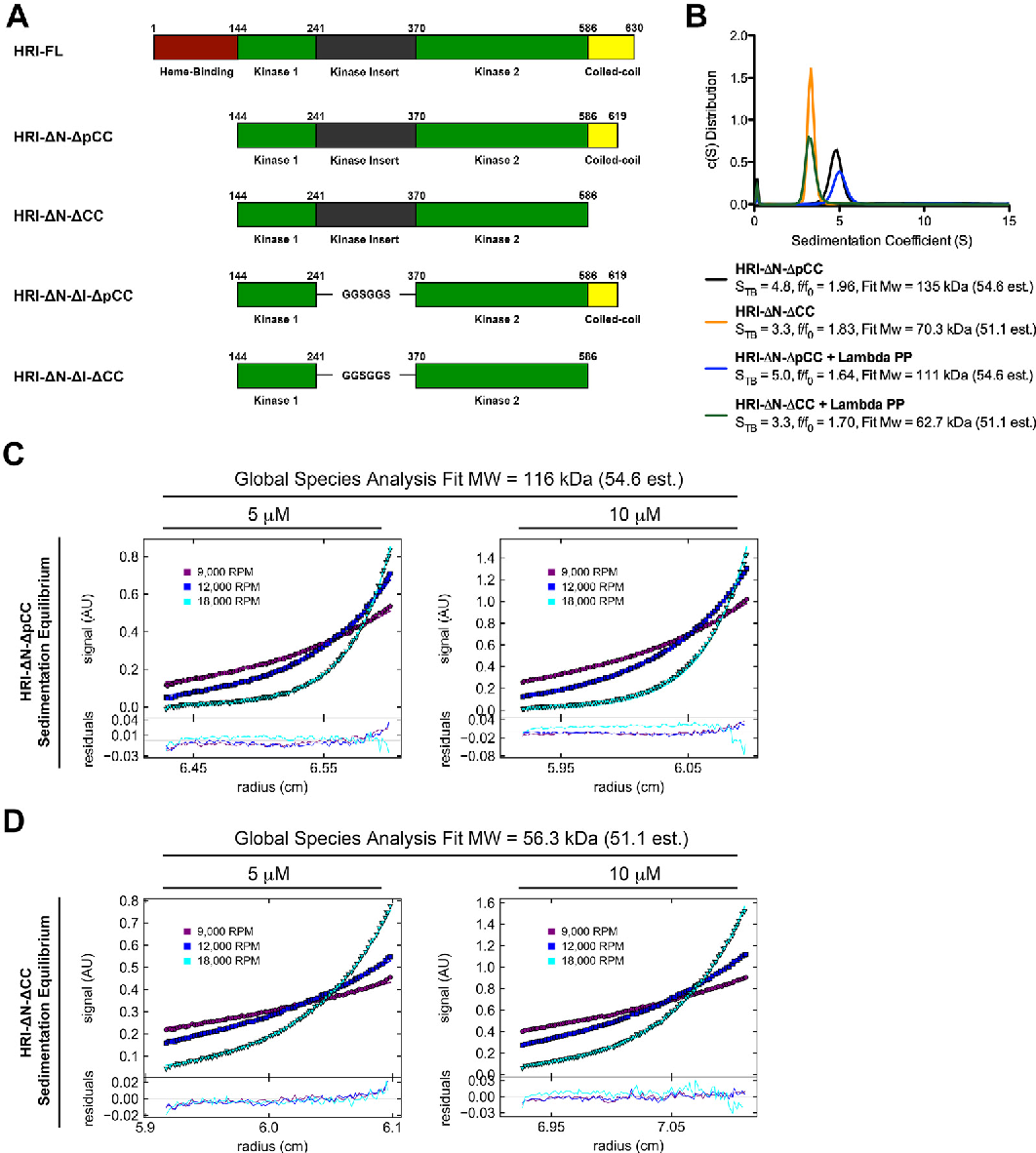
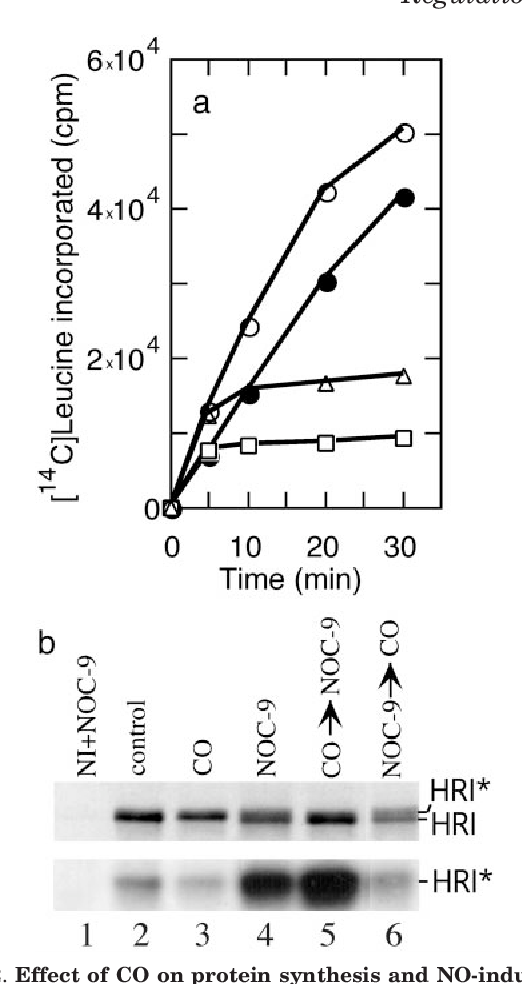
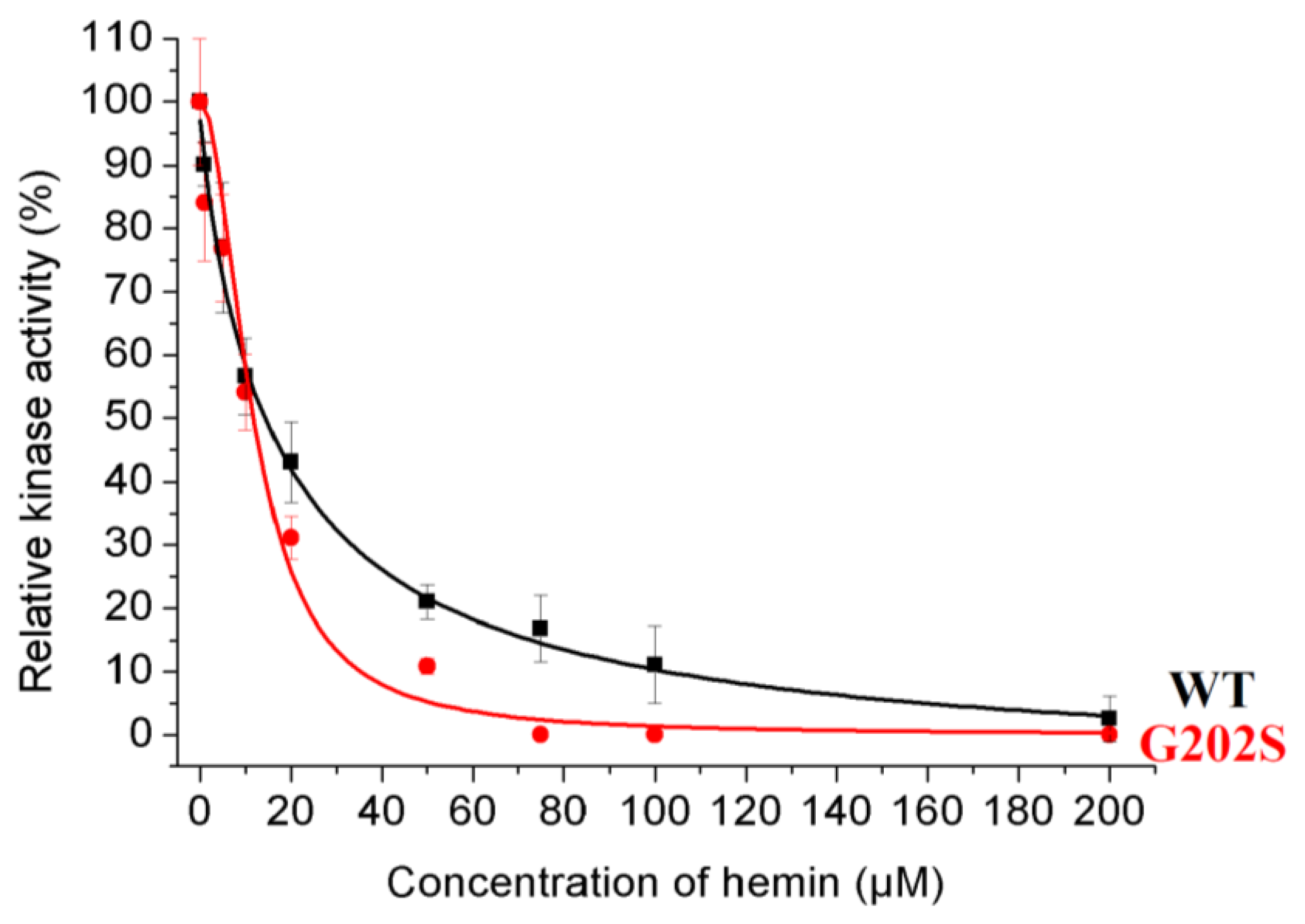
The heme-regulated inhibitor (HRI) is a heme -sensing kinase that regulates mRNA translation in erythroid cells. In heme deficiency, HRI is activated to phosphorylate eukaryotic initiation factor 2α and halt production of globins, thus avoiding accumulation of heme -free globin chains. HRI is inhibited by heme via binding to one or two heme -binding domains within the HRI N-terminal and kinase ...
Heme-regulated eukaryotic translation initiation factor 2 alpha kinase (HRI) is highly expressed in red blood cell precursors and plays a critical role in their maturation by coupling globin synthesis to heme availability. HRI plays critical roles in responding to cytoplasmic and mitochondrial unfolded proteins, oxida-tive stress response, innate immunity, neurobiology, and the suppression of ...
PDF Regulatory mechanism of heme
Abstract. Haem- regulated inhibitor (HRI) is emerging as a potential therapeutic target in several disease areas, including cancers such as multiple myeloma and neurodegenerative disease. As one of four related mammalian kinases that phosphorylate the mRNA translation machinery substrate eIF2α, it has a central role in sensing several disparate proteotoxic stresses and preventing subsequent ...