Overview of Preservation Methods For Blue Tongue Skink Food Items
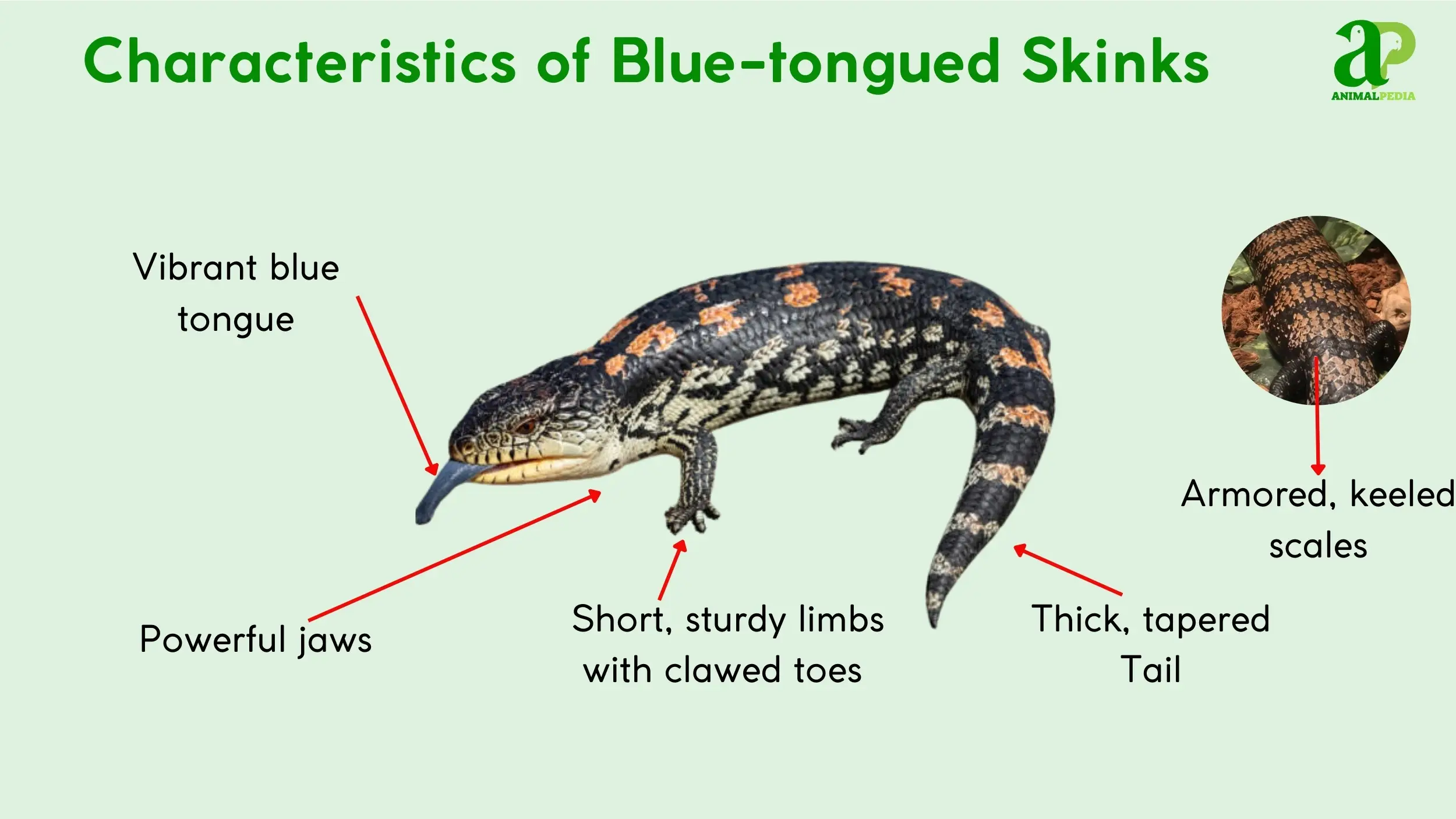
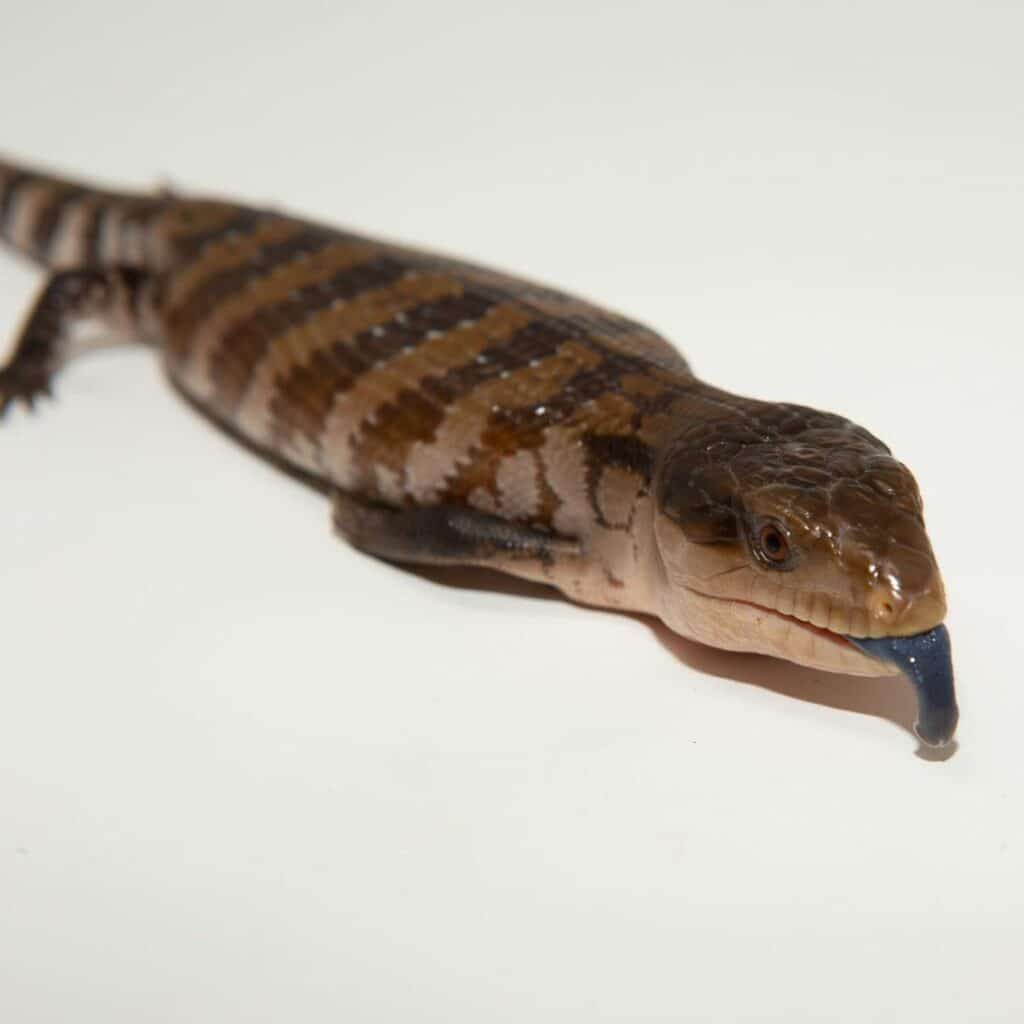
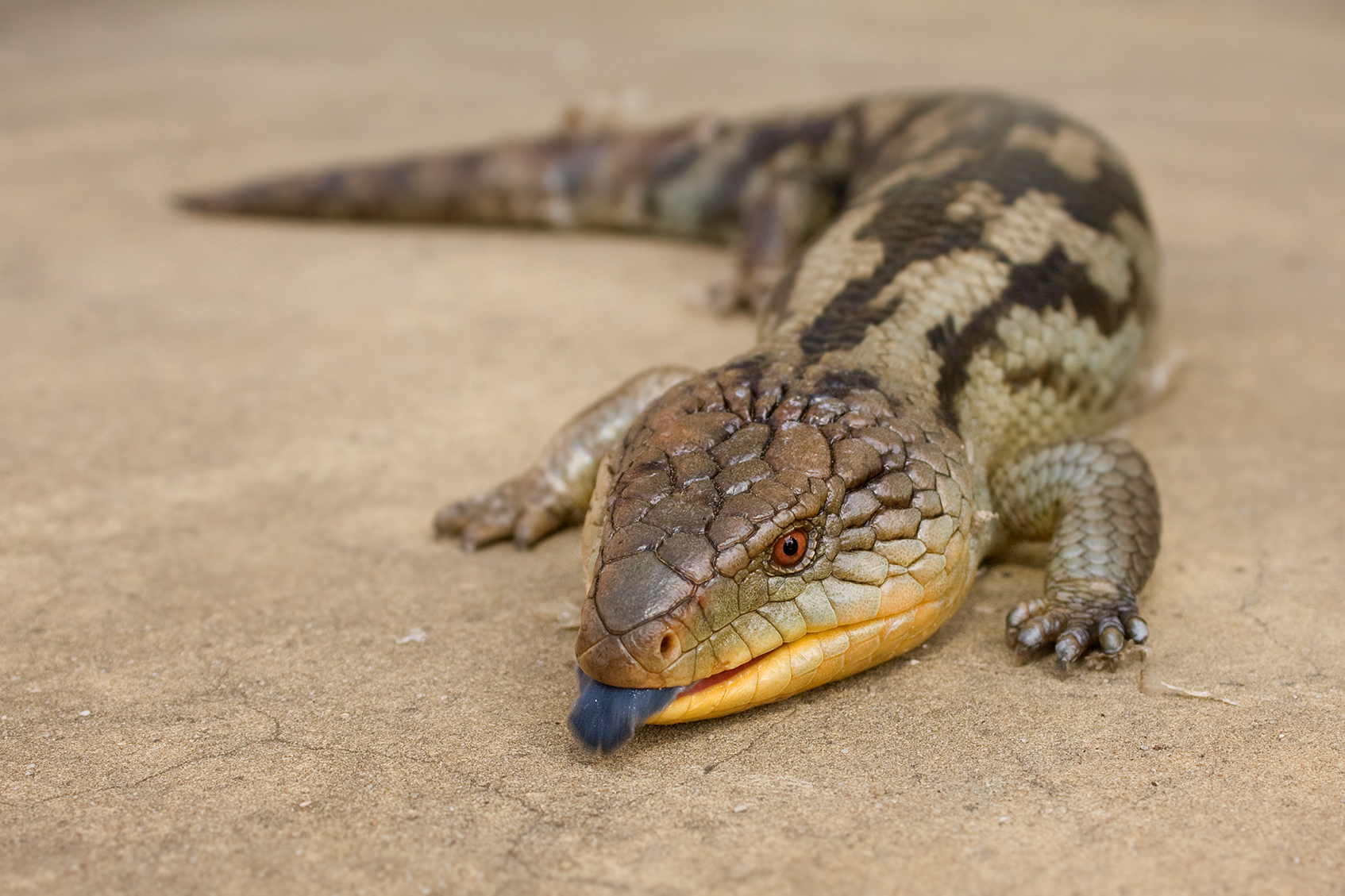
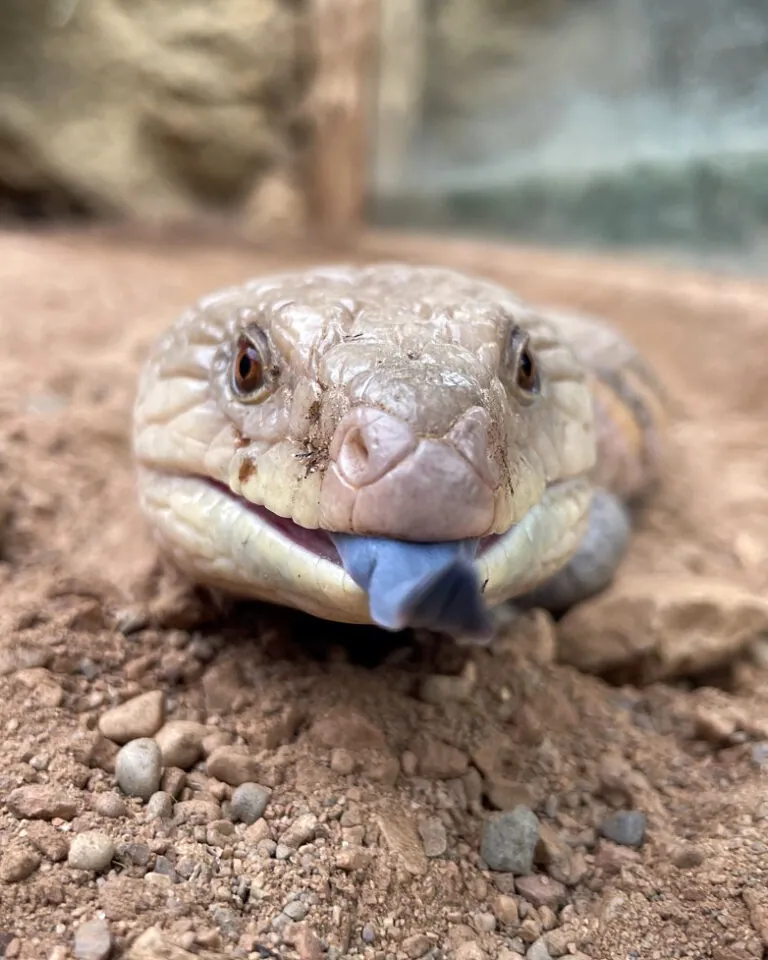
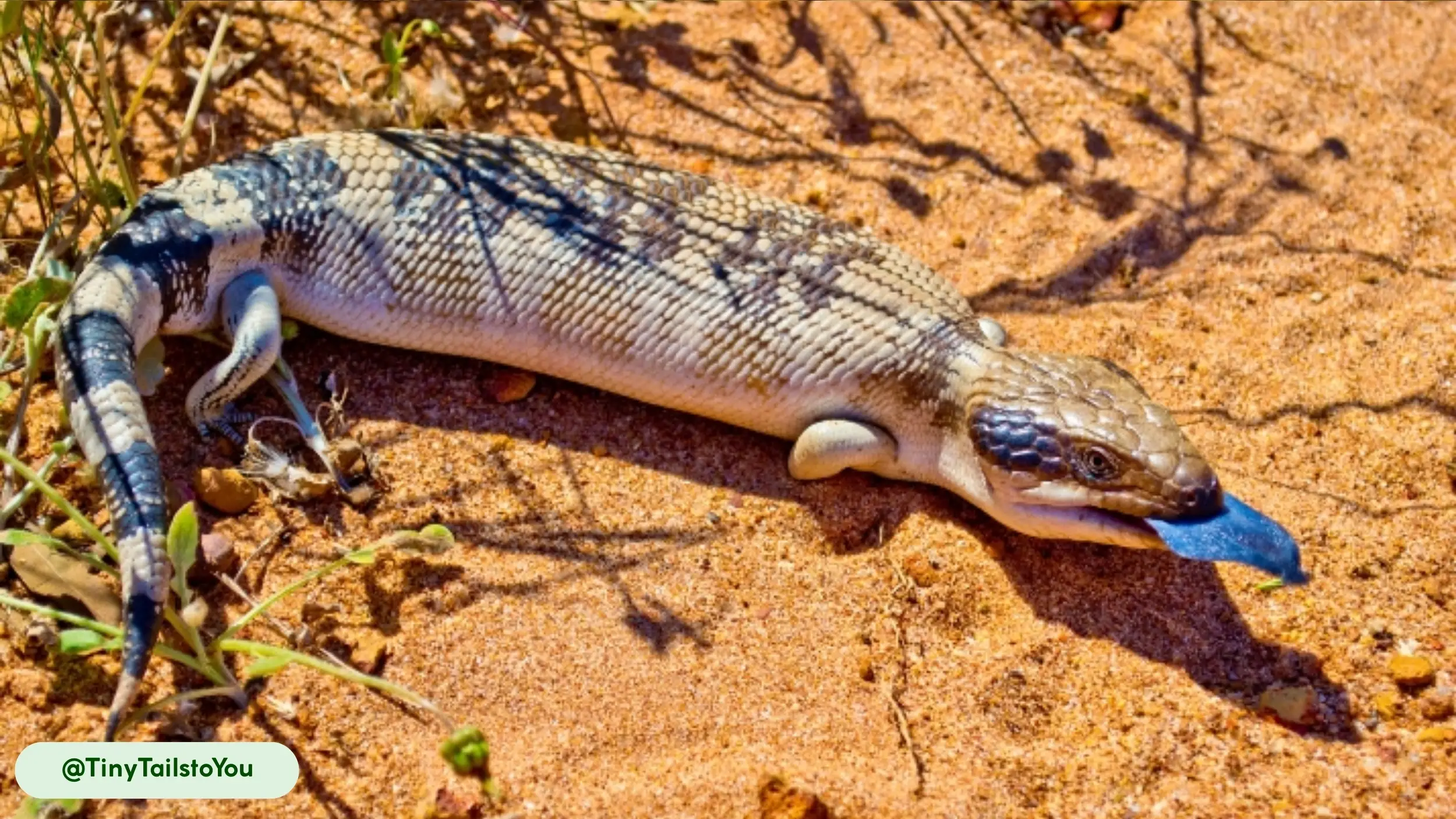
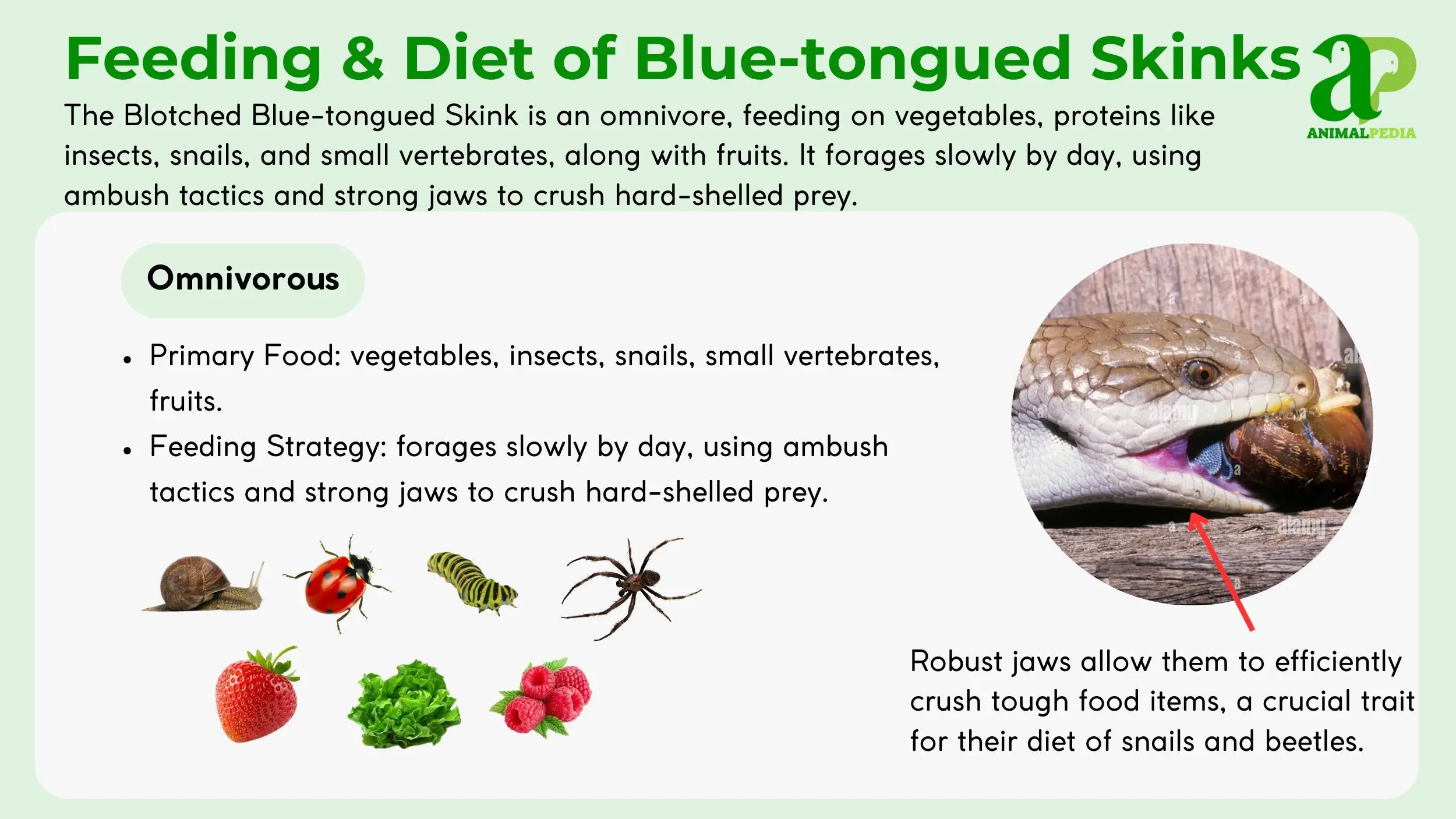
Biology Blue-tongue skinks are forest floor dwelling lizards with large, smooth, flat scales; a wide head and a bright blue tongue . These lizards can grow to around 50 to 60 cm in length and can live for longer than 10 years. They are omnivores and will eat a very wide range of foods including plant matter and live insects. In the wild, they will also eat carrion and any mammals, reptiles ...
Always wash your hands, surfaces and equipment with warm water and disinfectant immediately before and after handling or feeding your Blue -Tongued Skink , their food , enclosure and any other equipment.
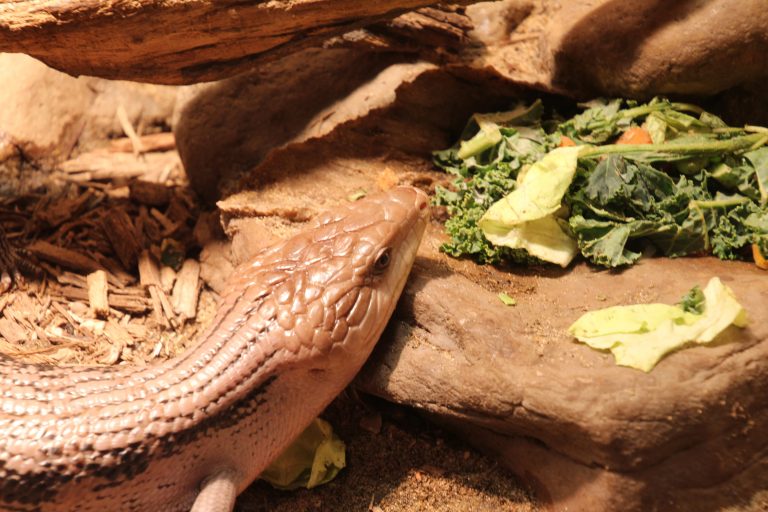
Understanding the Blue Tongue Skink's Natural Diet In the wild, the blue tongue skink is a master forager, wandering through diverse terrains in search of sustenance. Native to regions of Australia, New Guinea, and parts of Indonesia, these resilient reptiles thrive by adapting to the food sources available in their environment.
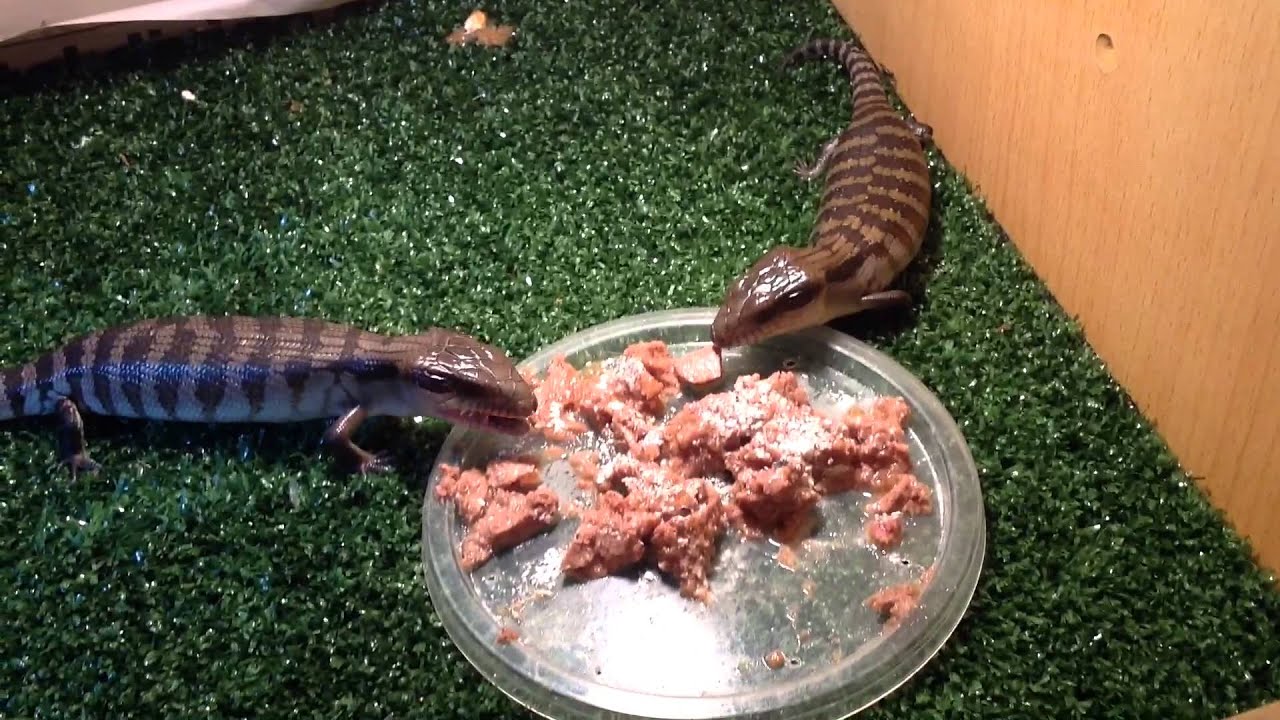
Blue -Tongued Skinks under a year of age should receive high-protein foods as 70-80% of their diet. After this point, high-protein foods should only make up 50-60% of their diet. In this guide, we will go over our top feeding suggestions and dietary needs for your Blue -Tongued Skink reptile.

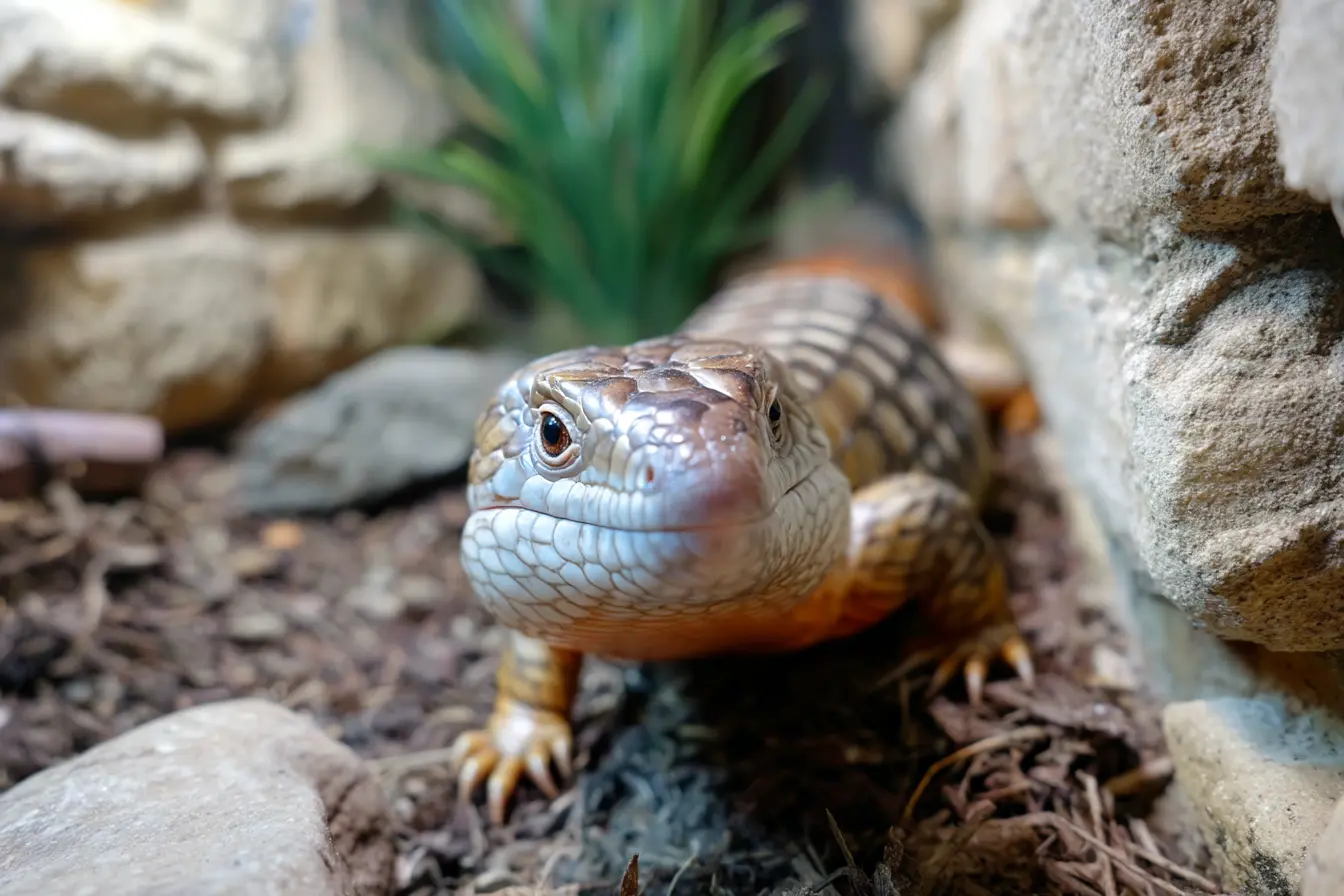
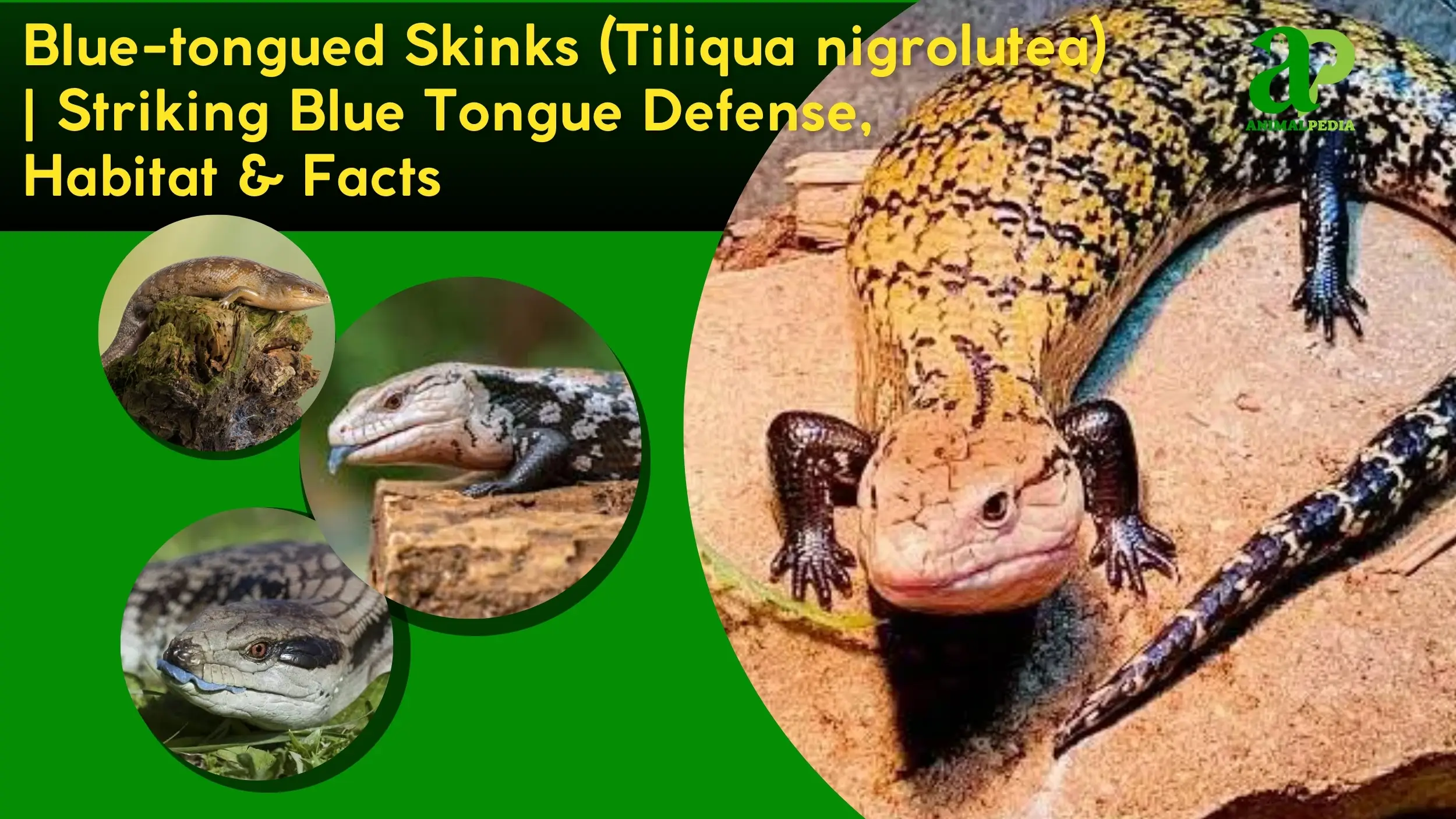
As we can see from the illustration, Preservation Methods For Blue Tongue Skink Food Items has many fascinating aspects to explore.
Useful Notes on Preservation Methods For Blue Tongue Skink Food Items
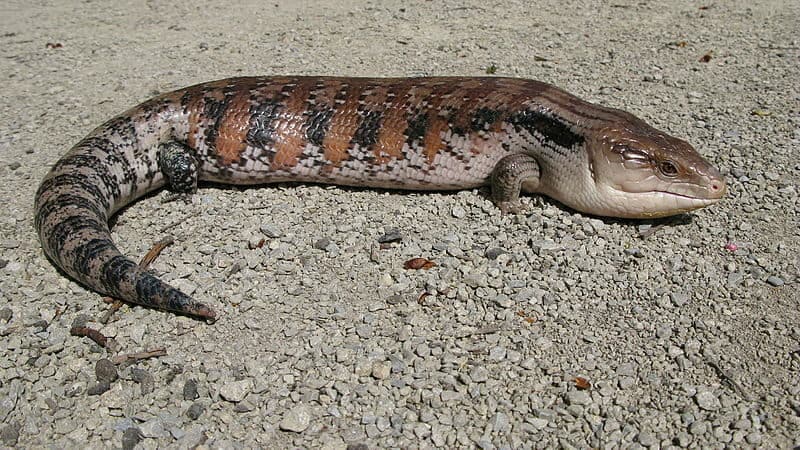
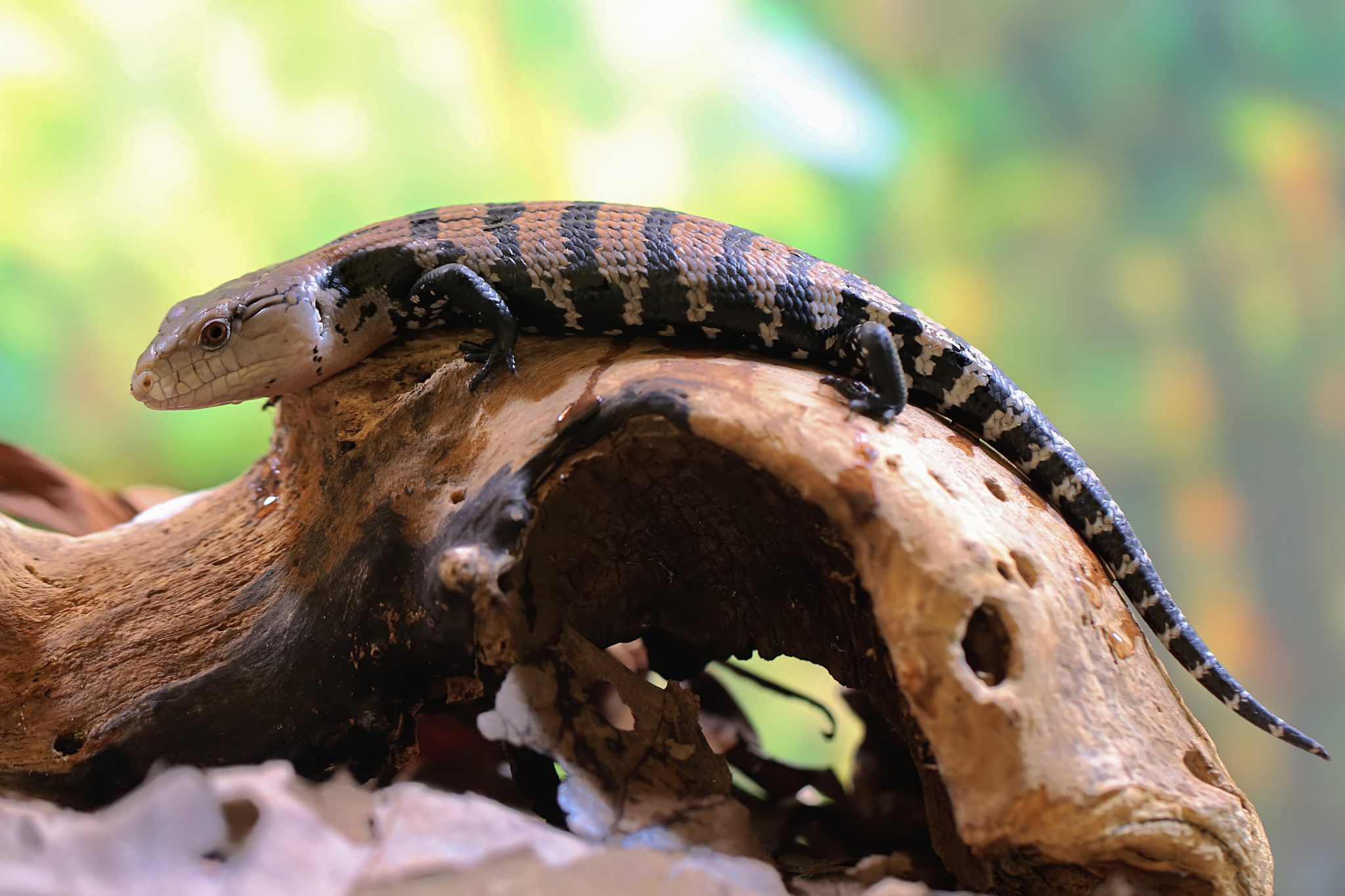
Blue -tongued skinks are naturally found throughout the warm woodlands and grasslands of Australia. There are several closely related species referred to as blue -tongued skink but the one most commonly kept is the Tiliqua scincoides northern and eastern blue -tongued skink , which this care sheet will predominantly refer to.
Complete blue tongue skink care guide for UK owners: vivarium size, basking temperature (35-40°C), UVB, omnivore diet, handling and health. Realistic UK costs and RSPCA-based welfare advice.
PDF Northern Blue Tongue Skink Care Sheet

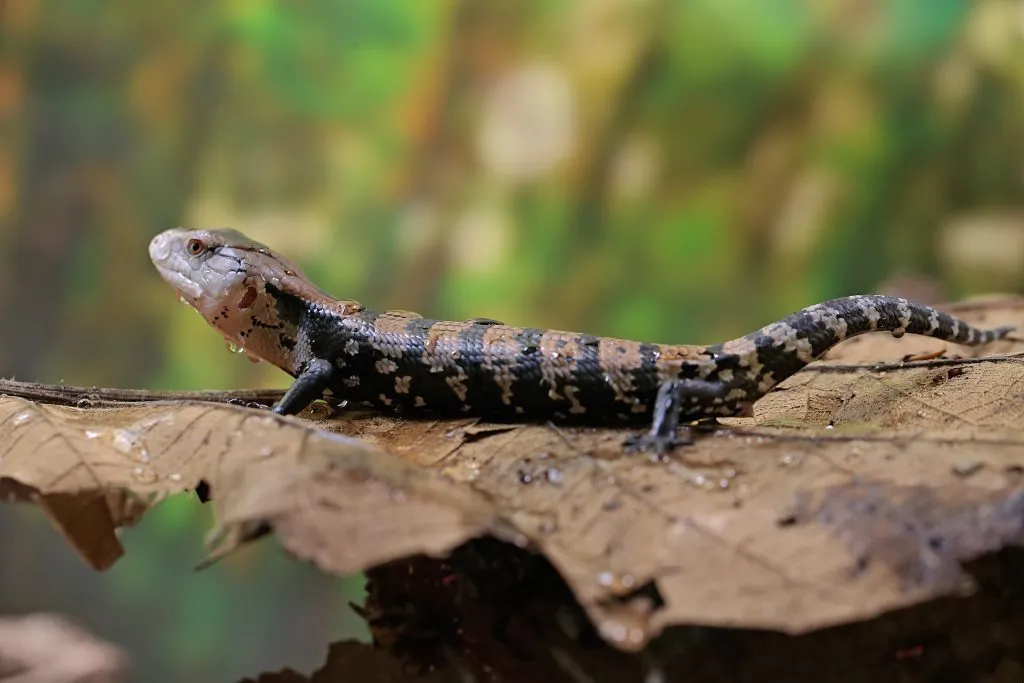
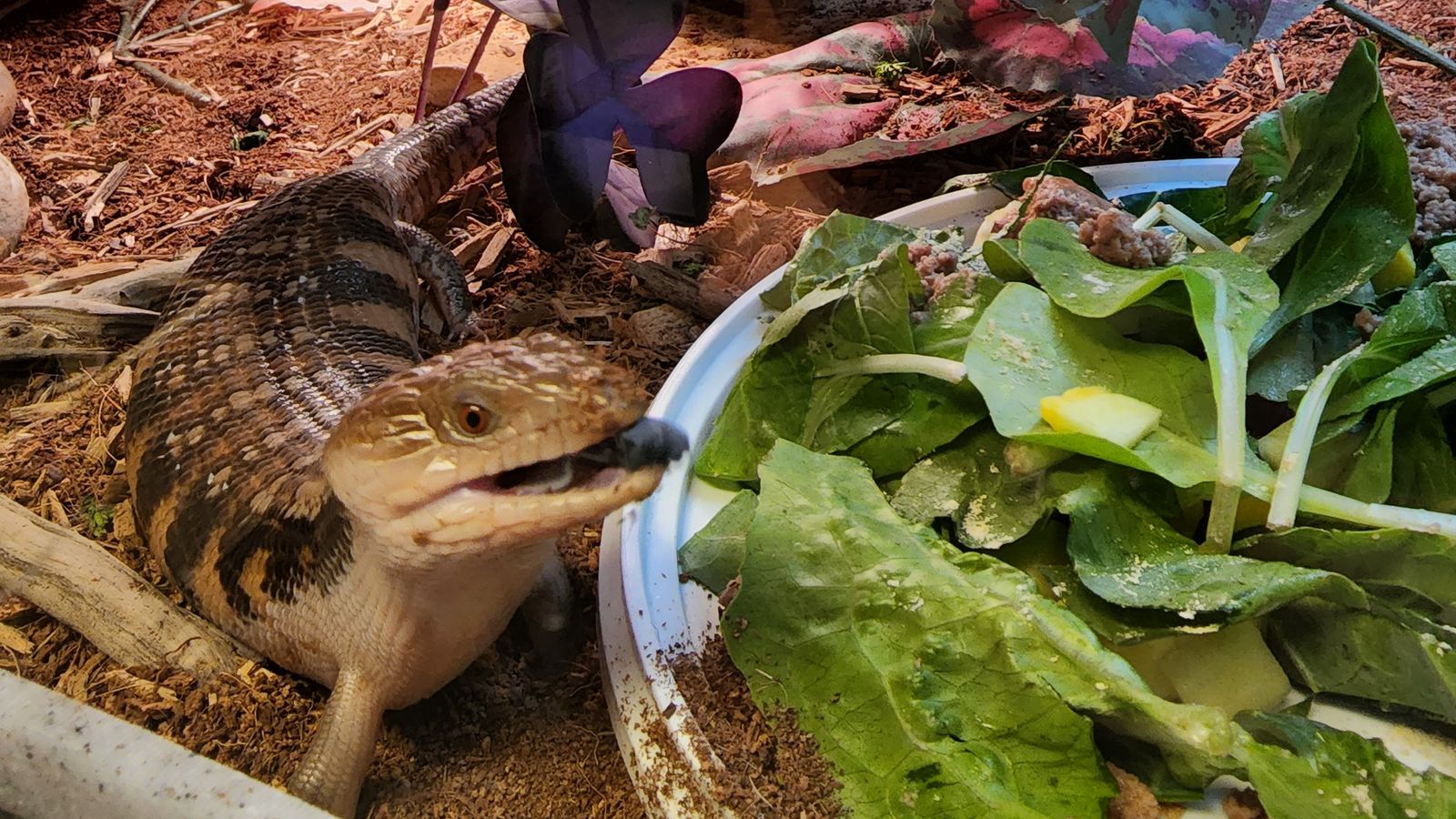
This particular example perfectly highlights why Preservation Methods For Blue Tongue Skink Food Items is so captivating.
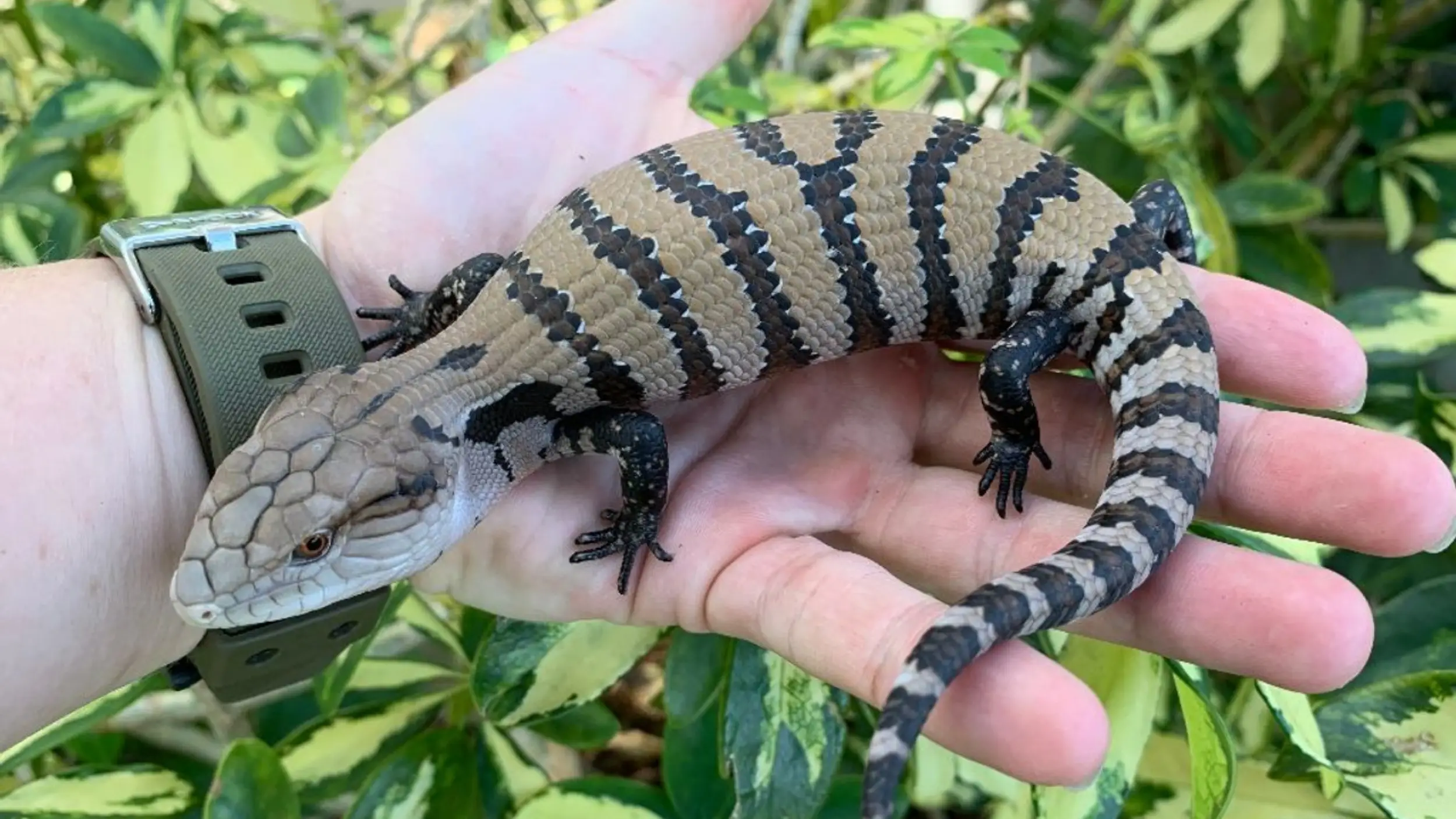
Northern blue tongue skinks (Tiliqua scincoides intermedia) are robust, ground-dwelling lizards native to northern Australia. Recognisable by their vivid blue tongues and stout bodies. These omnivores have a varied diet, consuming insects, fruits, vegetables, and small animals. Known for their gentle temperament, they are popular pets, requiring moderate care, including a spacious enclosure ...
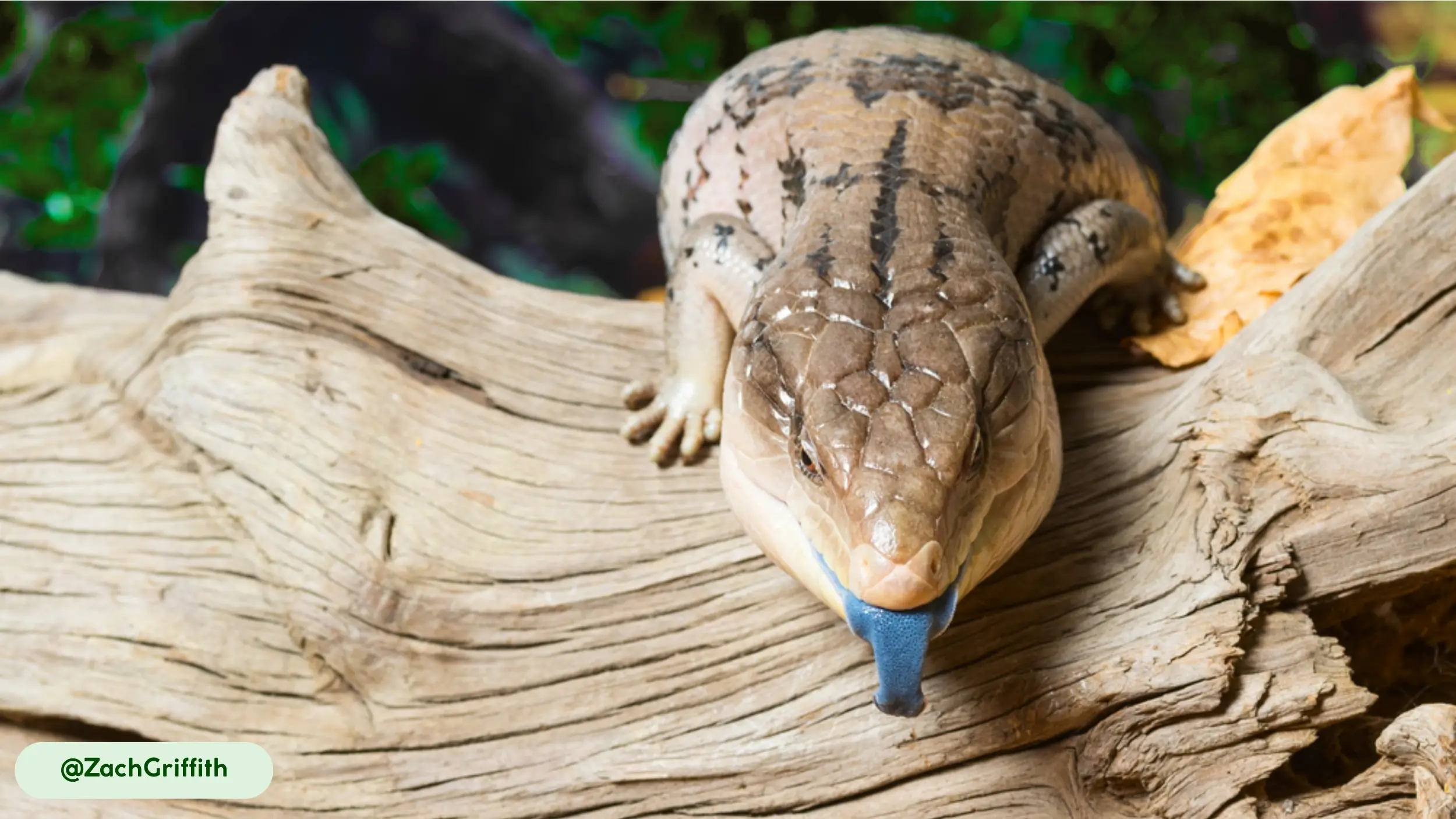
Care of the Blue Tongued Skink The blue -tongued skink (Tiliqua spp., Cyclodomorphus spp.) is a stocky, cylindrical lizard with small legs and a large head, known for its deep, vivid blue tongue . Blue -tongued (BT) skinks are mild mannered, social lizards native to the semi-desert and open woodland regions of Australia, New Guinea, and Tasmania.
Blue Tongue Skink Care Guide
A comprehensive care guide to the Blue Tongue Skink (Tiliqua sp.) including housing, heating, lighting, diet, supplementation and more!