Master the Art of Restaurant Pizza Dough
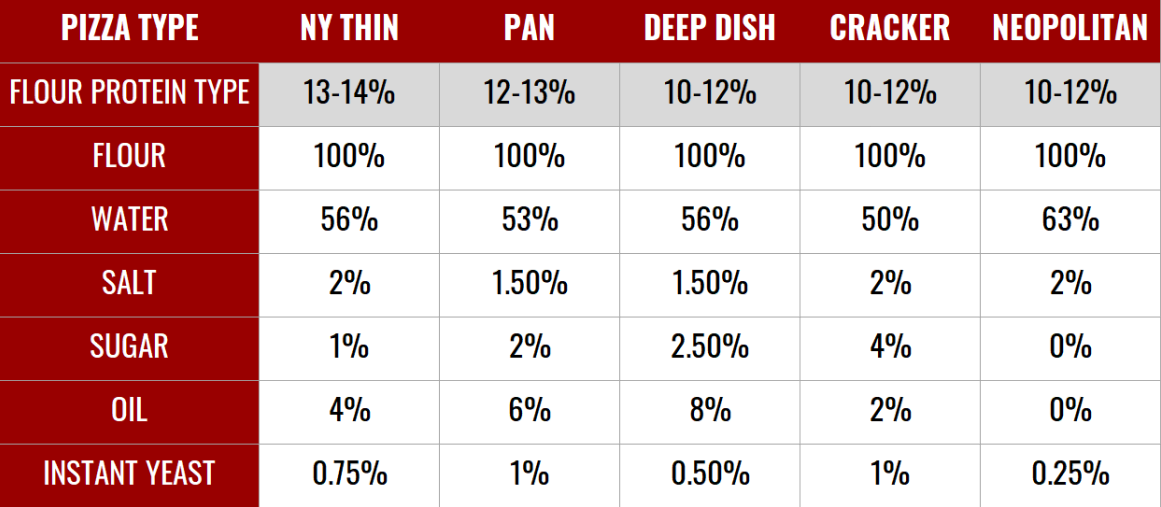
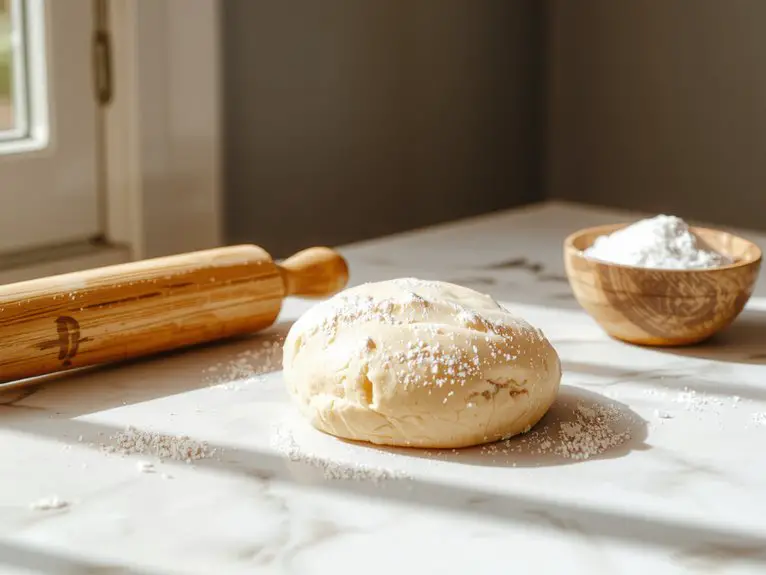
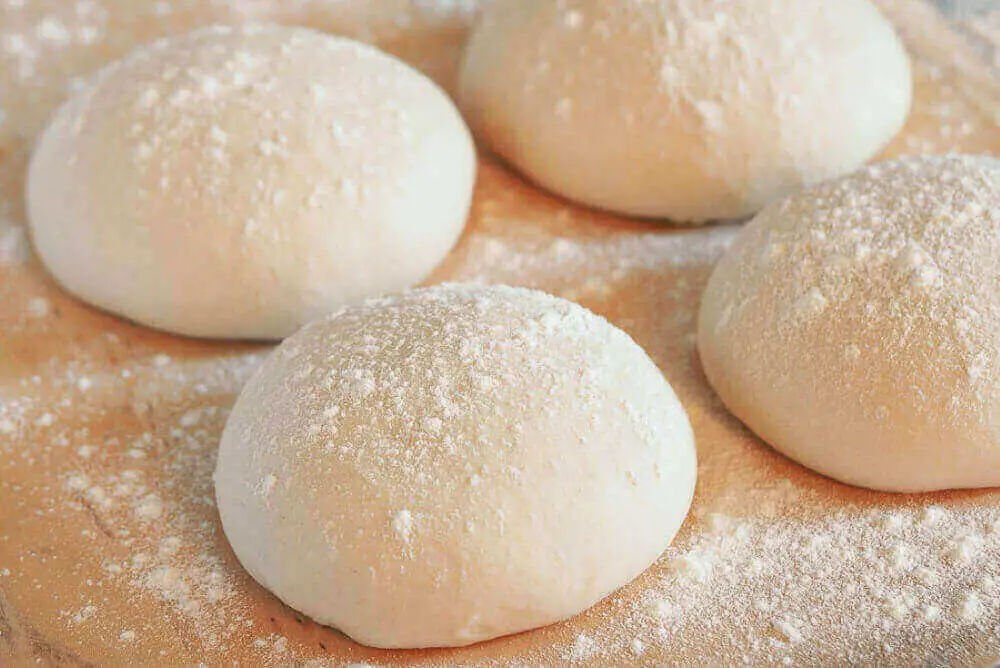
Assembling a successful restaurant -style pizza dough requires the precise balancing of ingredients. A typical recipe might start with about 500 grams of Tipo 00 or bread flour, 325 milliliters of water, 2 teaspoons of yeast, 2 tablespoons of olive oil, and 1 teaspoon of salt .
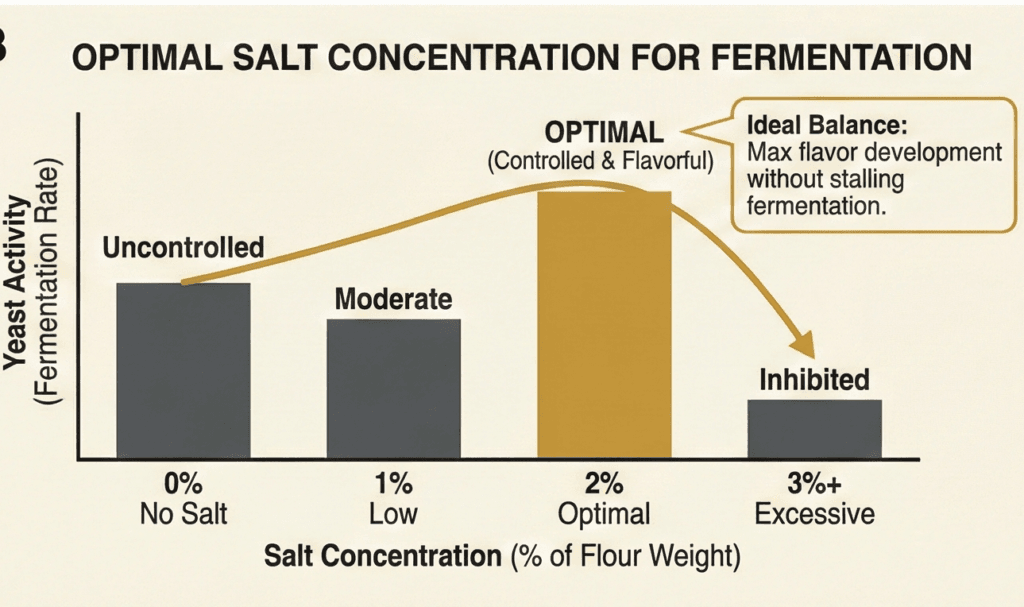
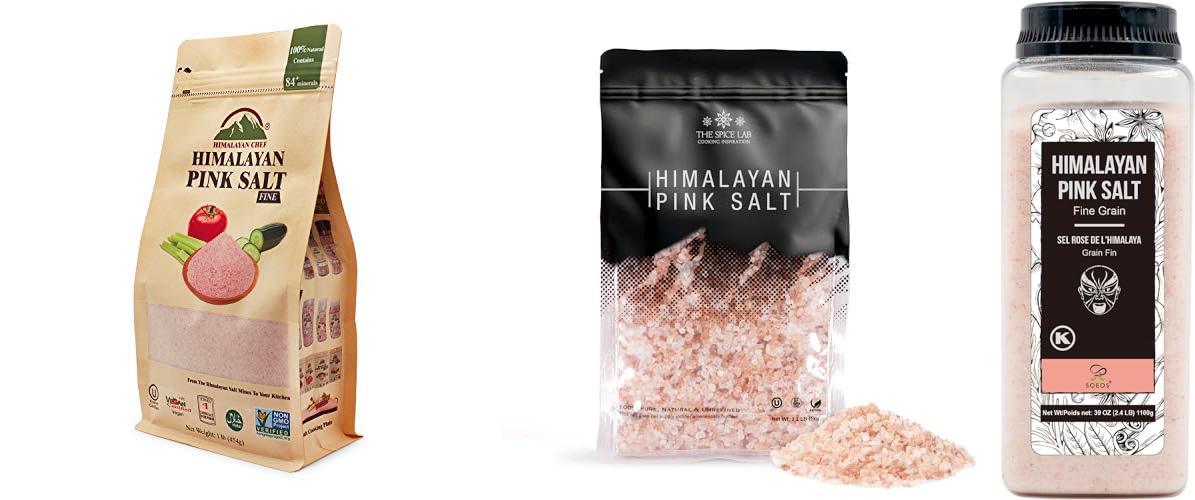
The key to getting the perfect dough consistency is balancing salt with the right amount of water and flour. If you add too little salt , the dough might rise too quickly and lose its structure. Conversely, too much salt could leave you with a dough that is overly dense and dry, leading to baking issues like uneven texture or difficulty shaping.
The Ultimate Guide to Pizza Dough Ratios

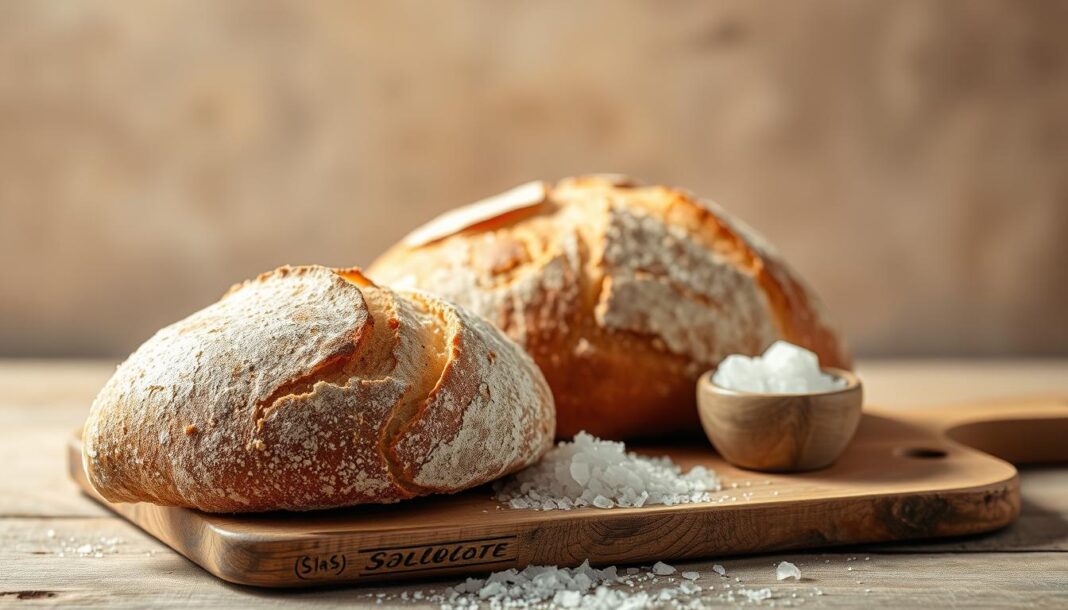
Moving forward, it's essential to keep these visual contexts in mind when discussing Restaurant Secrets In Balancing Salt And Hydration For Perfect Dough.
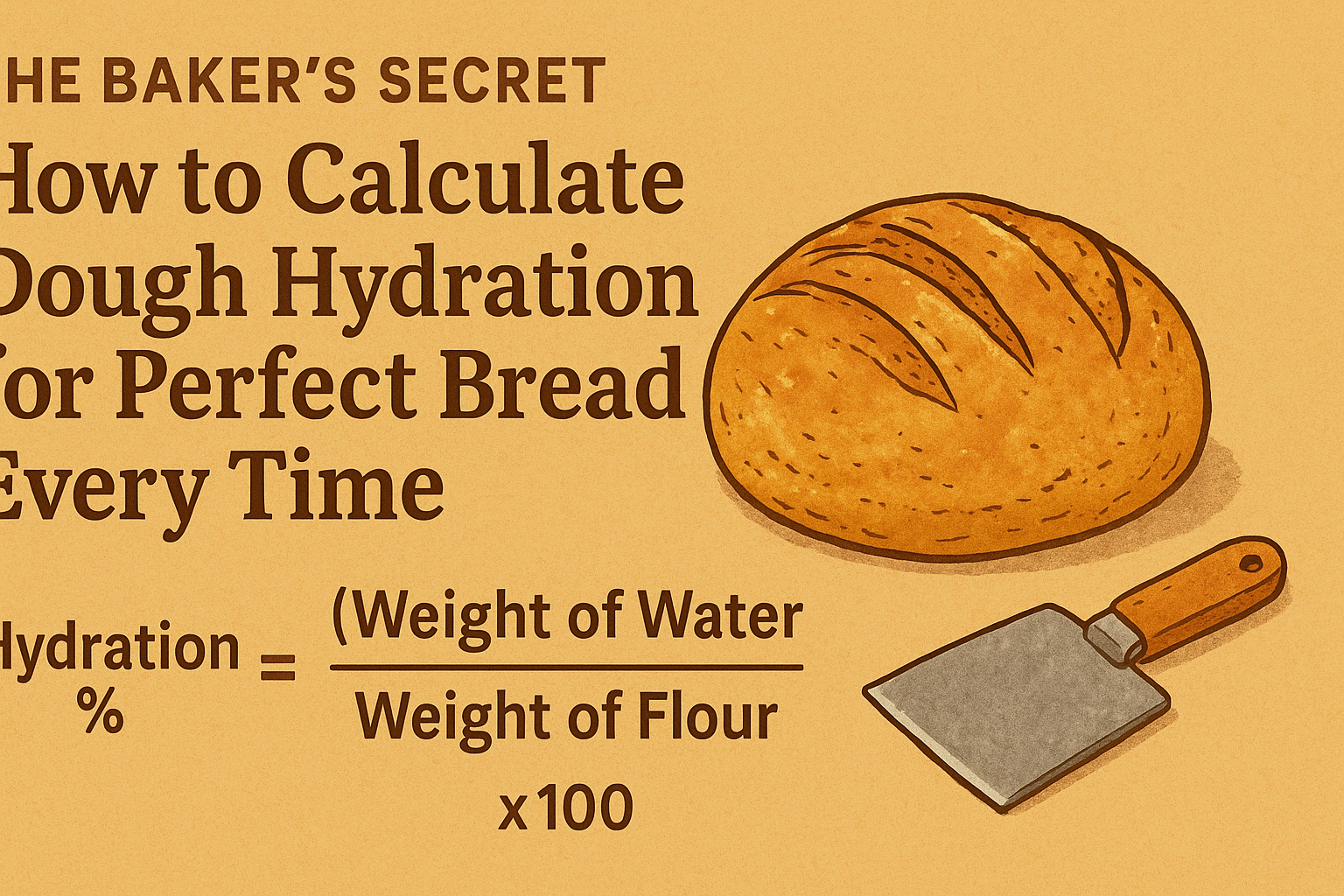
Making great pizza at home isn't about secret ingredients or expensive tools—it's about understanding pizza dough ratios. Once you master the balance between flour, water, yeast, and salt , you can create a perfect pizza dough recipe tailored to your oven, your climate, and your personal taste. In this guide, we'll take a deep dive into baker's percentages, explain how hydration ...
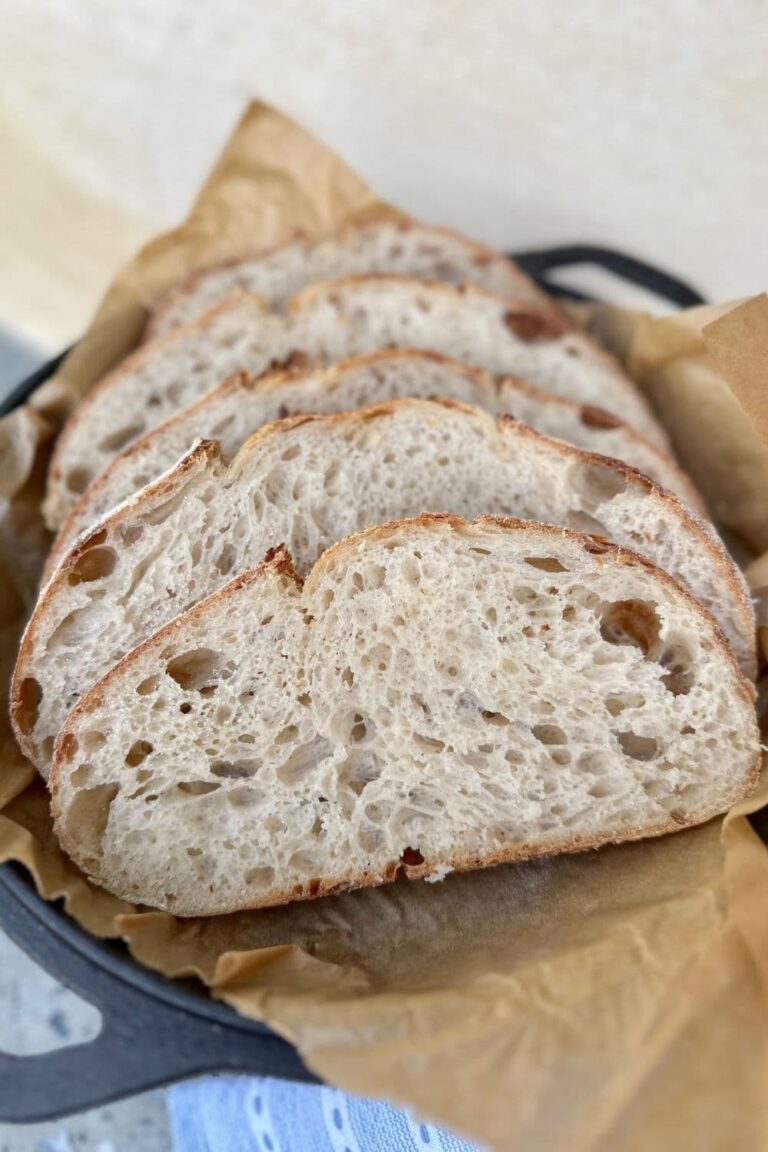
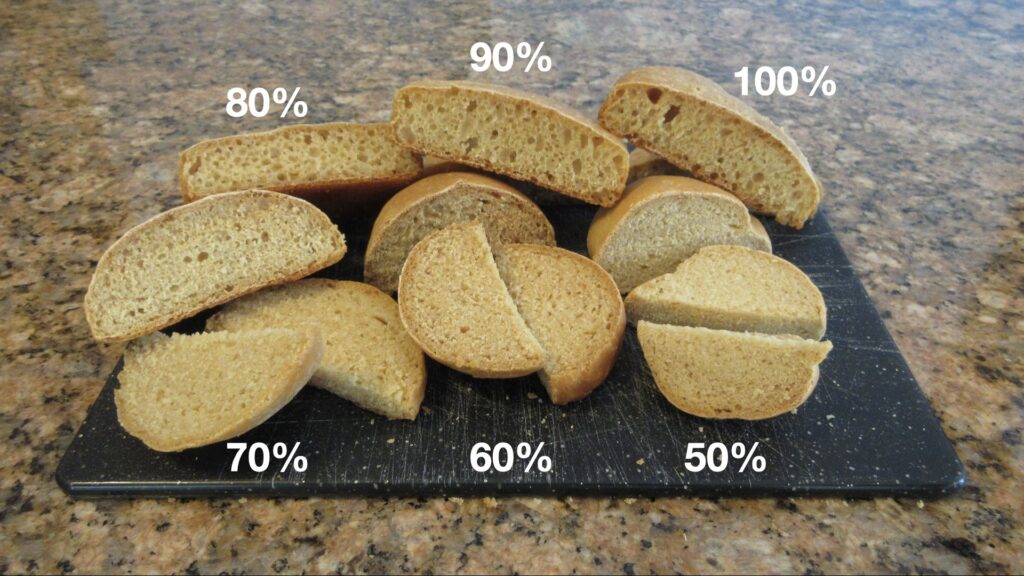
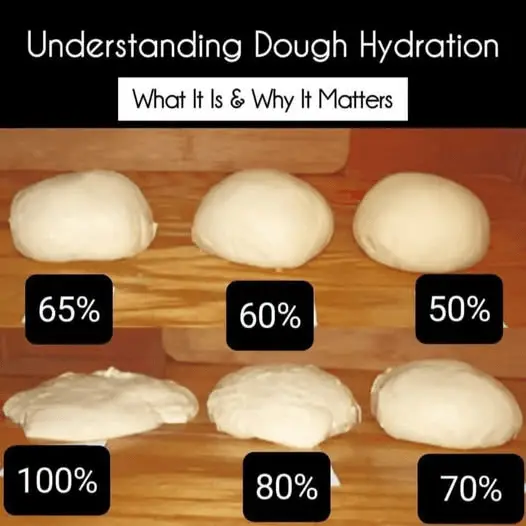
Higher hydration doughs in the 70 to 78 percent range produce loaves with open, lacy crumbs and thinner, glassy crusts. Lower hydration yields denser bread with chewier crusts. Think of hydration as the dial between "fine sandwich bread" and "incredible ." Most restaurants have that dial cranked firmly upward.
10 Professional Bread Making Secrets Restaurants Don't Want You to Know

Moving forward, it's essential to keep these visual contexts in mind when discussing Restaurant Secrets In Balancing Salt And Hydration For Perfect Dough.
Understanding hydration ratios in dough making helps bakery owners and kitchen operators create dough that performs reliably when baking. Whether you operate a pizzeria, artisan bakery, or commercial kitchen, proper hydration levels can help your staff work more efficiently while producing consistent results batch after batch.
Baker's Percentages & Hydration Chart for Perfect Pizza Dough
Master pizza dough with Dough Daddy's easy baker's percentage guide and hydration cheat sheet. Learn how to scale recipes, control texture, and bake like a pro

This particular example perfectly highlights why Restaurant Secrets In Balancing Salt And Hydration For Perfect Dough is so captivating.
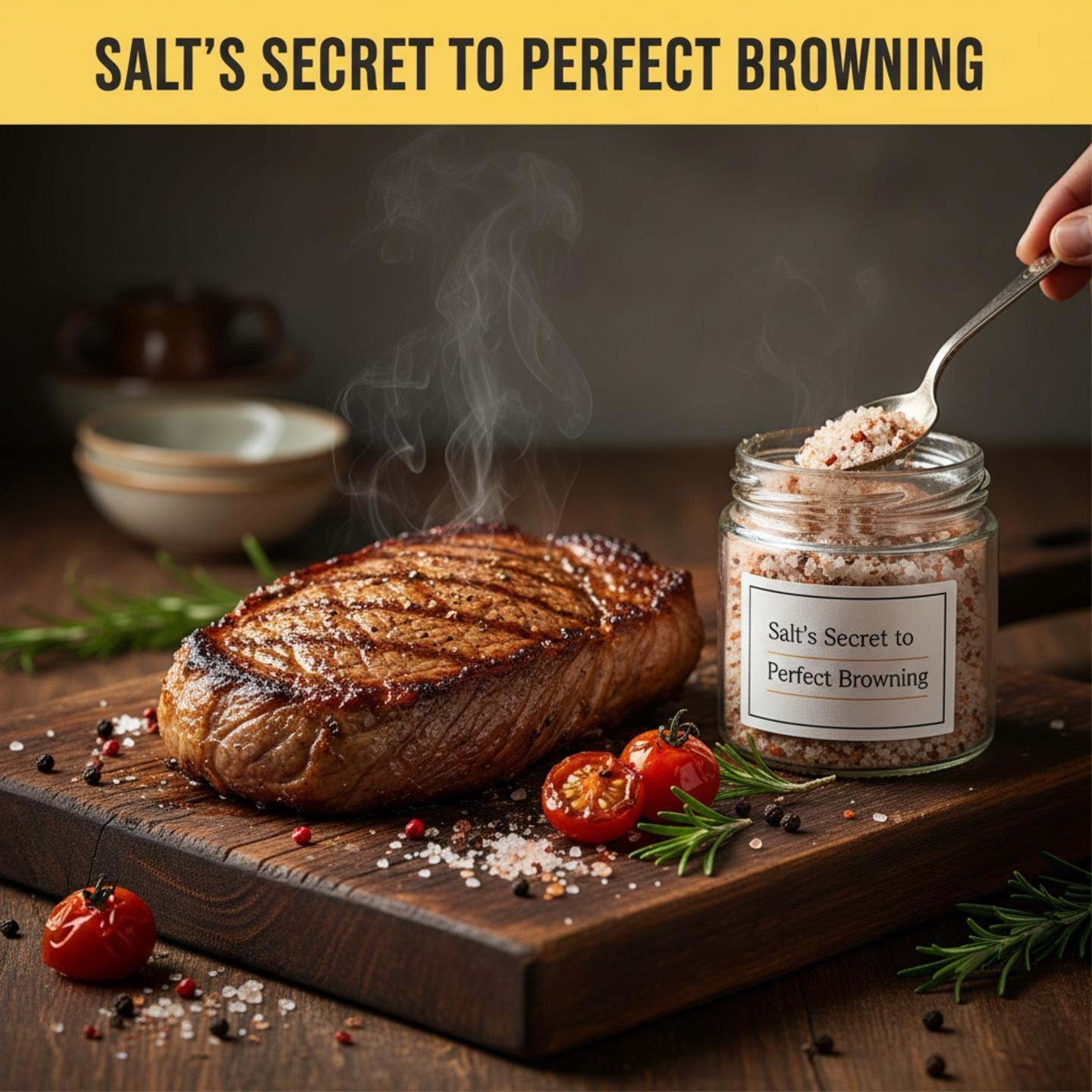
Without salt , your dough might rise too quickly, and the flavor would be flat. It's the unsung hero in the science behind perfect pizza dough . By slowing down fermentation, salt allows more time for flavor development, ensuring your pizza has depth and complexity.
How Do Pizza Restaurants Make Dough The Secret You Need to Know
Here's a simplified overview of the process: 1. Hydration : The first step is to combine the flour and water in a bowl or mixer. The ratio of flour to water determines the hydration level of the dough . Higher hydration levels result in a wetter, more elastic dough , while lower hydration levels create a firmer, chewier dough . 2.